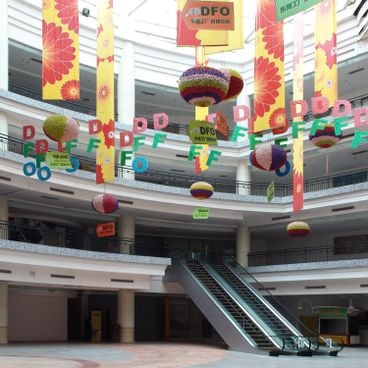
Bangkok offers photographers a wide variety of subjects, from religious heritage to contemporary urban spaces. The Thai capital hosts several major historic temples such as Wat Arun, established in the 17th century, with its central prang reaching 79 meters (259 feet) and decorated with porcelain fragments, as well as the Grand Palace, a royal complex from the 18th century covering 218,000 square meters (54 acres) and home to the renowned Emerald Buddha. Wat Pho, with its 46-meter (151-foot) gold Reclining Buddha, completes this series of religious sites that have shaped the city's architectural identity. Beyond temples, Bangkok features diverse locations suitable for various photography styles. Markets like Chatuchak, with 15,000 stalls on weekends, offer authentic scenes of local life. Green spaces such as Lumphini Park help document urban nature across 57 hectares (141 acres). Modern shopping districts like Asiatique The Riverfront and Siam Paragon demonstrate the city’s contemporary growth. This collection includes accessible sites that reflect the multiple facets of Bangkok.
Bangkok, Thailand
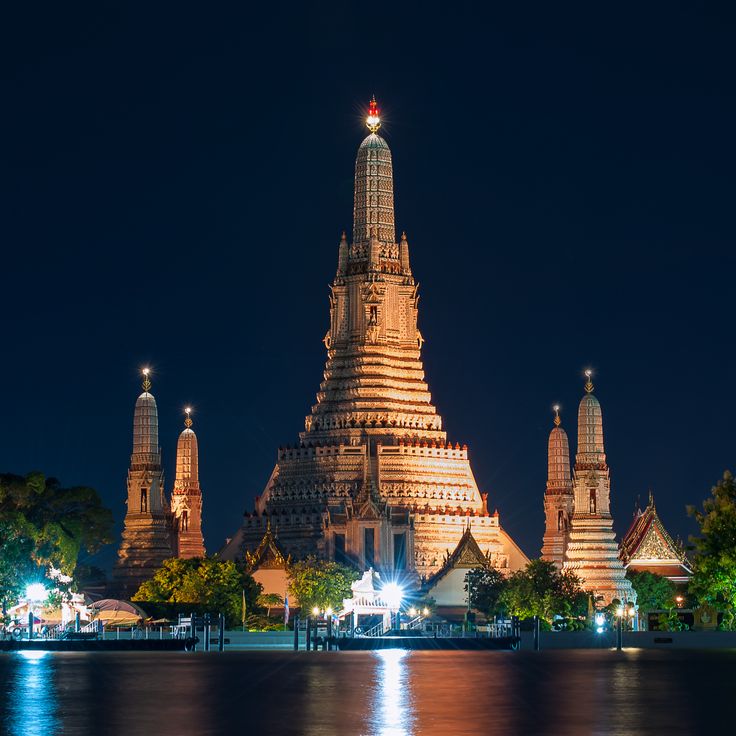
This temple on the Chao Phraya riverbank ranks among Bangkok's most photographed sites. Wat Arun was established in the 17th century and features a 79-meter (260-foot) central prang decorated with porcelain shards and colorful ceramic fragments. The steep staircases and ornamental details offer numerous angles for capturing religious architecture. The riverside location allows shots from the opposite bank or from boats, particularly during low sunlight conditions.
Bangkok, Thailand
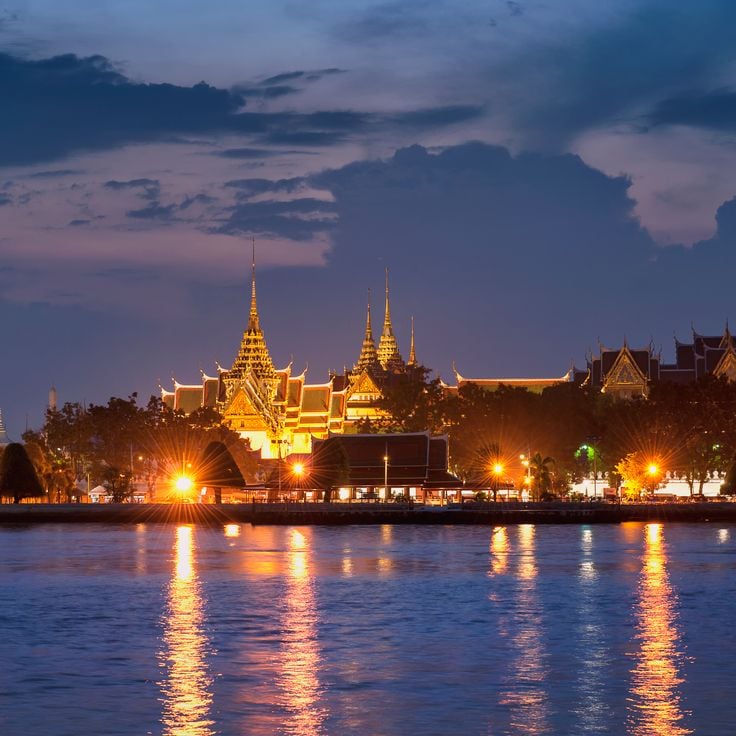
This 18th-century royal complex contains a museum displaying wall paintings, sculptures and traditional architectural elements. The Grand Palace ranks among Bangkok's most photographed sites and demonstrates the craftsmanship of Thai builders. The grounds cover 2.35 million square feet (218,400 square meters) and served as the official residence of Siamese kings from 1782 to 1925. Visitors find chedis with gilded mosaics, pavilions with tiered roofs and Wat Phra Kaew temple housing the Emerald Buddha.
Bangkok, Thailand
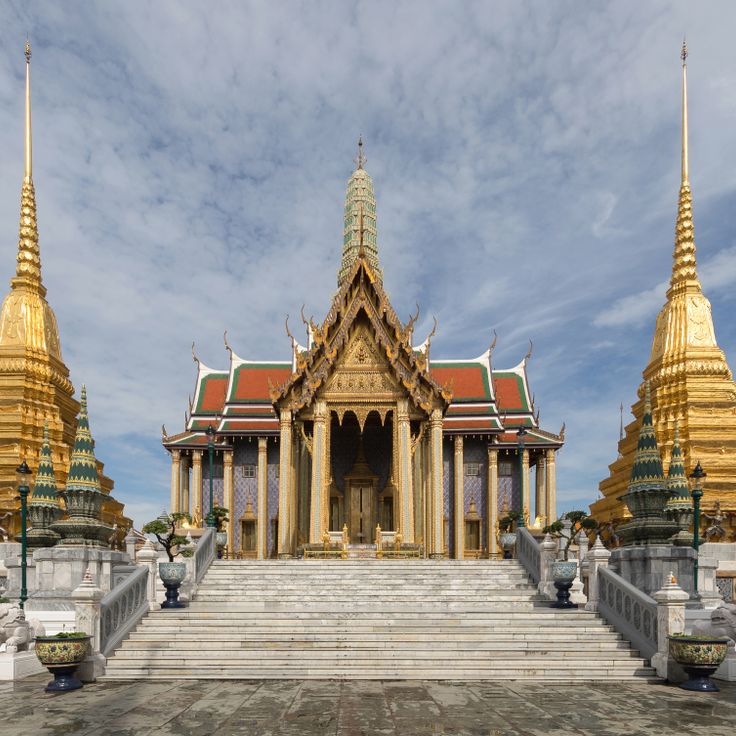
Wat Phra Kaew displays traditional Siamese temple architecture with gilded spires and houses a Buddha statue carved from green jade, considered a national religious object. The temple sits within the Grand Palace complex and provides photographers with detailed religious ornamentation, colorful mosaics and architectural elements that represent Bangkok's spiritual and artistic traditions. As one of the city's most important religious sites, this temple adds to the photographic range that Bangkok offers through its temples, modern structures and markets.
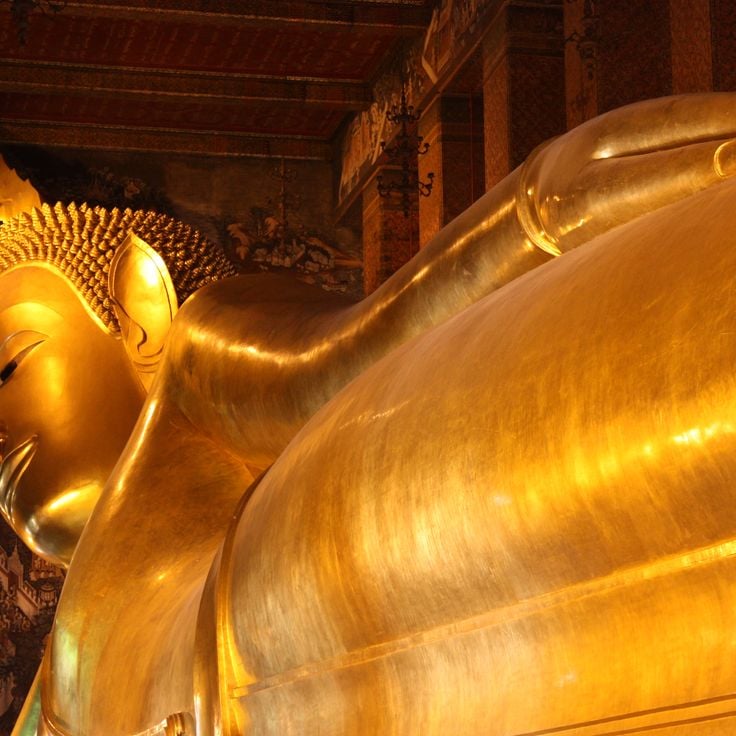
Bangkok, Thailand
Wat Pho sits south of the Grand Palace and houses a 151-foot (46-meter) gold-plated statue of the reclining Buddha. The temple was founded in the 16th century and expanded under King Rama I. Four chedis in the courtyard represent the first four Chakri kings. This temple serves as the national school for traditional Thai massage and medicine. The complex contains over a thousand Buddha statues and murals depicting scenes from Jataka lives. Photographers find subjects in religious architecture, gilded details and garden courtyards with stone guardians.
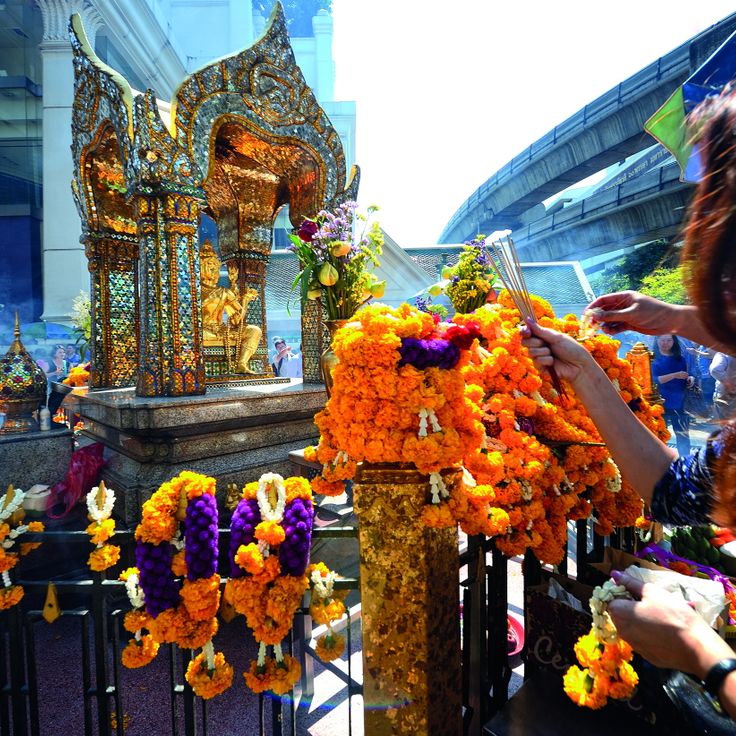
Bangkok, Thailand
This Hindu shrine houses a four-faced Brahma statue and draws visitors daily for prayers and traditional dance performances.
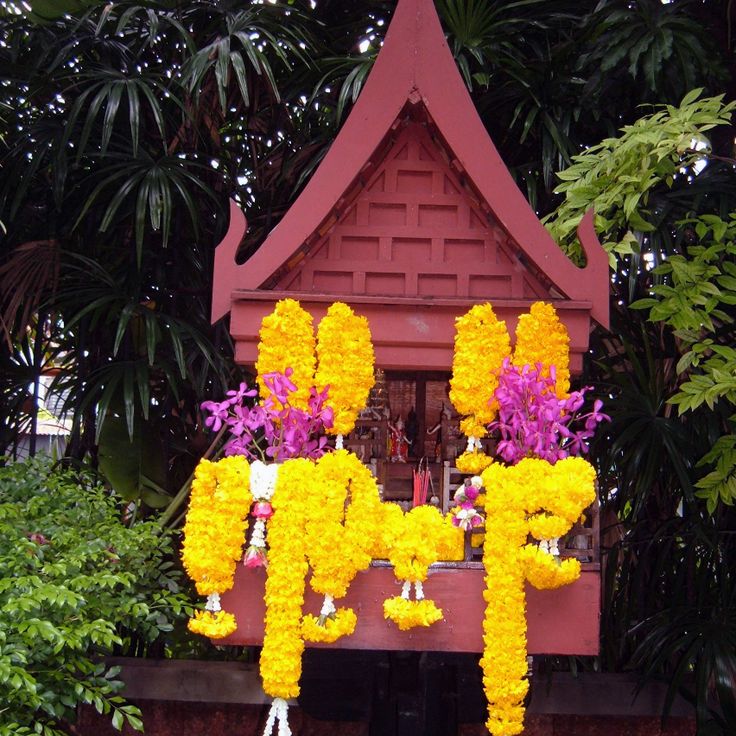
Bangkok, Thailand
Museum in traditional Thai architecture from the 20th century, featuring Asian art collections assembled by the American silk merchant Thompson.
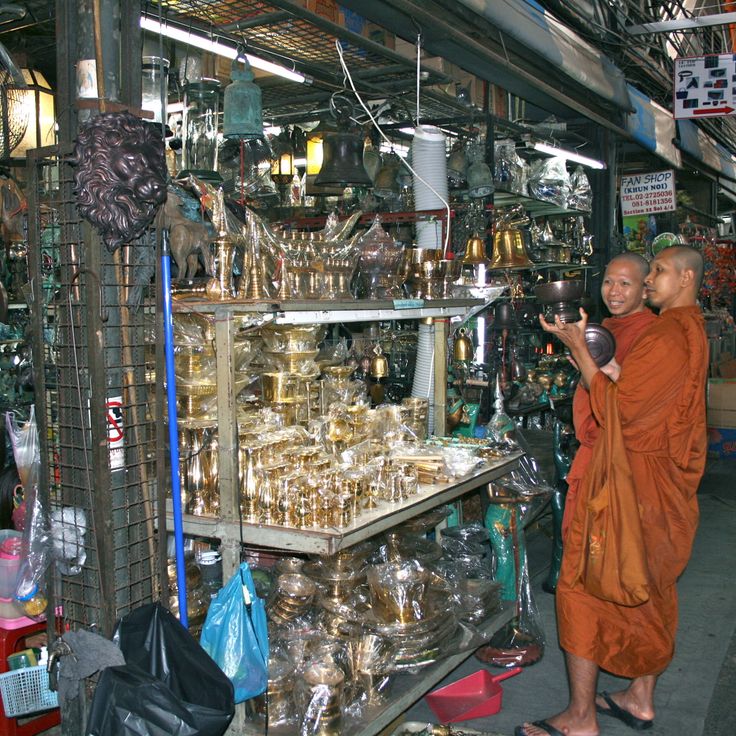
Bangkok, Thailand
The largest retail market in Thailand contains 15,000 stalls selling clothes, antiques, handicrafts, household items and street food.
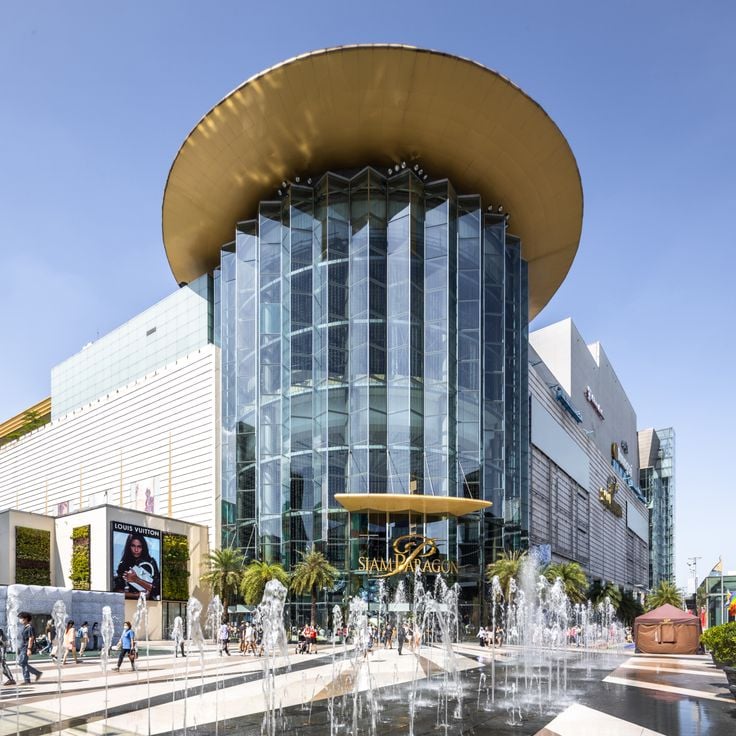
Bangkok, Thailand
This retail complex houses international designer brands, an aquarium, an automobile gallery and numerous restaurants across seven floors.
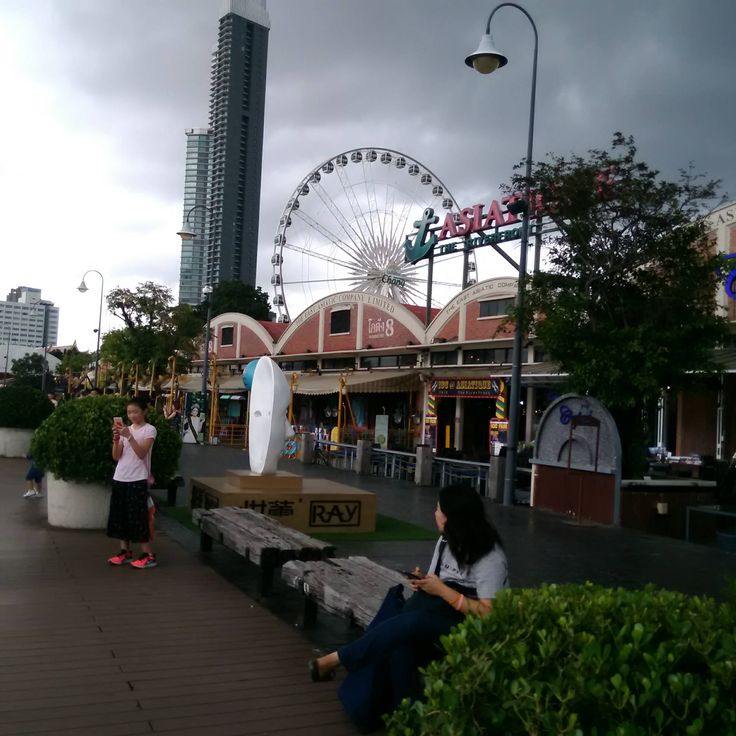
Bangkok, Thailand
Modern shopping district along the Chao Phraya River with stores, restaurants, market halls and a ferris wheel.
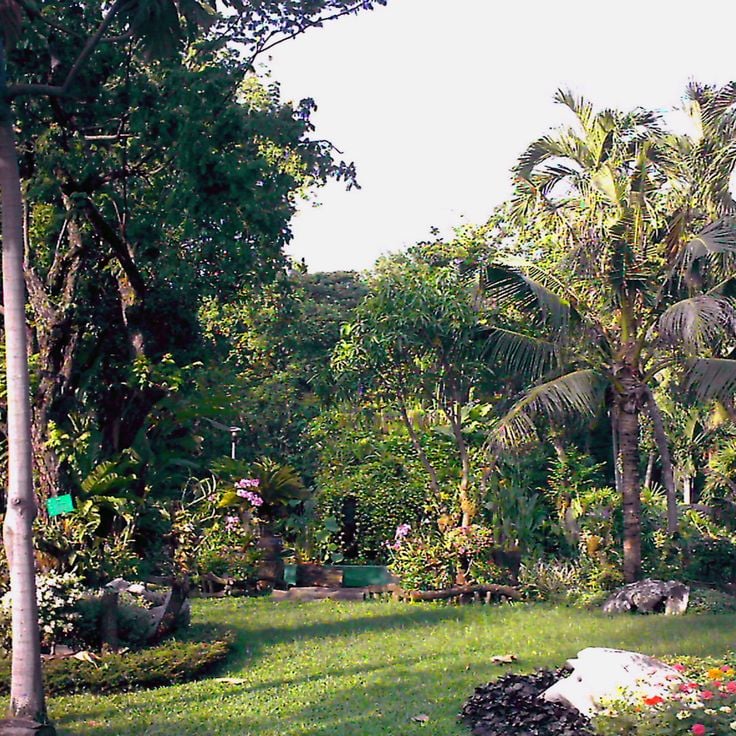
Bangkok, Thailand
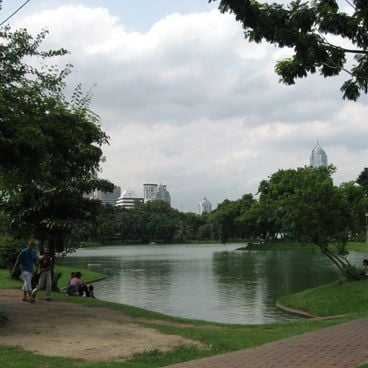
This 57-hectare green space contains lakes, paths, sports facilities and tropical trees in the center of Bangkok.
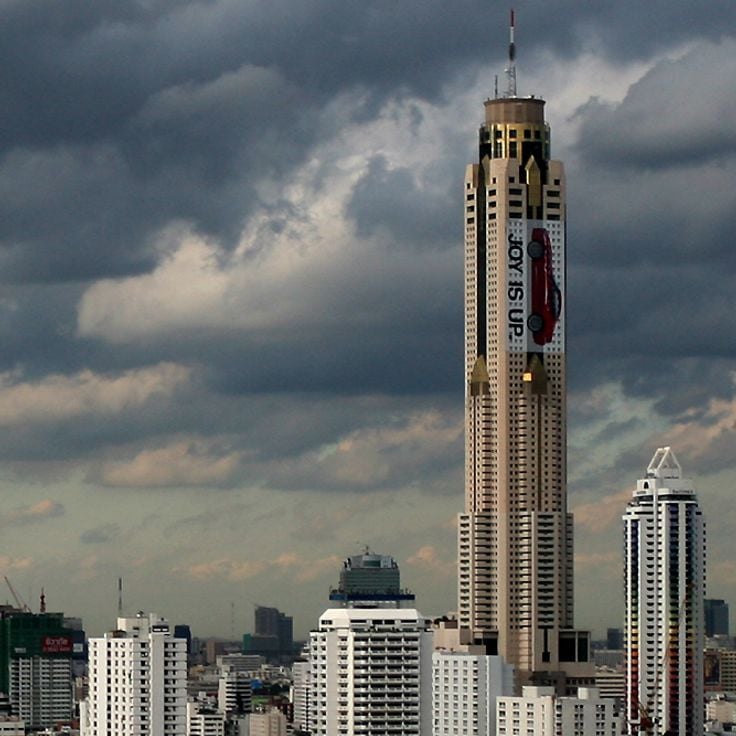
Bangkok, Thailand
The 304-meter skyscraper features a rotating restaurant on the 84th floor and an observation platform at 250 meters above ground.
Bangkok, Thailand
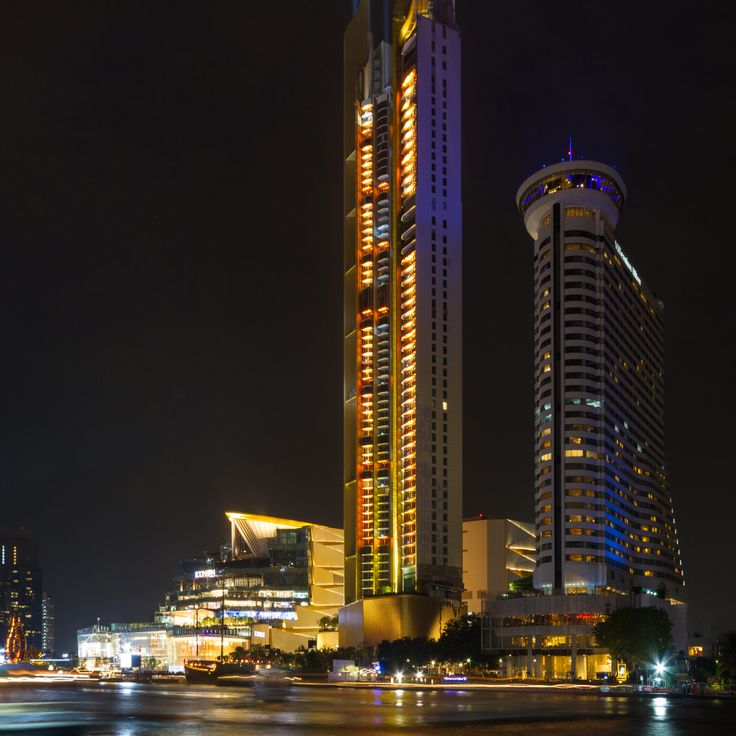
Modern riverside complex along the Chao Phraya River featuring international brand stores, restaurants, art exhibitions and a waterfront park.
Bangkok, Thailand
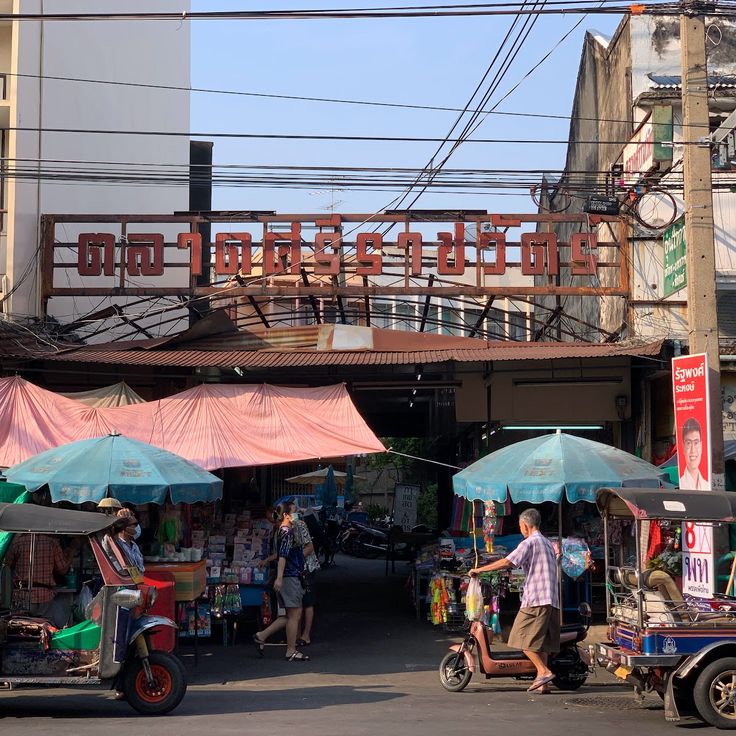
This night market is known for its antiques and collectibles from the 20th century, with stalls offering Thai cuisine and vintage clothing. Talat Rot Fai attracts photographers looking for nostalgic subjects, from old cameras and vinyl records to retro signage and military memorabilia. The lighting creates warm tones for evening shots, while the arrangement of goods provides visual compositions drawn from past decades. The combination of food vendors and vintage finds makes this market a venue for documentary and street photography within the context of Bangkok's diverse photo opportunities.
Bangkok, Thailand
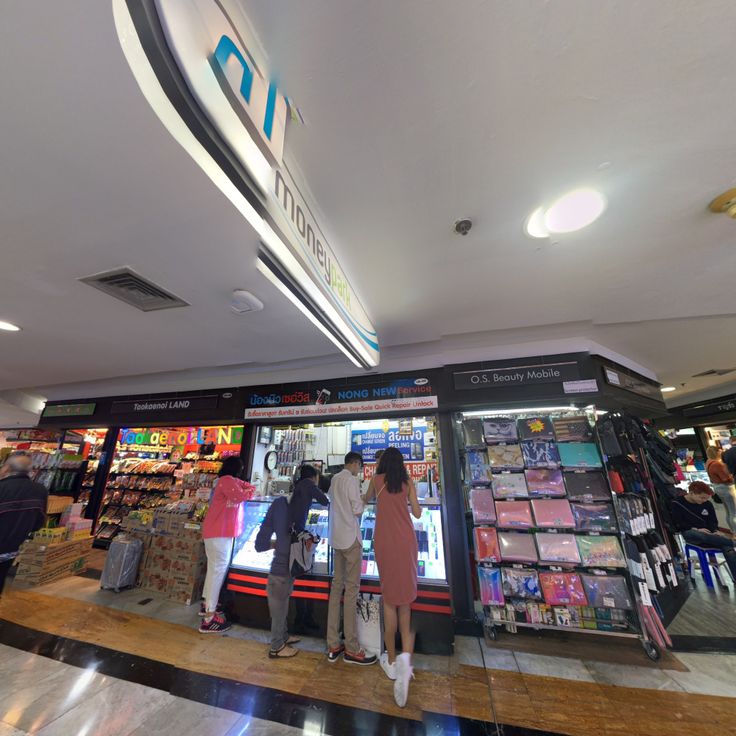
This downtown shopping complex spans eight floors of retail space dedicated to electronics, fashion and accessories. The MBK Center ranks among Bangkok's established photo subjects, where visitors document the multi-story architecture, busy corridors and product variety on display. Upper levels house restaurants and a cinema. As one of Bangkok's most visited shopping destinations, the center offers photographers subjects ranging from local consumer culture to architectural details of the mall structure itself.

Bangkok, Thailand
This street runs through the heart of Bangkok's Chinatown and offers a window into the city's Chinese community. Yaowarat Road is lined with gold shops, traditional apothecaries, street food vendors and restaurants serving Cantonese and Thai-Chinese cuisine. The architecture dates largely from the early 20th century, when Chinese immigrants established themselves here. In the evening, the street transforms into a street market with food stalls. Several Chinese temples can be found in the side alleys. The area provides numerous subjects for street photography, neon signs and architectural details.
Bangkok, Thailand
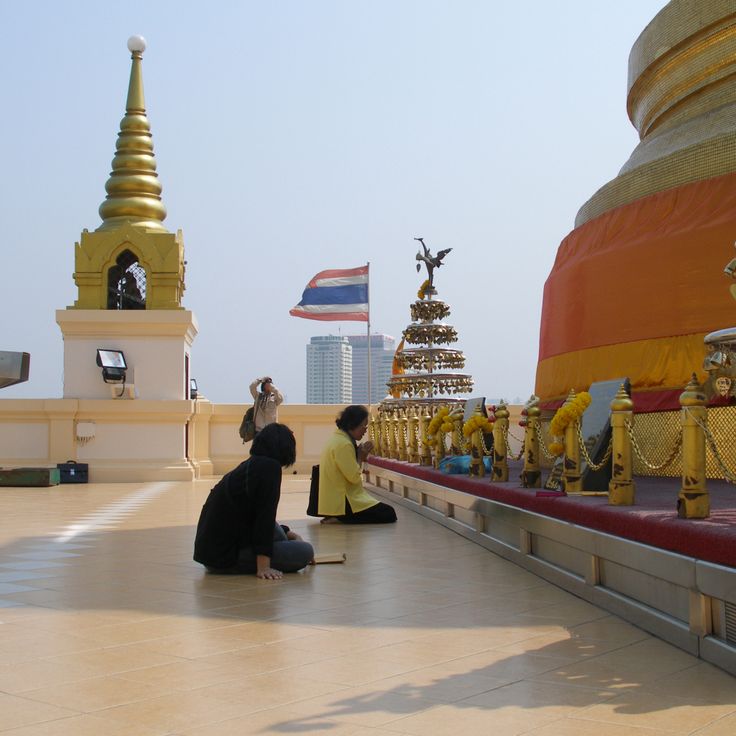
This Buddhist temple features a golden chedi atop an artificial hill, with views of Bangkok from its summit.
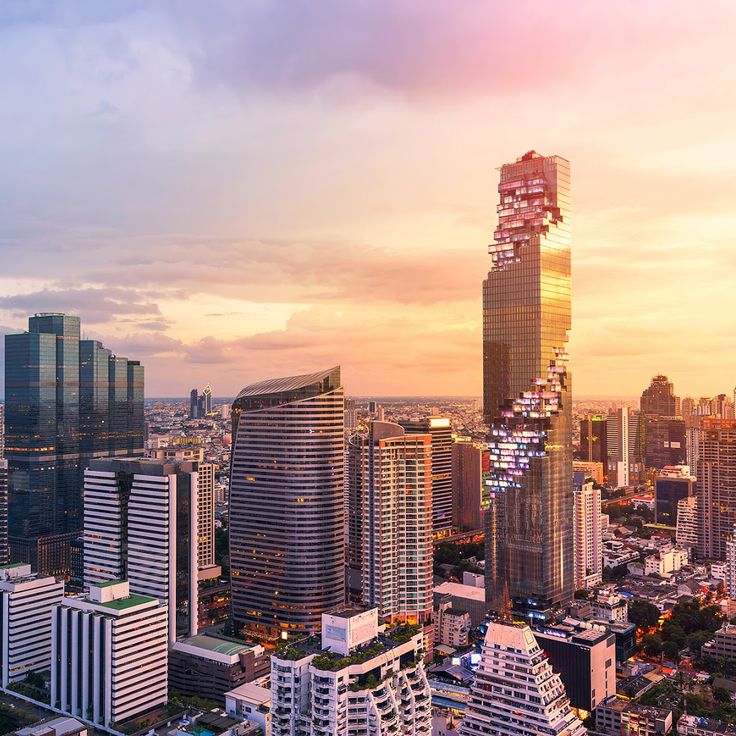
Bangkok, Thailand
The observation platform with glass floor stands at 314 meters high in the tallest building of Bangkok.
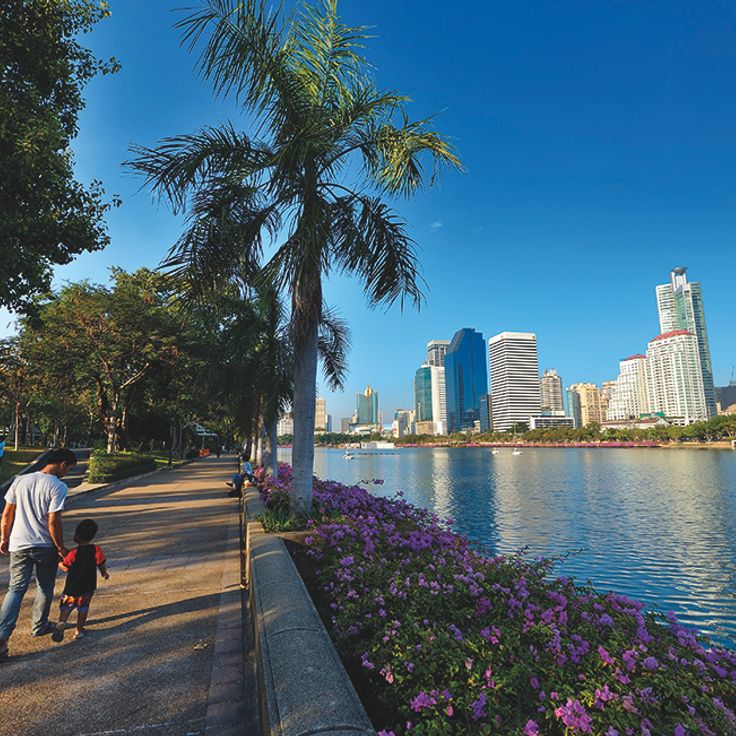
Bangkok, Thailand
An urban park with lakes, running tracks and cycling paths built on former tobacco factory grounds in central Bangkok.
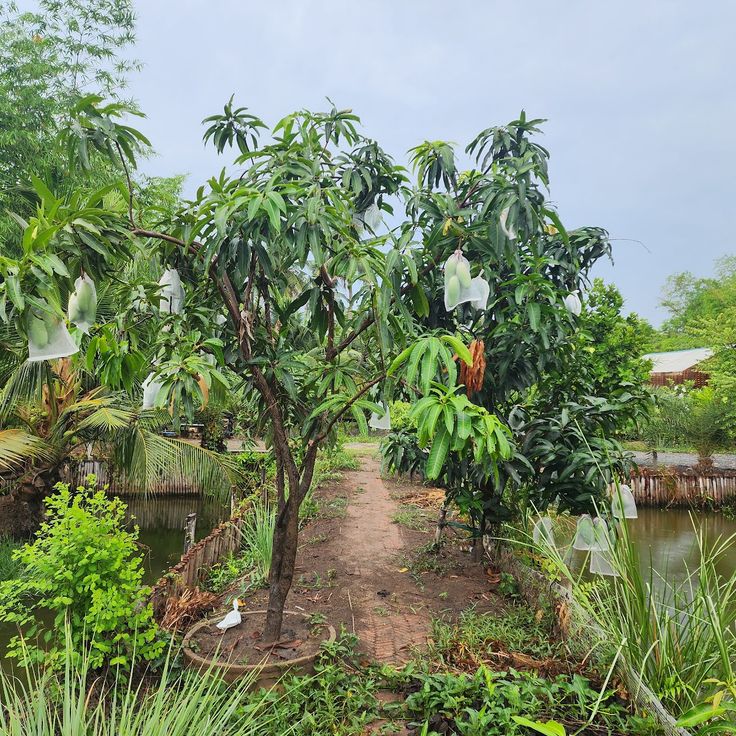
Bangkok, Thailand
This 2000-hectare green space in the Chao Phraya River features bicycle paths, gardens, mangroves, and traditional Thai wooden houses.
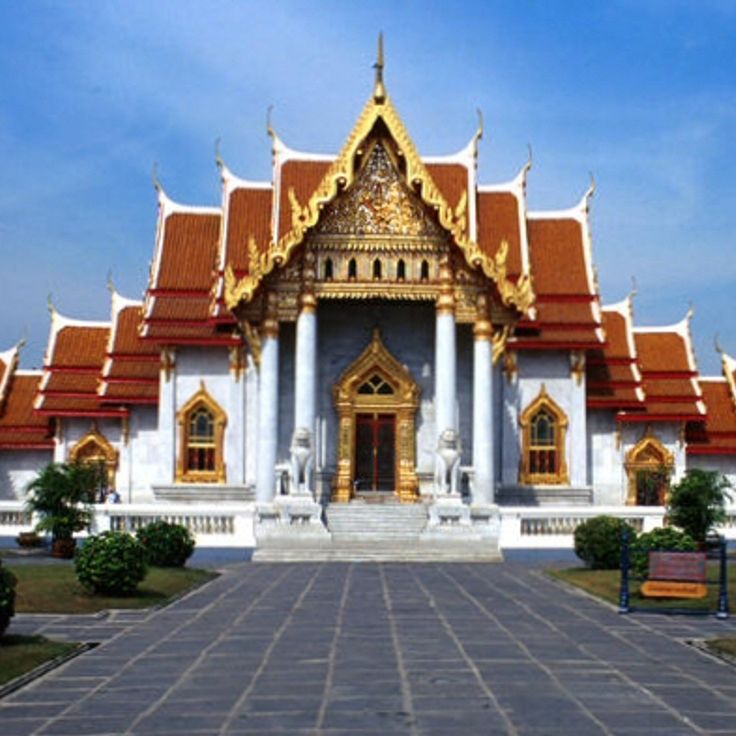
Bangkok, Thailand
This Buddhist temple built in 1899 with Italian marble showcases a combination of Thai and European architectural elements.
Bangkok, Thailand
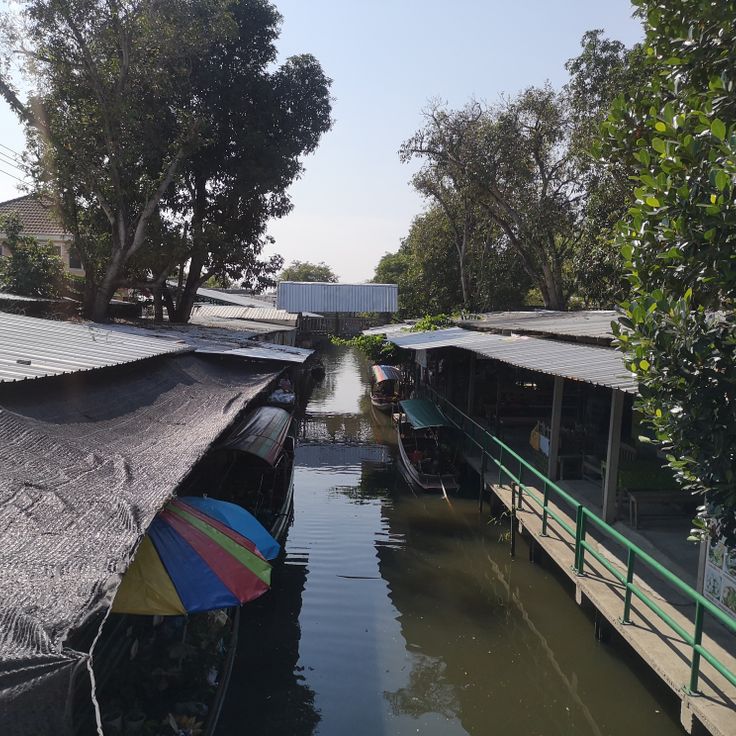
This traditional water market shows daily local life with fresh produce, food stalls and regional specialties along the narrow canals.

Bangkok, Thailand
This museum complex opened in 2008 features nine floors of galleries with rotating exhibitions and art installations throughout the year.
Bangkok, Thailand
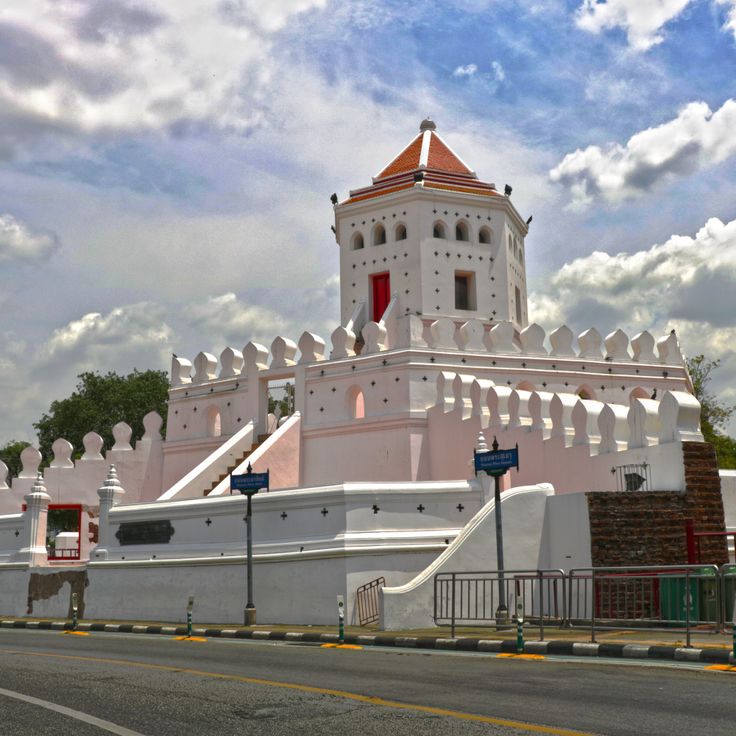
This octagonal defensive structure from 1783 stands on the bank of the Chao Phraya River and is one of two remaining fortifications in Bangkok.
Bangkok, Thailand
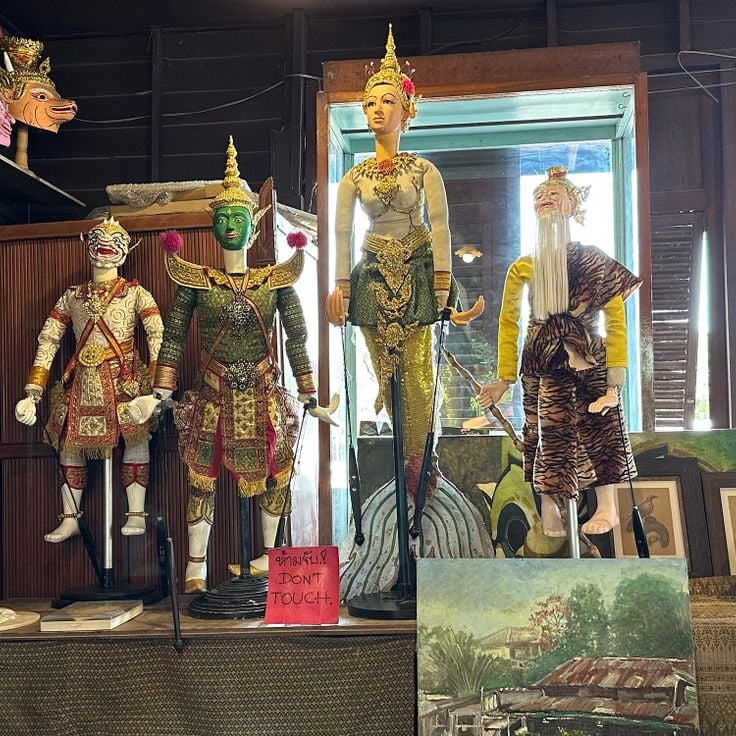
This wooden structure in Thonburi district displays local crafts, hosts daily Thai puppet performances and offers hands-on art classes.
Lopburi, Thailand
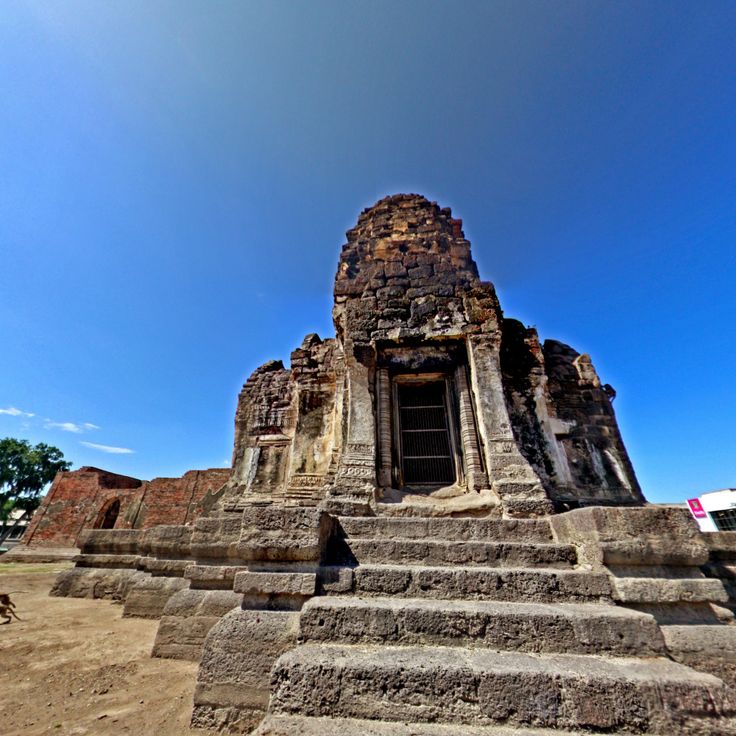
This Buddhist temple from the 13th century displays Khmer architecture with three tall prangs and stone reliefs depicting Hindu deities.

Bangkok, Thailand
The five-story building displays a collection of over 800 artworks by Thai artists from the 20th and 21st centuries.

Bangkok, Thailand
This 24-hour commercial center trades fresh flowers, vegetables, and spices, with orchids, roses, and jasmine among its main products.
Bangkok, Thailand
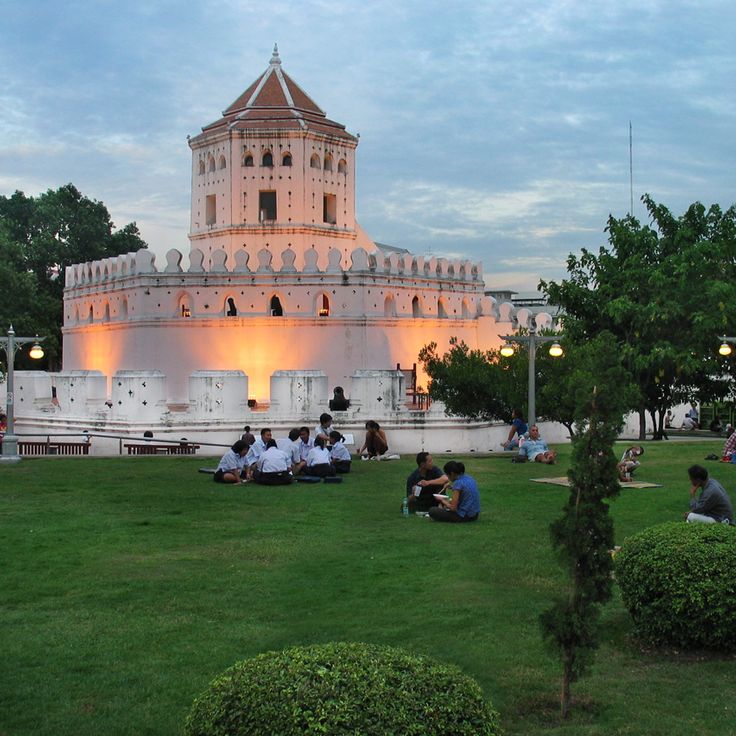
This green space along the Chao Phraya River offers benches and a viewing point to observe sunsets over the water.
Bangkok, Thailand
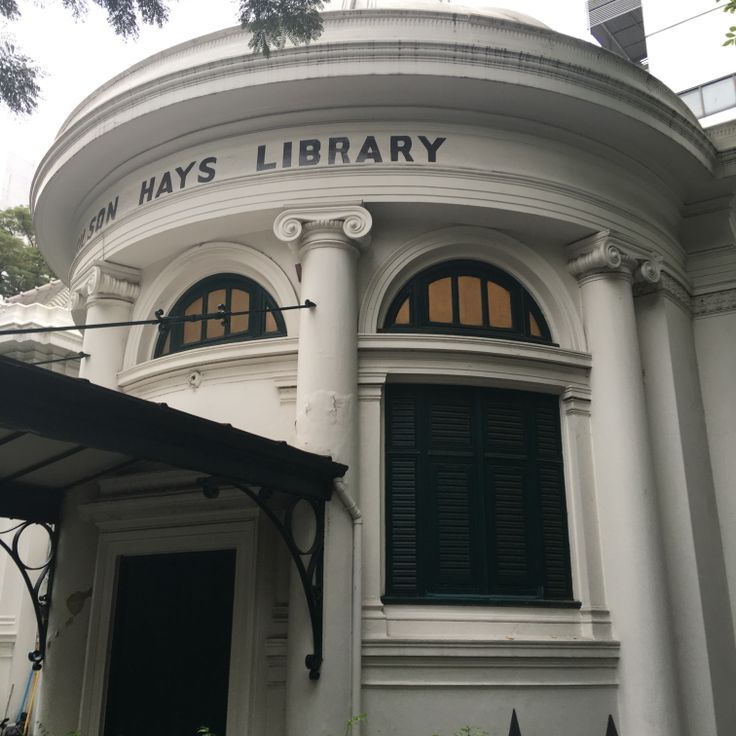
This library from 1920 features European architecture with a collection of English books and regular art exhibitions.
Bangkok, Thailand
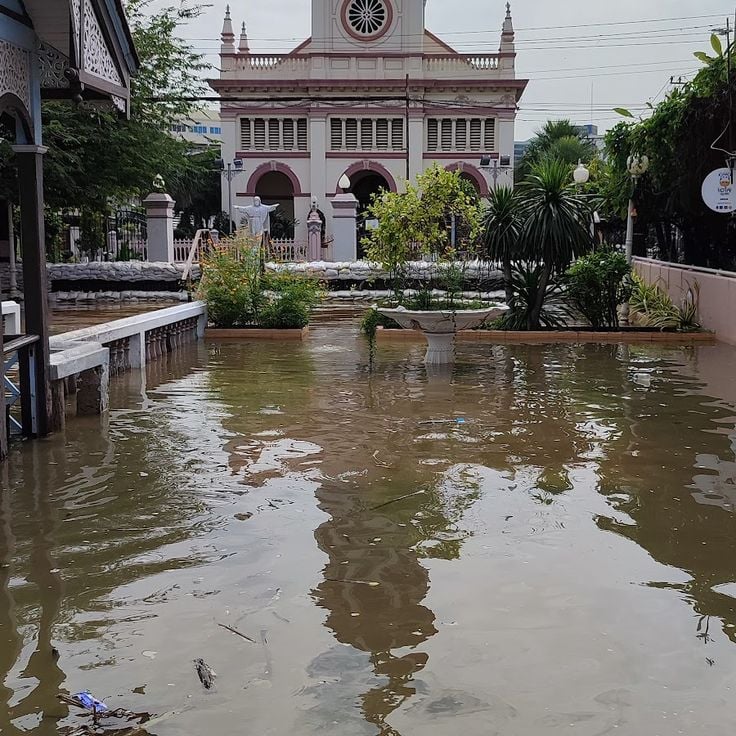
This 18th century district features Portuguese architecture with colored facades and contains several artisanal bakeries making traditional pastries.
Bangkok, Thailand
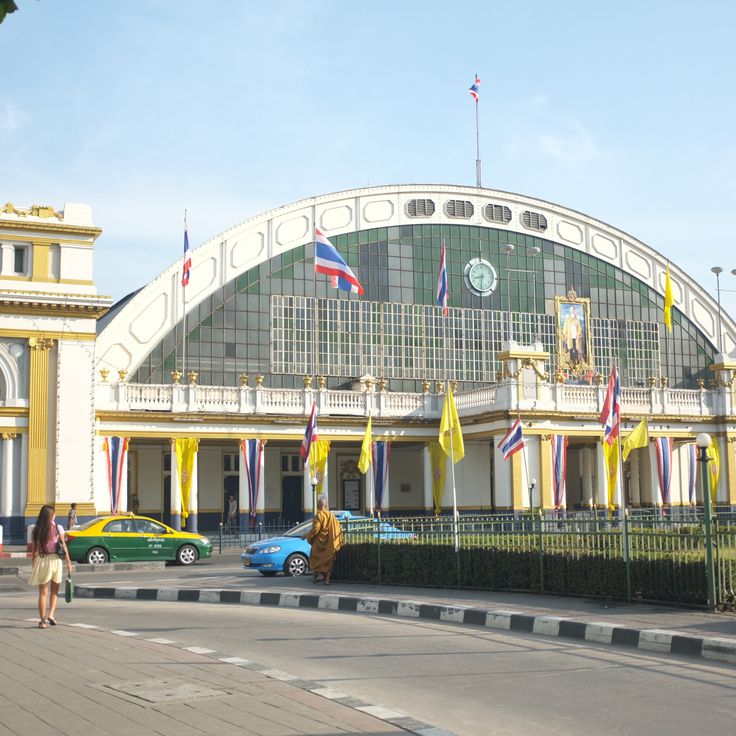
Built in 1916, this terminal station combines Italian Neo-Renaissance architecture with modern railway technology and serves thousands of passengers daily.
Bangkok, Thailand
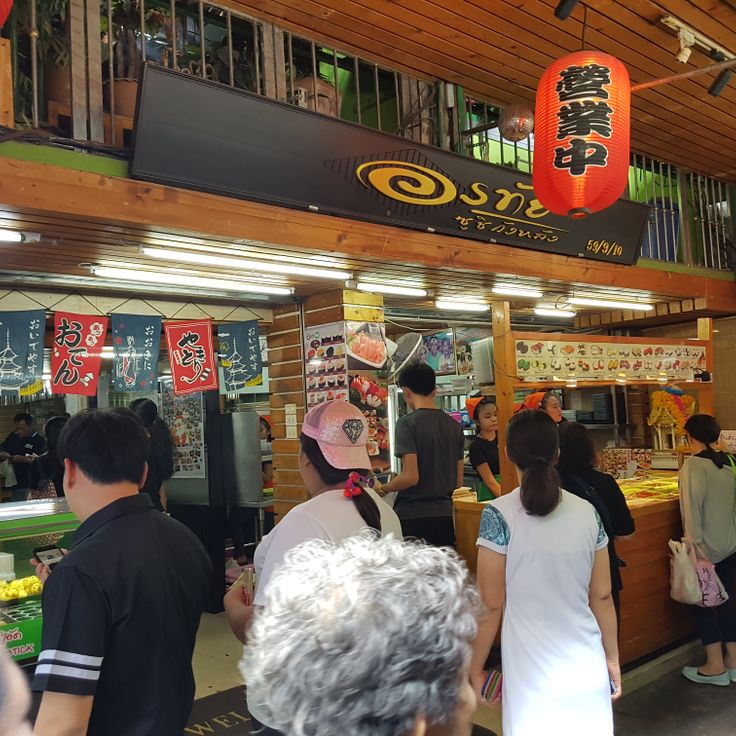
This local marketplace offers Thai dishes, traditional snacks, second-hand fashion items and local goods in large quantities.