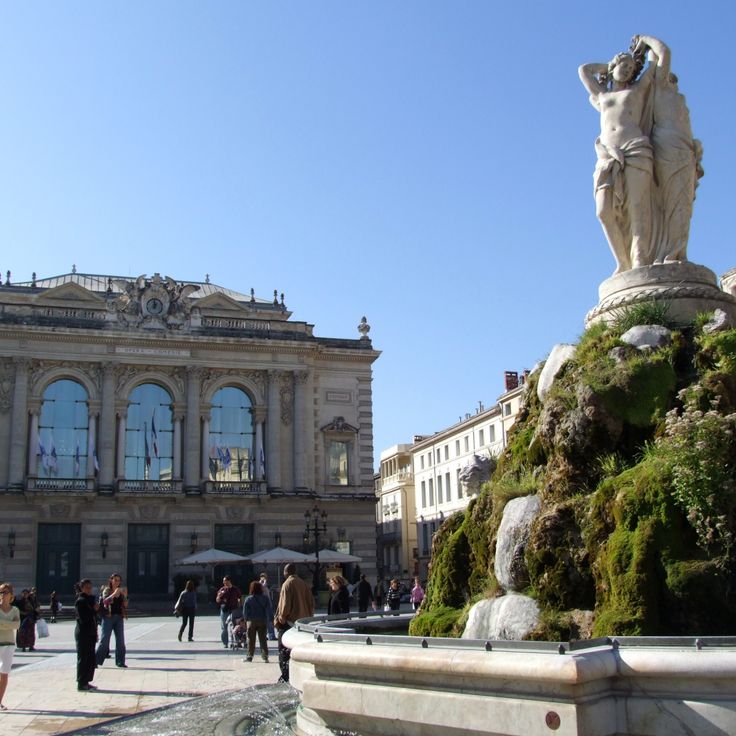
Place de la Comédie forms Montpellier's central square with the Trois Grâces fountain. The 18th-century Promenade du Peyrou includes a triumphal arch. The Fabre Museum contains artworks spanning seven centuries. The Jardin des Plantes maintains botanical collections dating from 1593. Saint-Pierre Cathedral features twin Gothic towers. The Antigone district displays neoclassical architecture. Saint-Roch district preserves medieval stone buildings and narrow streets.
Montpellier, France
This pedestrian square measures 12000 square meters and serves as a central gathering location. The Opera house stands next to the Trois Grâces fountain in this area with multiple cafes.
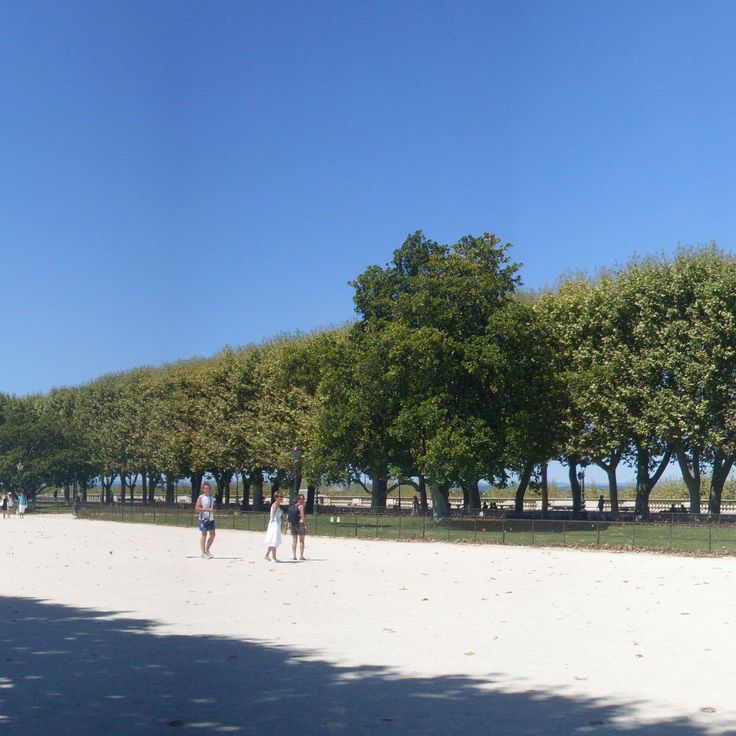
Montpellier, France
This 4-hectare royal space dates from 1689. The esplanade features a water tower on its western end, an arch on the eastern side, and a mounted statue of Louis XIV.
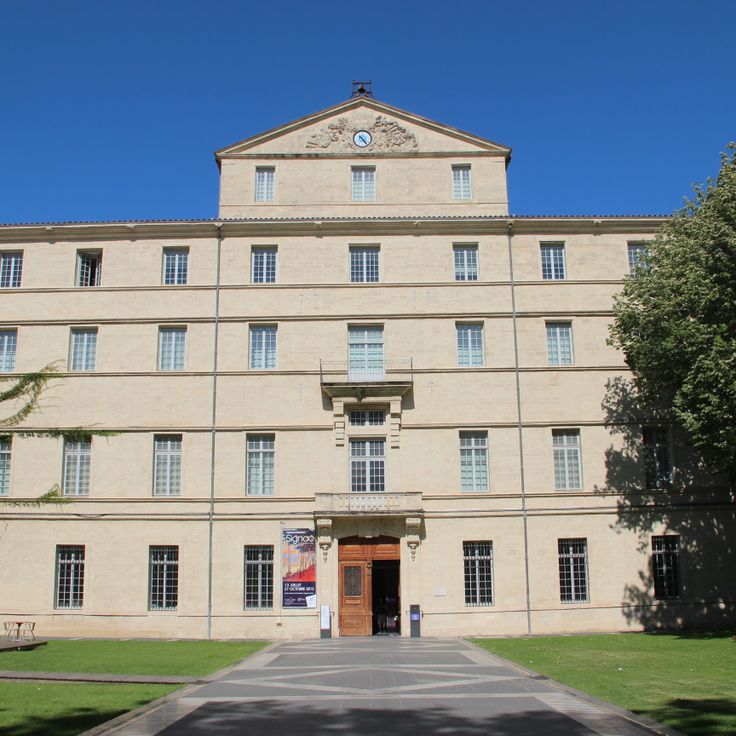
Montpellier, France
This art museum displays 800 artworks spanning seven centuries. The collection includes works from French painters Delacroix, Courbet, and Bazille among other European artists.
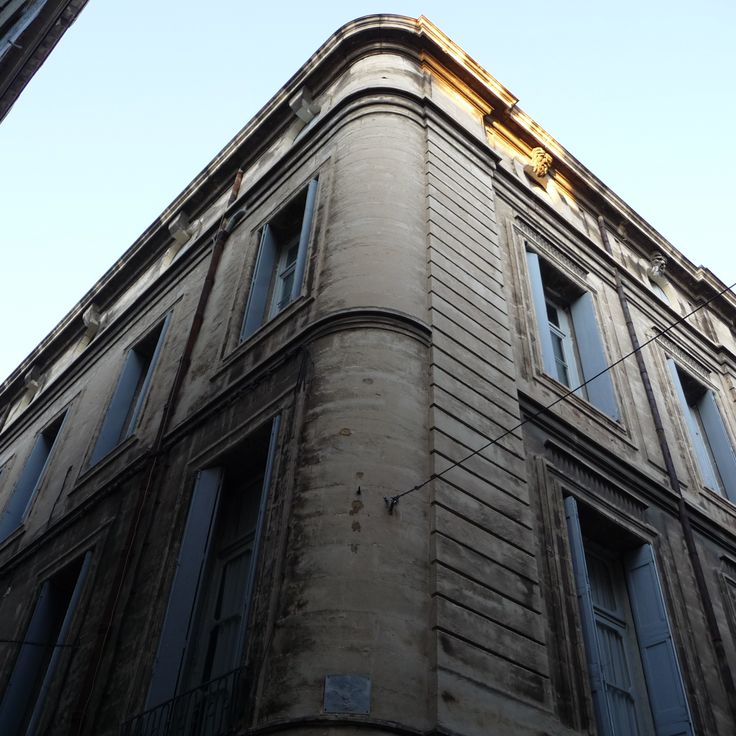
Montpellier, France
This mansion from the 1700s contains historical marble floors and detailed ceiling decorations. The interior features wall paintings and a central yard with stone columns.
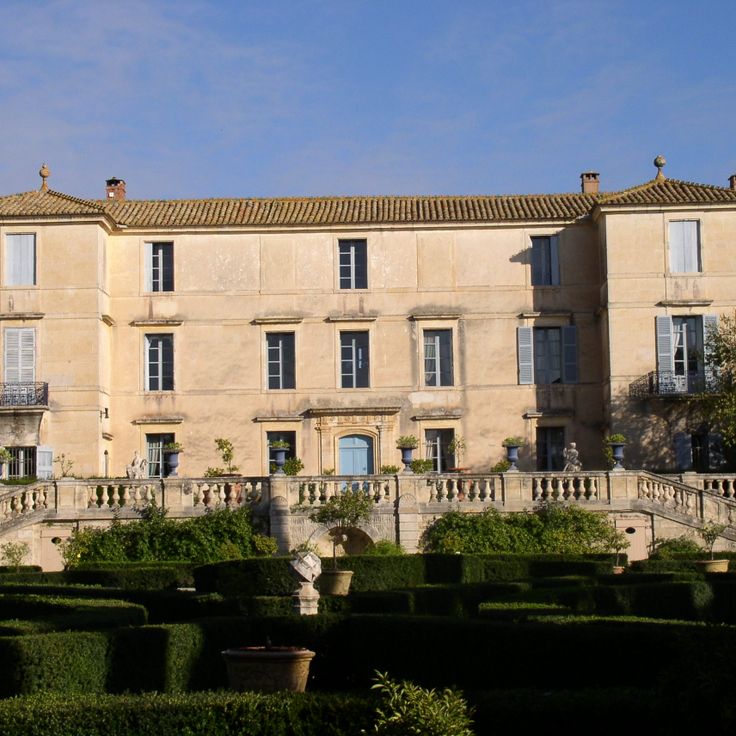
Montpellier, France
This 18th-century mansion features wine production facilities, period furniture, geometric gardens, and rooms containing historical artifacts and craftwork collections.
Montpellier, France
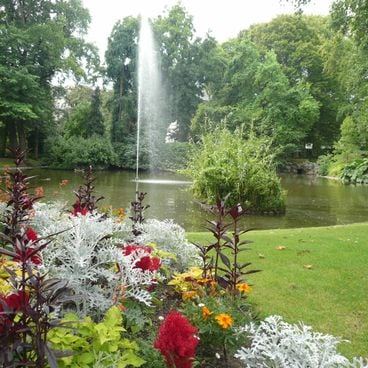
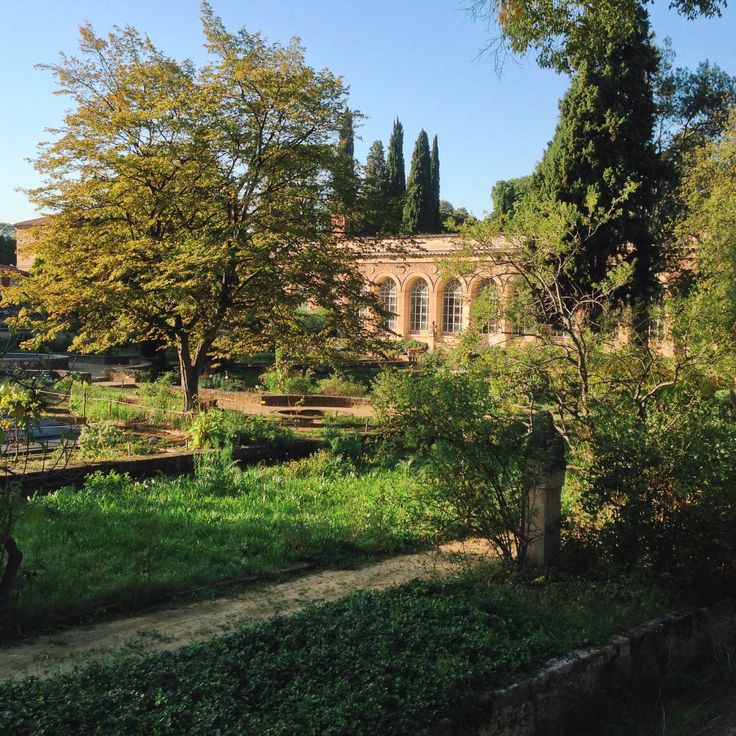
This university botanical garden from 1593 maintains a collection of 2500 plant species in historical greenhouses with marked educational paths.
Montpellier, France
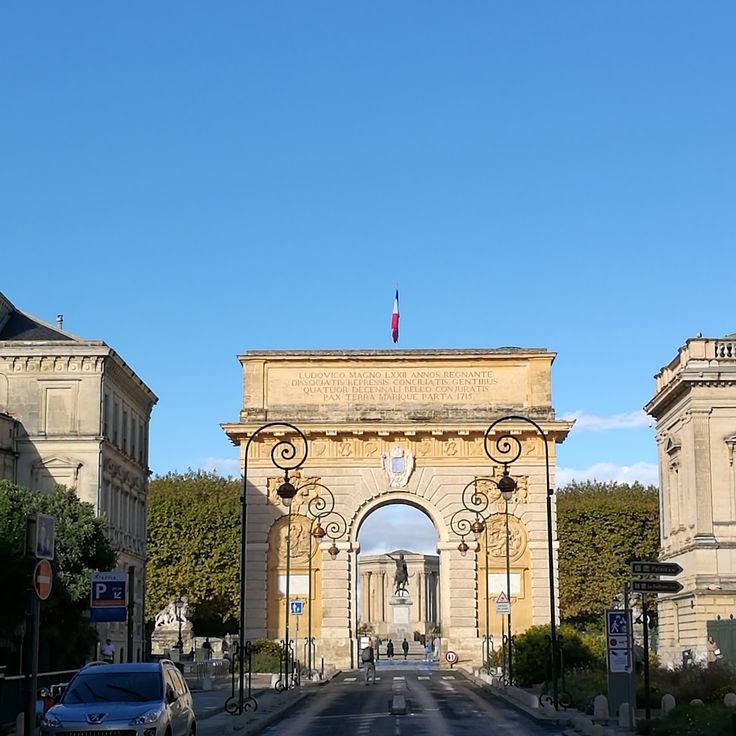
This triumphal arch from 1691 commemorates Louis XIV and stands at the entrance of an elevated terrace with views toward the Pyrenees mountains.
Montpellier, France
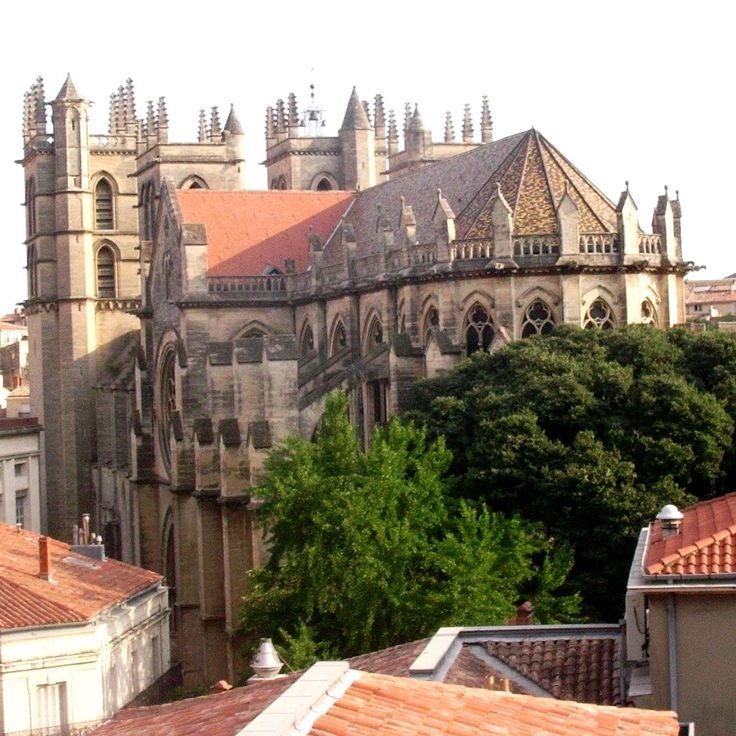
This Gothic cathedral from the 14th century features two circular towers reaching 45 meters and contains a central entrance adorned with sculptured figures.
Montpellier, France
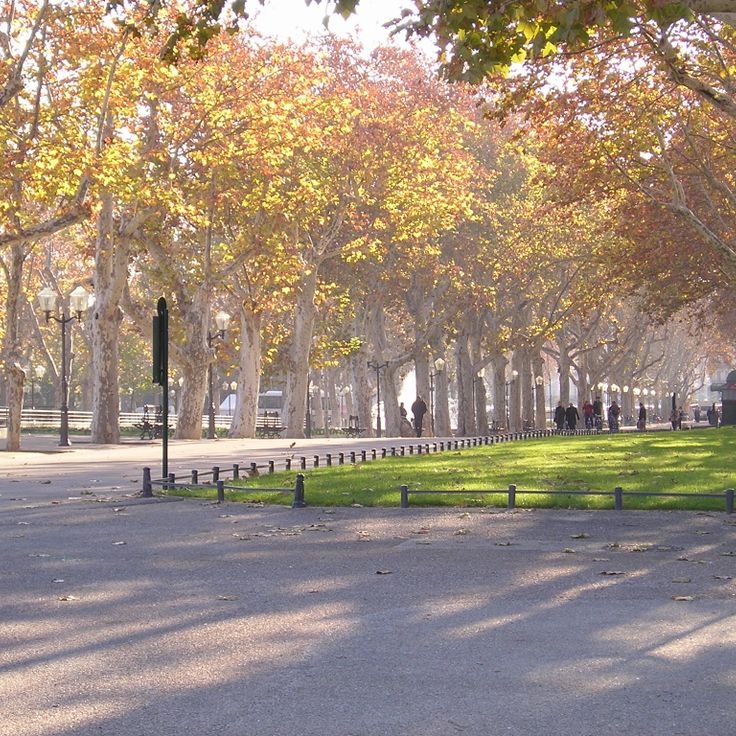
Central pedestrian corridor linking Place de la Comédie to the Corum cultural center. The path features two parallel lines of plane trees, water fountains and public seating.
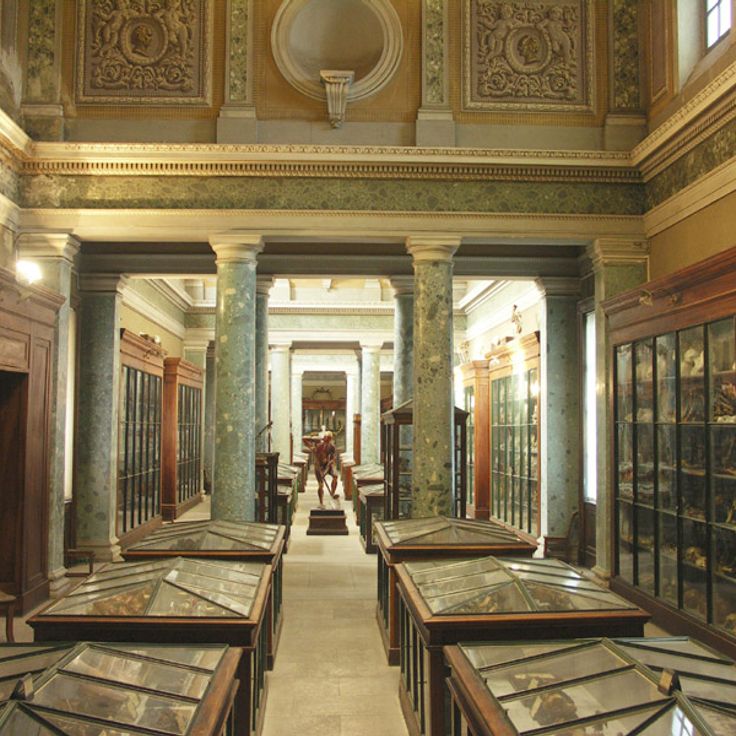
Montpellier, France
Medical museum exhibiting 13000 anatomical specimens and medical instruments from different periods. The collection includes educational wax models representing human organs and body parts.
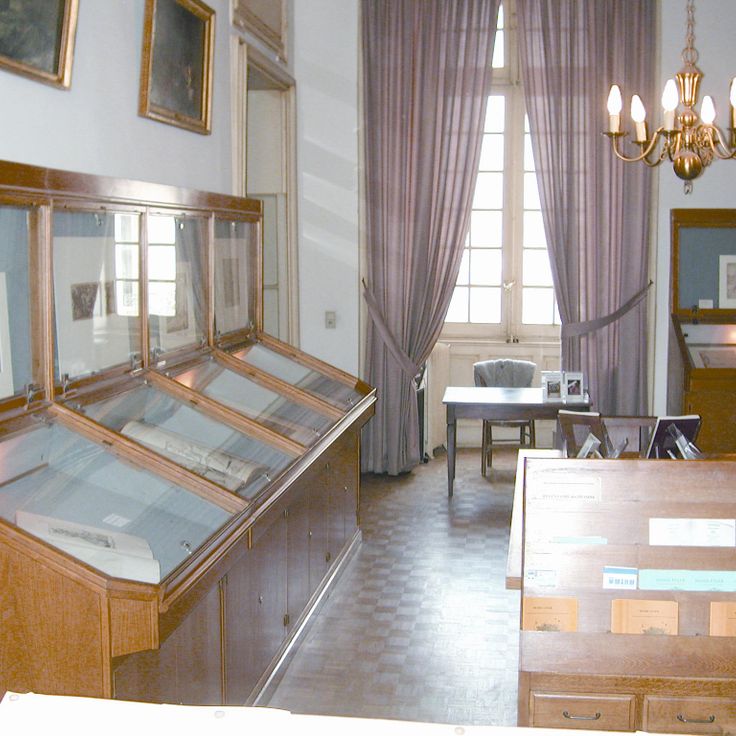
Montpellier, France
Art collection inside the medical faculty containing 1000 drawings and prints from 1400s to 1800s. Founded in 1813, it presents works from European artists.
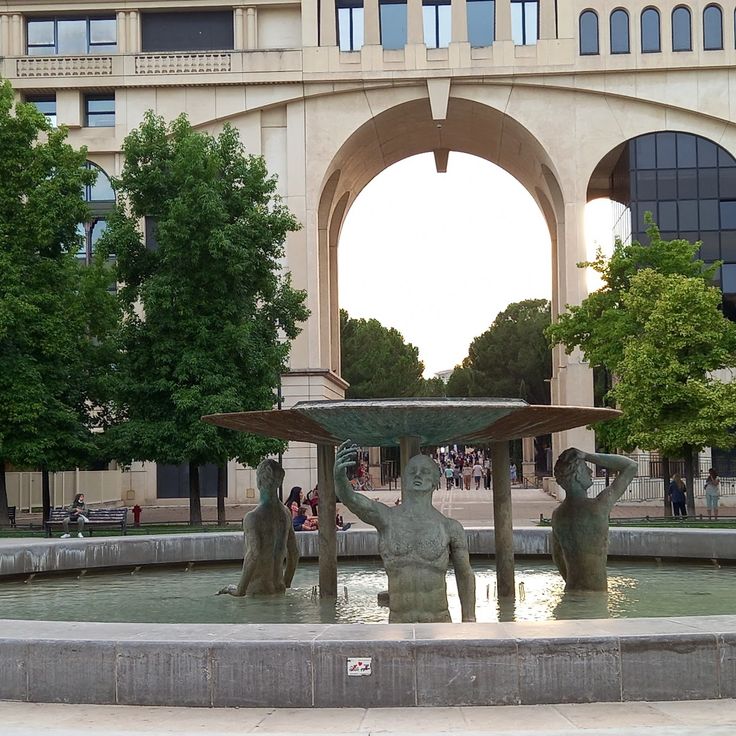
Montpellier, France
Residential area designed by Ricardo Bofill in neoclassical style. The district features symmetrical buildings with columns, open squares and decorative water elements.
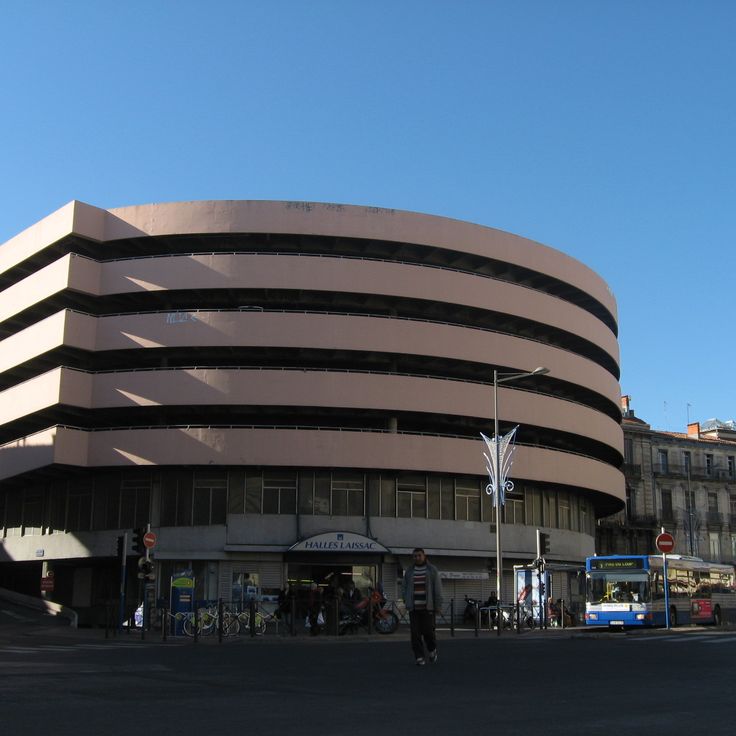
Montpellier, France
Modern circular building with 25 food vendors established in 2018. Local merchants sell fresh products including meats, cheeses, produce, and regional specialties.
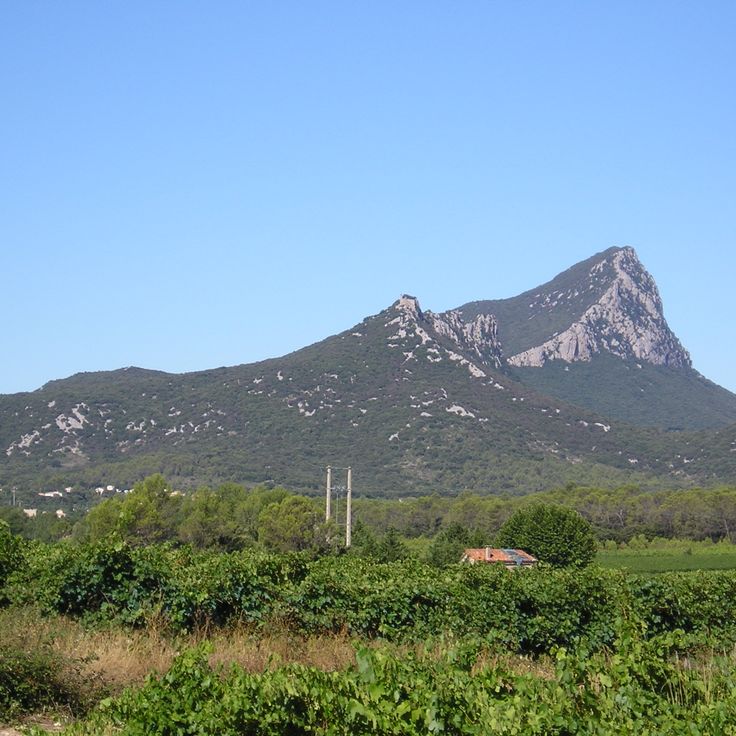
Cazevieille, France
Mountain peak reaching 658 meters in elevation with marked hiking paths. From the summit, hikers can observe the Mediterranean Sea and Cévennes range.
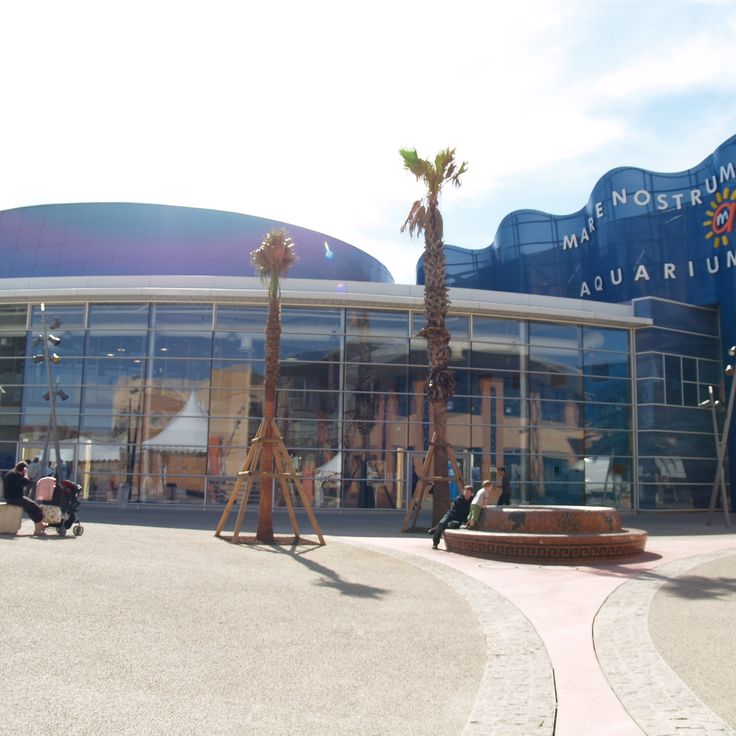
Montpellier, France
Marine center spanning 3500 square meters containing 400 species. The facility houses multiple tanks with sharks, jellyfish, coral reefs and tropical fish.
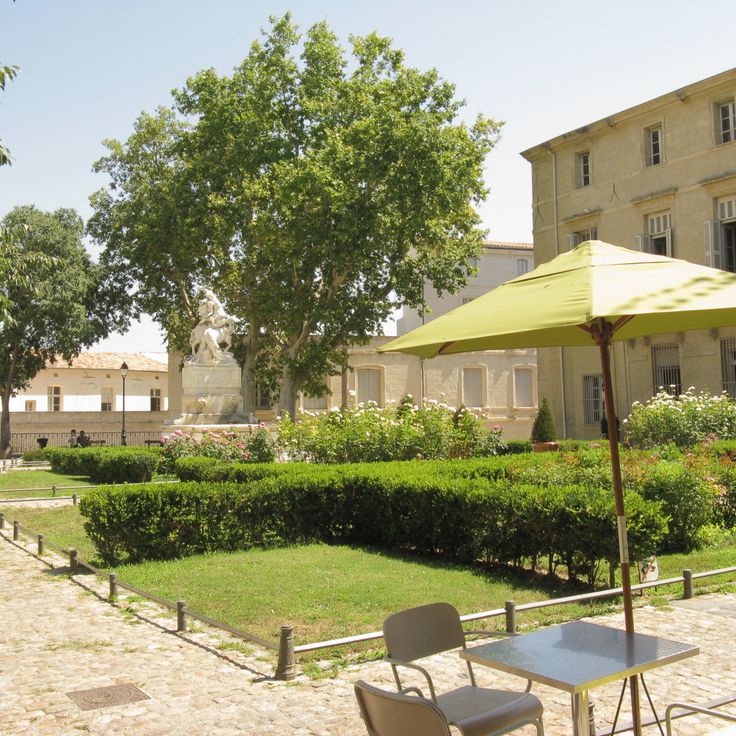
Montpellier, France
Square built in the 1600s featuring mansions with stone facades. The central gardens contain mature trees and overlook the old town buildings.
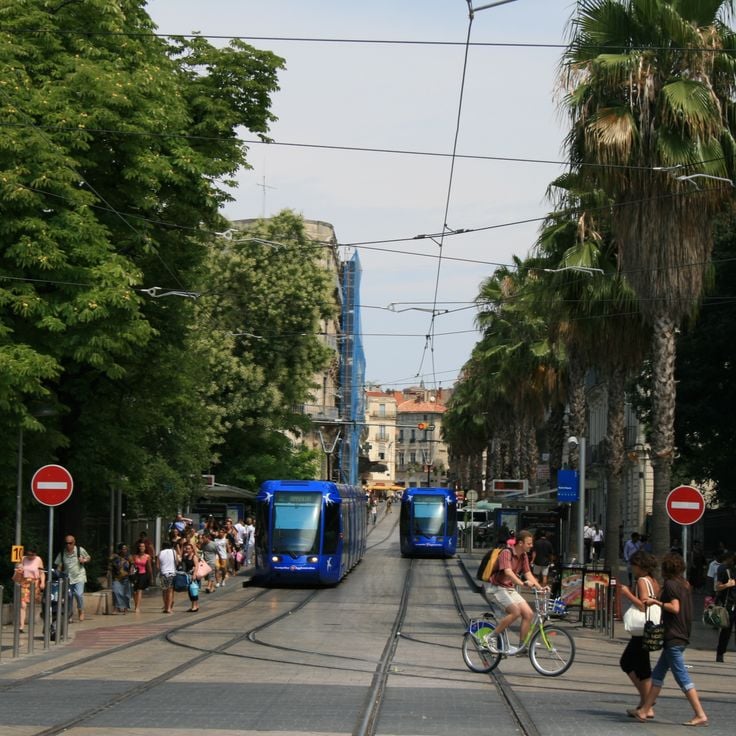
Montpellier, France
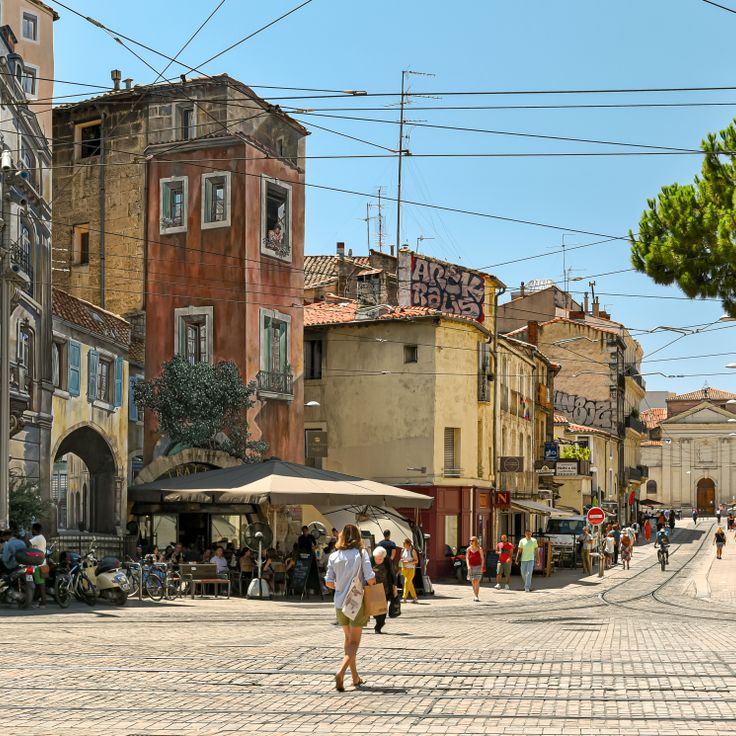
The cobblestone streets of this medieval neighborhood contain independent shops and local restaurants. Stone buildings from the 1600s border the narrow lanes.
Montpellier, France
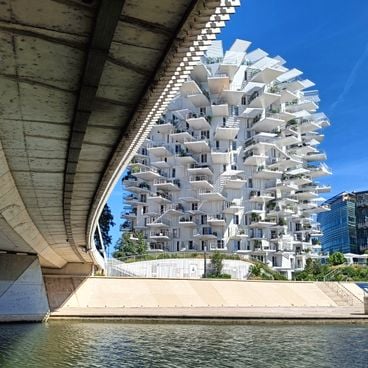
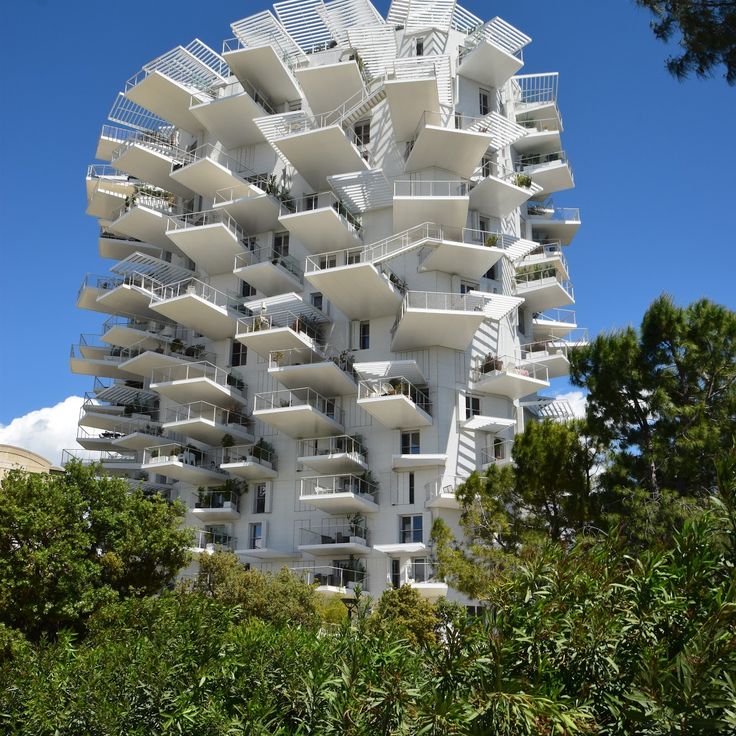
The 2019 residential tower rises 17 floors with distinctive white balconies extending at various angles. A rooftop restaurant offers views across the city.
Montpellier, France
The stone fountain stands in the center of this square from the 1800s. Cafes with outdoor seating line the perimeter bordered by Haussmann architecture.
Montpellier, France
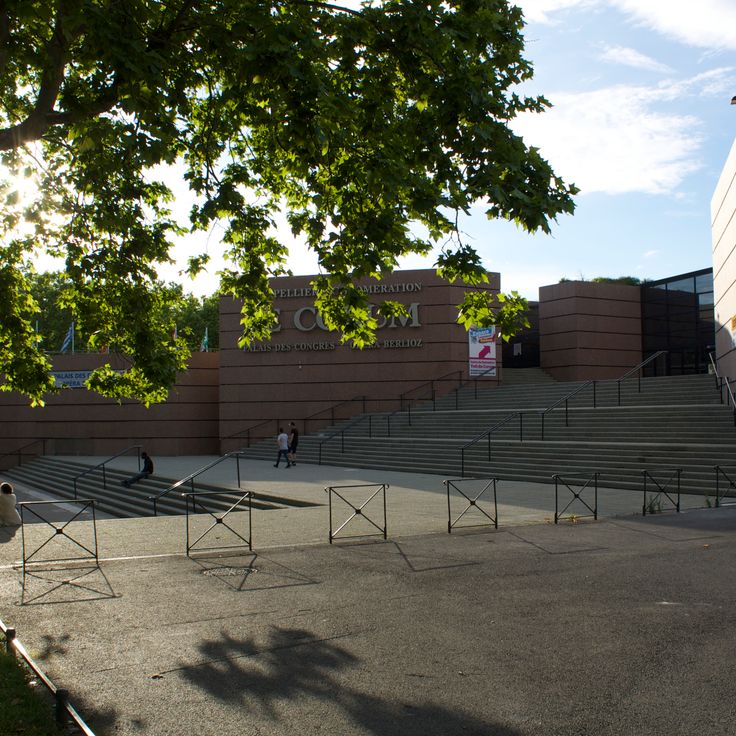
The pink granite building contains the Berlioz Opera hall with 2000 seats. Multiple conference rooms host cultural programs and professional events year round.
Montpellier, France
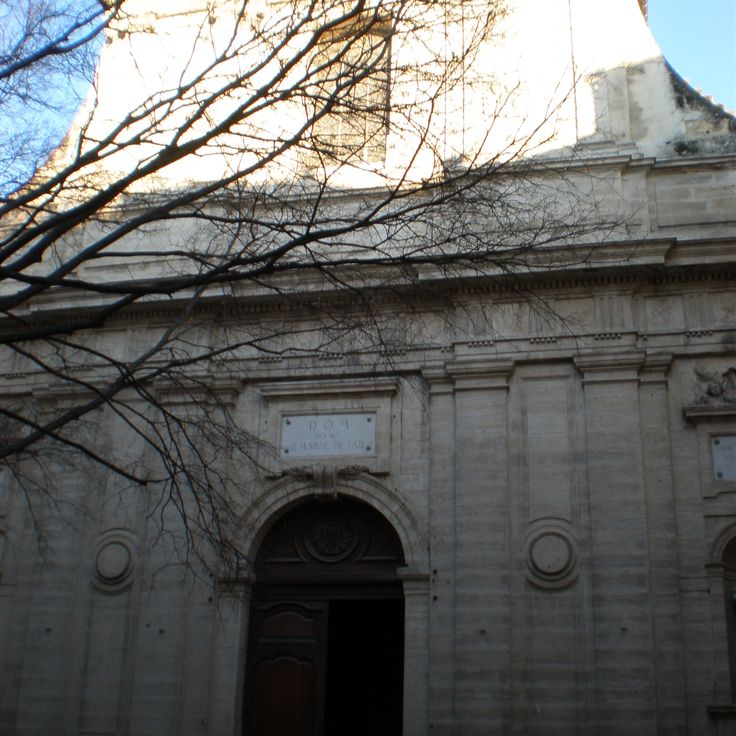
A church built in 1707 with a central nave and several side chapels. The interior features stained glass windows while the exterior displays neoclassical architectural elements.
Montpellier, France
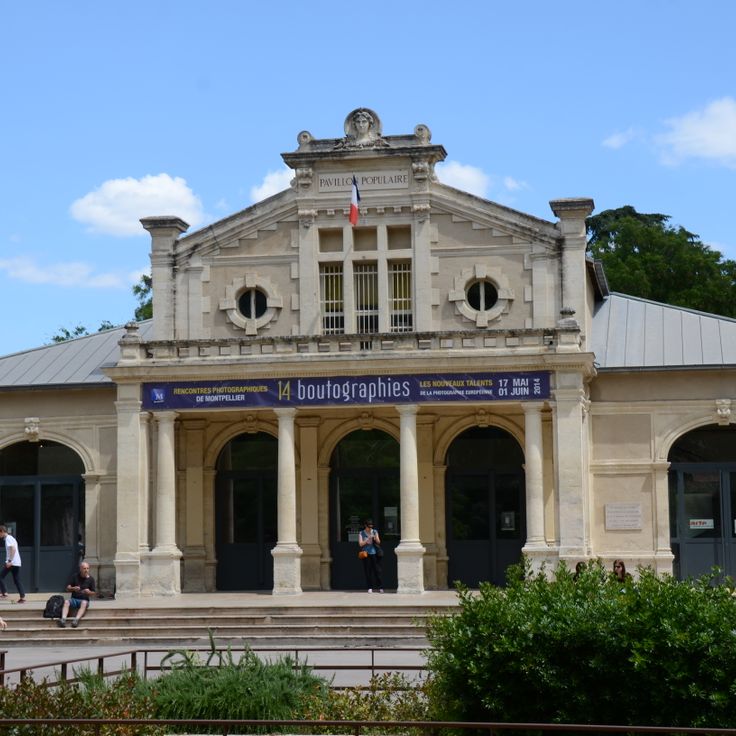
A neoclassical building in central Montpellier dedicated to photography exhibitions. The venue offers free entry and presents different collections throughout the year.
Montpellier, France
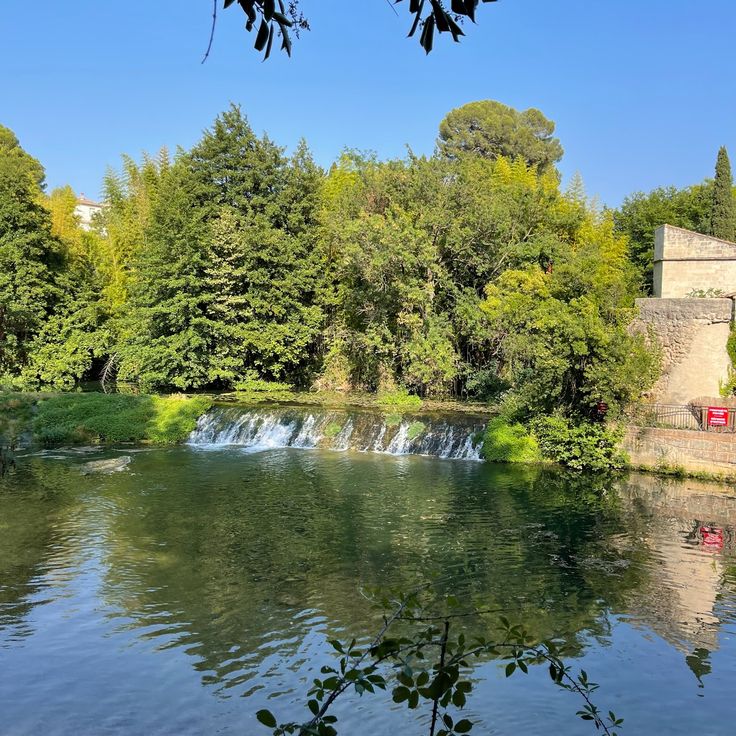
This 12-hectare green space contains gardens, fruit trees and natural zones. The park includes a 19th-century house positioned along the Lez river.
Montpellier, France
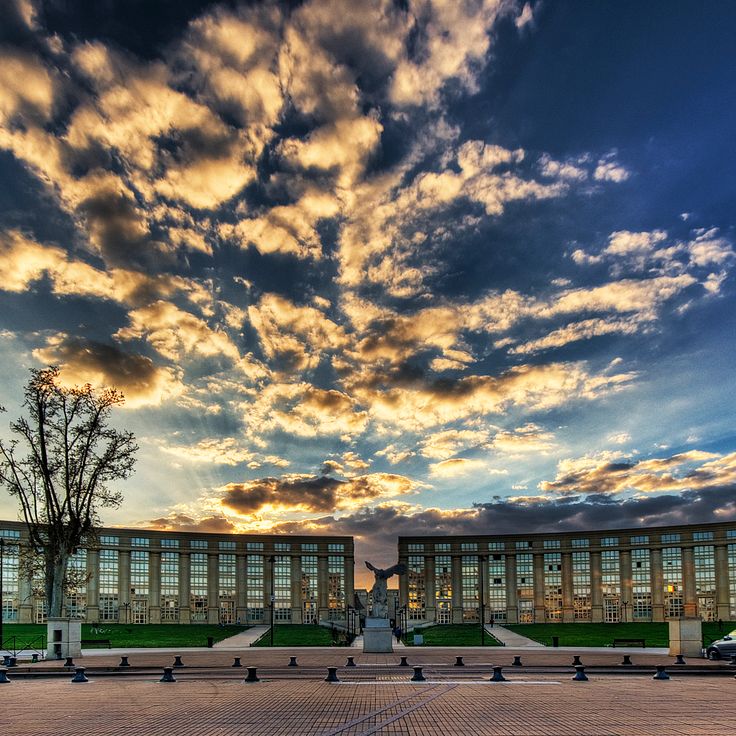
This 230-meter square in the Antigone district features neoclassical buildings on its sides. The space includes multiple water fountains and public seating areas.
Montpellier, France
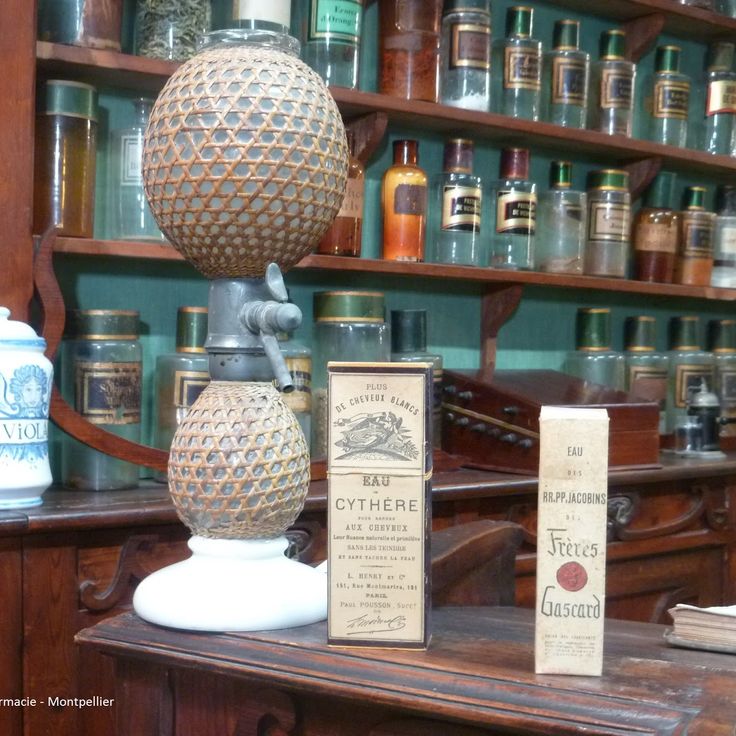
Historical collections feature medical equipment, apothecary containers and tools that document pharmaceutical practices from the 1500s to the 1900s.
Montpellier, France
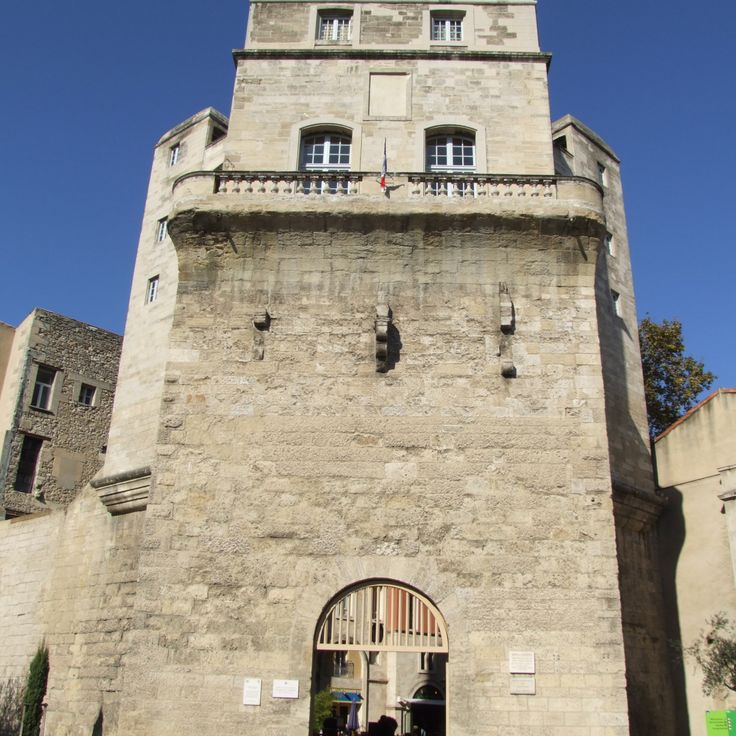
Medieval defense structure from 1200s later converted for astronomical studies in 1700s, marking the beginning of French astronomical society operations.
Montpellier, France
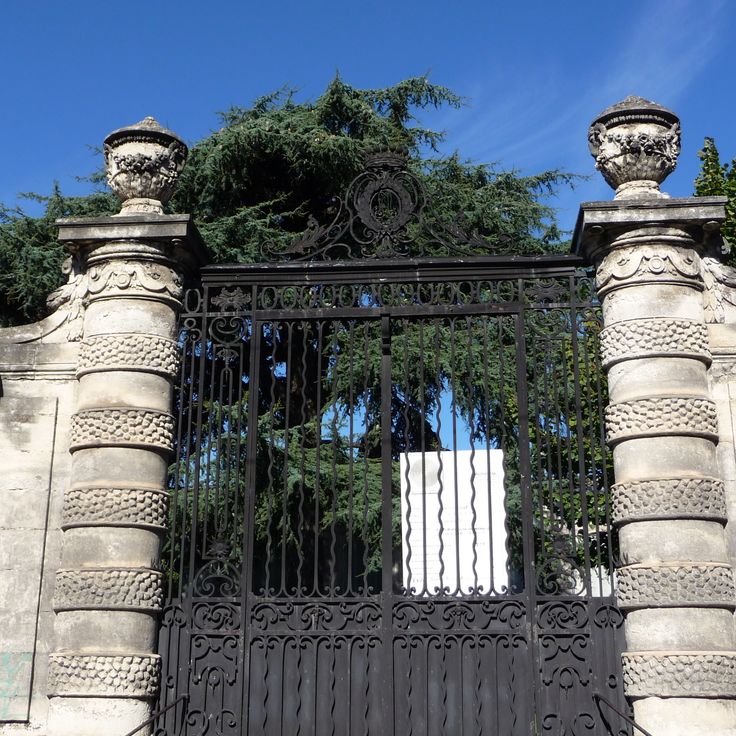
Private mansion from 1751 designed by architect Jean Antoine Giral features garden levels and rococo architectural elements throughout the structure.
Montpellier, France
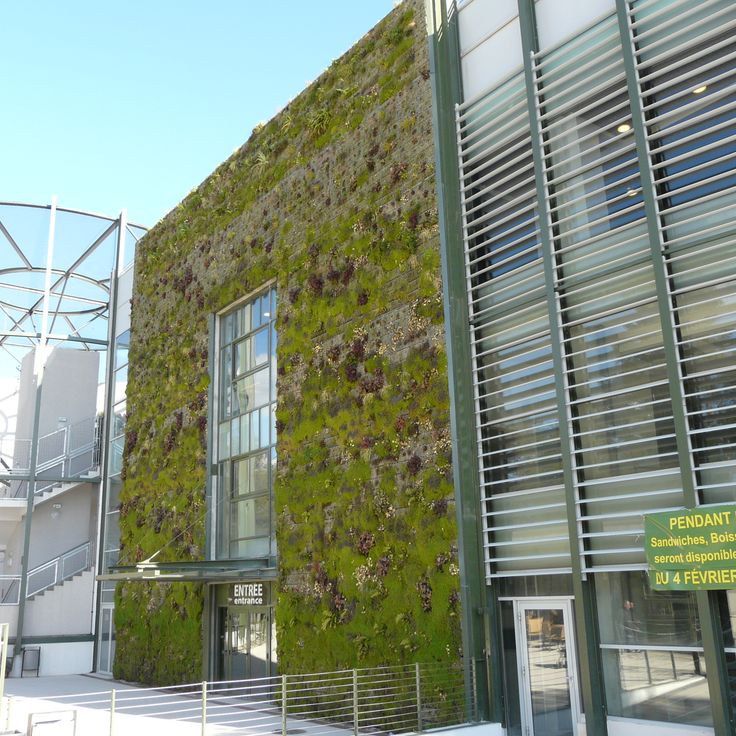
Free entrance zoo extends over 60 hectares in north Montpellier with enclosures for 100 different animal species.
Montpellier, France
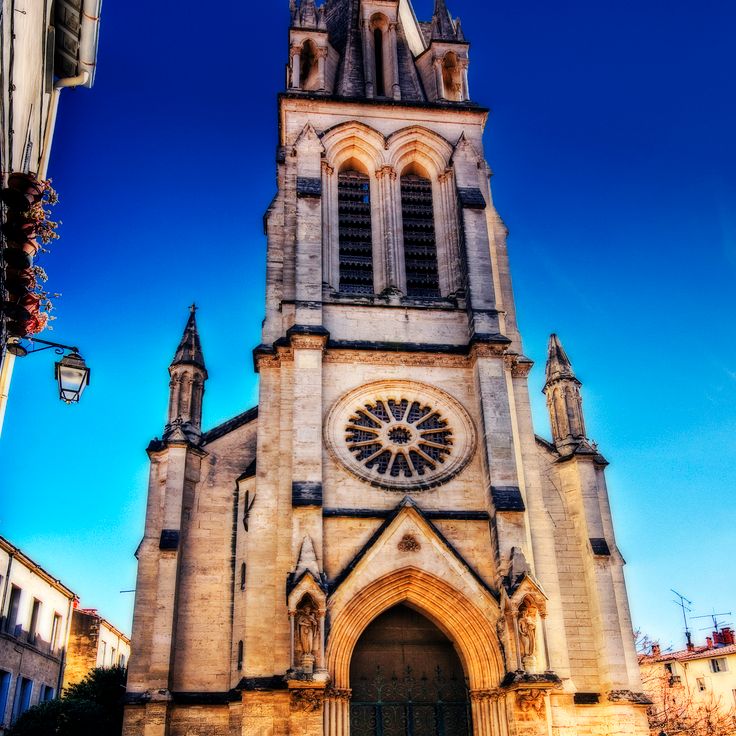
Art exhibition venue located in a neo-Gothic former church built in 1869. The building underwent interior renovations in 2019 to accommodate modern exhibitions.
Montpellier, France
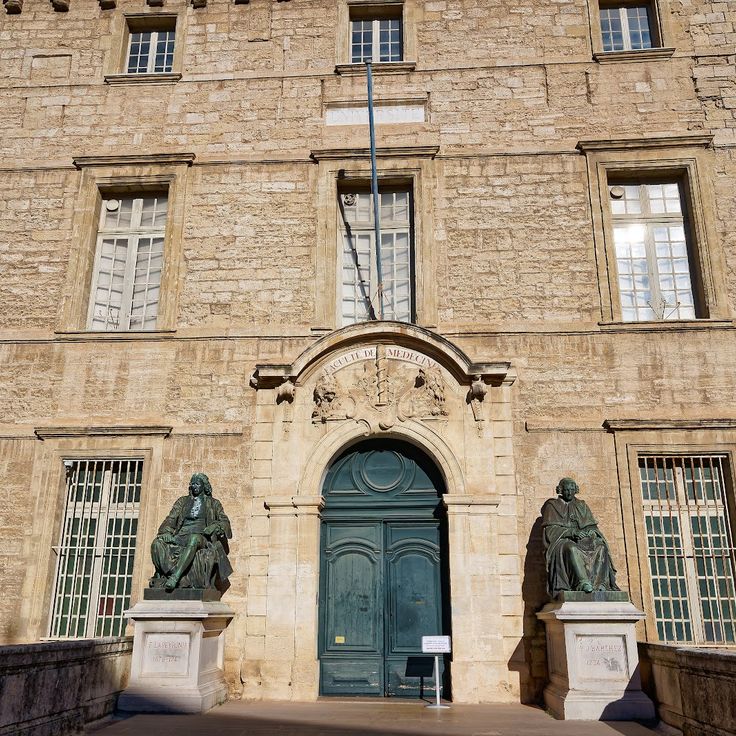
Historic medical school established in 1220 within a former Benedictine monastery. The complex contains a medieval chapel and educational botanical gardens.
Montpellier, France
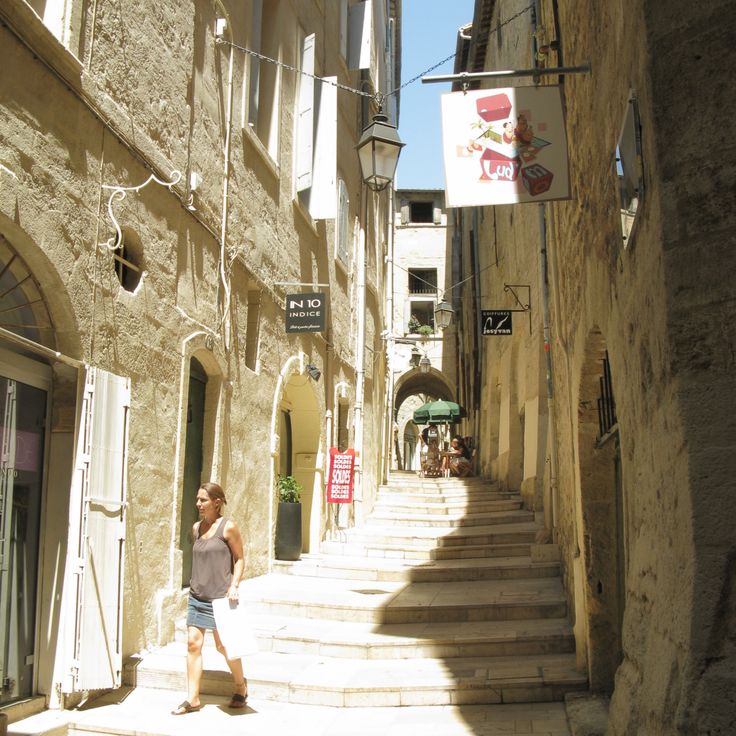
Medieval street from the 13th century that maintains its original architecture. Notable features include ornate stone staircases and traditional masonry.