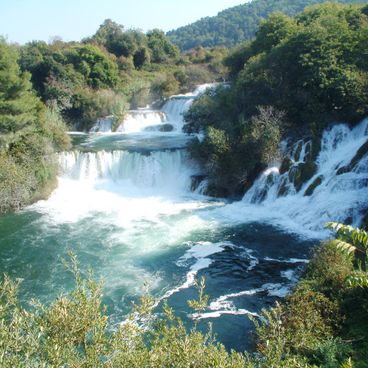
Bosnia and Herzegovina features medieval fortresses, monasteries, and mosques, reflecting its multicultural history. The country also has mountains, lakes, waterfalls, and national parks. Historical sites include the Mostar Bridge, Sarajevo Bazaar, and Pliva Mills. The monuments show Ottoman, Austro-Hungarian influences, and diverse religious architecture. Natural landscapes include Mount Maglić, Kravice Waterfalls, and Vrelo Bosne Park.
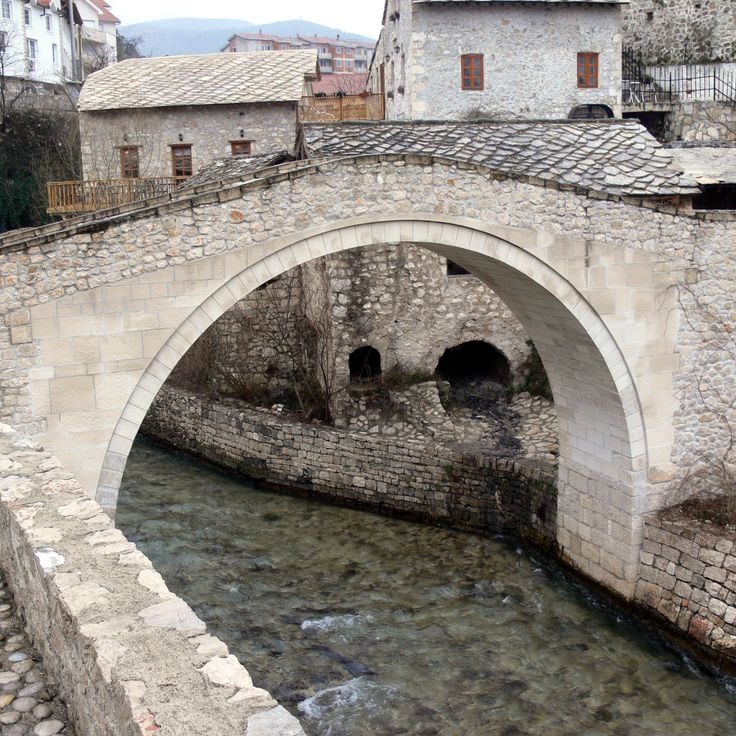
Mostar, Bosnia and Herzegovina
A 16th-century stone construction destroyed in 1993 during the war and rebuilt using traditional Ottoman techniques in 2004.
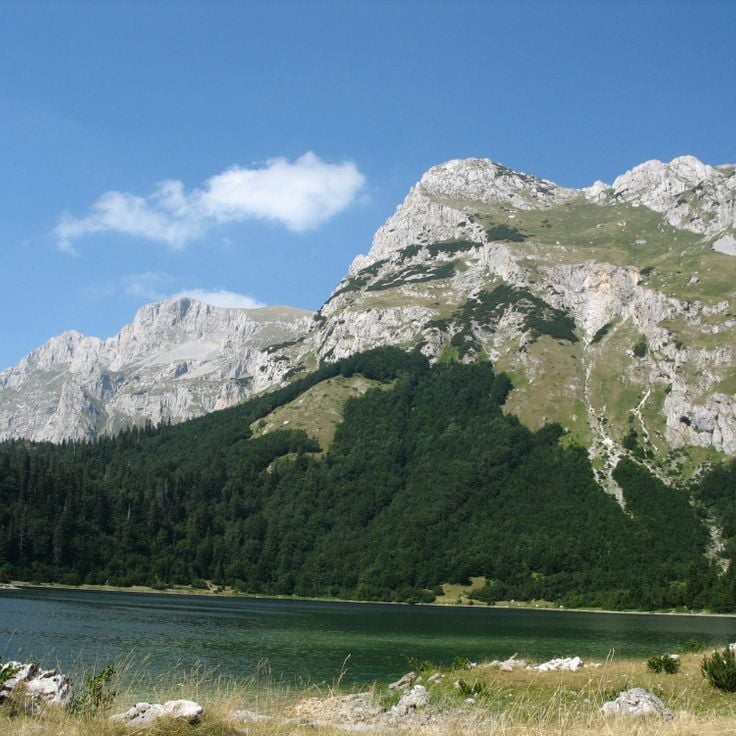
Sutjeska National Park, Bosnia and Herzegovina
A mountain reaching an altitude of 2,386 meters, located in Sutjeska National Park, surrounded by pine forests and glacial lakes.
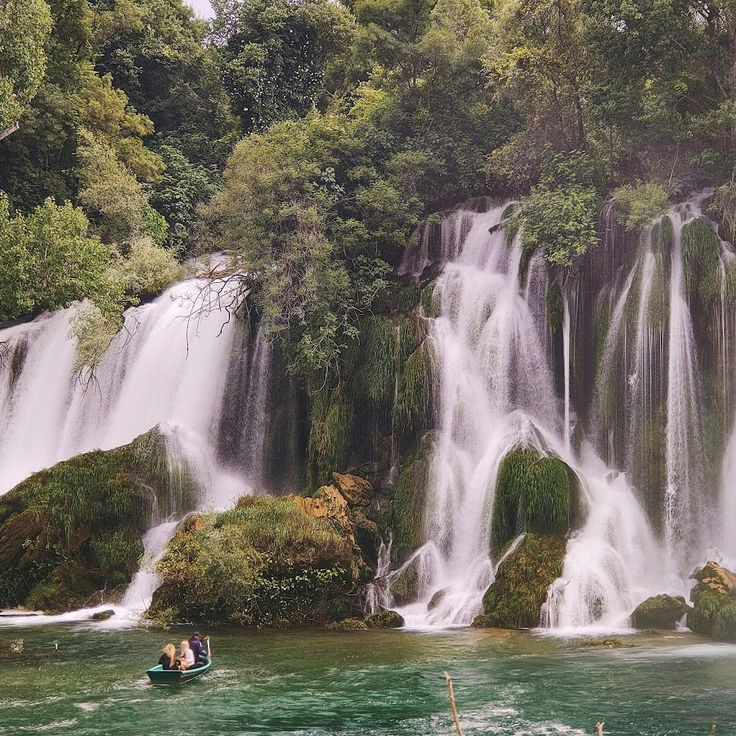
Ljubuški, Bosnia and Herzegovina
A series of natural waterfalls on the Trebižat River, measuring 120 meters wide and 25 meters high, forming a natural amphitheater.
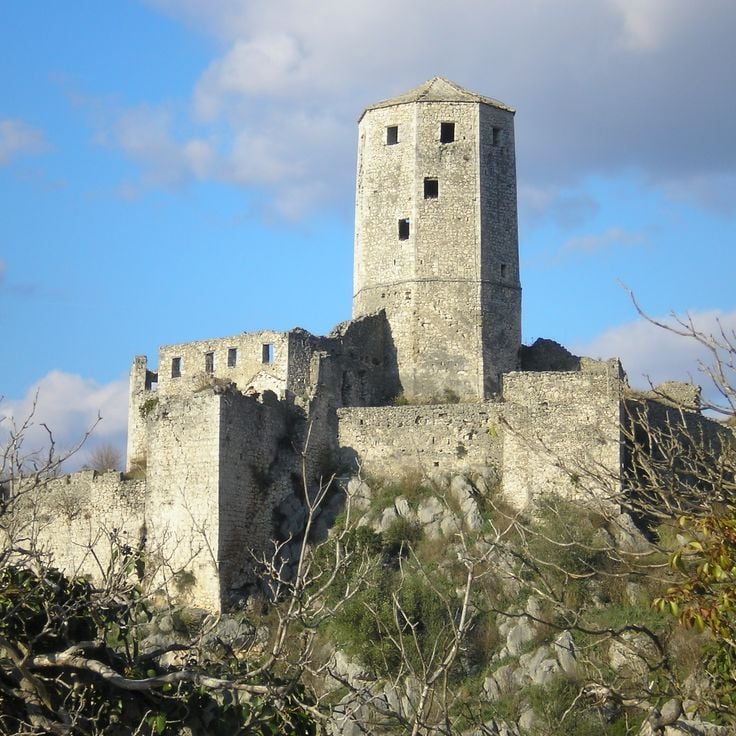
Počitelj, Bosnia and Herzegovina
A medieval architectural complex built in the 15th century comprising walls, a watchtower, a mosque, and traditional stone houses.
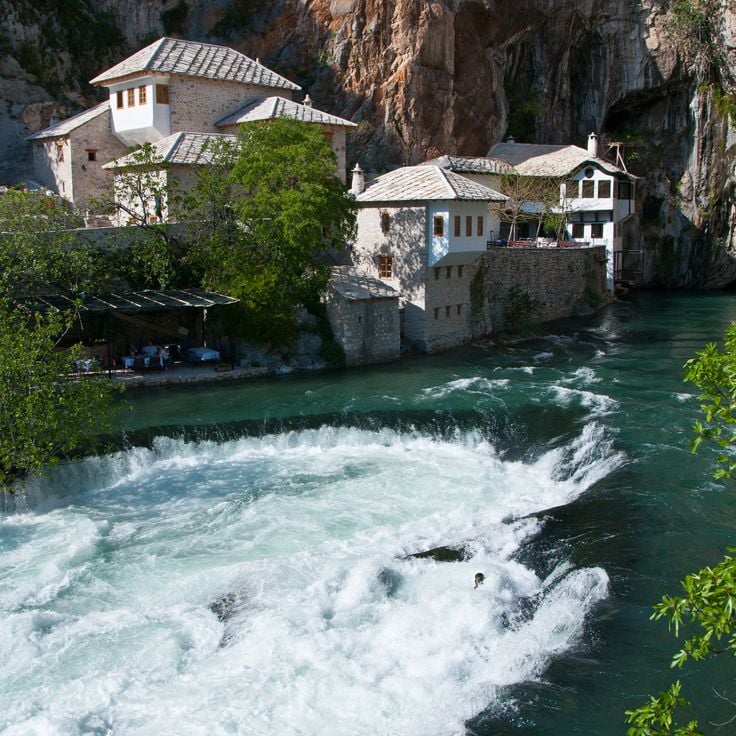
Blagaj, Bosnia and Herzegovina
A white dervish monastery built against a limestone cliff near the source of the Buna River. The building dates from the sixteenth century.
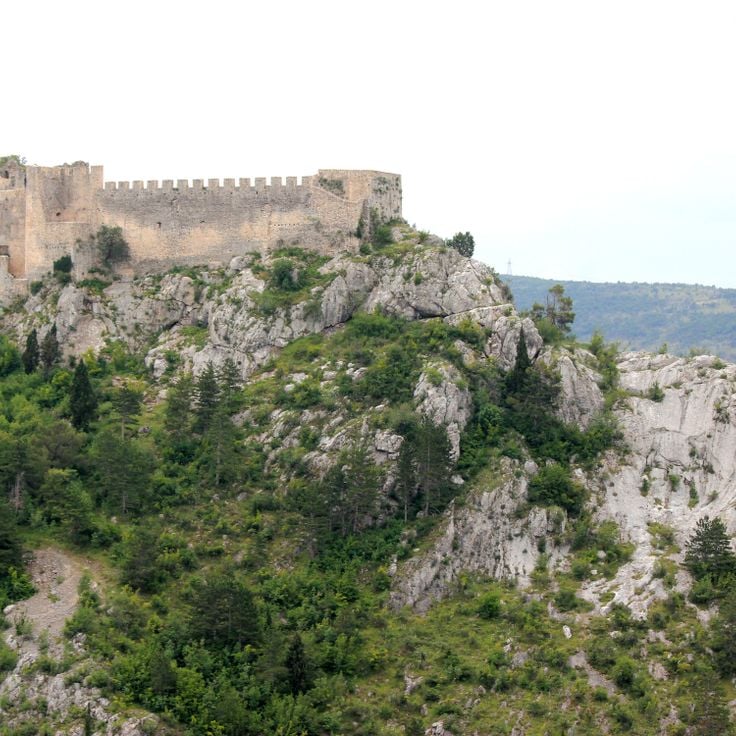
Blagaj, Bosnia and Herzegovina
A medieval fortress built in the tenth century on a hill 310 meters high. The outer walls measure 440 meters long.
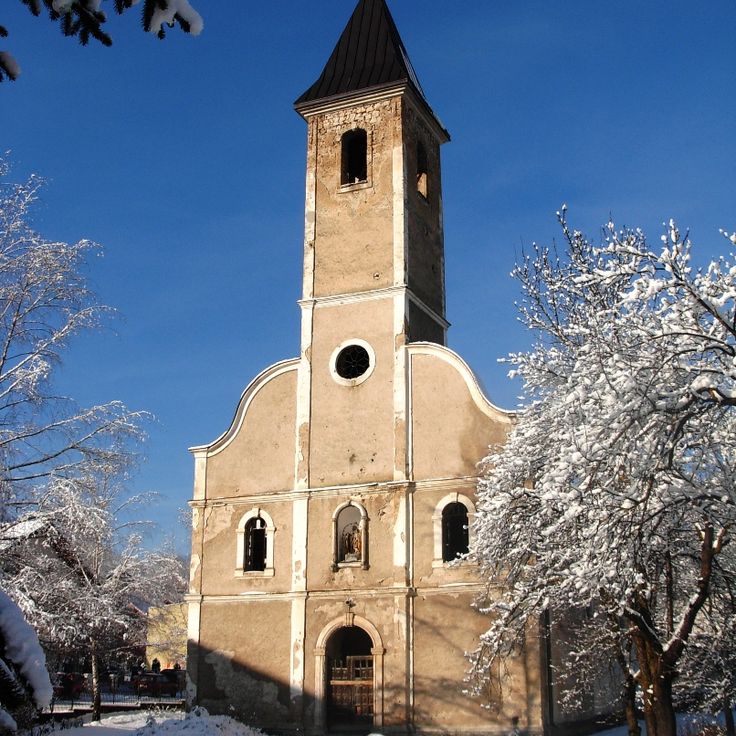
Međugorje, Bosnia and Herzegovina
A parish church built in 1969 that became a Catholic pilgrimage center after reported Marian apparitions in 1981.
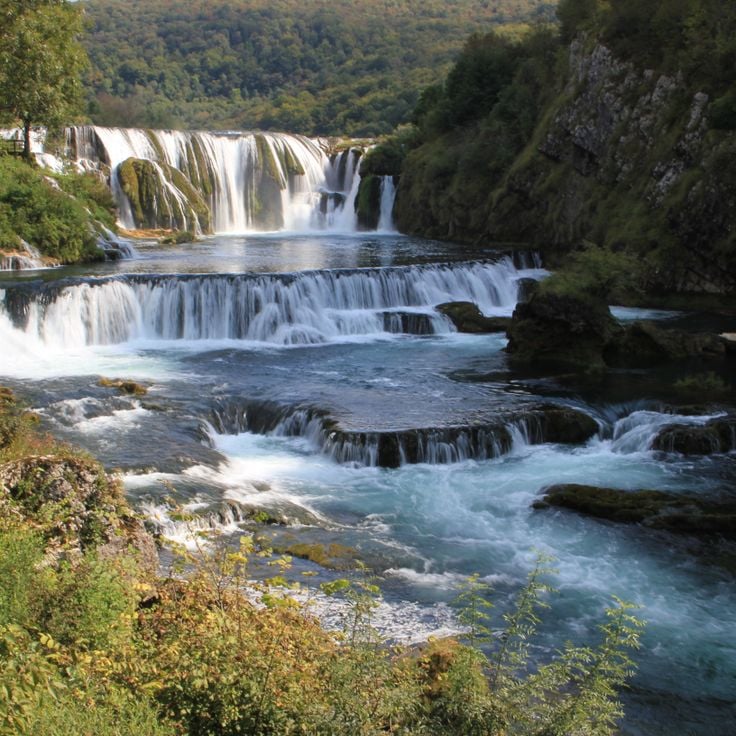
Una National Park, Bosnia and Herzegovina
A waterfall 24.5 meters high located on the Una River, marking the natural border between Bosnia and Croatia.
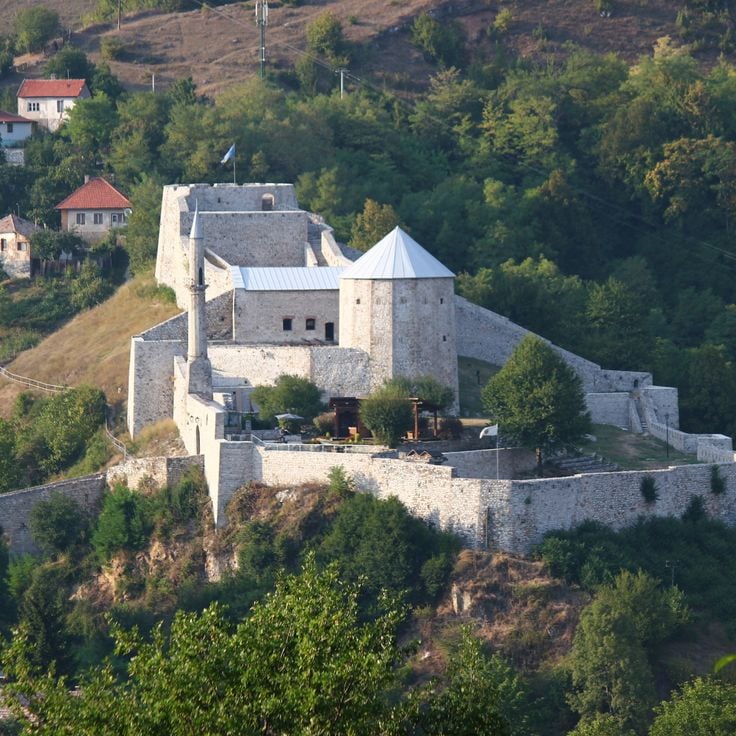
Travnik, Bosnia and Herzegovina
A military structure built on a hill in the 14th century, featuring fortified walls, defensive gates, and a strategic position overlooking the town.
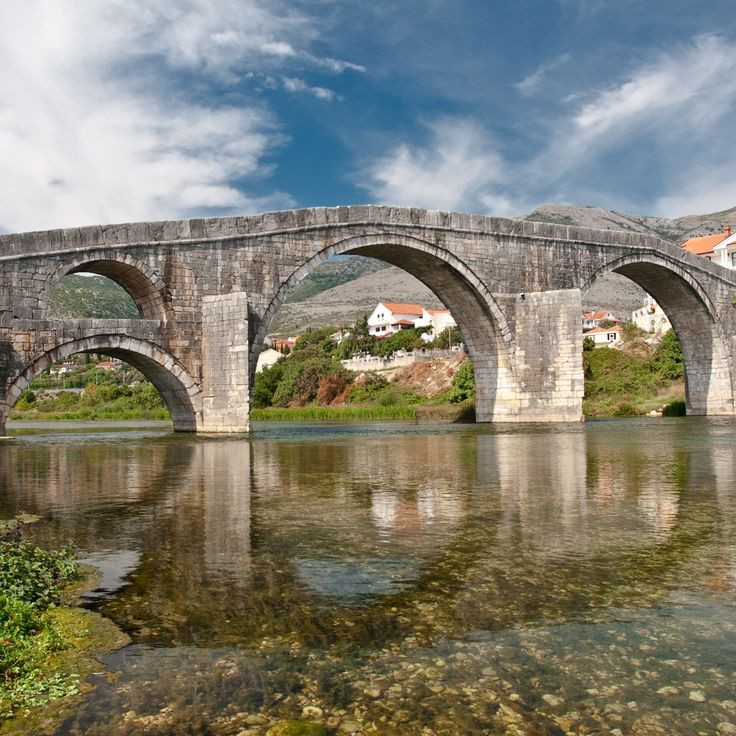
Trebinje, Bosnia and Herzegovina
A 16th-century stone bridge with several arches spanning the Trebišnjica River. It is 92 meters long and 3.6 meters wide.
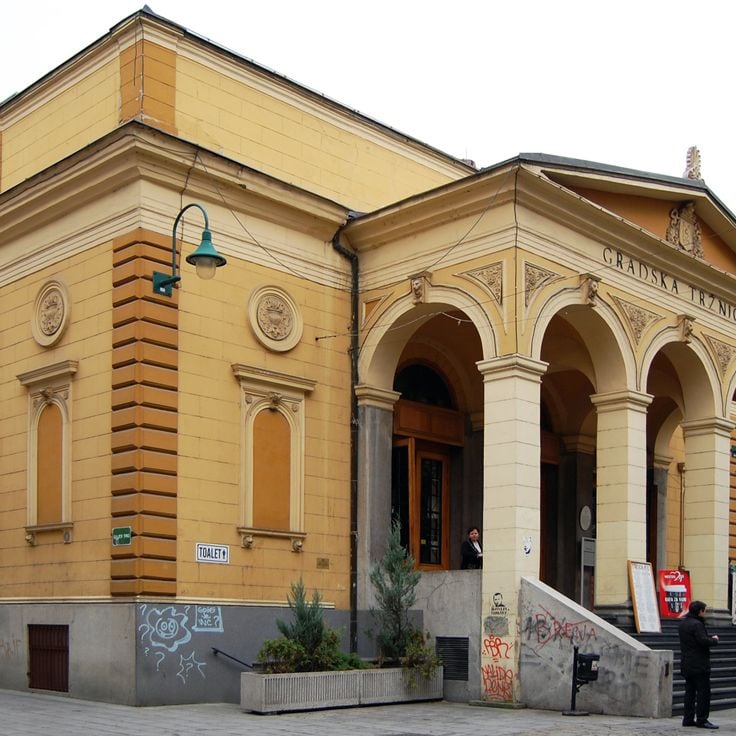
Sarajevo, Bosnia and Herzegovina
A covered market built in 1895 with Austro-Hungarian architecture. The central building hosts stalls of fruits, vegetables, and local products.
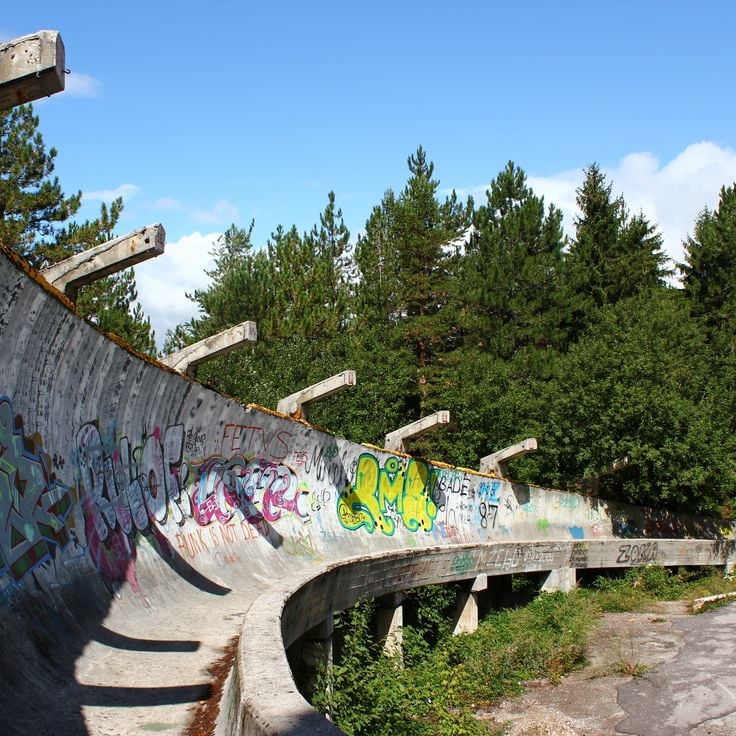
Sarajevo, Bosnia and Herzegovina
A 1300-meter-long track built for the 1984 Winter Olympics. The concrete track winds through the forest of Mount Trebević.
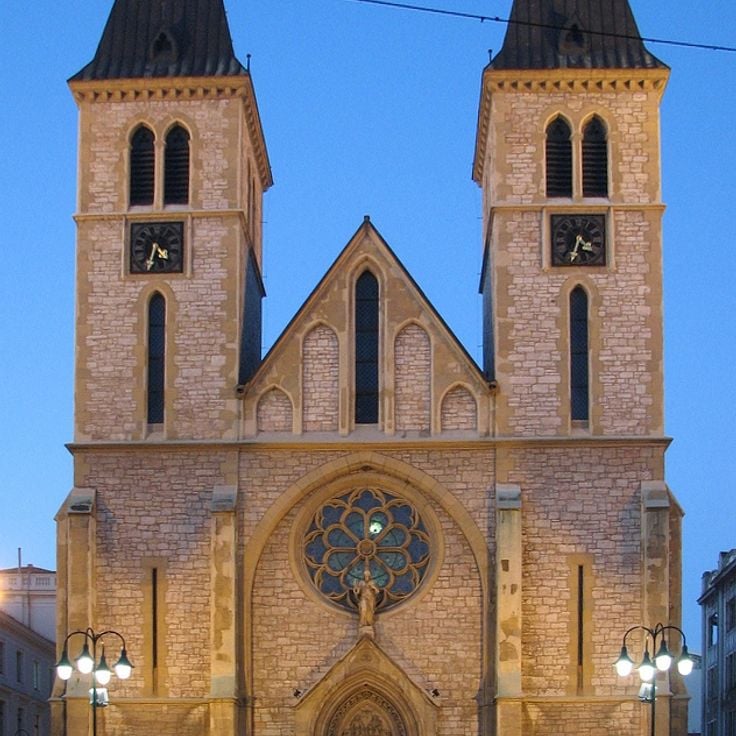
Sarajevo, Bosnia and Herzegovina
Religious building constructed in 1889 in neo-gothic style, featuring two 43-meter bell towers and colored stained glass windows.
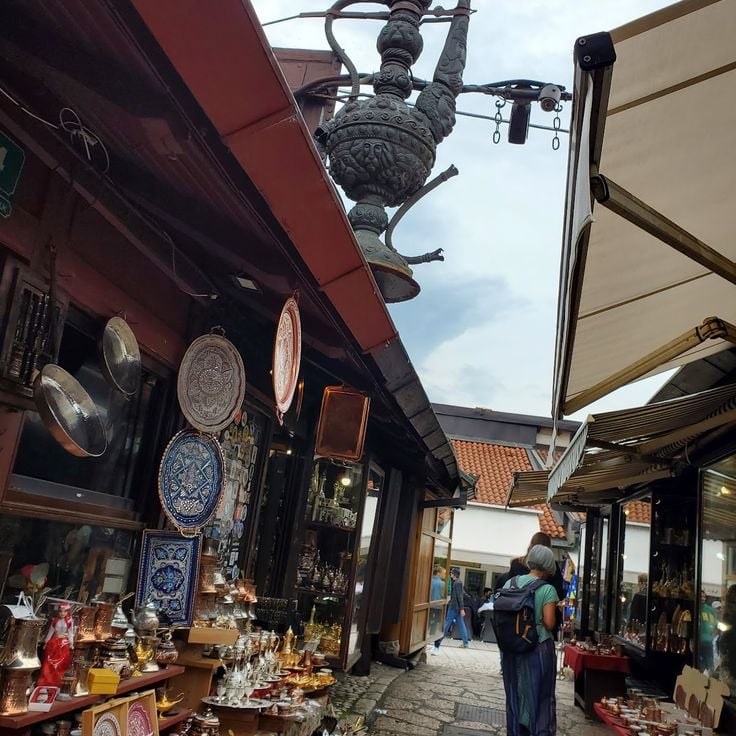
Sarajevo, Bosnia and Herzegovina
15th century market containing over 2000 shops distributed across narrow cobblestone streets with traditional trade activities.
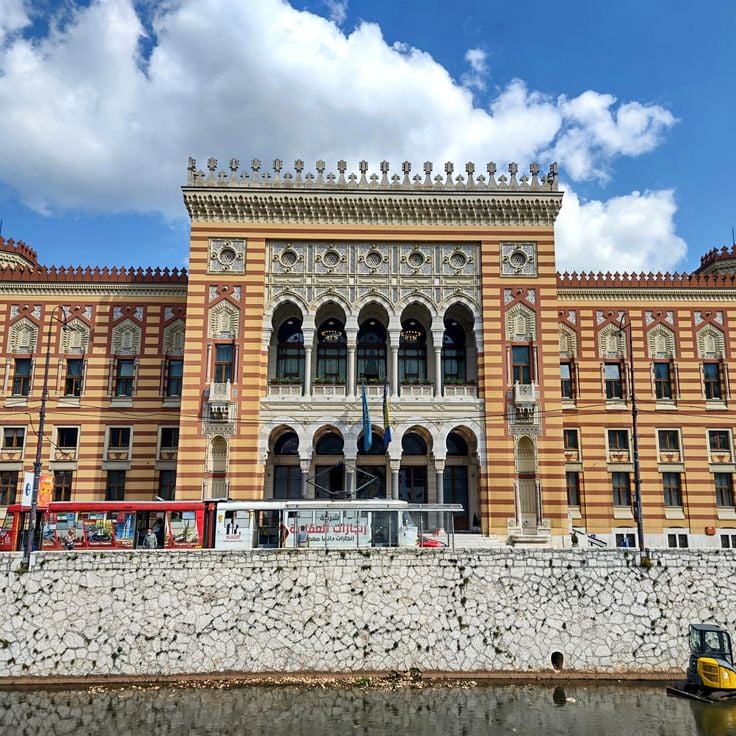
Sarajevo, Bosnia and Herzegovina
Municipal building constructed between 1892 and 1894, combining Austro-Hungarian architecture with oriental decorative elements.
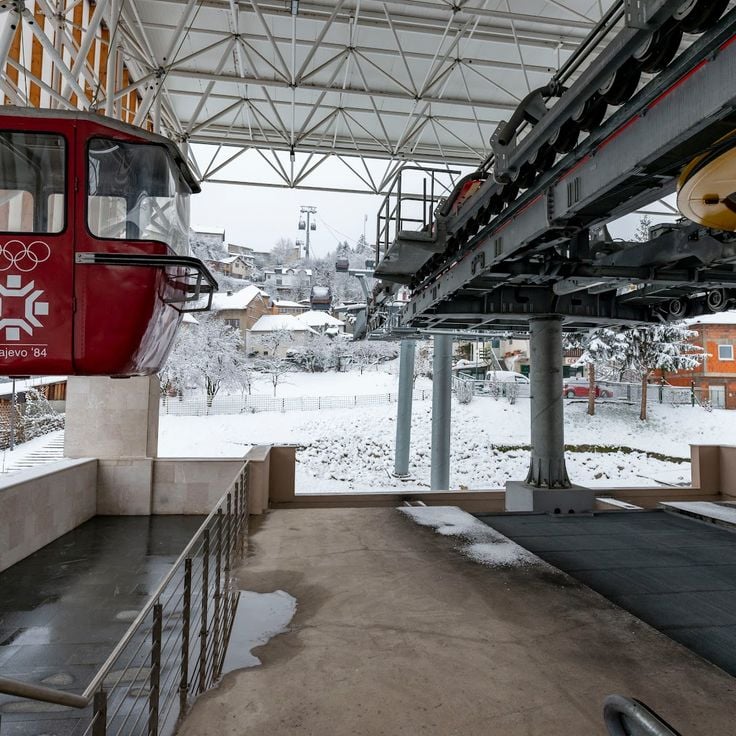
Sarajevo, Bosnia and Herzegovina
Cable transport system rebuilt in 2018 connecting the city center to Mount Trebević, covering a distance of 2.1 kilometers.
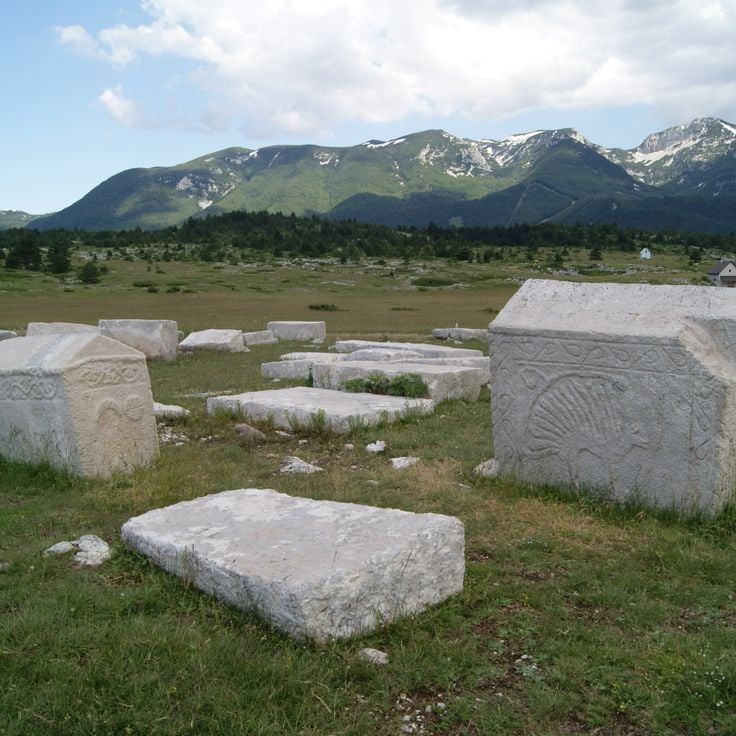
Blidinje Nature Park, Bosnia and Herzegovina
A 14th-century medieval cemetery containing 150 monumental stećci tombstones carved in limestone, located in a valley at 1200 meters altitude.
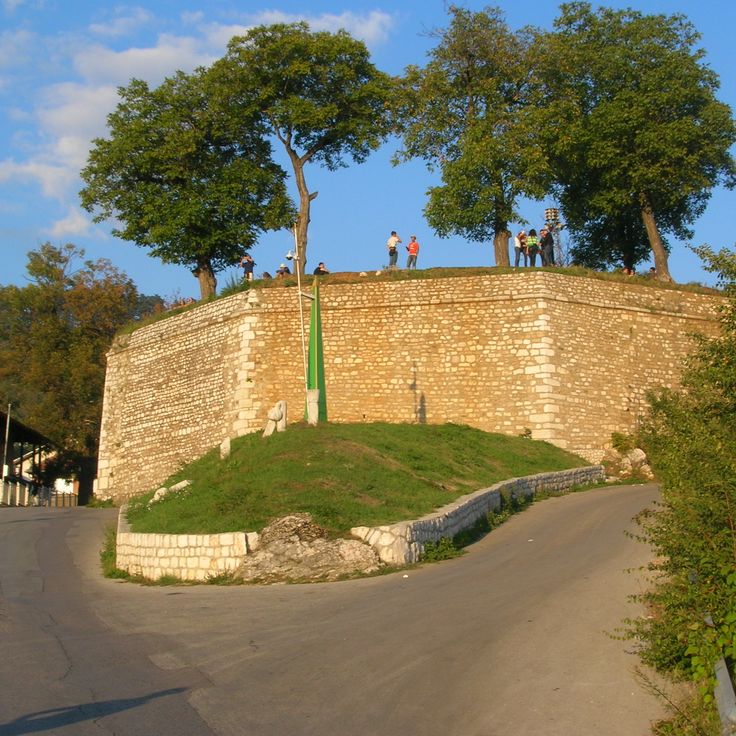
Sarajevo, Bosnia and Herzegovina
An 18th-century military fortification on the heights of Sarajevo, offering a view of the city. The fort served to defend the city.
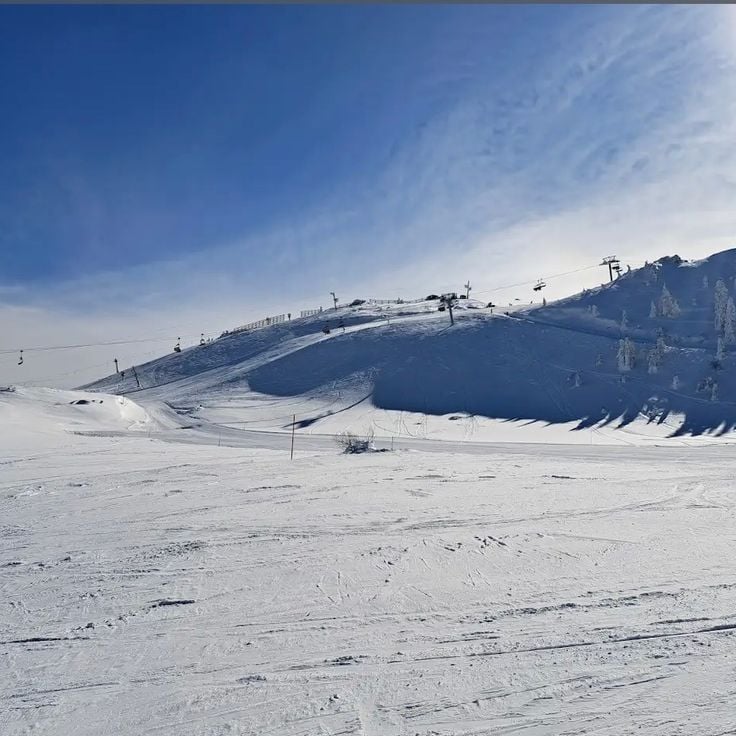
Jahorina, Bosnia and Herzegovina
A winter sports center located in the Dinaric Alps at 1916 meters altitude. The resort offers 20 kilometers of marked ski trails.
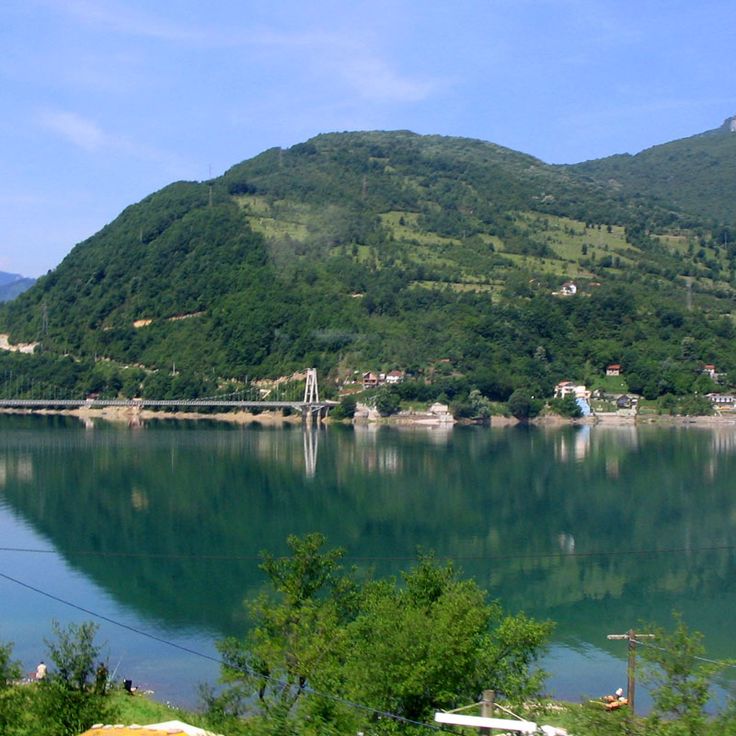
Jablanica, Bosnia and Herzegovina
A water reservoir created in 1953 by a hydroelectric dam on the Neretva River. The lake is 30 kilometers long and includes swimming areas.
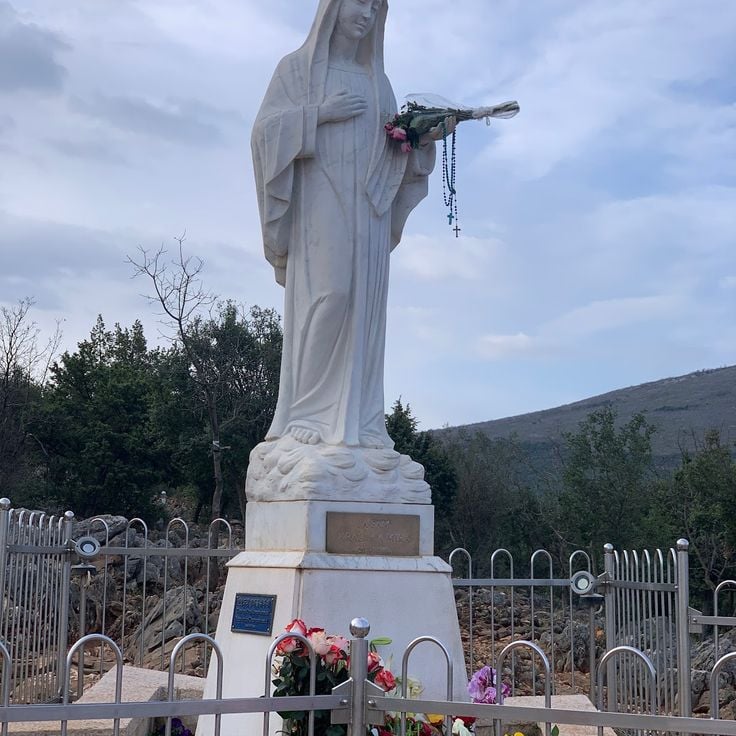
Međugorje, Bosnia and Herzegovina
Catholic pilgrimage site established in 1981 on a 520-meter hill where witnesses reported seeing visions of the Virgin Mary.
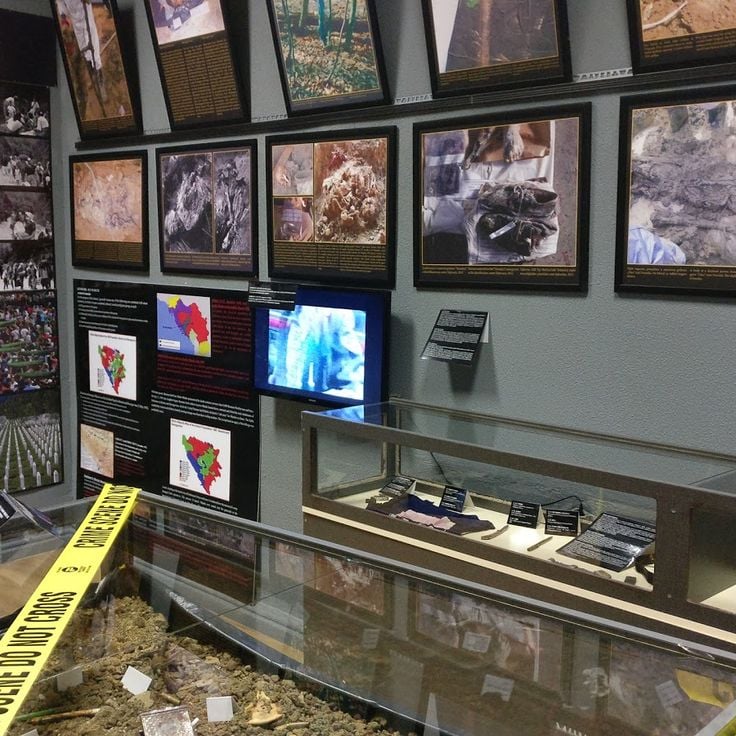
Sarajevo, Bosnia and Herzegovina
Museum displaying photographs, documents and artifacts related to the siege of Sarajevo and events during the 1992-1995 war.
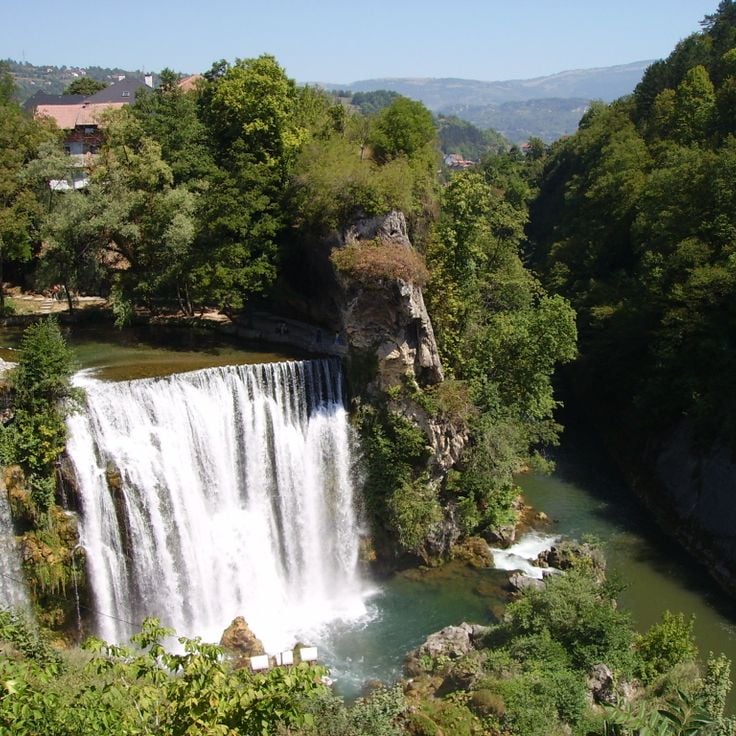
Jajce, Bosnia and Herzegovina
Group of twenty wooden water mills from the 16th century built on the Pliva River, which were used for grain grinding.
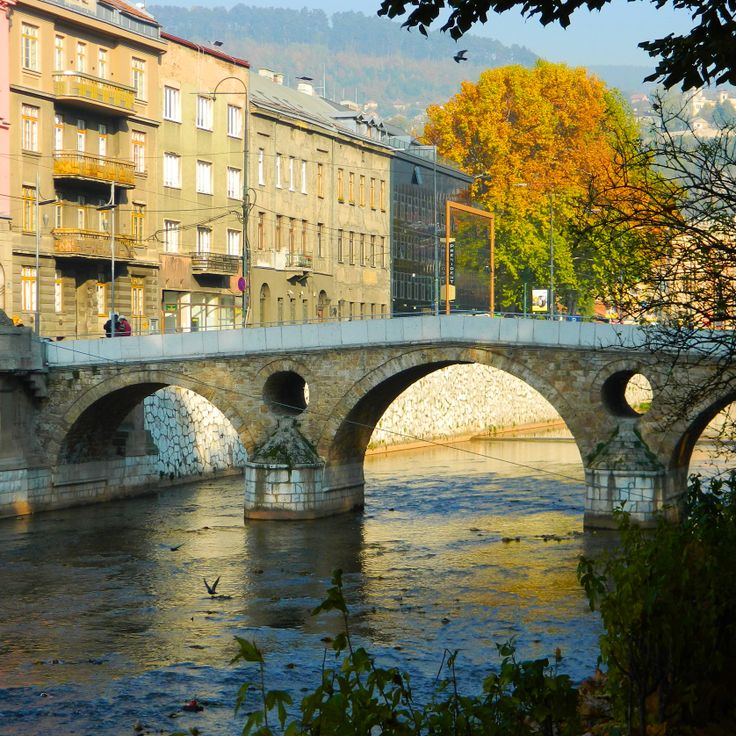
Sarajevo, Bosnia and Herzegovina
Ottoman stone bridge built in the 16th century over the Miljacka River, location of Archduke Franz Ferdinand's assassination in 1914.
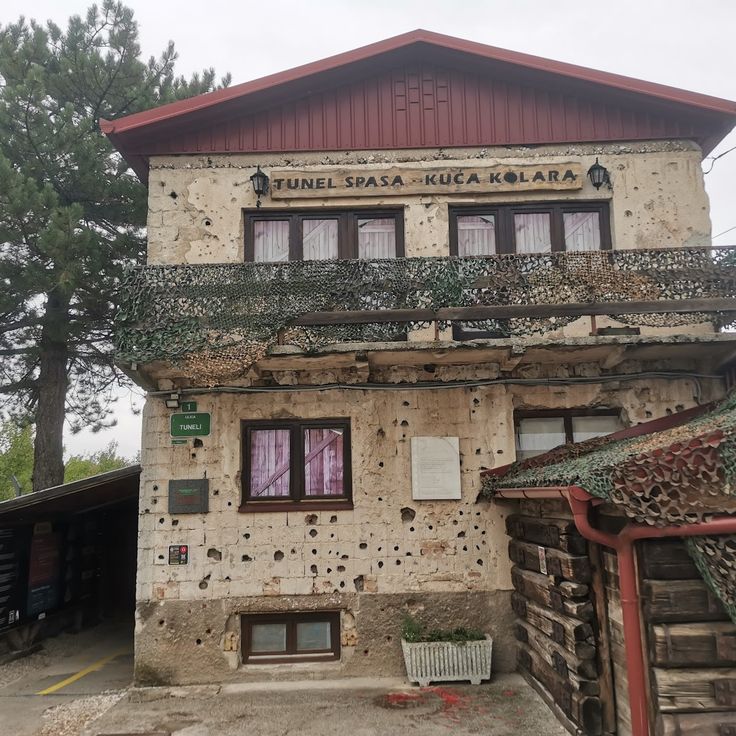
Sarajevo, Bosnia and Herzegovina
An 800-meter underground tunnel dug in 1993 under the airport to supply the city with food and materials during the siege.
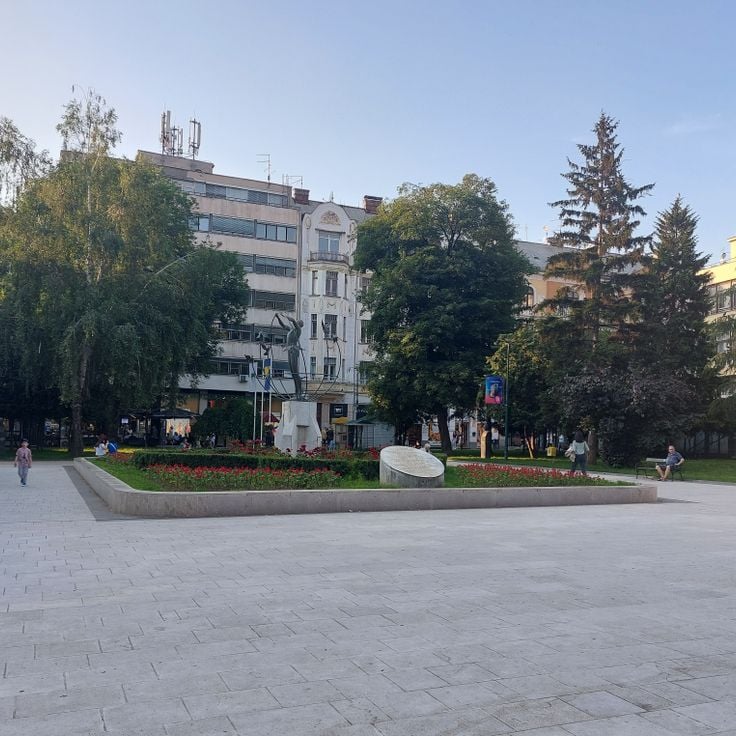
Sarajevo, Bosnia and Herzegovina
A public square in the center of Sarajevo with a large chessboard on the ground where locals gather to play chess.
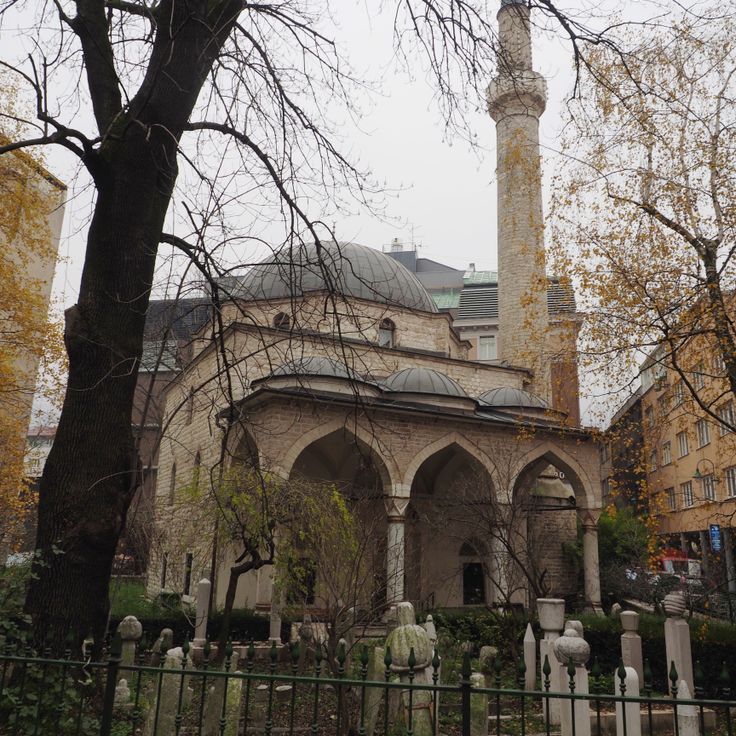
Banja Luka, Bosnia and Herzegovina
A 16th-century Ottoman religious monument destroyed in 1993 and reconstructed according to the original plans, reopened to worshipers in 2015.
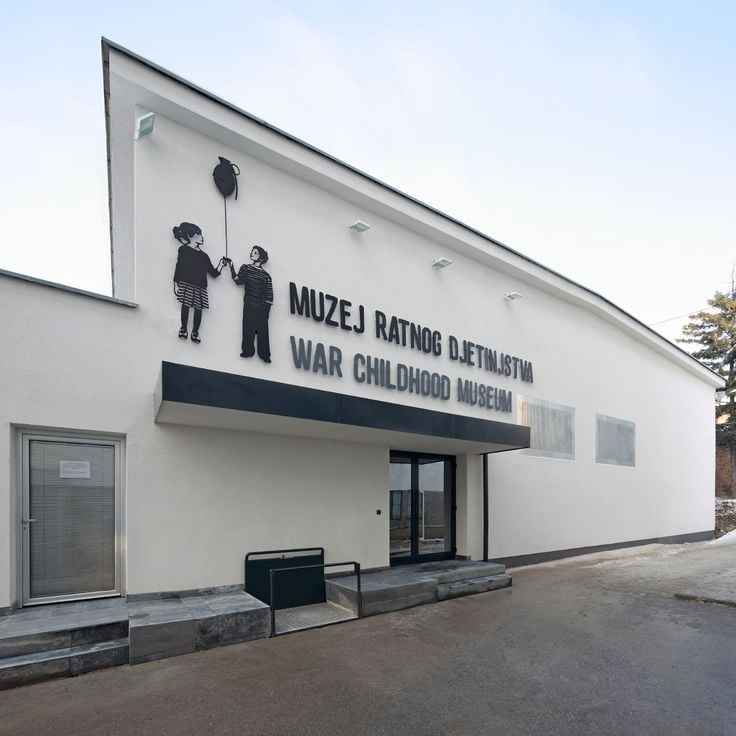
Sarajevo, Bosnia and Herzegovina
A permanent exhibition presenting photos, letters, and personal items documenting the lives of young people during the Siege of Sarajevo.
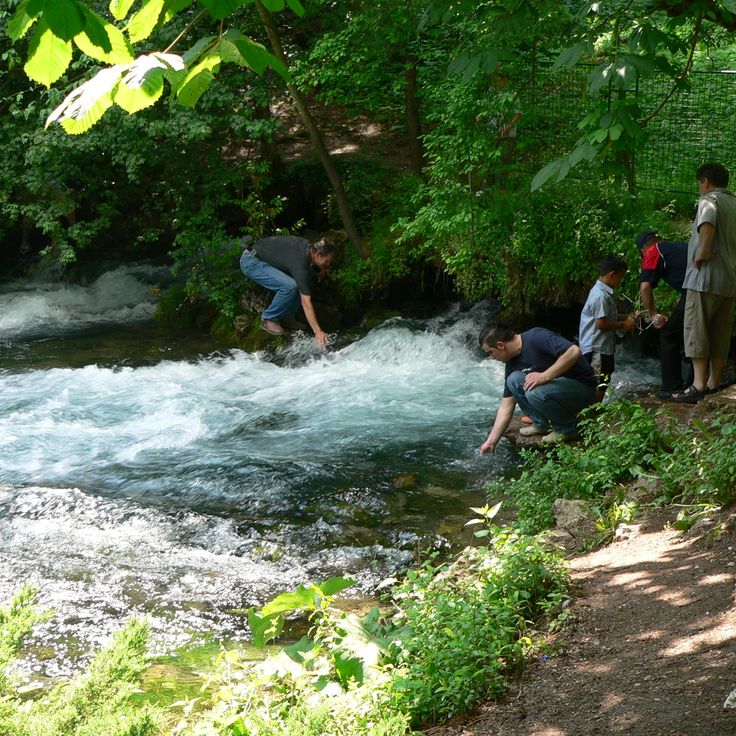
Sarajevo, Bosnia and Herzegovina
A natural site where the springs of the Bosna River rise, arranged for walking with paths and wooden bridges among the trees.