Explore the monuments of Kyoto, including Buddhist temples, Shinto shrines, imperial palaces, feudal castles, traditional gardens, and historic districts. This former imperial capital features UNESCO sites such as the Golden Pavilion and Fushimi Inari Shrine, as well as modern cultural places like the Manga Museum and Kyoto Station.
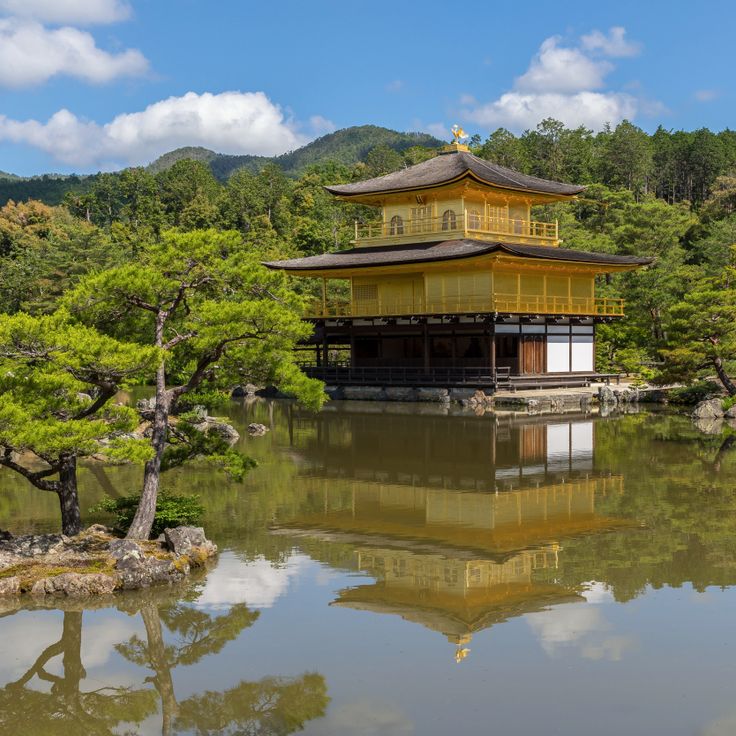
Kyoto, Japan
A 14th-century Zen temple with three levels, the upper two covered in gold leaf, surrounded by a garden with a pond.
Kyoto, Japan
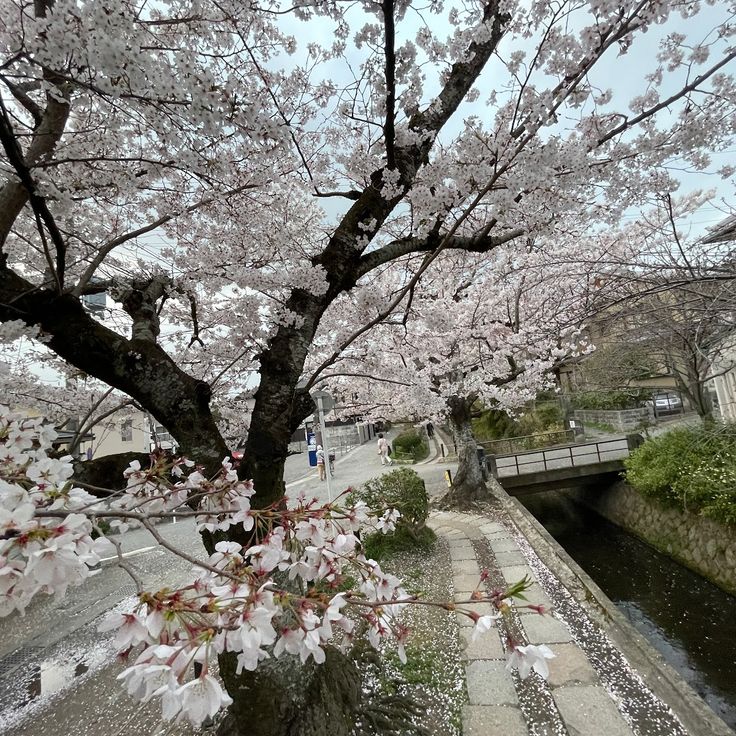
A two-kilometer pedestrian path lined with cherry trees that follows a canal from Ginkaku-ji Temple to Nanzen-ji Temple.
Kyoto, Japan
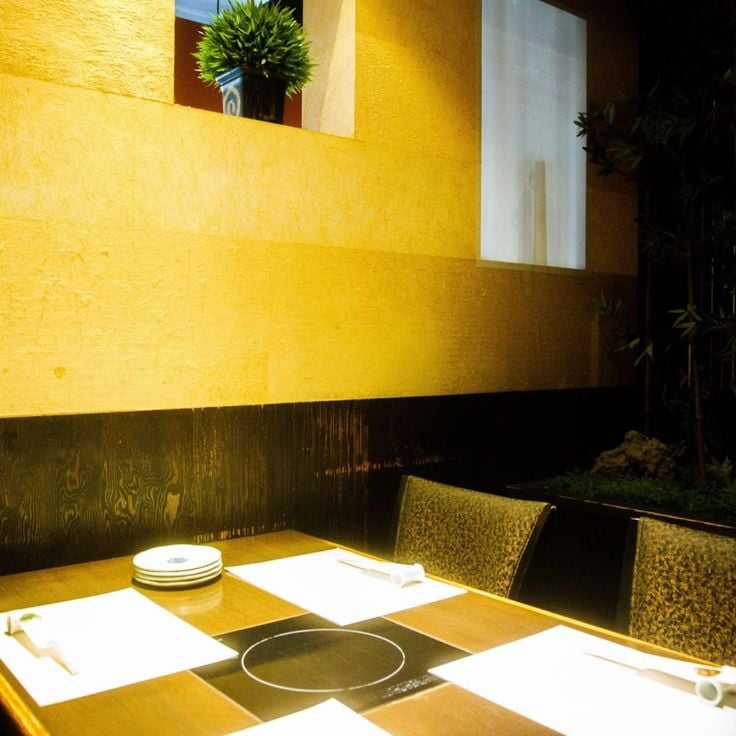
A 131-meter tall structure with an observation deck on the 15th floor offering views of the city and surrounding mountains.
Kyoto, Japan
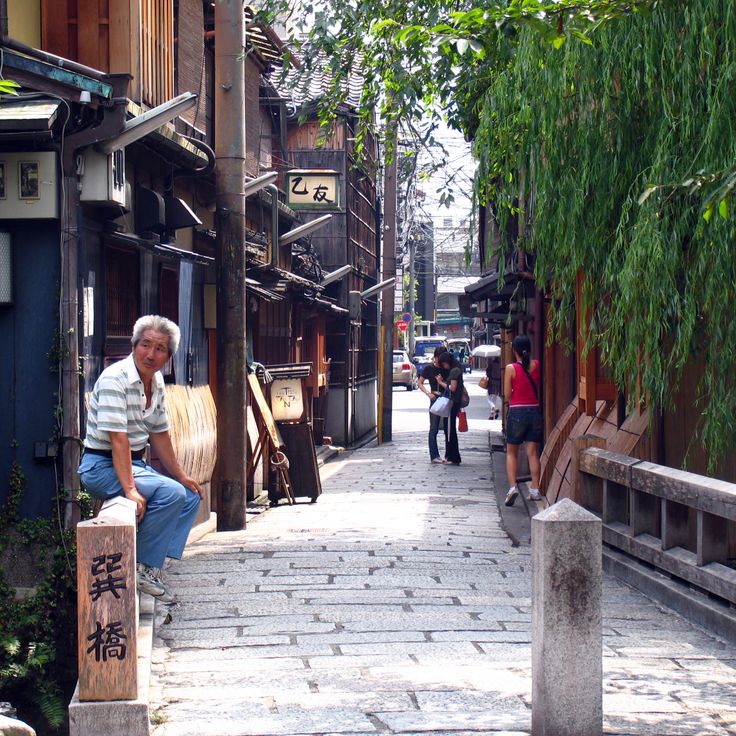
A historic area with streets lined with traditional wooden houses, temples, and tea houses where geisha reside and work.
Kyoto, Japan
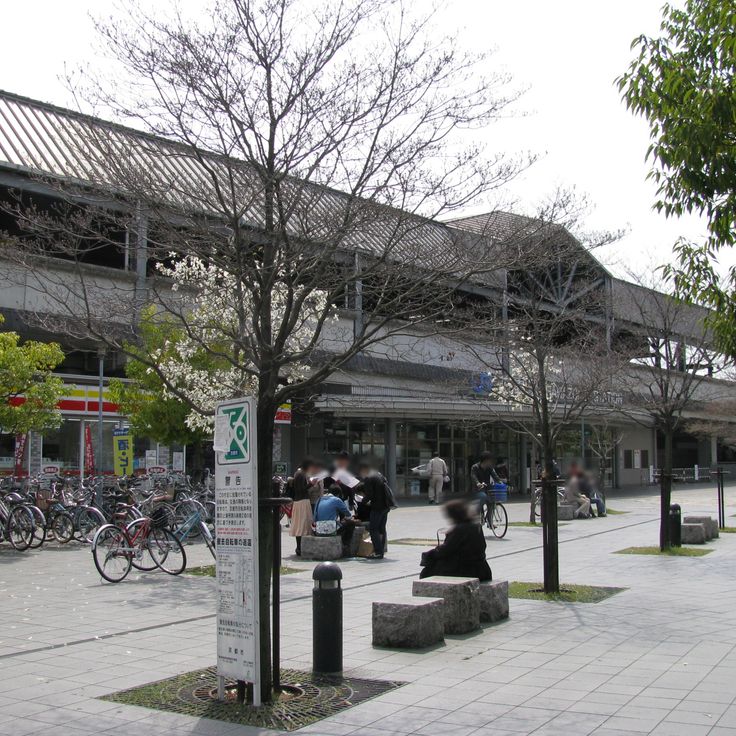
A transportation hub built in 1997 featuring a glass and steel facade 70 meters high, incorporating a shopping mall and a hotel.
Kyoto, Japan
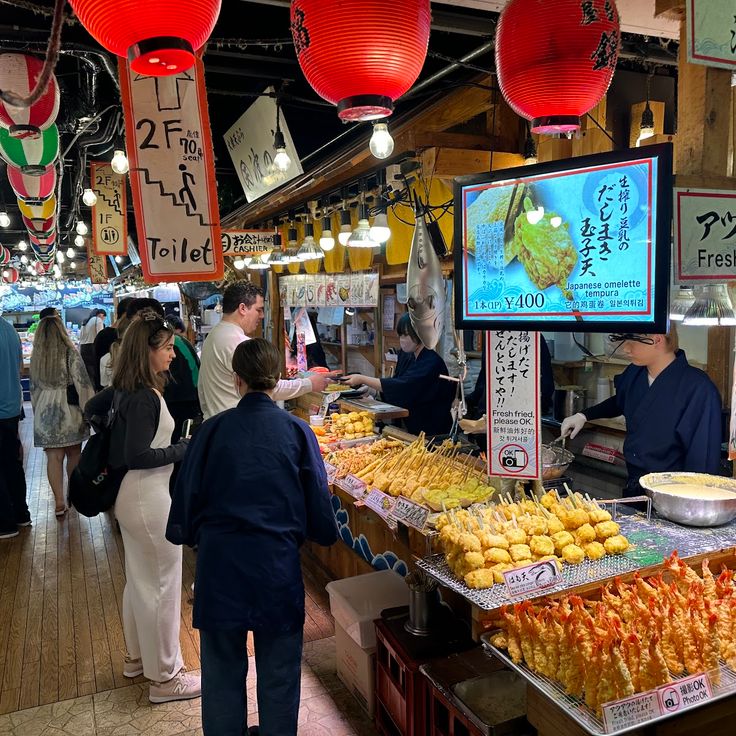
A 400-meter long arcade market with over one hundred shops and stalls offering local culinary specialties since the 14th century.
Kyoto, Japan
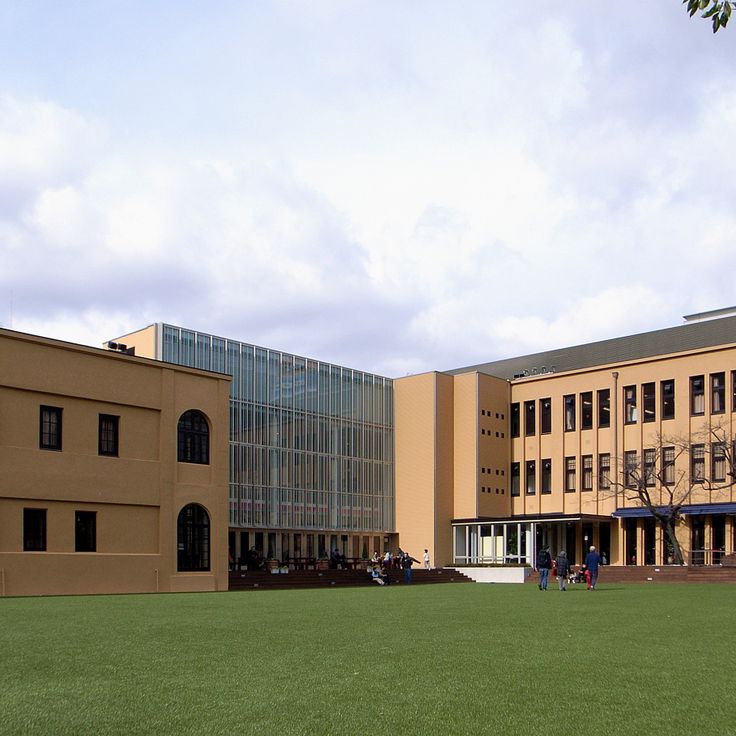
The establishment showcases 300,000 publications about the history of Japanese comics, with a permanent exhibition and a reading room.
Kyoto, Japan
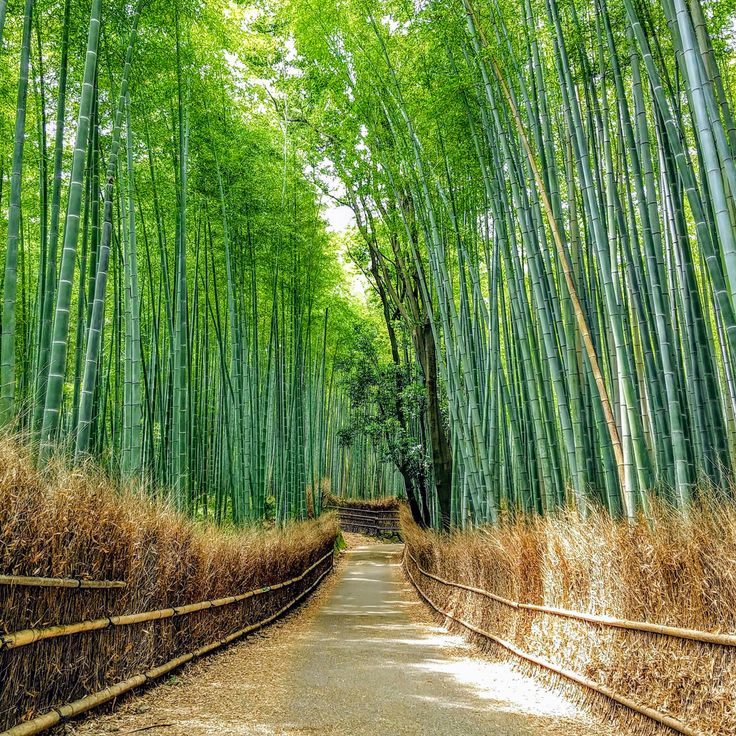
A natural bamboo forest over twenty meters high intersected by a 500-meter pedestrian path.
Kyoto, Japan
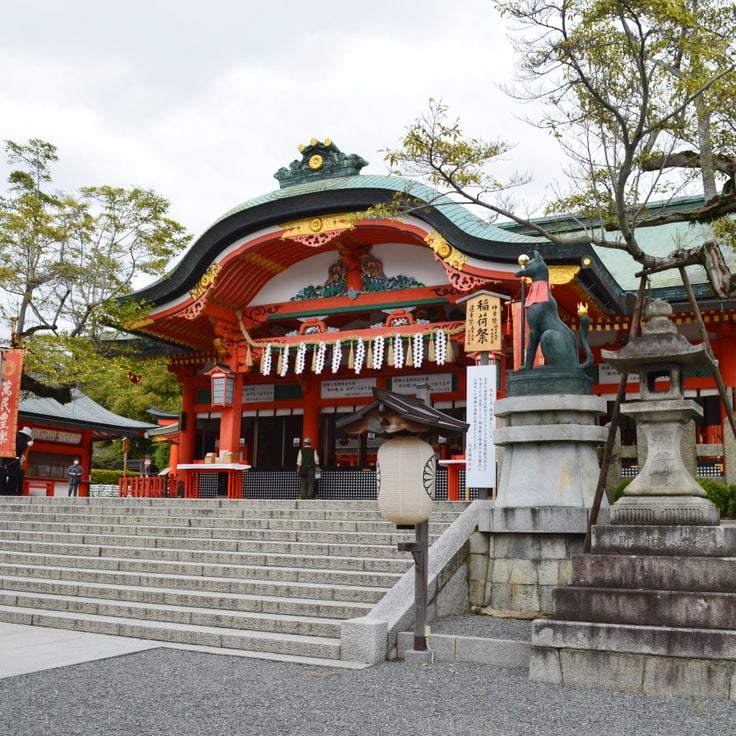
This Shinto shrine consists of mountain trails lined with more than 10,000 red torii gates leading to smaller altars.
Kyoto, Japan
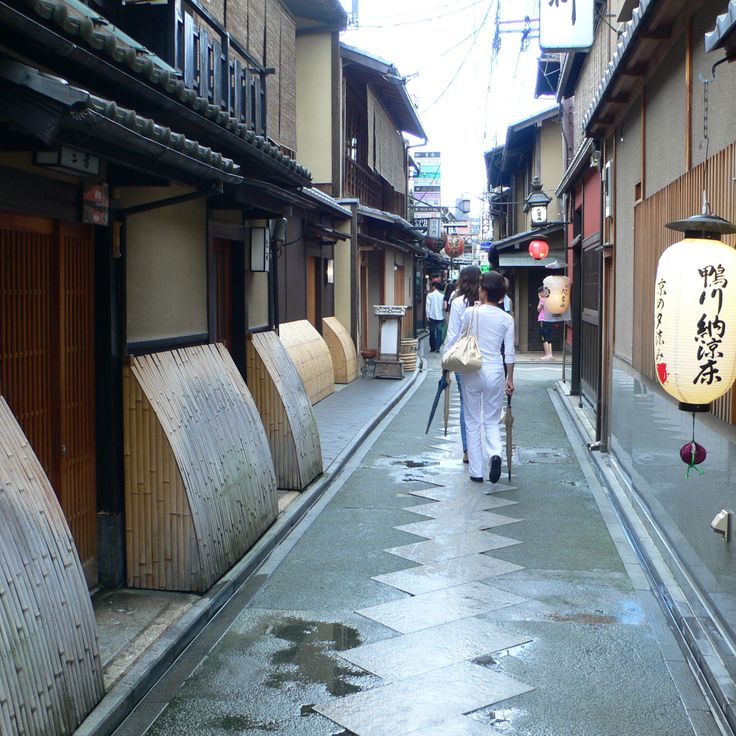
A narrow 500-meter street with traditional restaurants, tea houses, and wooden buildings dating from the Edo period.
Kyoto, Japan
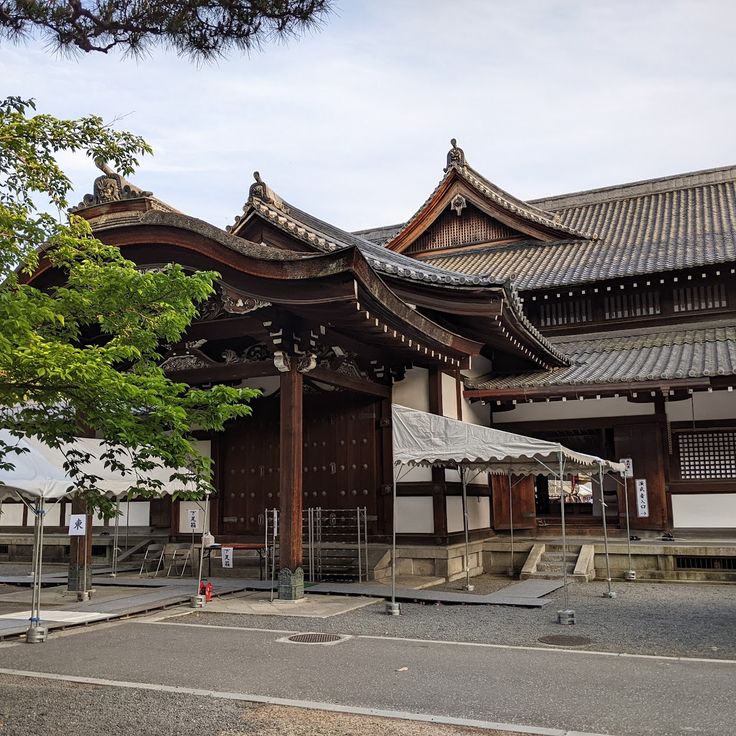
This training center has hosted practitioners of Japanese martial arts like judo, kendo, and aikido since 1895.
Kyoto, Japan
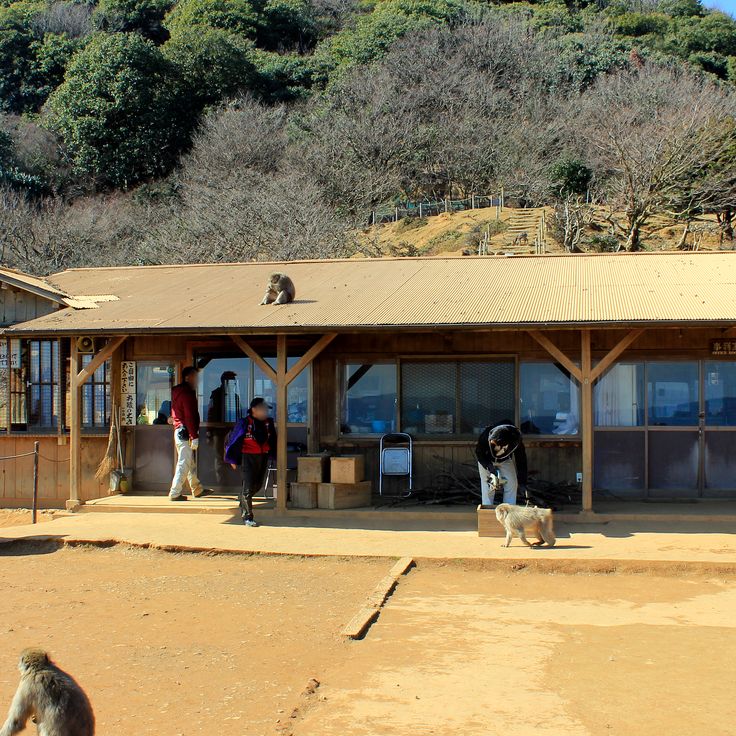
A nature zone situated on a hill housing over 120 wild Japanese macaques. Paths allow visitors to observe these primates.
Kyoto, Japan
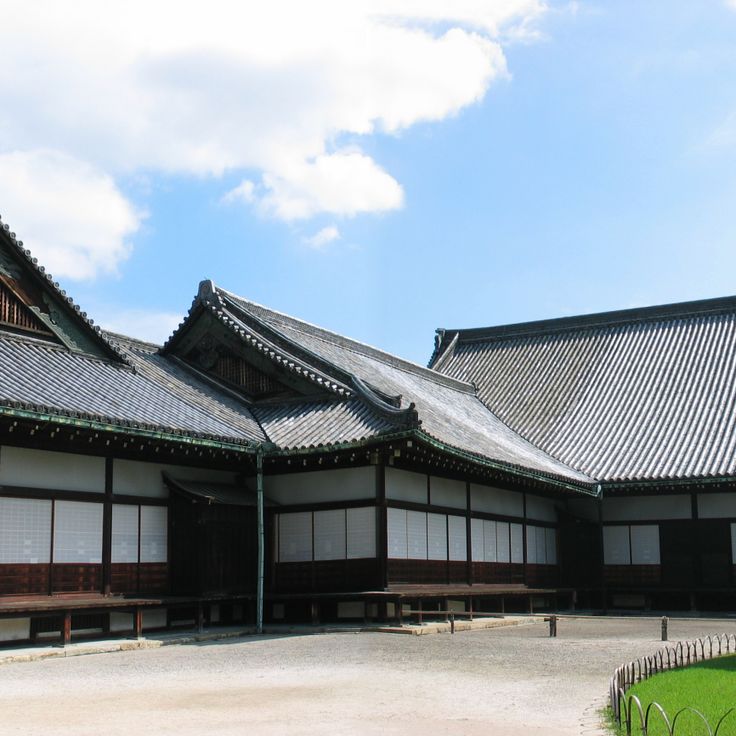
Fortified residence of the Tokugawa shoguns built in 1603, surrounded by gardens and adorned with Kano school wall paintings.
Kyoto, Japan
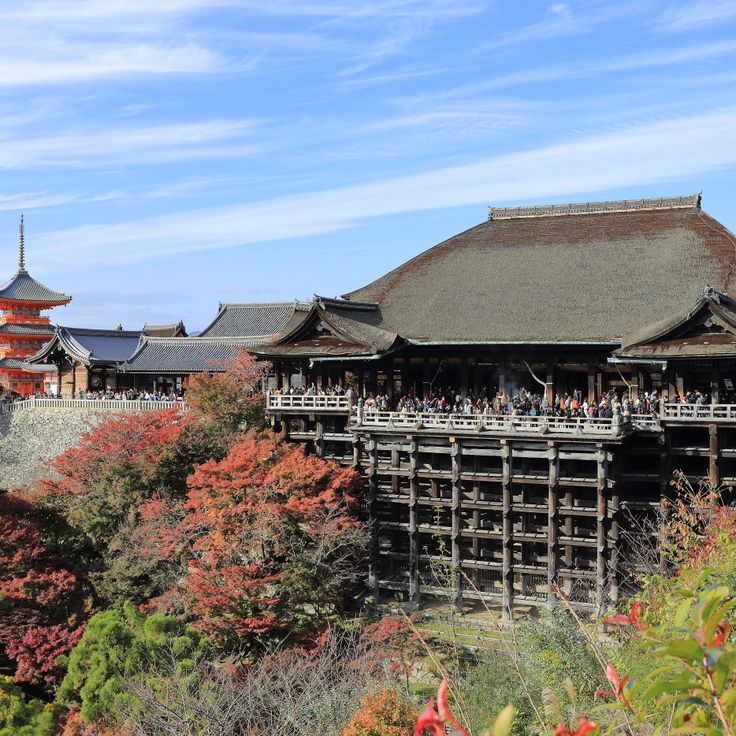
A Buddhist temple founded in 780, built on a hill with a large wooden terrace supported by 13-meter pillars.
Kyoto, Japan
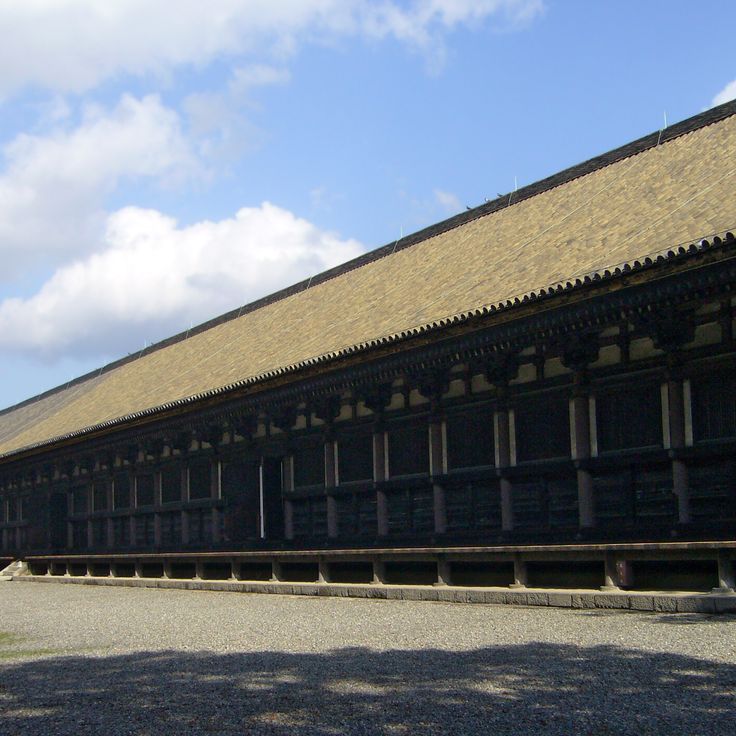
This 13th-century Buddhist temple contains a collection of 1001 gilded wooden Kannon statues and a main hall of 120 meters.

Kyoto, Japan
This 15th-century Zen temple features a dry sand garden, a moss garden, and a library of Buddhist texts.
Kyoto, Japan
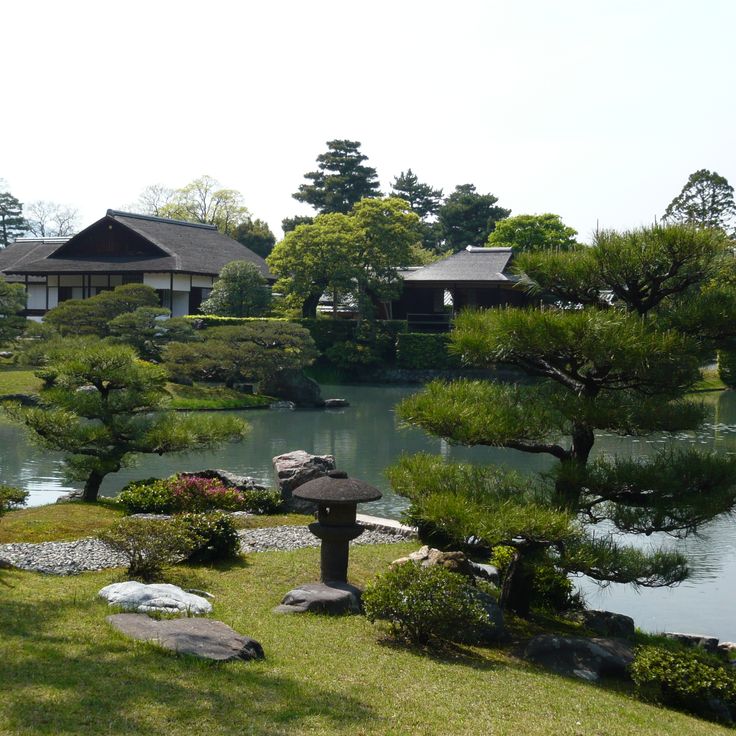
This 17th-century residence combines palaces, tea pavilions, and gardens with ponds, bridges, and stone lanterns according to shoin-zukuri architecture.
Kyoto, Japan
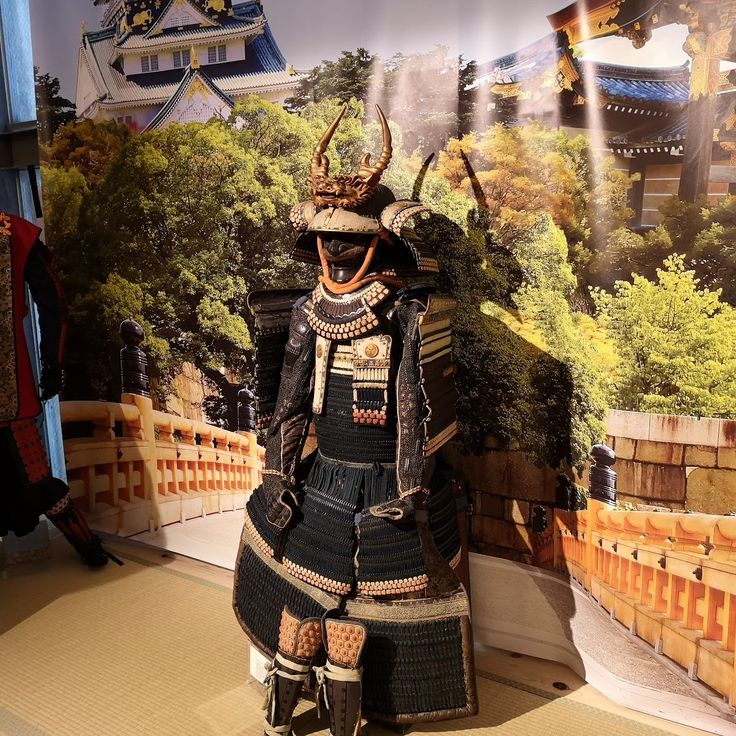
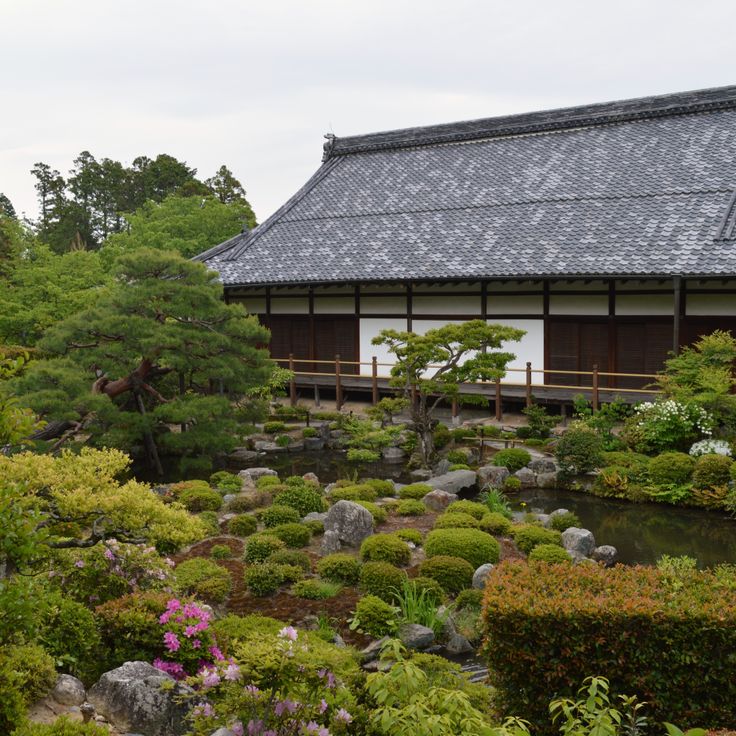
An exhibition center on combat techniques and daily life of Japanese warriors with weapon demonstrations and costume try-ons.
Kyoto, Japan
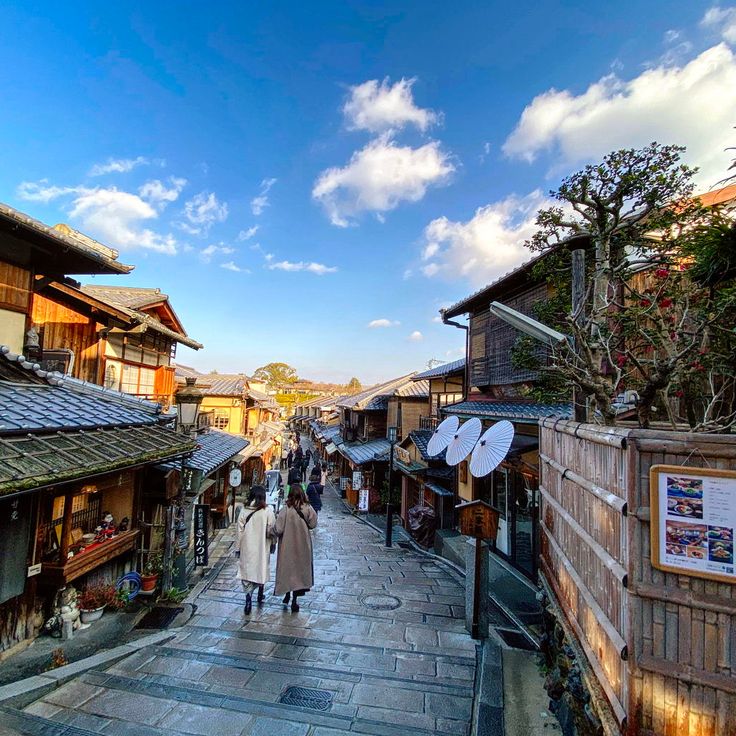
A Buddhist temple built in 796 comprising a five-story wooden pagoda measuring 57 meters, gardens, and prayer halls.
Kyoto, Japan
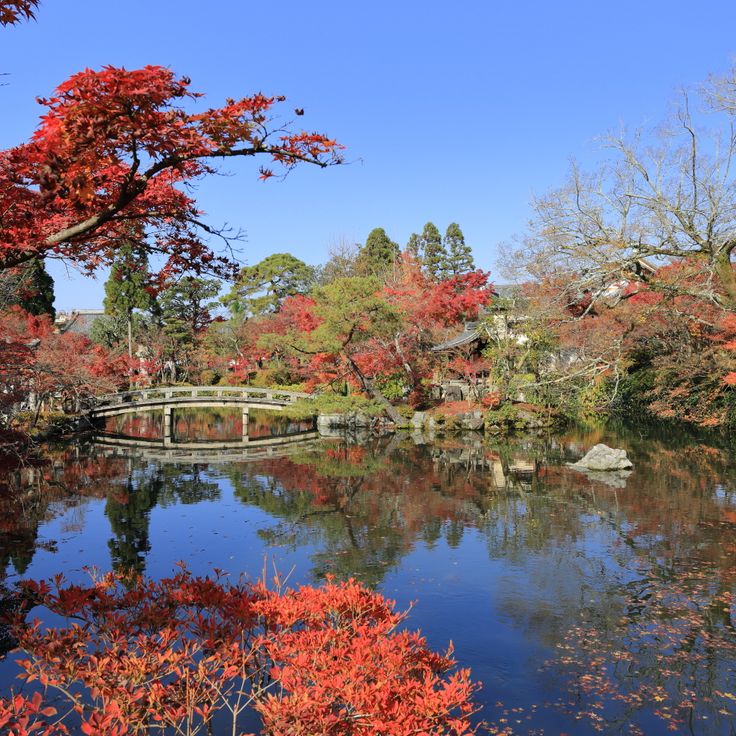
These sloping cobblestone streets in Higashiyama district are lined with 17th-century wooden houses, restaurants, and craft shops.
Kyoto, Japan
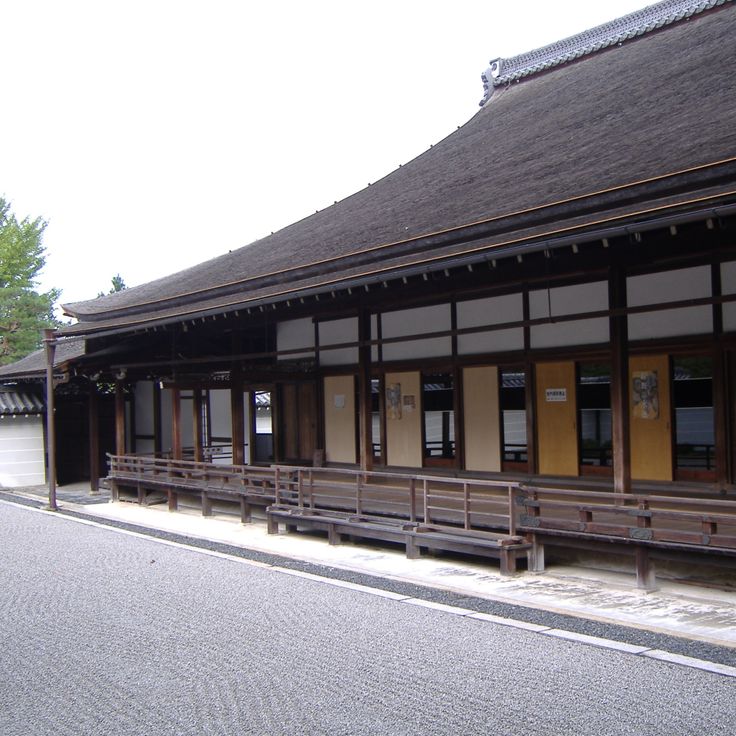
An 11th-century Zen temple with wooden buildings connected by covered corridors, surrounded by gardens and ponds.
Kyoto, Japan
A 13th-century religious complex featuring a monumental sanmon gate, meditation halls, a red brick aqueduct, and moss gardens.
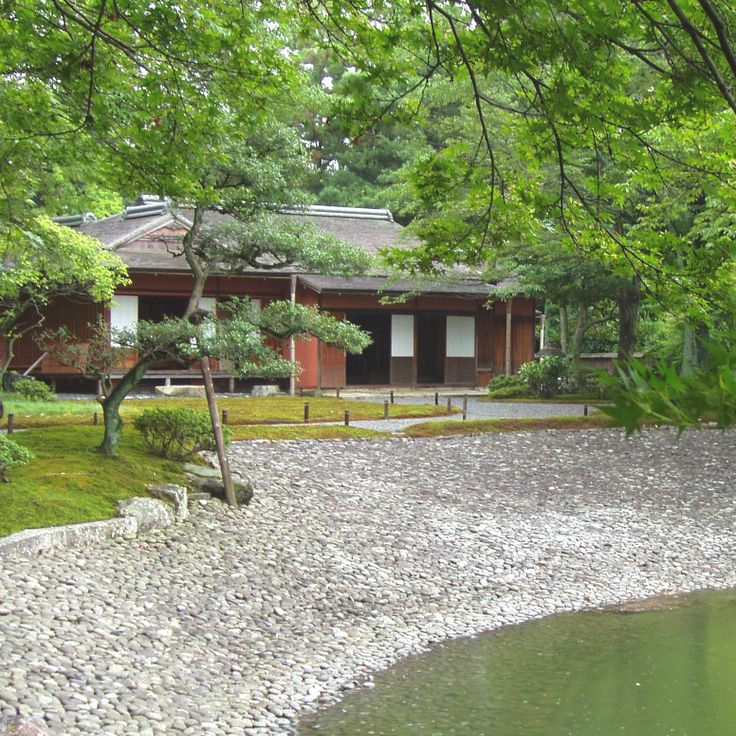
Kyoto, Japan
Residence of Japanese emperors until 1869, surrounded by a 90-hectare park with inner courts, ceremonial halls, and traditional gardens.
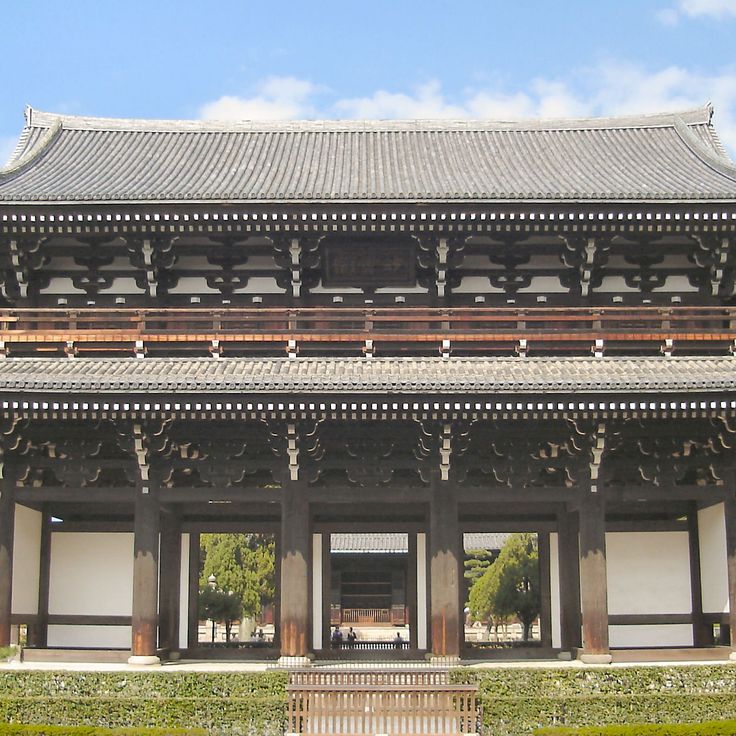
Kyoto, Japan
A Buddhist monastery founded in 1236 with four rock gardens, a wooden bridge, and red maples that attract visitors in autumn.
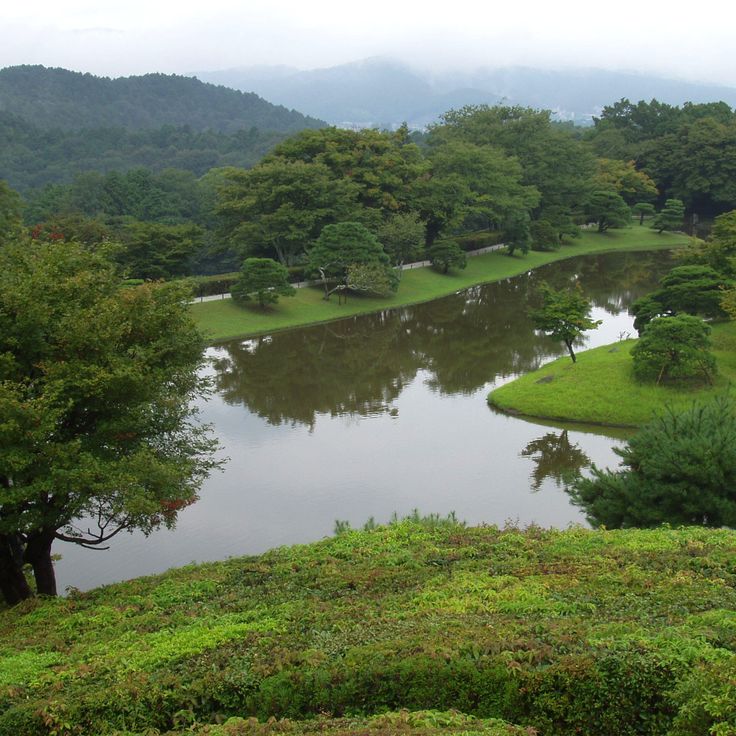
Kyoto, Japan
A historical residence built in the 17th century with three tiers of gardens, tea pavilions, and water ponds.
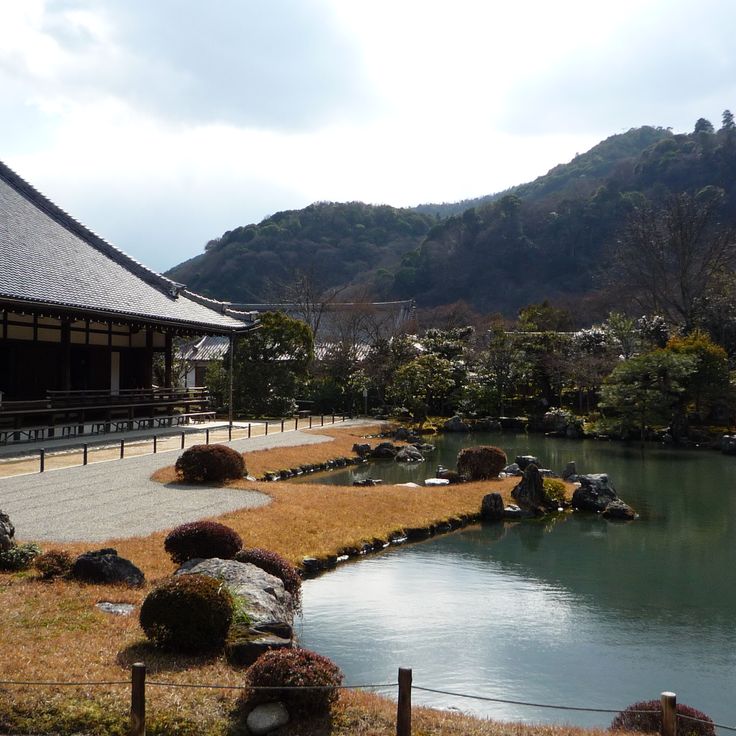
Kyoto, Japan
A Zen temple founded in 1339, surrounded by a landscaped garden with a central pond and a nearby bamboo forest.
Kyoto, Japan
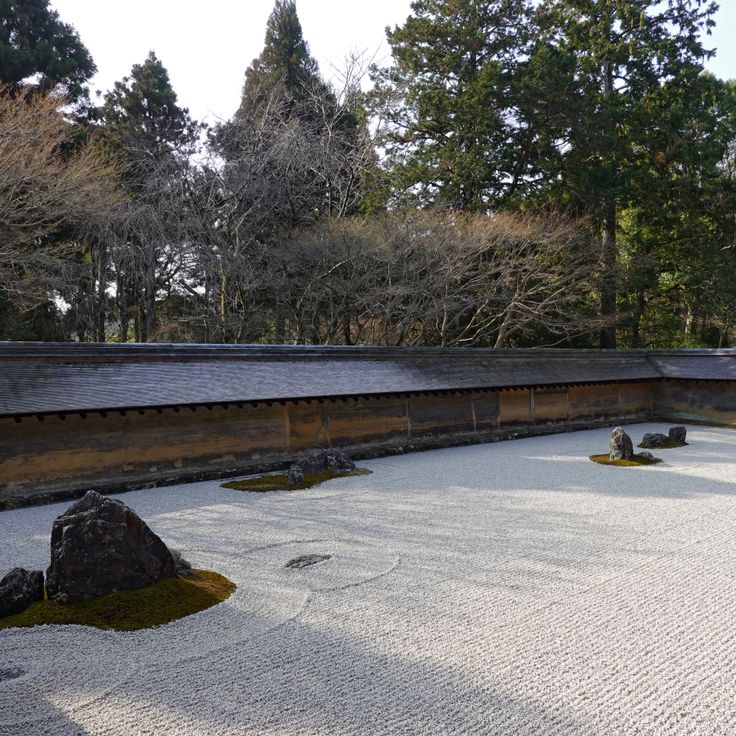
A temple founded in 1450, known for its dry garden comprised of fifteen rocks arranged on raked white gravel.

Kyoto, Japan
A Shinto shrine constructed in 1895, reproducing the imperial palace of the Heian period. The gardens contain ponds, bridges, and cherry trees.
Kyoto, Japan
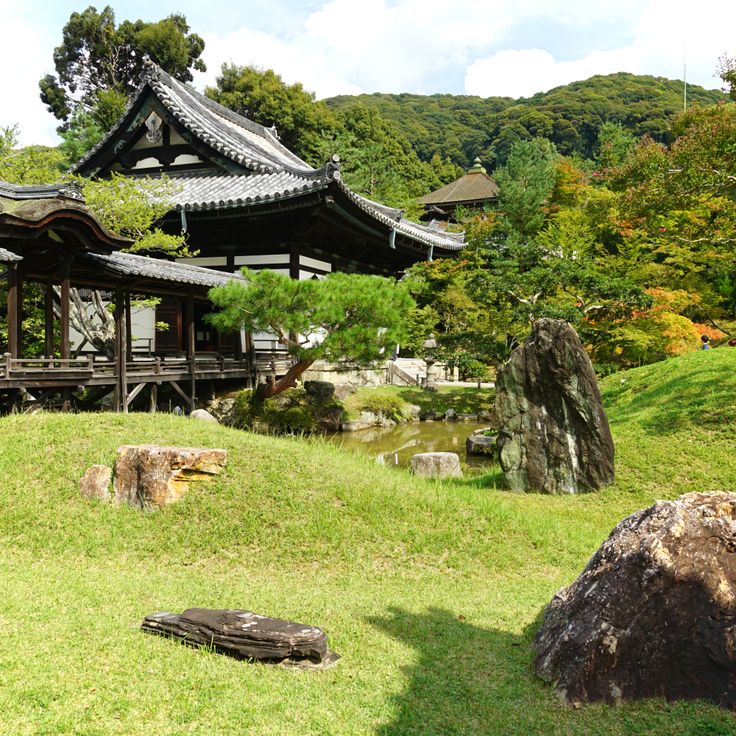
A Momoyama period Zen temple with stone gardens, tea pavilions, and bamboo paths. The illuminated gardens feature patterns at night.
Kyoto, Japan
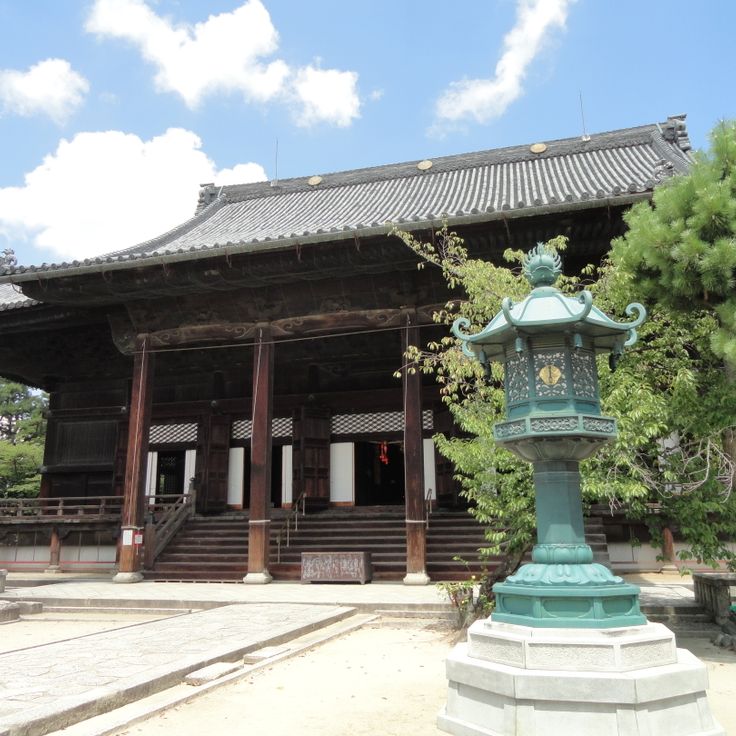
Main temple of the Jodo school of Buddhism, founded in 1234. The San-mon gate is 24 meters high, and the bell weighs 74 tons.
Kyoto, Japan
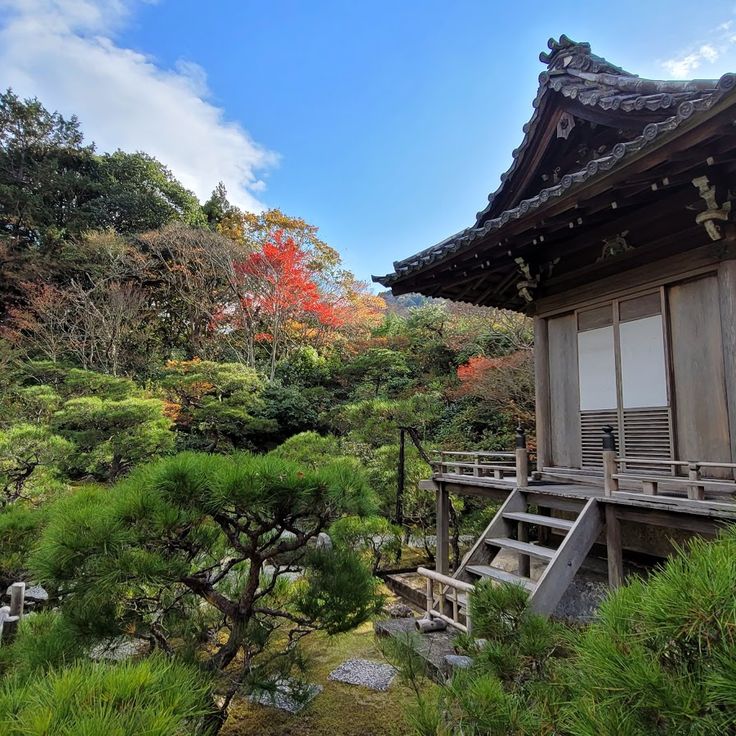
Former residence of actor Okochi Denjiro, consisting of a Japanese house and landscaped gardens on a hill in Arashiyama.
Kyoto, Japan
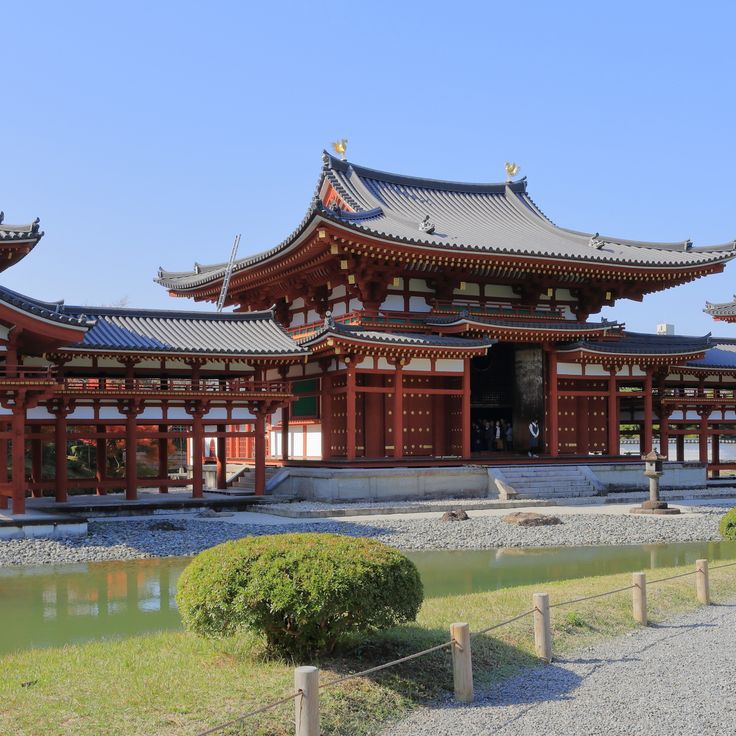
An 11th-century Buddhist temple with the Phoenix Hall, depicted on the 10-yen coin. The gardens surround a central pond.