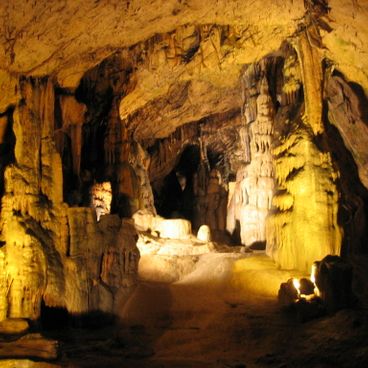
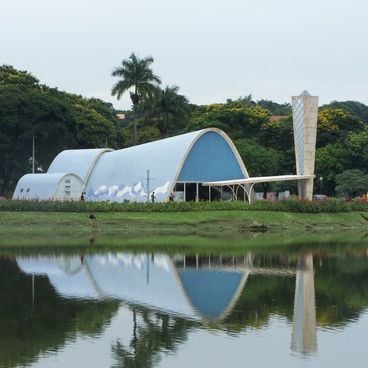
The historical and religious monuments of Nevers reflect its ducal and religious past. The city features varied architecture from the 11th to the 20th century, including the Gothic Ducal Palace, the cathedral with two choirs, Romanesque and modern churches, as well as museums displaying local faience. The medieval fortifications and green spaces complement this architectural heritage.
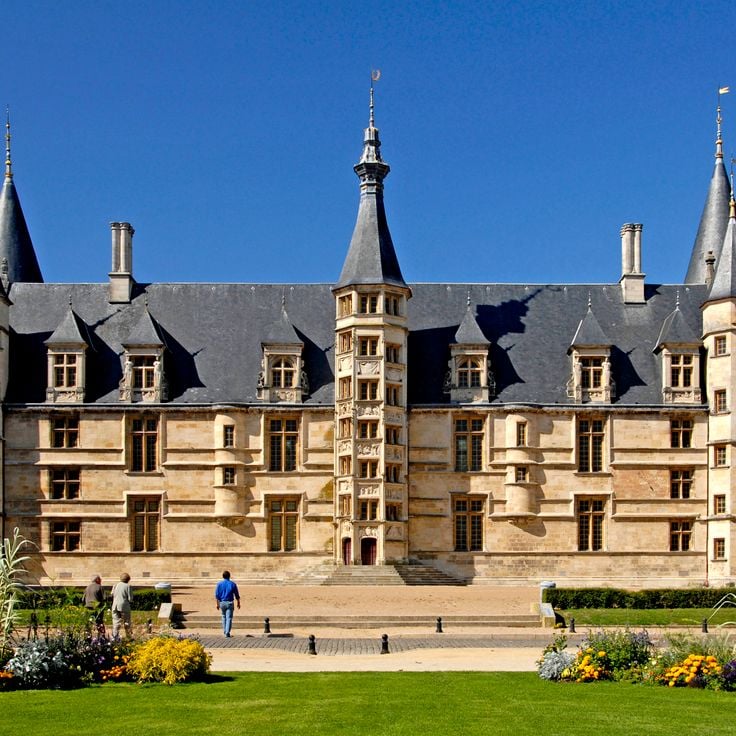
Nevers, France
Building constructed in the 15th century in the flamboyant Gothic style. It served as the residence of the dukes of Nevers and now houses the town hall.
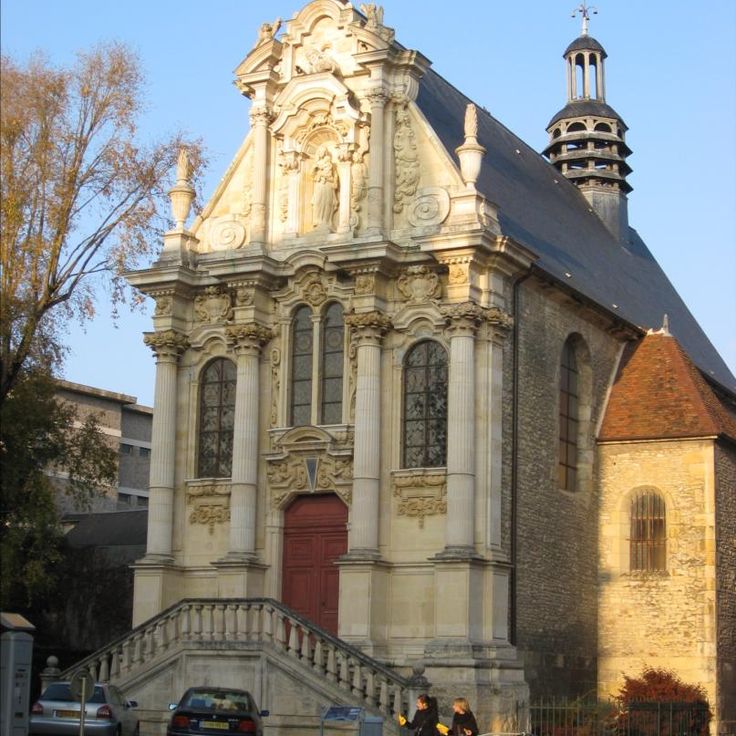
Nevers, France
Religious monument dating from the 17th century, located in the historic center of Nevers. It was constructed by the Jesuit brothers in 1612.
Nevers, France
Cultural institution exhibiting local ceramics from the 16th to the 20th century, as well as paintings and sculptures by French artists.
Nevers, France
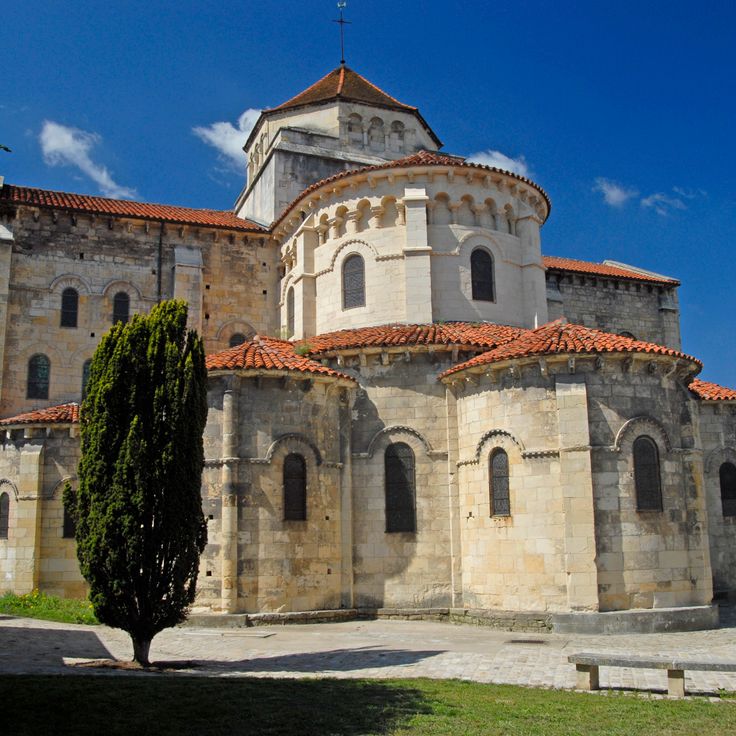
Religious monument from the 11th century in Romanesque style, featuring a central nave and two aisles. The choir dates from the 13th century.
Nevers, France
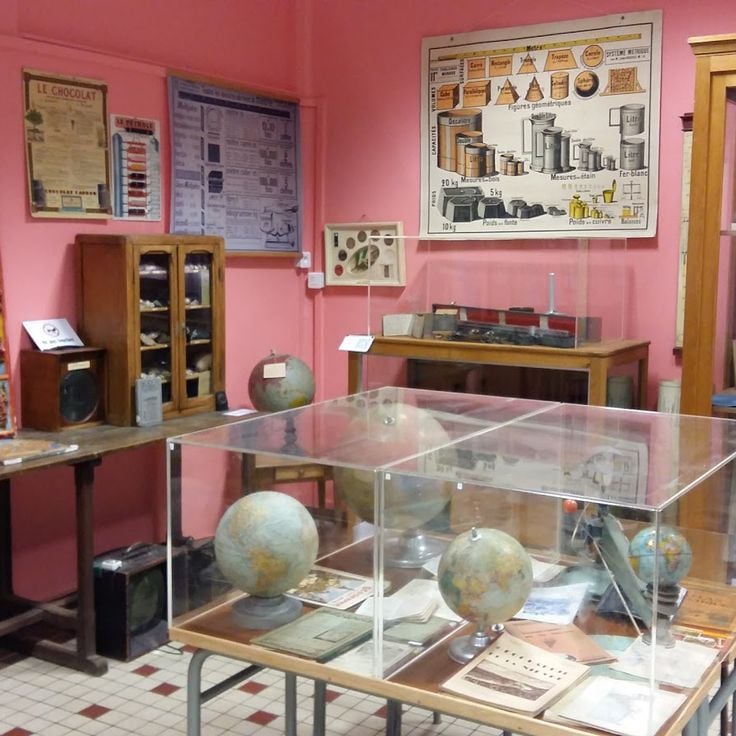
Permanent collection of school objects from 1800 to 1970, showcasing educational materials and the evolution of teaching methods.
Nevers, France
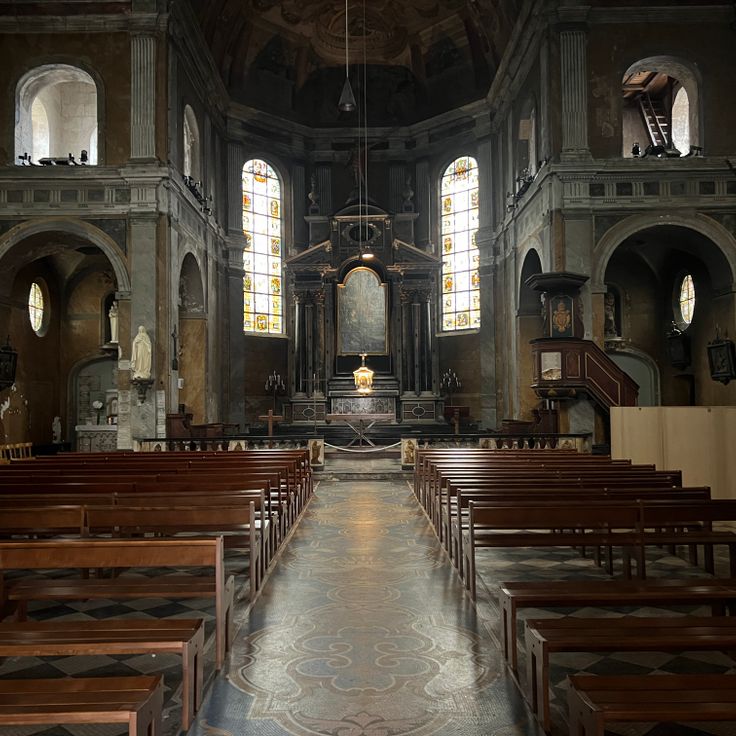
Religious building constructed in the 16th century comprising a central nave with side aisles, topped with a bell tower and ending with a pentagonal choir.
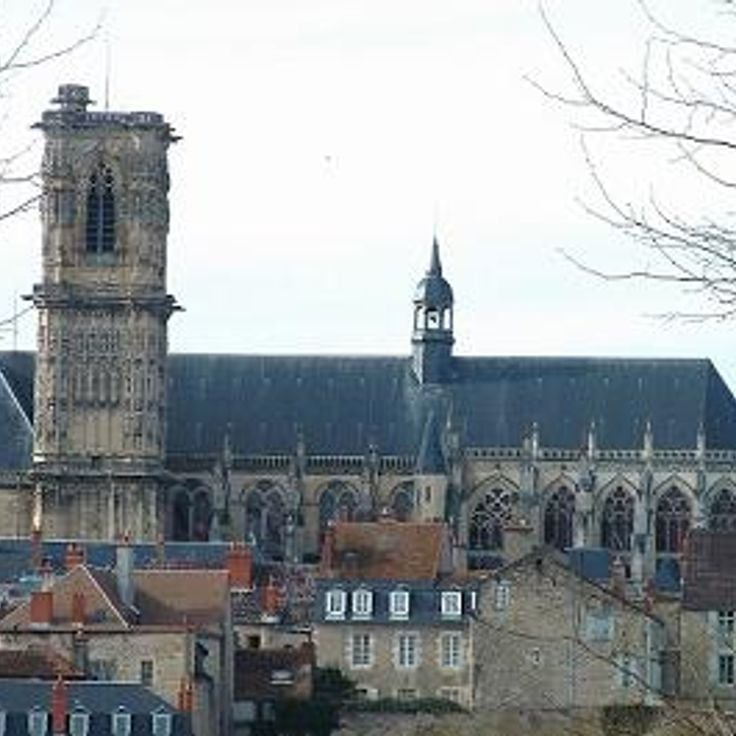
Nevers, France
Religious monument constructed between the 11th and 16th centuries, characterized by its Romanesque and Gothic architecture and its two opposing choirs.
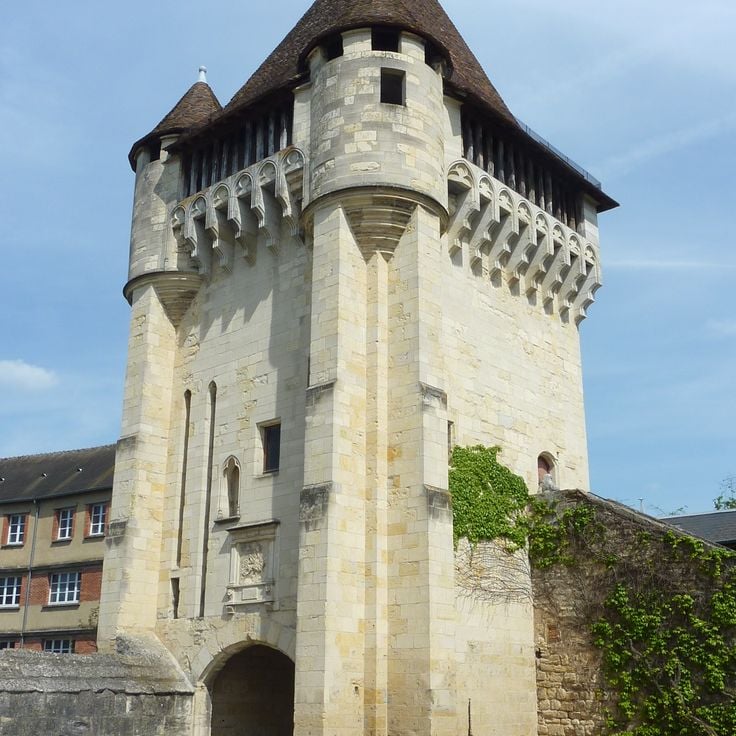
Nevers, France
Defensive structure from the 14th century, this gate rises to 25 meters with a square stone tower. Machicolations on corbels protected the walls.
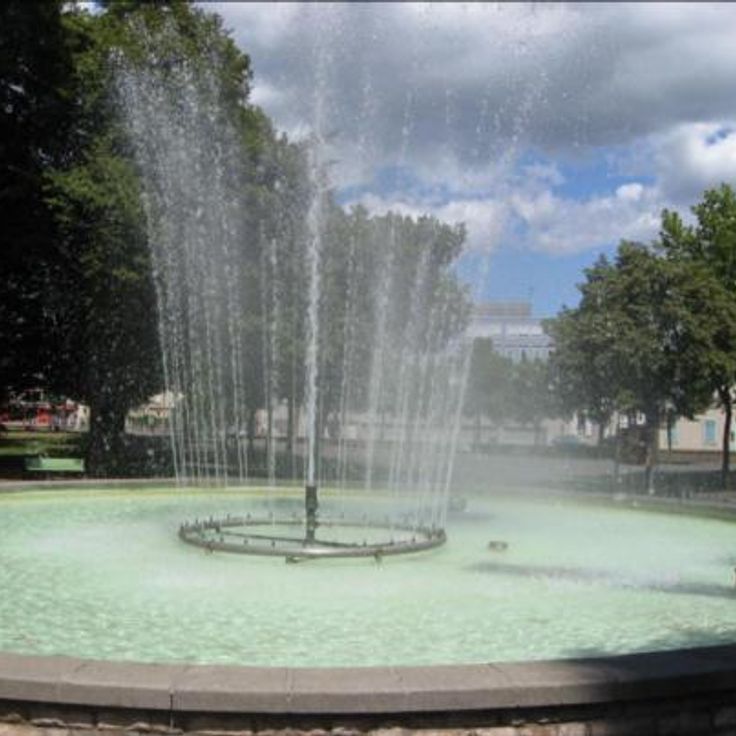
Nevers, France
Municipal green space with children's play areas, benches, and tree-lined pedestrian paths in the city center.
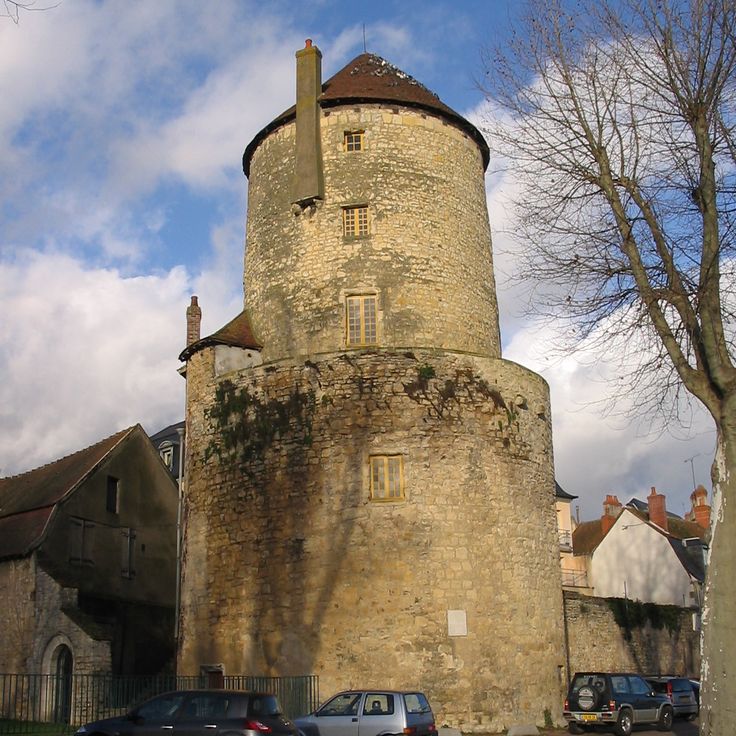
Nevers, France
Medieval stone fortification from the 14th century, remnant of Nevers' ancient fortifications located near the Loire.
Nevers, France
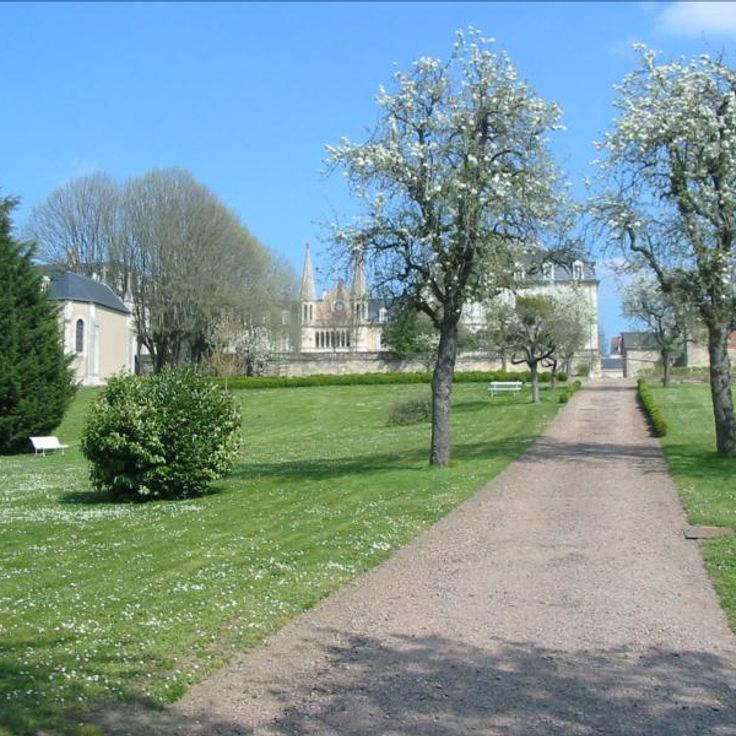
Former Saint-Gildard convent where Bernadette Soubirous lived, including a chapel, a museum, and the body of the saint.
Nevers, France
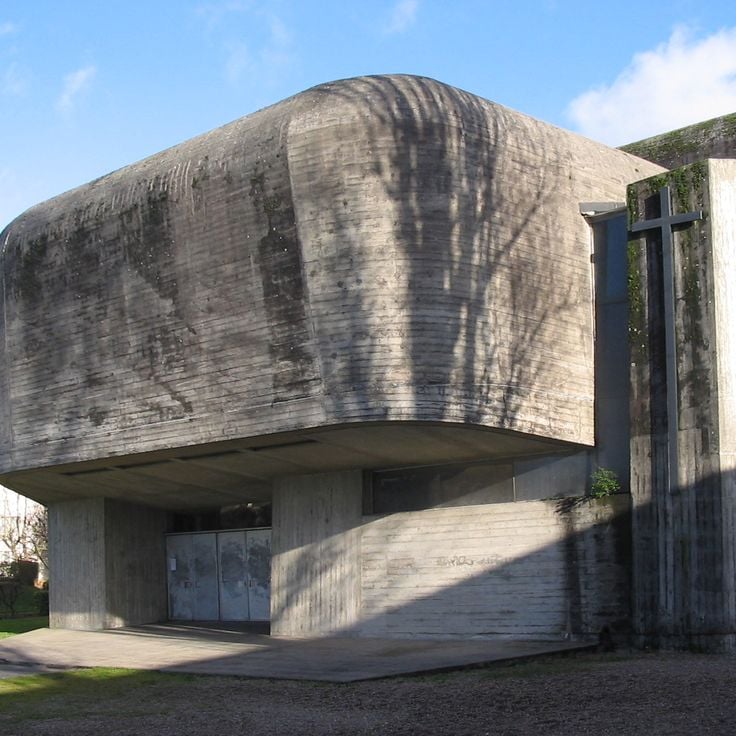
Religious building of raw concrete designed by Claude Parent and Paul Virilio in 1966, known for its innovative architecture.
Nevers, France
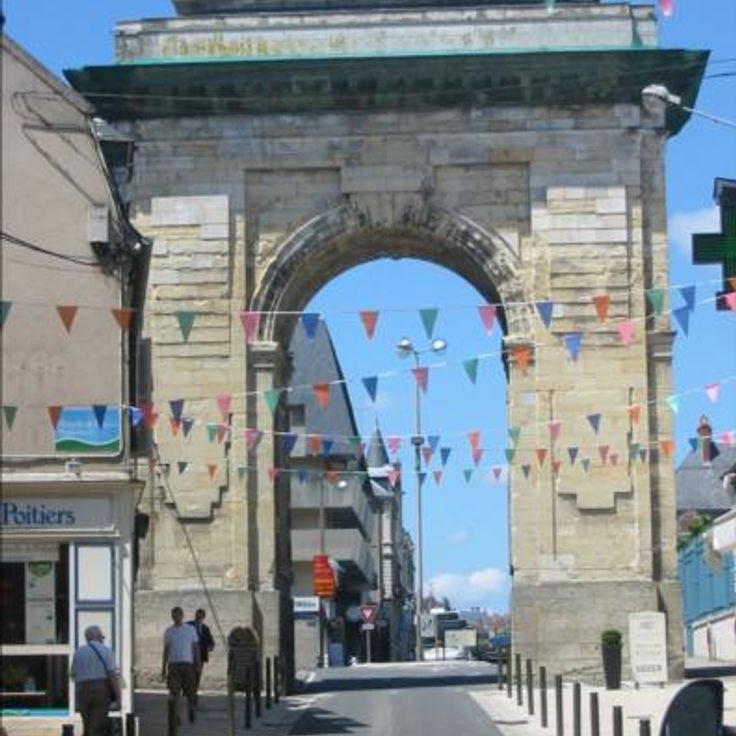
Former main entrance to the city, built in the 16th century and renovated in the 19th century. The structure is located near the Prefecture.
Nevers, France
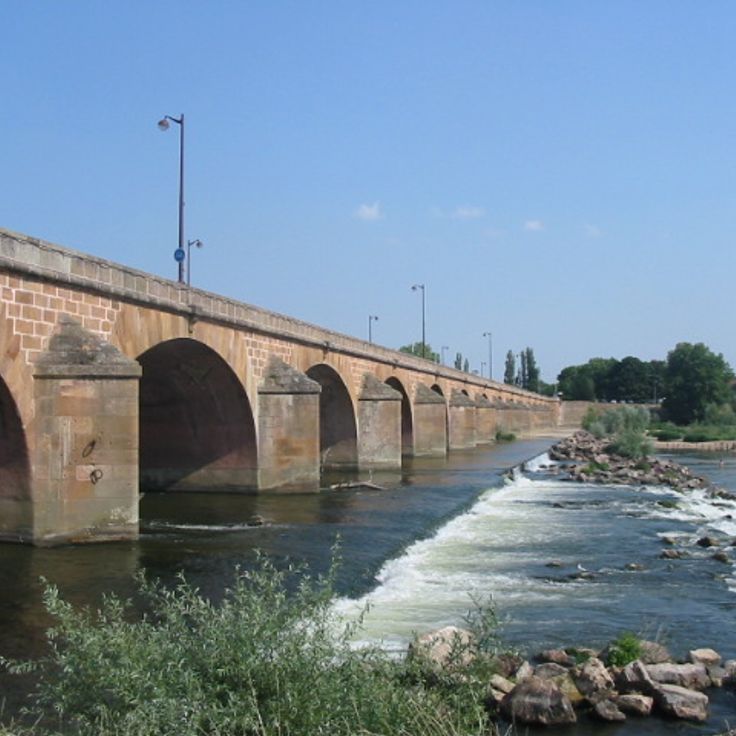
Road construction erected between 1770 and 1832 to connect the two banks of the Loire. The bridge measures 300 meters in length.
Nevers, France
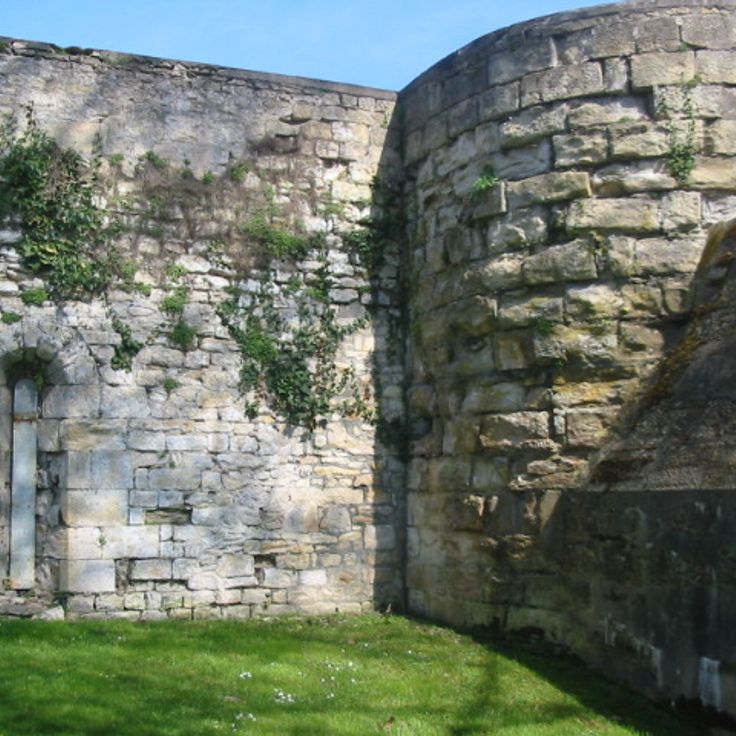
Pedestrian path laid out on the remnants of Roman fortifications dating from the 4th century. This route follows the path of the old walls.
Nevers, France
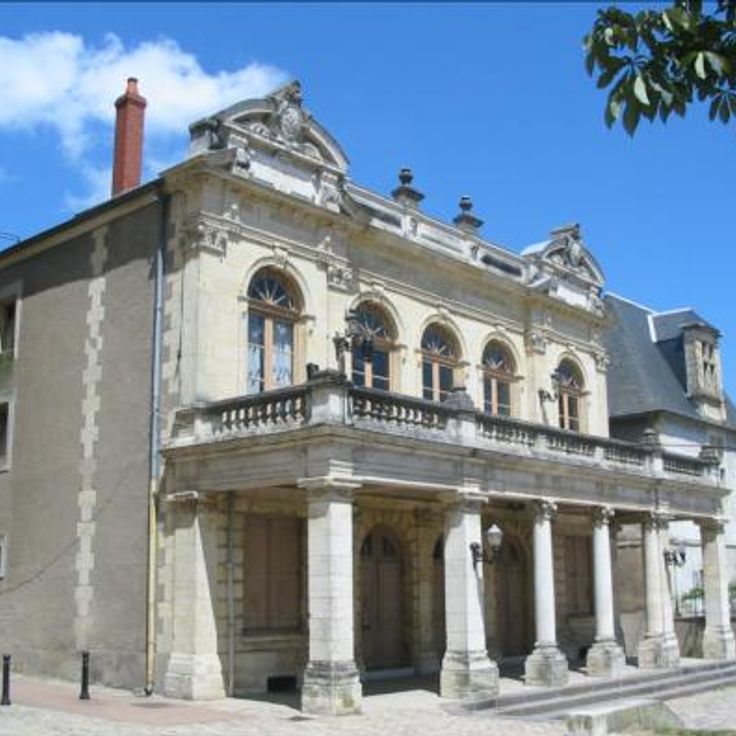
Performance hall built in 1809 according to Renaissance architectural codes. The building can accommodate 900 spectators.
Nevers, France
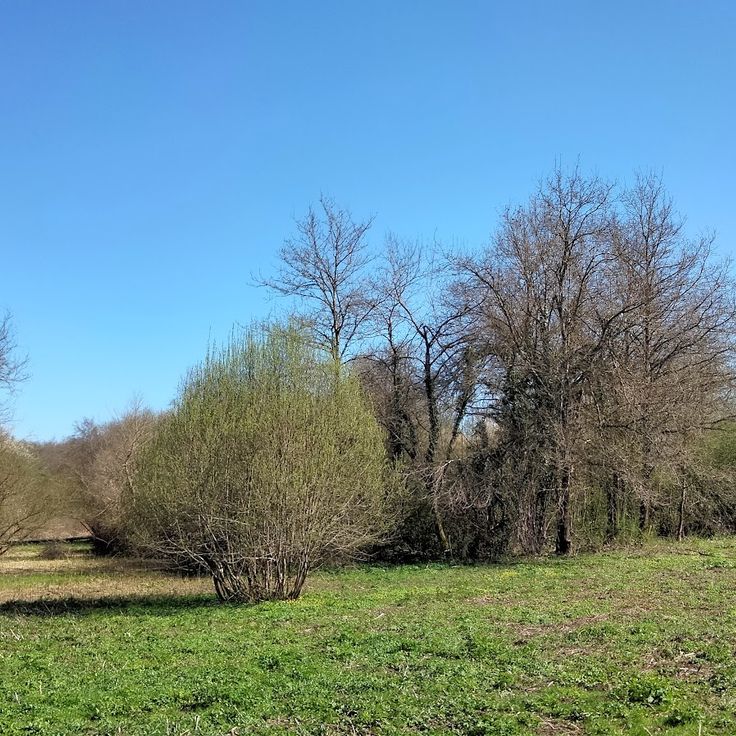
Property featuring wooded and open areas with paths accessible to walkers, located at the edge of the Bois de la Brosse.
Nevers, France
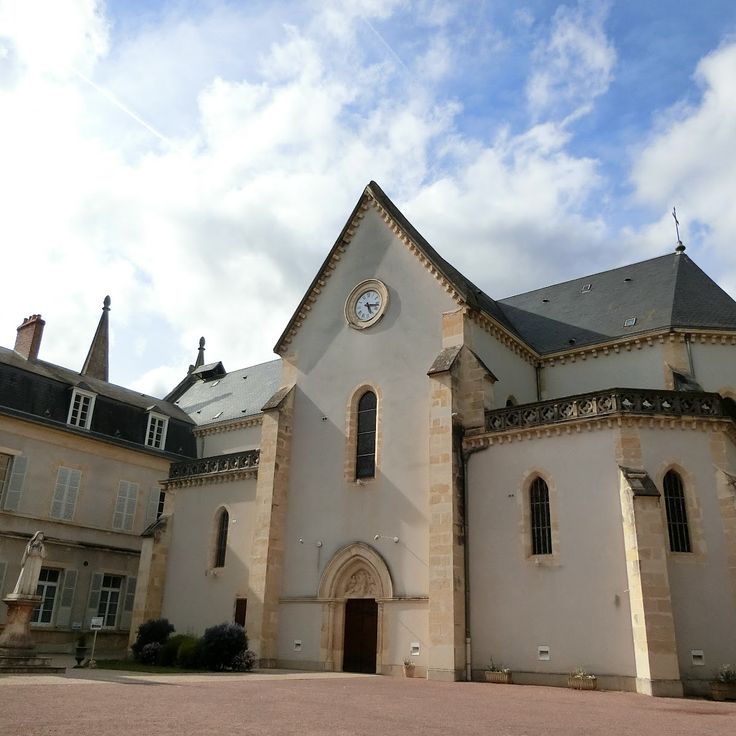
Historical religious establishment where Bernadette Soubirous resided from 1866 to 1879. The museum presents personal items and documents.
Nevers, France
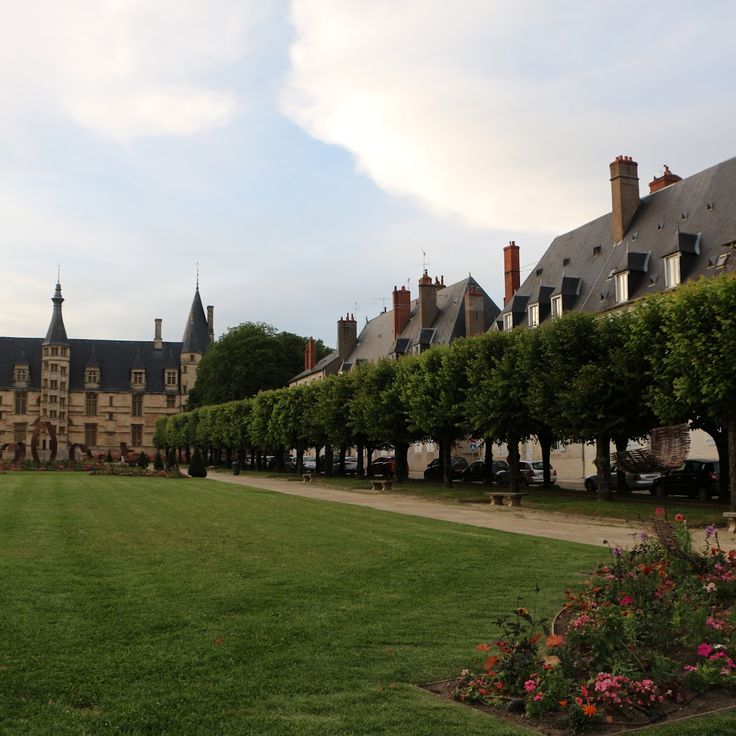
Public space in the center of Nevers with benches, trees, and flowerbeds, situated in front of the Ducal Palace.
Nevers, France
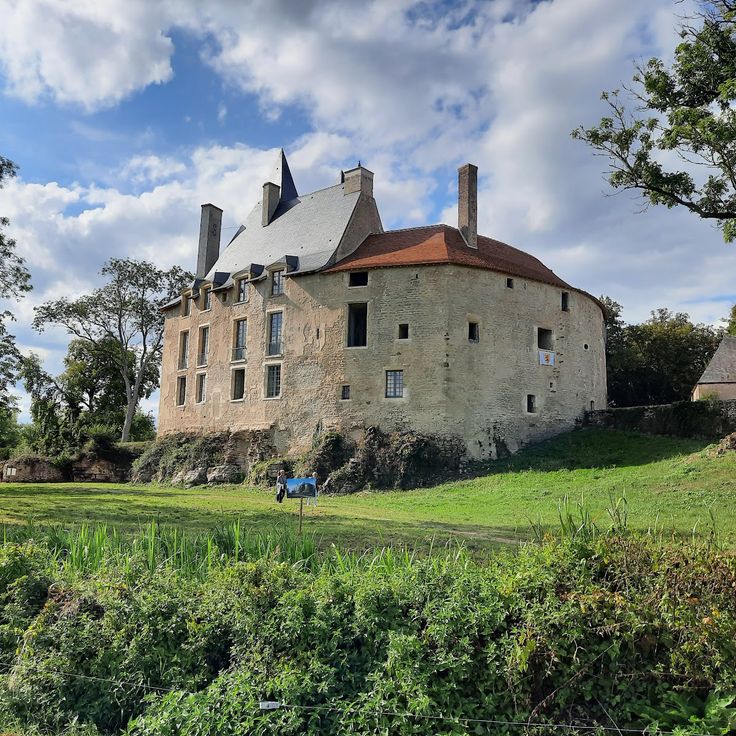
Fortress built between the 12th and 16th centuries on Gallo-Roman foundations, with towers and stone ramparts.
Nevers, France
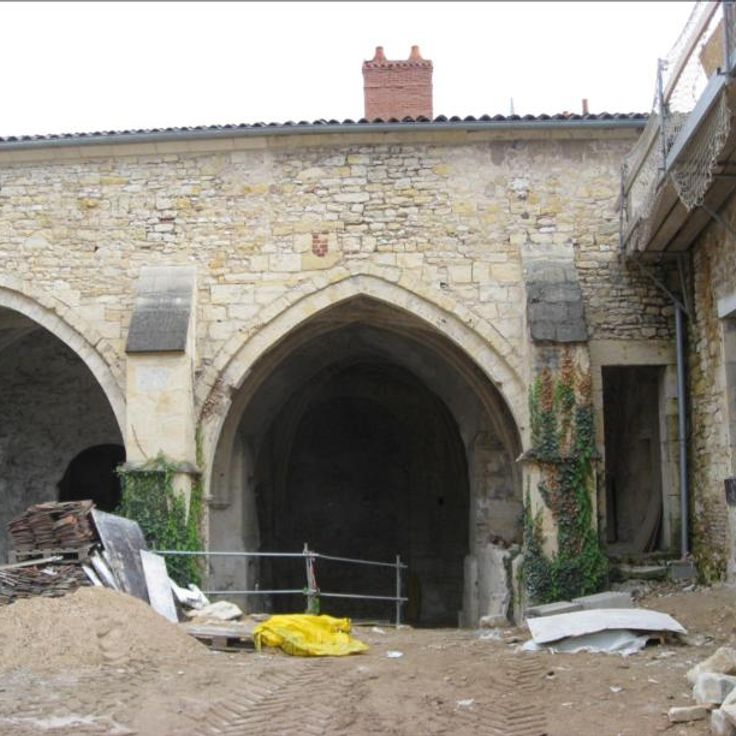
Cistercian monastery founded in the 12th century. The current architecture dates from the 13th and 14th centuries with its cloister, chapter house, and refectory.
Nevers, France
Benedictine monastery constructed between the 12th and 18th centuries. The building retains architectural elements from different periods of construction.
Nevers, France
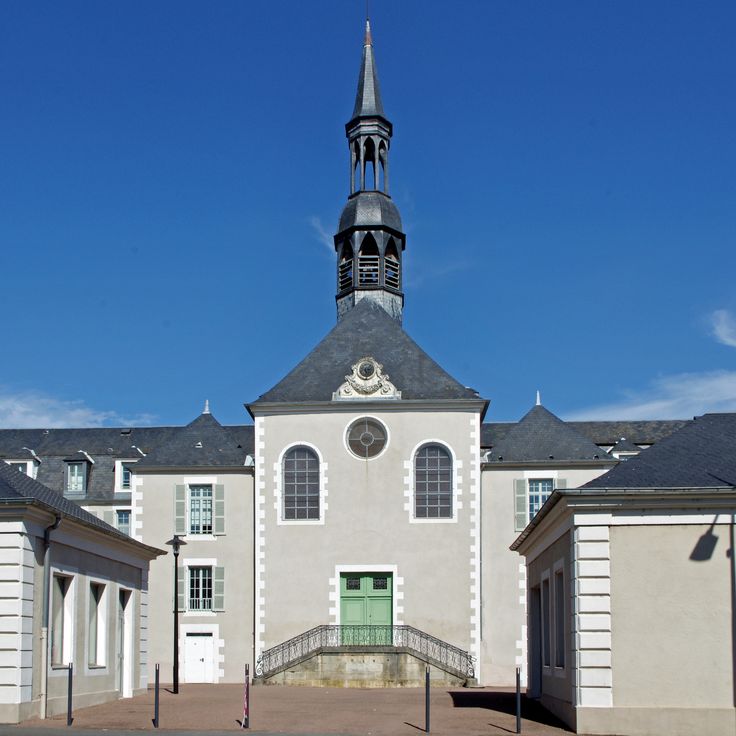
Religious building located on Colbert Street. The chapel features typical regional religious architecture with stained glass windows and a central nave.
Nevers, France
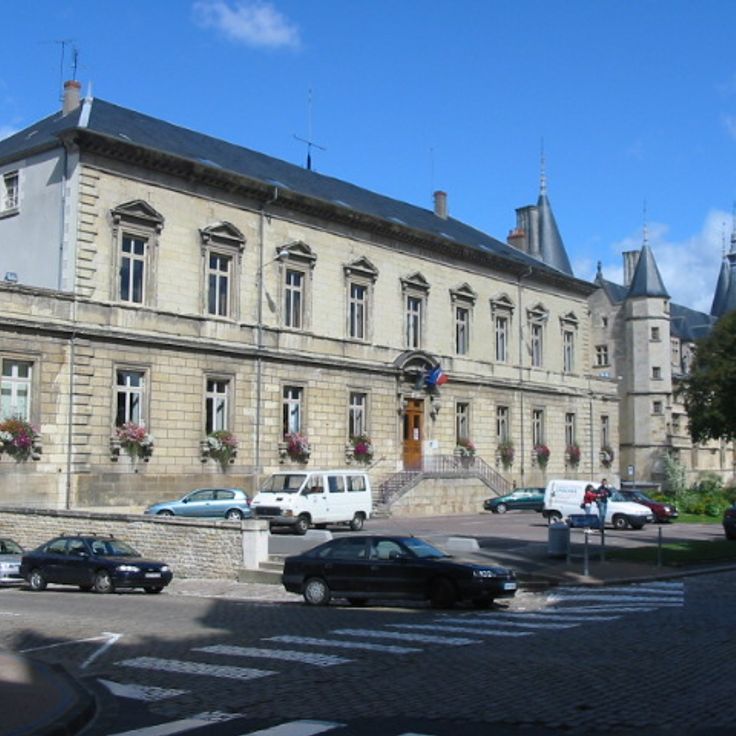
Administrative building from the 19th century that houses the municipal services. The facade includes columns and a characteristic triangular pediment.
Nevers, France
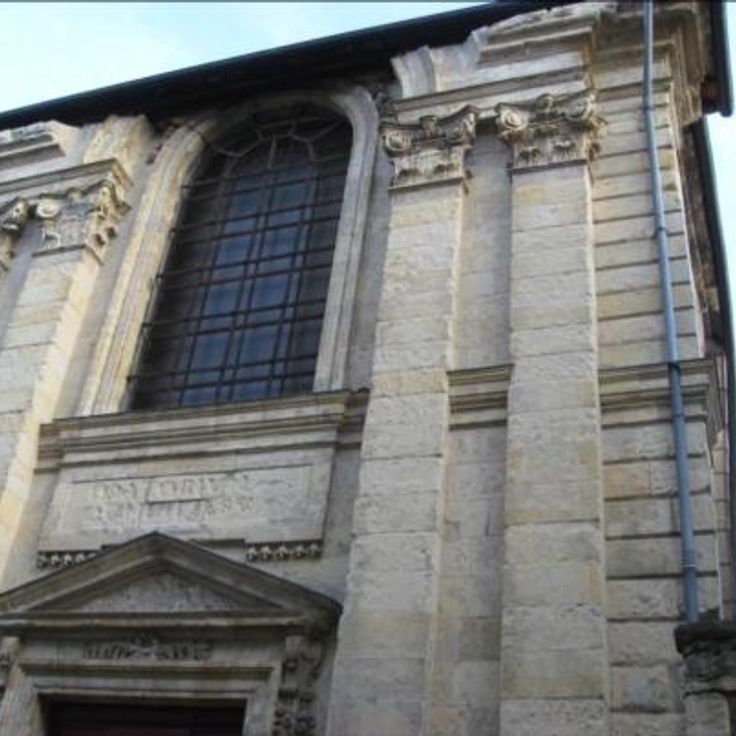
This chapel built between the 17th and 18th centuries exhibits religious architecture characteristic of the modern era with baroque decorative elements.
Nevers, France
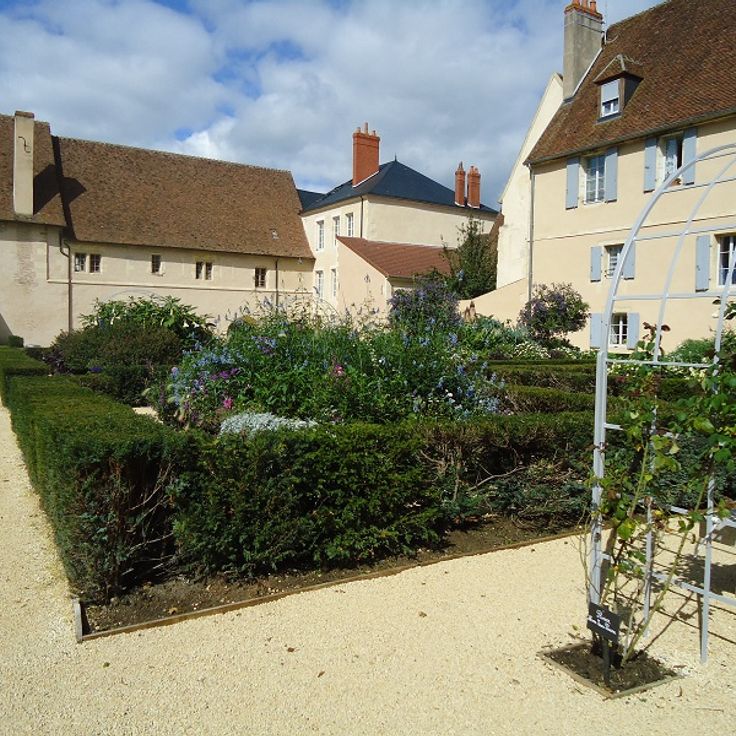
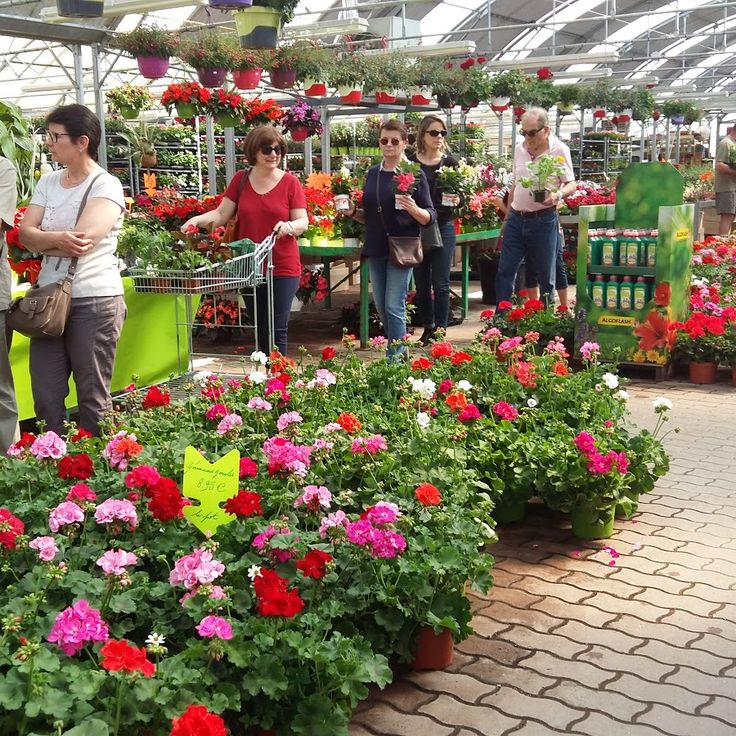
Green space of 10,475 square meters that recreates part of the historic gardens of the former Notre-Dame Abbey with its flower beds and walkways.
Nevers, France
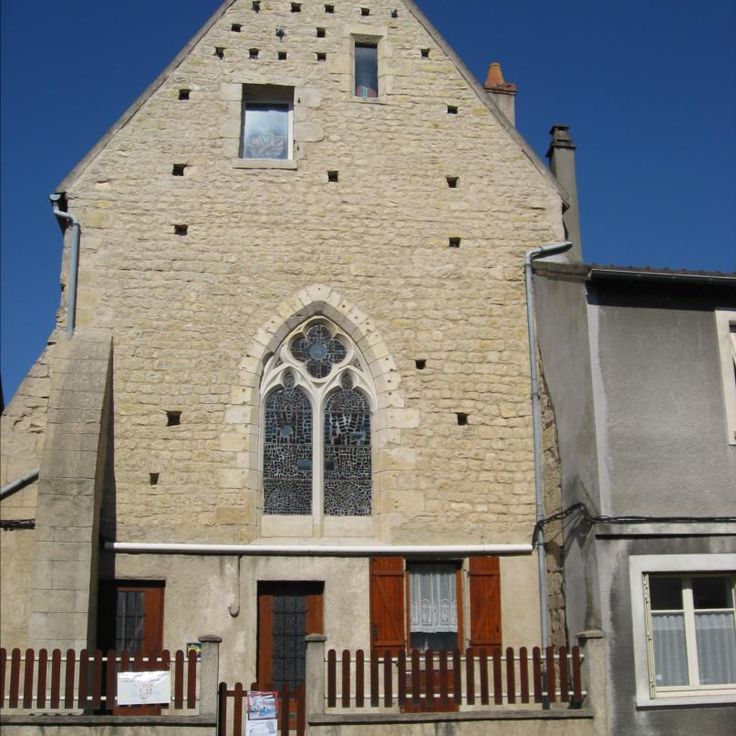
Religious building erected in the 14th century that retains Gothic architectural elements, including vaults and traceried windows.
Nevers, France
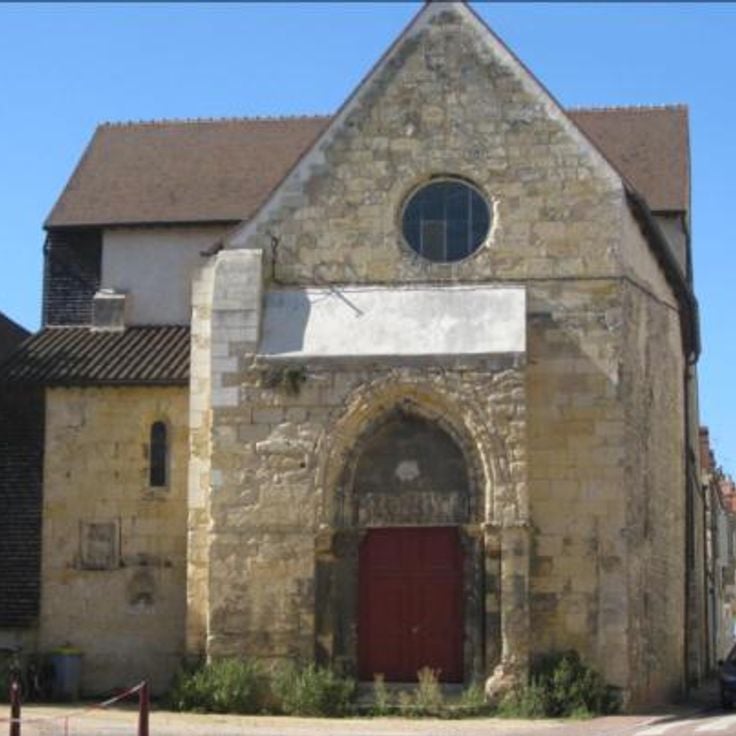
Religious monument from the 12th century that includes a Romanesque nave, side chapels, and a portal adorned with stone sculptures.
Nevers, France
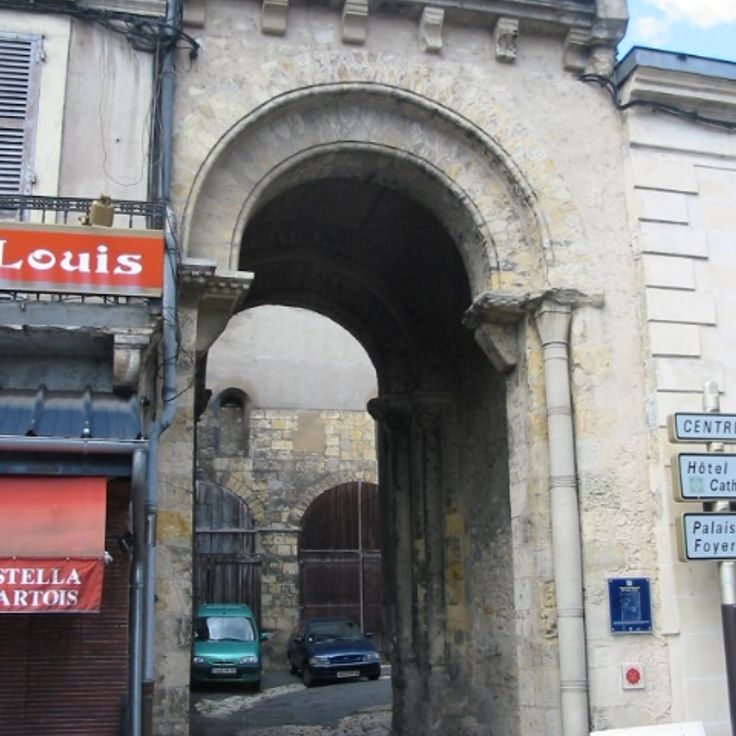
Religious building constructed in the 12th century, characterized by its Romanesque architecture and stone vaults. The structure features medieval sculptures on its facade.
Nevers, France
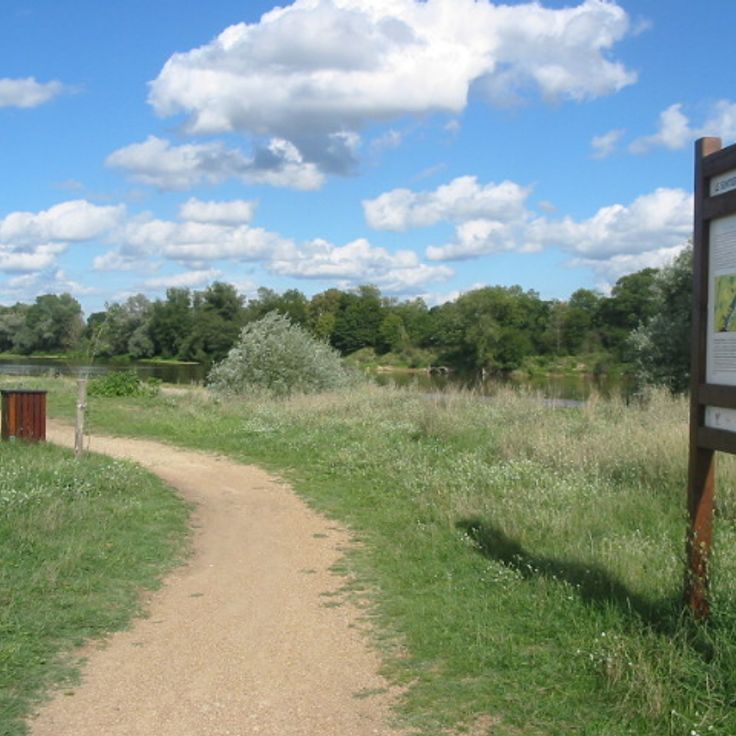
Footpath of 3.5 kilometers along the Loire, linking the railway bridge to the Allier confluence. The path passes through natural areas and offers views of the river.
Nevers, France
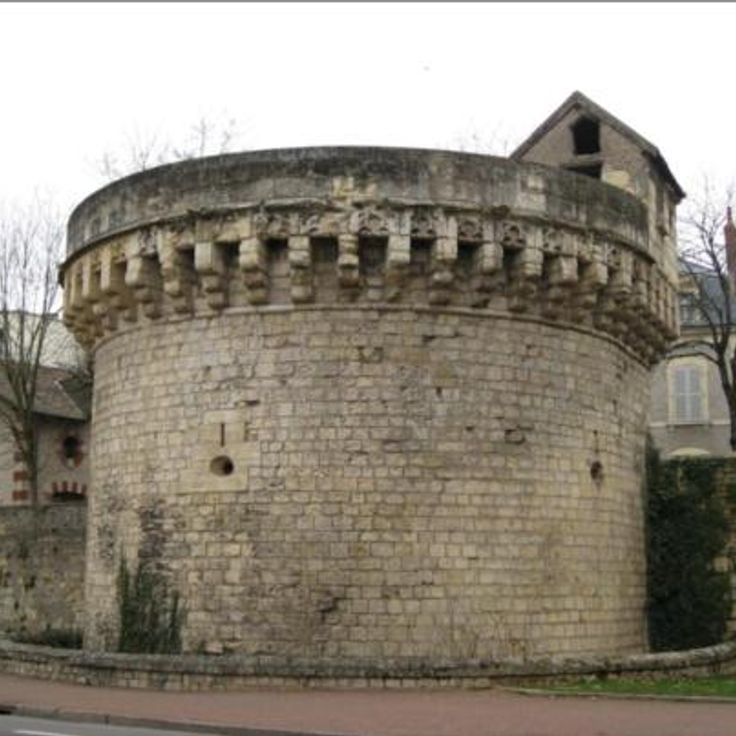
Military construction built between the 15th and 16th centuries. This stone watchtower is 30 meters high and has four levels.