Kansas offers a land where ancient geological formations, historical sites, and cultural institutions come together. This collection features locations that testify to several million years of natural history and two centuries of human presence. Visitors can explore sandstone formations shaped by erosion at Mushroom Rock State Park, discover underground galleries of Strataca in an active salt mine in Hutchinson, or see the chalk cliffs of Monument Rocks rising 21 meters high in Gove County. The route also includes testimonies of the region's artistic and religious heritage. The Plains Guardian, a 13-meter steel sculpture, marks the confluence of the Arkansas and Little Arkansas rivers in Wichita. The Victoria Stone Church showcases architecture from 1911 with its twin 43-meter towers. Eden Garden in Lucas features more than 150 concrete sculptures created between 1907 and 1928. The Cosmosphere houses the second-largest collection of space artifacts in the United States. These sites provide insight into the geological, historical, and cultural features of Kansas.
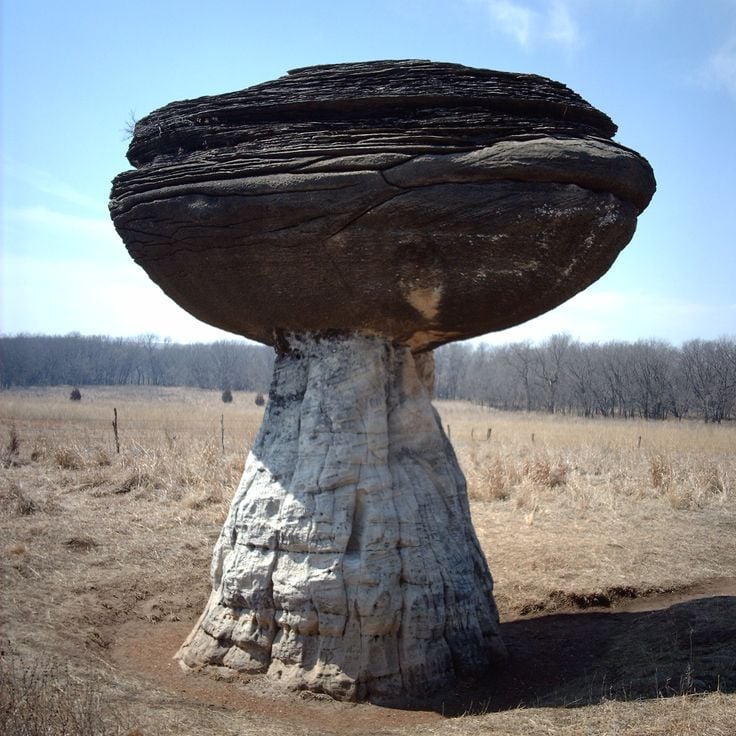
Ellsworth County, Kansas, United States
Mushroom Rock State Park preserves sandstone formations shaped by differential erosion. The harder upper layer resisted weathering better than the softer rock below. These Dakota sandstone structures developed over millions of years during the Cretaceous period. The area includes several such rock formations that resemble the shape of mushrooms. A walking path leads to the formations, which can be viewed from all sides.
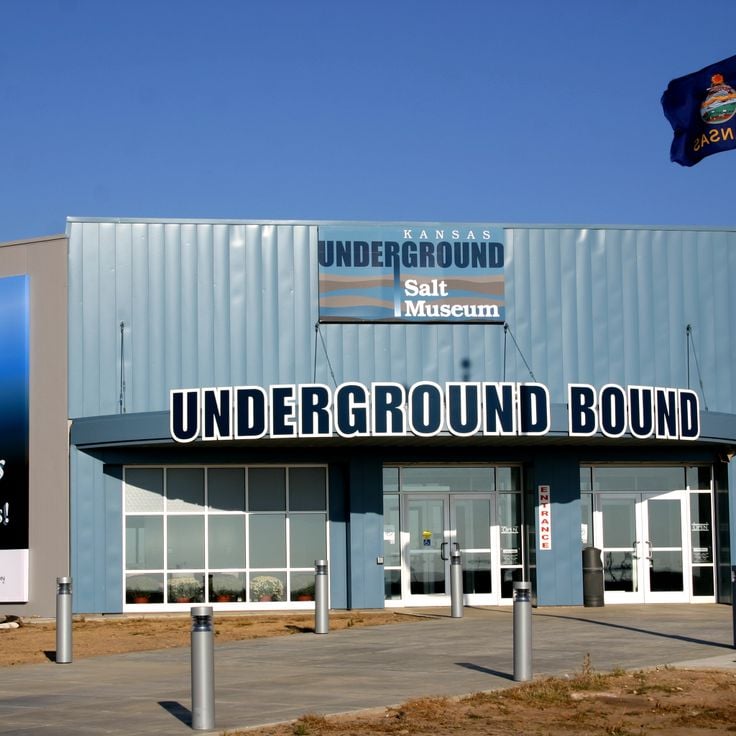
Hutchinson, Kansas, United States
Strataca is a mining museum located in an active salt mine 650 feet (200 meters) below the surface. The facility documents the history of salt extraction in Kansas and presents geological formations over 275 million years old. Visitors descend into the mine and tour the underground extraction chambers, where salt is harvested from massive deposits formed during the Permian period.
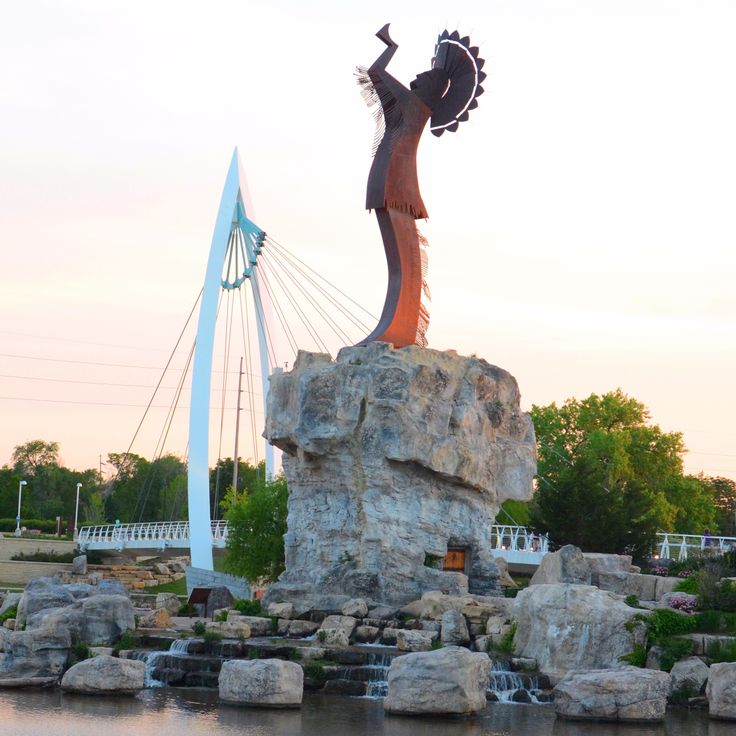
Wichita, United States
The Keeper of the Plains is a 44-foot tall steel sculpture standing at the meeting point of the Arkansas and Little Arkansas rivers. This sculpture depicts an indigenous warrior and was created in 1974 by artist Blackbear Bosin. It honors the native peoples who lived in this region and serves as a cultural landmark for Wichita. Visitors can reach the sculpture by pedestrian bridges connecting both riverbanks. In the evenings, the figure is illuminated while fire bowls are lit at its base.
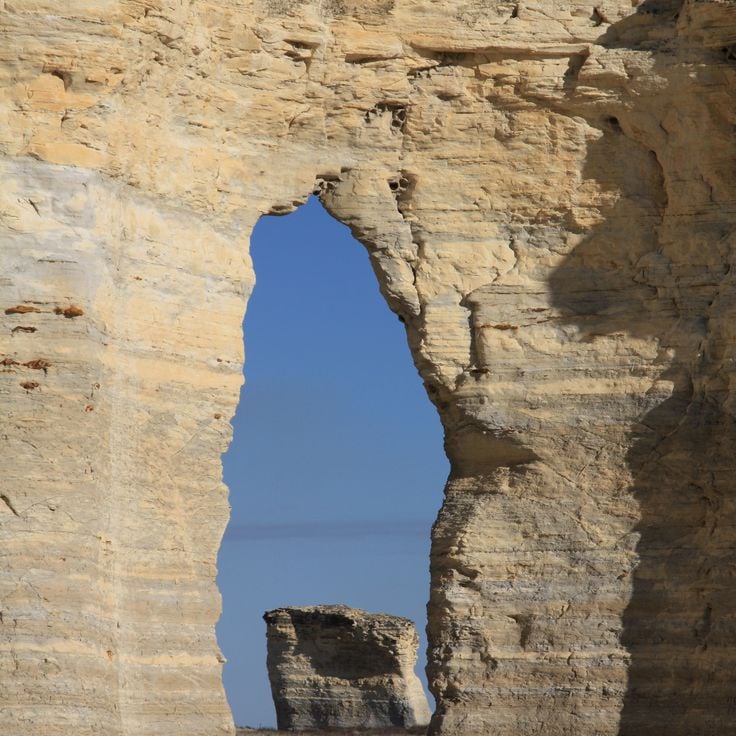
Gove County, Kansas, United States
Monument Rocks are chalk formations rising up to 70 feet (21 meters) in height, created during the Cretaceous period about 80 million years ago when this region was covered by a shallow inland sea. These rocks testify to the geological past of Kansas and belong to the oldest visible landscape forms in the state. The formations stand isolated in the prairie and form towers, arches, and columns of white to yellowish stone. Fossils of marine life are embedded in the layers. The site is publicly accessible but lies away from paved roads in an expansive grassland.
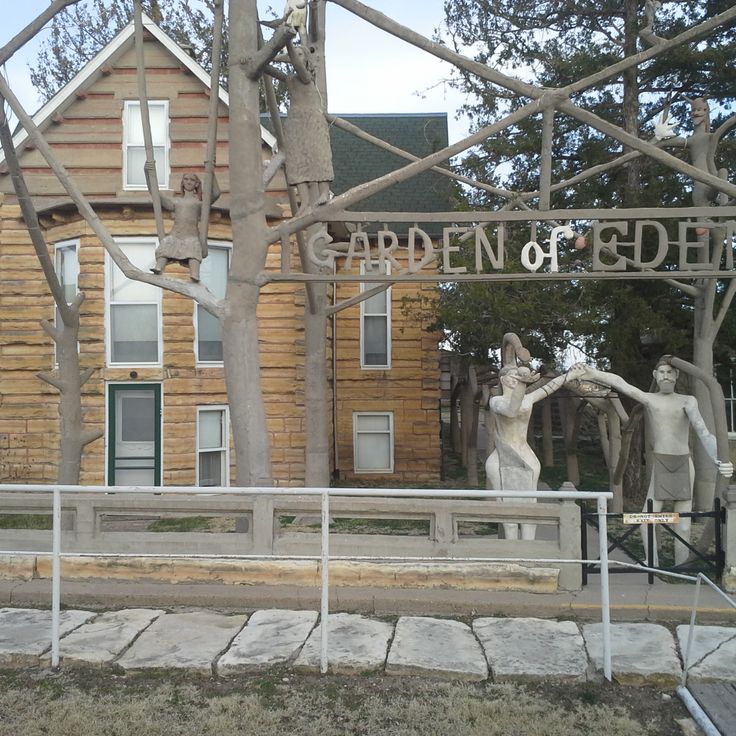
Lucas, Kansas, United States
The Garden of Eden in Lucas gathers concrete sculptures that Samuel P. Dinsmoor created between 1907 and 1928. The works show biblical scenes and social commentary on early 20th century American life. Dinsmoor built these sculptures around his home and turned the property into a sculpture garden. This site belongs to a collection that brings together natural formations, historical sites and cultural institutions of Kansas.
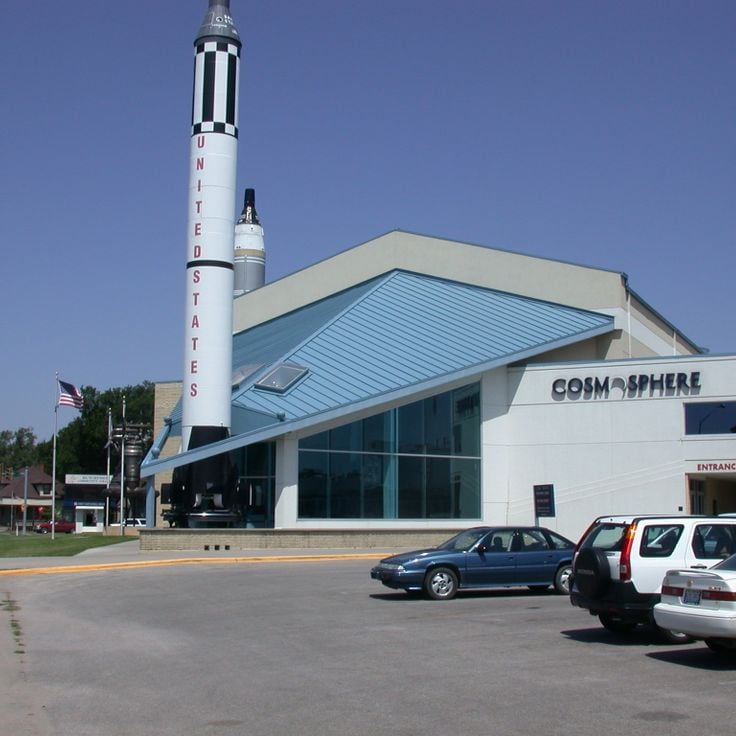
Hutchinson, United States
The Cosmosphere in Hutchinson houses an extensive collection of space artifacts from American and Russian programs. The museum displays original capsules, spacesuits, and technical equipment spanning several decades of space exploration. Exhibition halls present the development of human spaceflight from early missions to the International Space Station. Visitors can view artifacts from the Mercury program, Gemini missions, and the Apollo era. The institution also documents Soviet space history with exhibits from the Vostok and Soyuz programs.
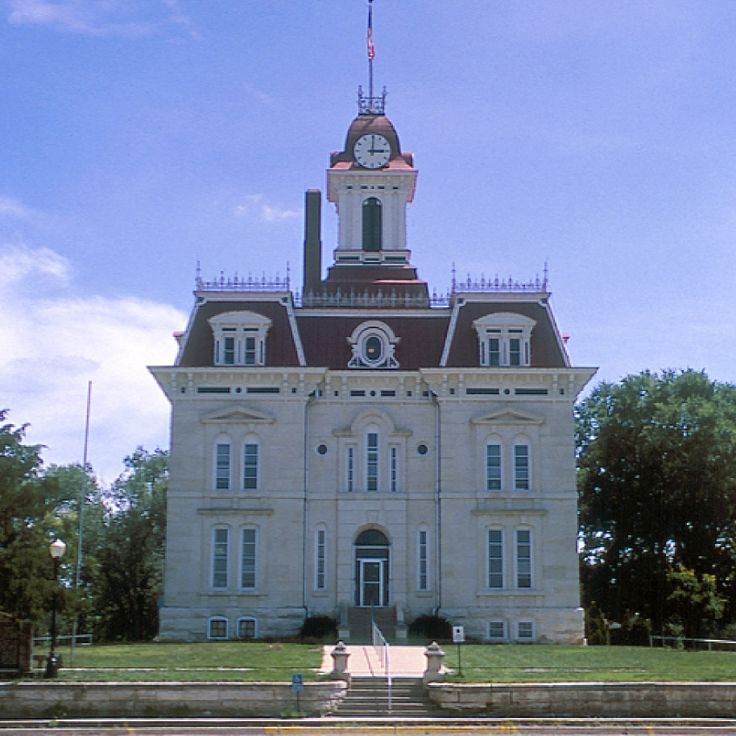
Chase County, Kansas, United States
Cottonwood Falls is a small town of 900 residents in the Flint Hills region. The 1873 courthouse stands at the center of Main Street and serves as the administrative seat of Chase County. The town is located within the prairie landscape of Kansas and functions as a gateway to the nearby geological formations of the Flint Hills.
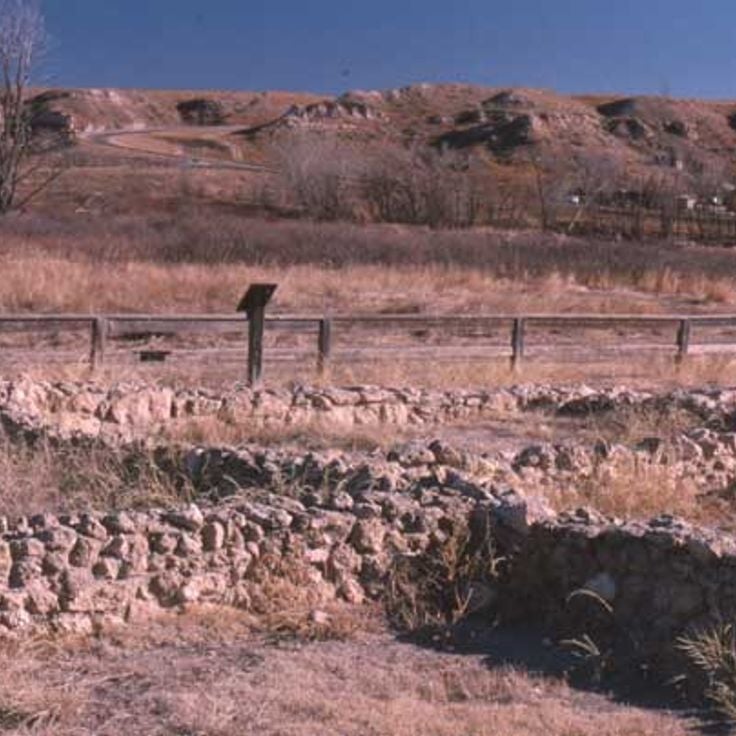
Comté de Scott, Kansas, United States
This state park surrounds a lake and sits in an area shaped by sandstone formations. You can walk to the remains of a 17th-century Pueblo settlement once inhabited by El Quarto people. The trails pass through open prairie grassland and along shoreline zones where birds rest and animals gather near the water. The lake spreads across a quiet expanse, surrounded by low hills and sand-colored rock. In some places, blocks of sandstone rise from the ground, shaped by wind and rain over long periods. It is a place where natural history and human traces meet, far from larger towns in western Kansas.
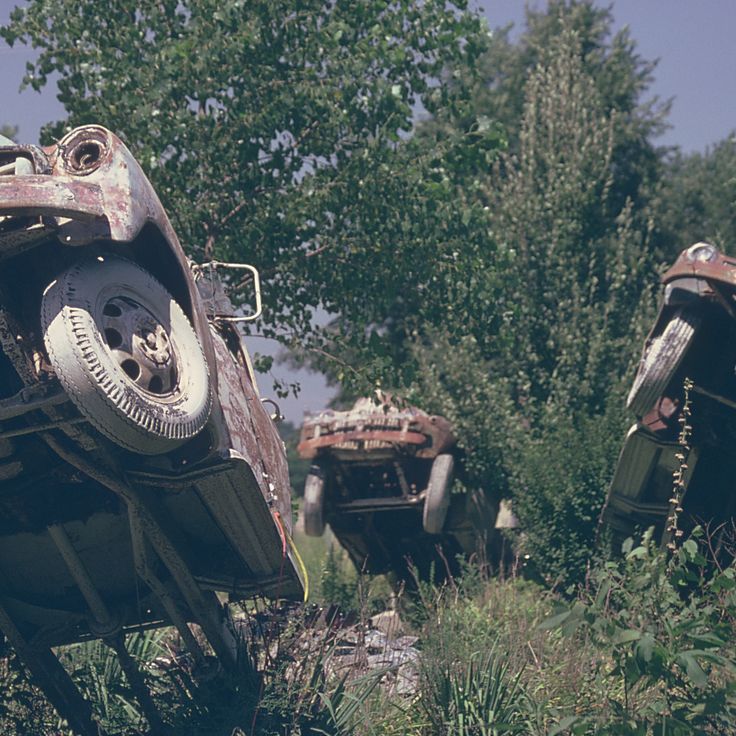
Shawnee County, United States
This outdoor art installation in rural Kansas displays agricultural equipment and trucks embedded vertically into the ground. The collection is located on private property in Shawnee County and is visible from public roads. The vehicles stand upright as sculptural elements, creating an unusual scene against the flat prairie landscape. Visitors can view the works from outside the property without entering the private grounds.
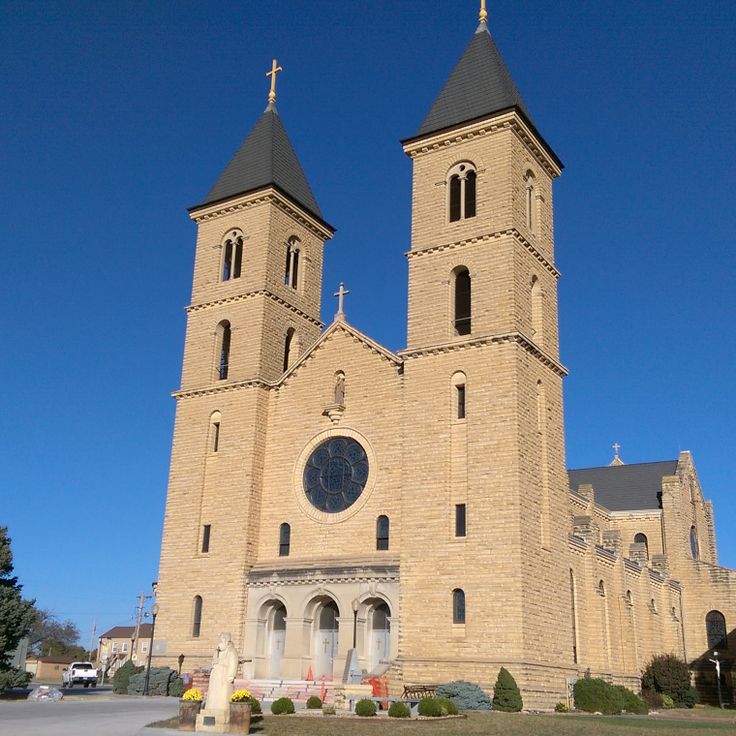
Victoria, United States
This stone church, completed in 1911, stands with twin bell towers rising 143 feet (43 meters) over the town of Victoria. The interior holds seating for 1100 people. The façade and supporting structure are made of local limestone, reflecting the building traditions brought by German settlers. The church continues to host services and community events.
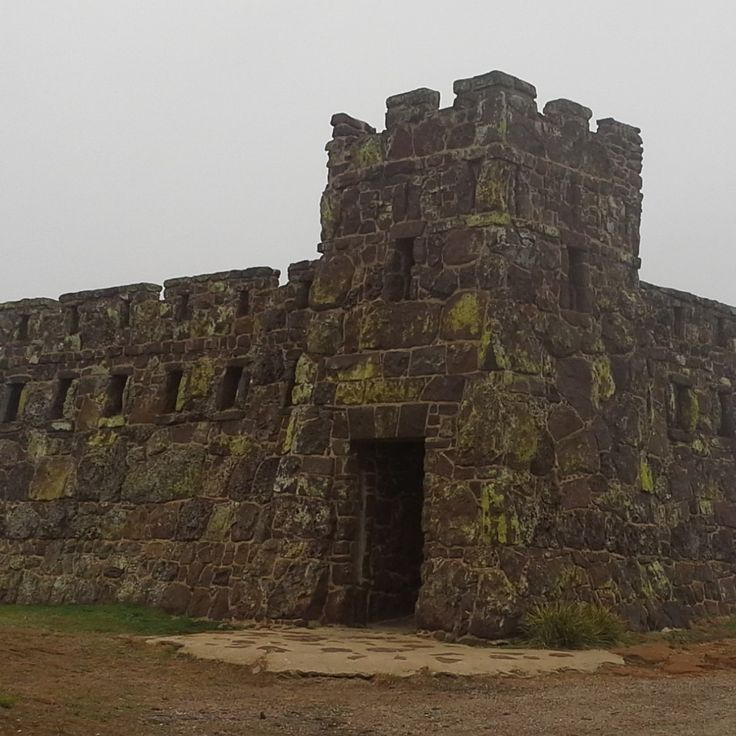
Saline County, United States
The overlook sits on top of a sandstone hill in the Smoky Hills region. The building is made from local stone and provides a wide view over the surrounding landscape of rolling terrain and grassland. The area served as a landmark for early settlers traveling through Kansas. Access is by a short path up the hill. Trees and low vegetation grow around the overlook. On clear days the view extends for miles. The site offers a sense of the topography of this region and its role in the history of settlement in the Midwest.
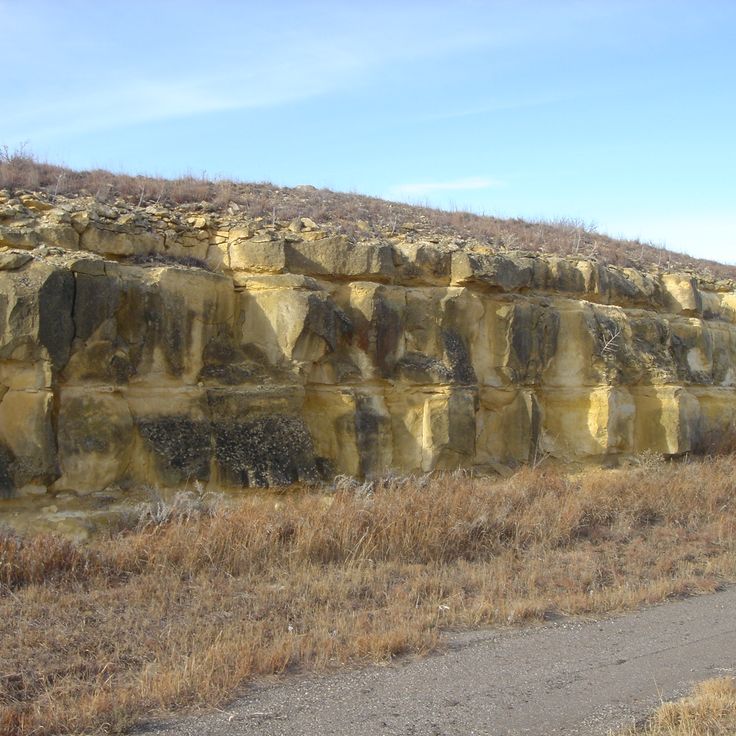
Trego County, United States
This park stretches along the shore of the reservoir in Trego County, where limestone cliffs line the shallow water. Fishermen use the shoreline areas, while campers set up on the designated grounds. The formations in the rock are remnants of an ancient seabed that solidified over millions of years. The reservoir itself serves the water supply of the region and provides habitat for various bird species. Trails run along the cliff edges, offering a wide view over the open landscape. The site connects the geological past of Kansas with the present recreation habits of visitors.
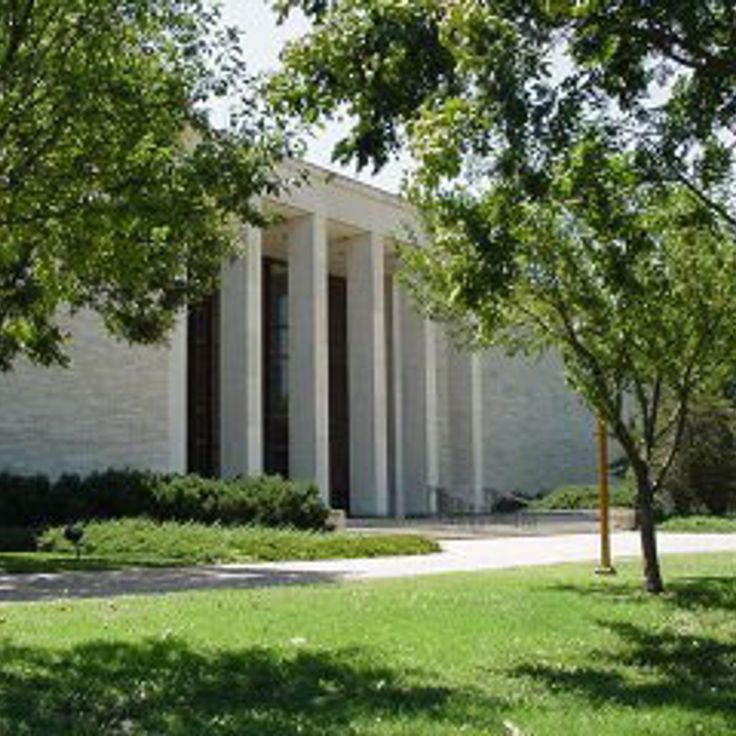
Abilene, United States
The library preserves personal items, photographs, and documents from Eisenhower's career as a general and as the 34th president of the United States. The collection includes uniforms, military decorations, and diplomatic correspondence. A separate building houses his grave. The grounds extend over several acres and include his birthplace home. The exhibits cover World War II, the Cold War, and American politics in the 1950s. Archival materials are available for research purposes.
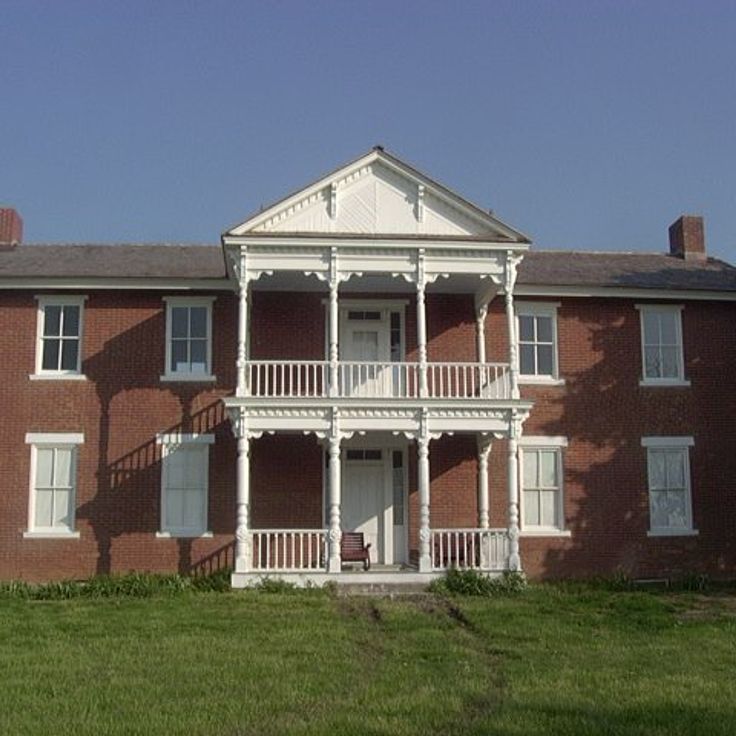
Kansas City, United States
This building from 1857 shows the architecture and furnishings of the first European settlers in Kansas Territory. The rooms contain furniture and objects from the mid-nineteenth century that document the life of a family on the banks of the Kansas River. The site sits on a former ferry crossing that carried travelers over the river when the region was barely settled. The timber structure stands on its original foundation and gives a sense of how people lived in this area before Kansas became a state in 1861.
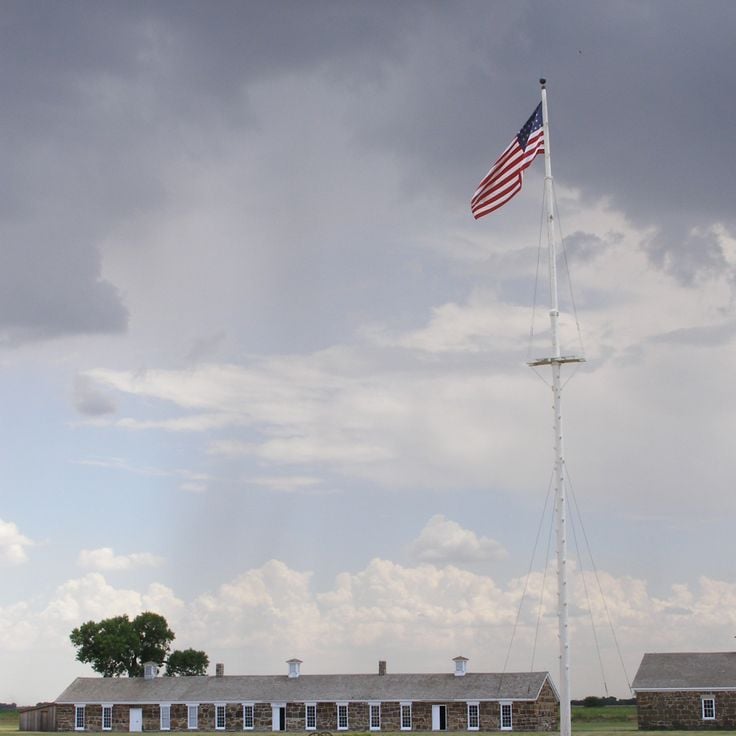
Larned, United States
This military post was built in the 1860s to protect travelers on the Santa Fe Trail. Fort Larned features nine original stone buildings, including barracks, storerooms, and officers' quarters, arranged around an open parade ground. The rooms contain period furniture and military equipment, including uniforms, weapons, and tools of daily use. The fort operated from 1859 to 1878 as a supply station and a place for negotiations with Plains Indian groups. Visitors can tour the workshops where blacksmiths and saddlers worked, and the dispensary where medical supplies were kept. The site sits beside the Pawnee River in an area that was a key passage for traders and settlers during the 19th century.
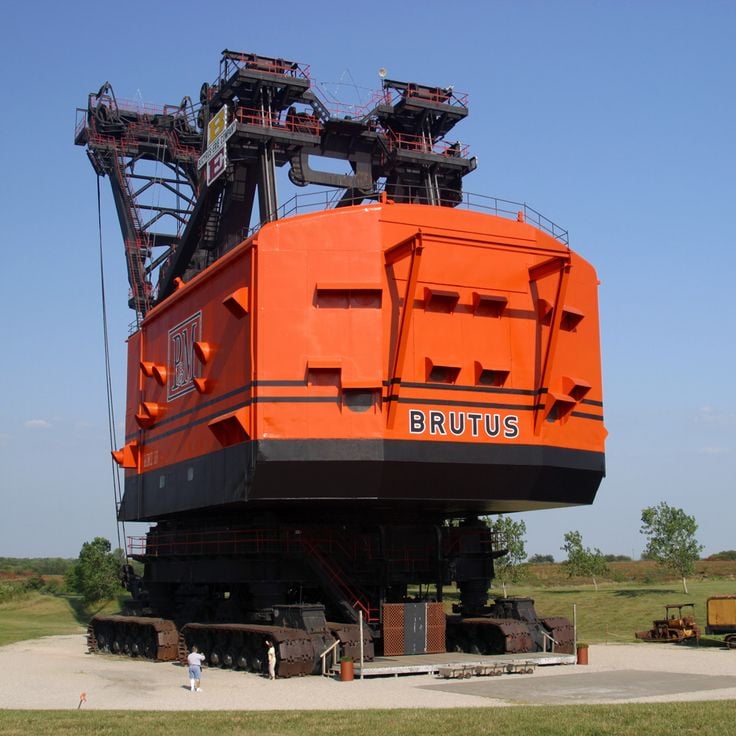
West Mineral, United States
This electric shovel reaches a height of 160 feet (49 meters) and operated in coal mines until 1974. Big Brutus is among the largest preserved mining machines in North America and now stands as a monument to industrial engineering in West Mineral. The machine could move 150 cubic yards (135 cubic meters) of material in a single pass and weighed around 11 million pounds (5400 metric tons) during operation. Visitors can explore the interior of the shovel and examine the scale of the control cabin, drive wheels, and mechanical systems. The site includes a small museum on the history of coal mining in Kansas. From the viewing platform, you can see the reclaimed mining areas of the surrounding region.

Comté de Norton, United States
Prairie Dog State Park sits on the shores of Keith Sebelius Reservoir in the northwestern prairie. The park hosts an active colony of black-tailed prairie dogs living in a dedicated observation area. The reservoir offers fishing for catfish, bass, and walleye, as well as boating. The shoreline combines grassland with sandy beaches. The park includes campsites, hiking trails, and picnic areas overlooking the water. The prairie dog colony is accessible year-round and shows the typical behavior of these rodents in their natural habitat.
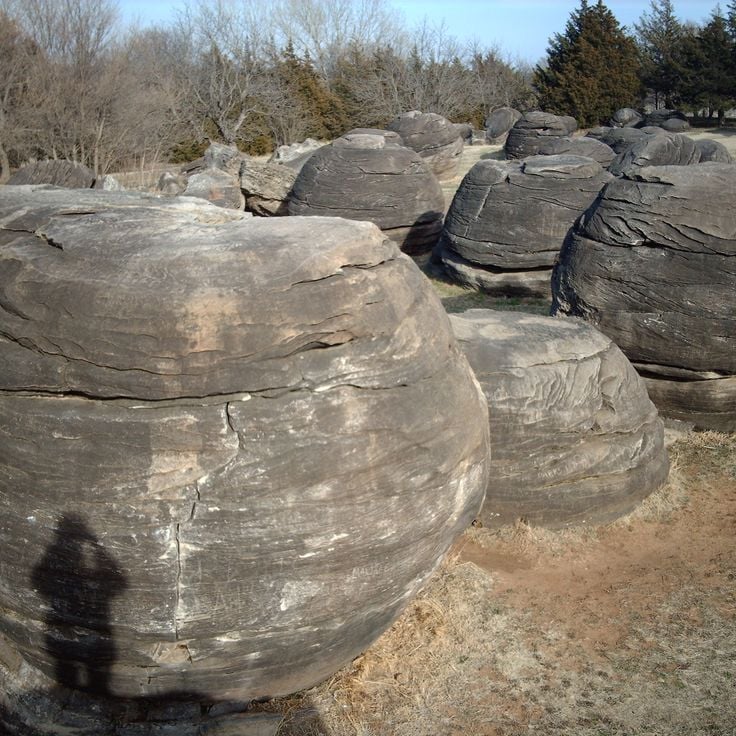
Minneapolis, United States
Rock City Park displays more than 200 round sandstone formations from the Dakota Formation across about 5 acres (2 hectares). These geological structures formed millions of years ago through natural erosion processes and today make up an open-air natural history museum in northern Kansas.
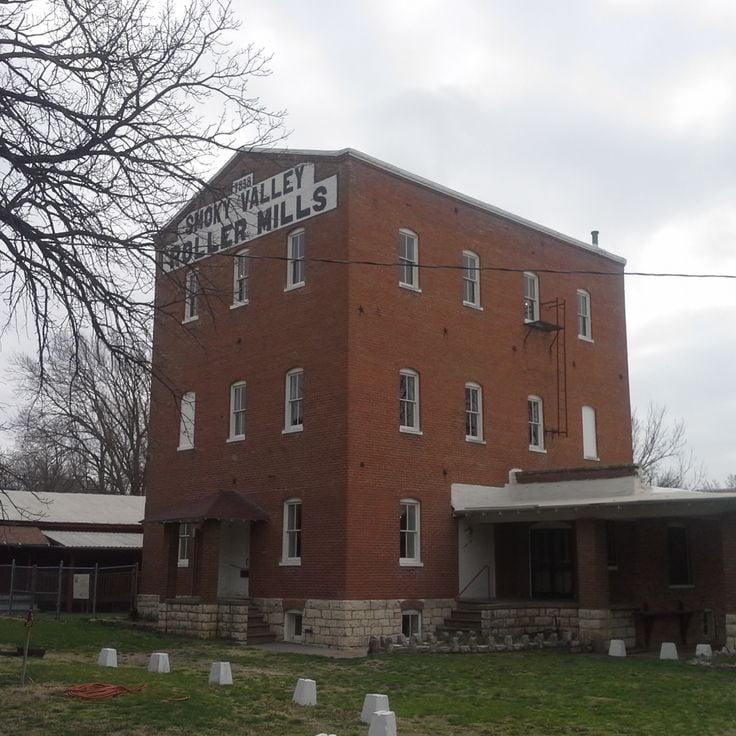
Lindsborg, United States
The Smoky Valley Roller Mill is a working grain mill from the 1800s. The building houses original grinding machines and tools used for flour production. Visitors can see the mechanical equipment and follow the work processes that were common in mills throughout this region for decades. The site shows how grain was processed before industrial methods changed production. The mill represents the agricultural tradition of Kansas in the 1800s.
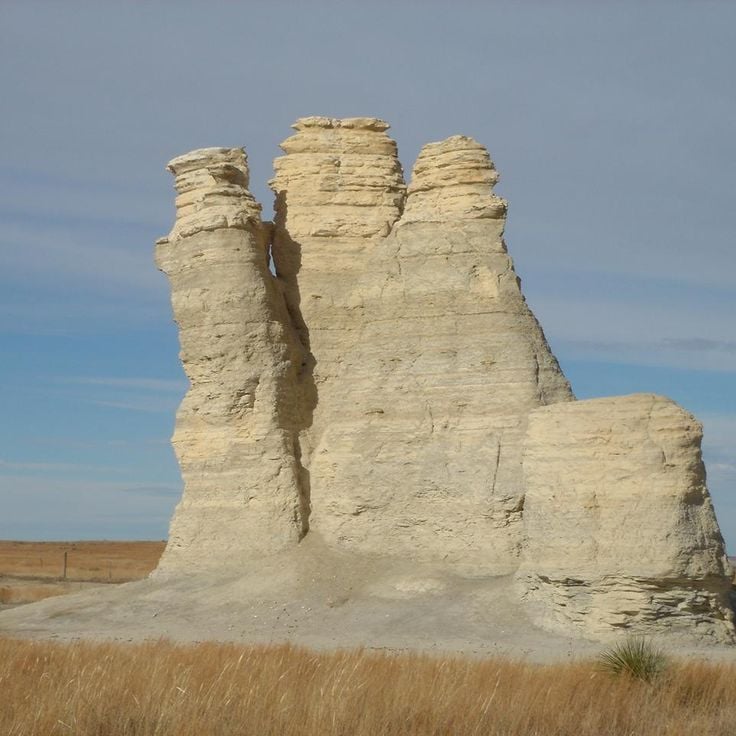
Gove County, United States
Castle Rock consists of limestone pillars that rise 70 feet (21 meters) above the prairie landscape of western Kansas. Erosion has carved these geological formations from the Niobrara Chalk over millions of years. The pillars are remnants of an ancient seabed that once covered this region.
Montgomery County, United States
This state park covers 857 hectares (2,118 acres) with trails, a 230-hectare (568-acre) lake for fishing and boating. The area provides space for camping and observing wildlife in the woods and along the shoreline. Visitors can choose between different routes that lead through forested terrain. The lake attracts anglers and accommodates canoes and small boats. The facility is located in southeastern Kansas, where the landscape is gently rolling and oaks grow.
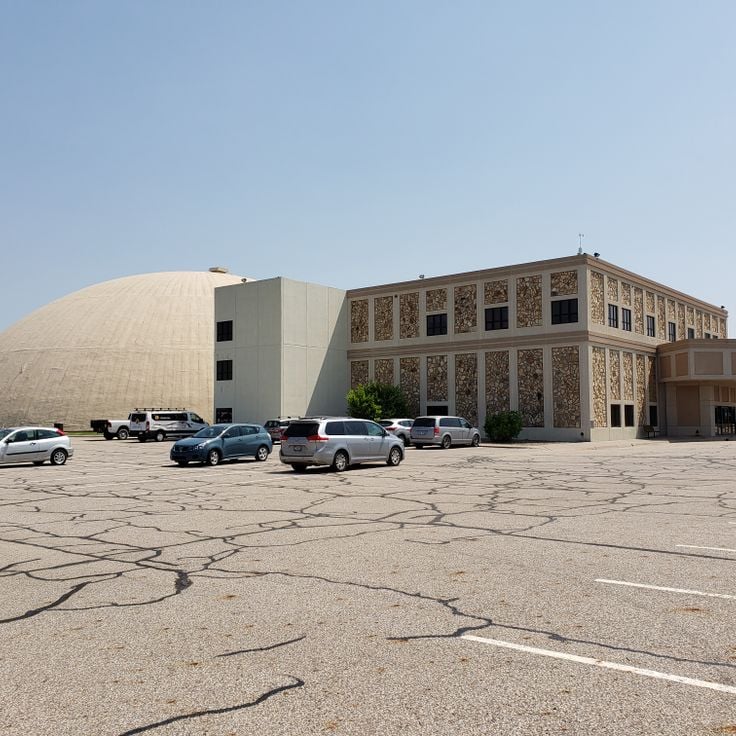
Hays, United States
The Sternberg Museum of Natural History displays fossils from the Cretaceous period, when western Kansas lay beneath a shallow inland sea. The exhibition halls contain complete skeletons of marine reptiles, including mosasaurs and plesiosaurs that lived in this region around 80 million years ago. The collections also feature fossilized fish, ammonites, and pterosaurs. A reconstructed diorama shows the prehistoric underwater landscape with its inhabitants. Beyond the paleontological exhibits, the museum documents the geological layers of the Great Plains and preserves evidence of early settlement by European immigrants in the 1800s.
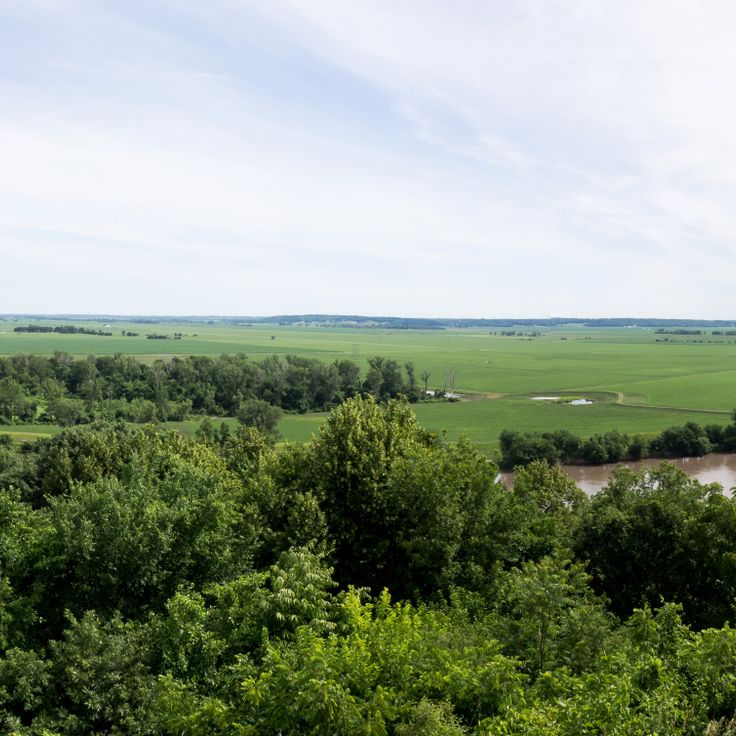
White Cloud, United States
This observation point at 95 meters elevation sits where four states meet. From White Cloud, the site stands on high ground above the Missouri River. On clear days, Kansas, Missouri, Nebraska and Iowa are all visible from this single spot. The landscape shows river bends, fields and wooded hills. A marker indicates the position and explains the sight lines toward the neighboring states. Visitors come here to experience the border between the four territories.
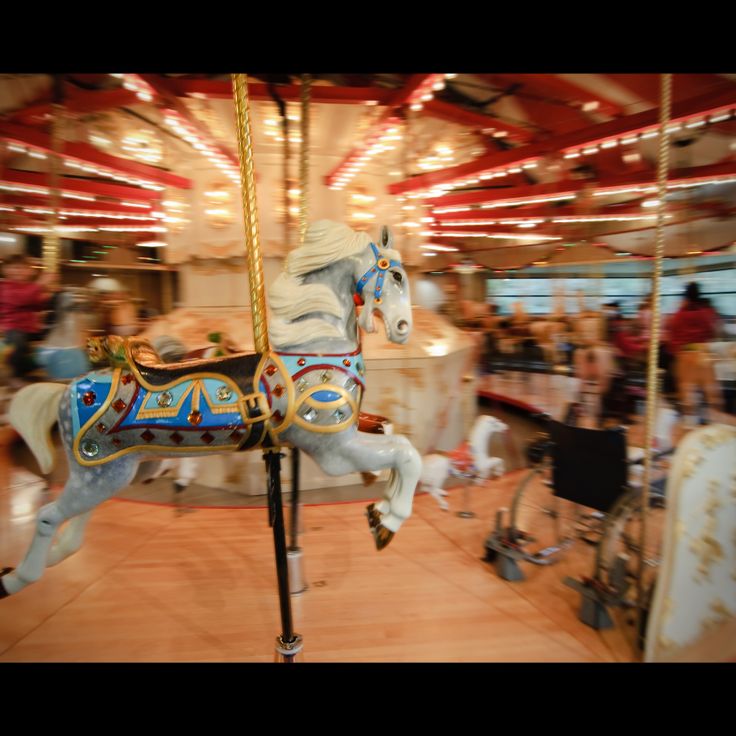
Leavenworth, United States
This museum in Leavenworth preserves hand-carved carousels from the 19th century. It documents the history of Parker carousel manufacturing, which had its roots in this city. The exhibition shows historic figures, mechanisms and tools from that era of production. Visitors can examine the details of wooden horses and other animal figures up close. The museum explains how these rides were built and painted in the past.
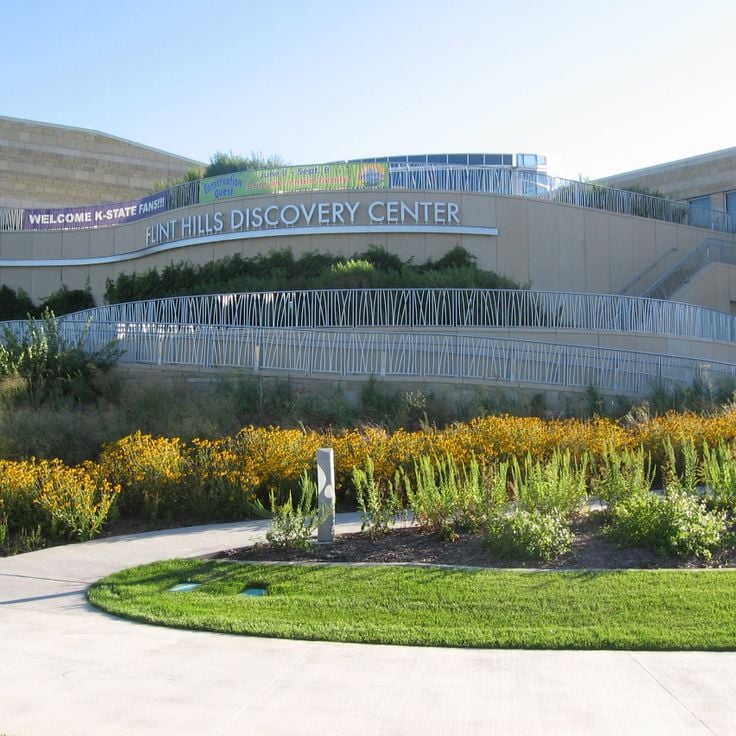
Manhattan, Kansas, United States
The Flint Hills Discovery Center in Manhattan presents the history of tallgrass prairie and explains the relationship between humans and nature in eastern Kansas. The building features interactive exhibits on the formation of grassland ecosystems, the role of fire in this environment, and the development of ranching in the region. Visitors can walk through galleries that explore different aspects of the prairie, from geological formation to modern agriculture. The center sits at the edge of the Flint Hills area, one of the last large expanses of tallgrass prairie in North America. Exhibits combine historical documents, natural history specimens, and digital installations. Part of the museum focuses on the history of ranches and the development of settlements in this grassland region during the 19th century.
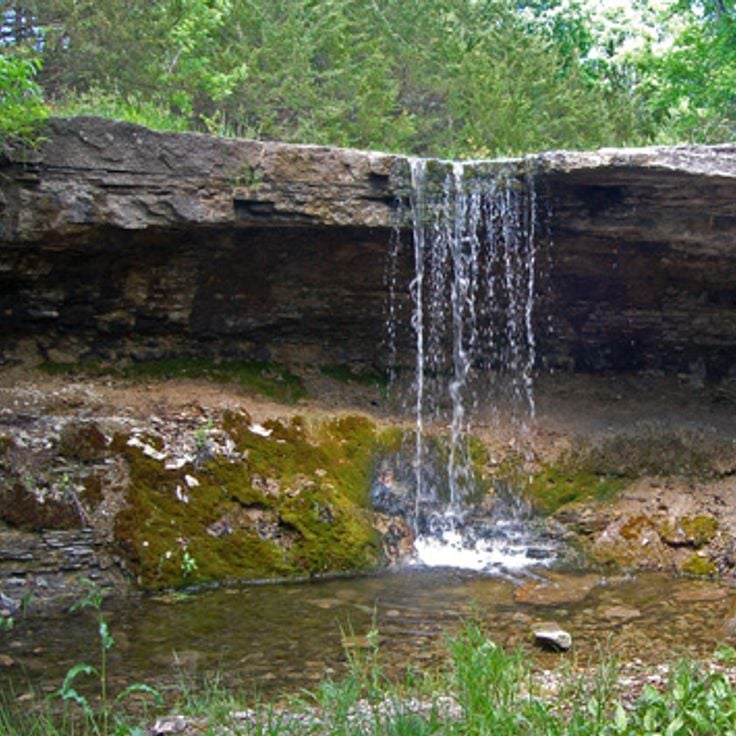
Comté de Marshall, Kansas, United States
Alcove Springs served as an important rest stop along the Oregon Trail during the 19th century. The spring provided fresh water and shade for wagon trains traveling west. Inscriptions carved into the rock and a small waterfall mark this site, which documents migration movements across the United States.
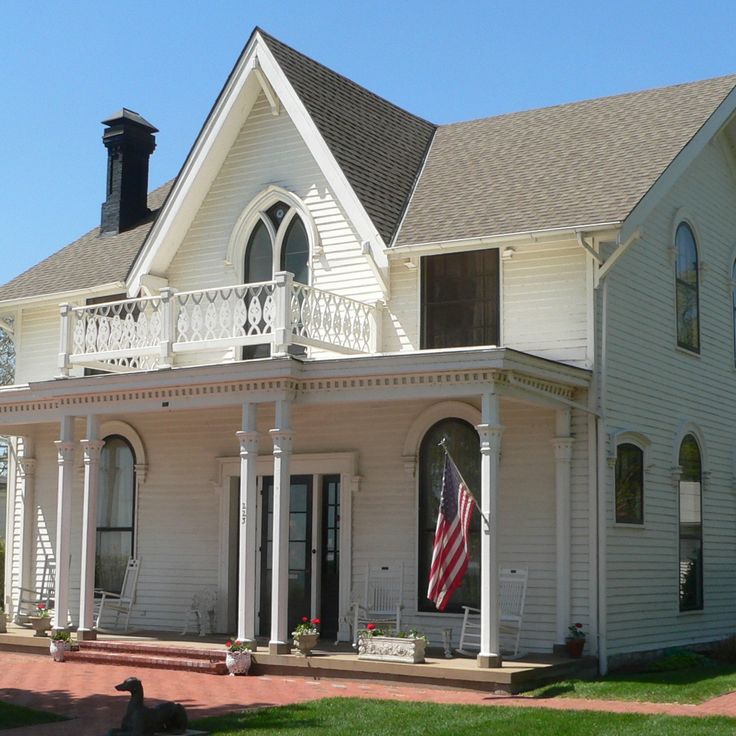
Atchison, United States
The Amelia Earhart Birthplace Museum occupies the 1873 residence where the aviator spent her early years. Rooms have been restored to reflect the domestic environment of the Earhart family in the late 19th century. Personal items, photographs, flight equipment and documents trace her life and achievements as an aviation pioneer.
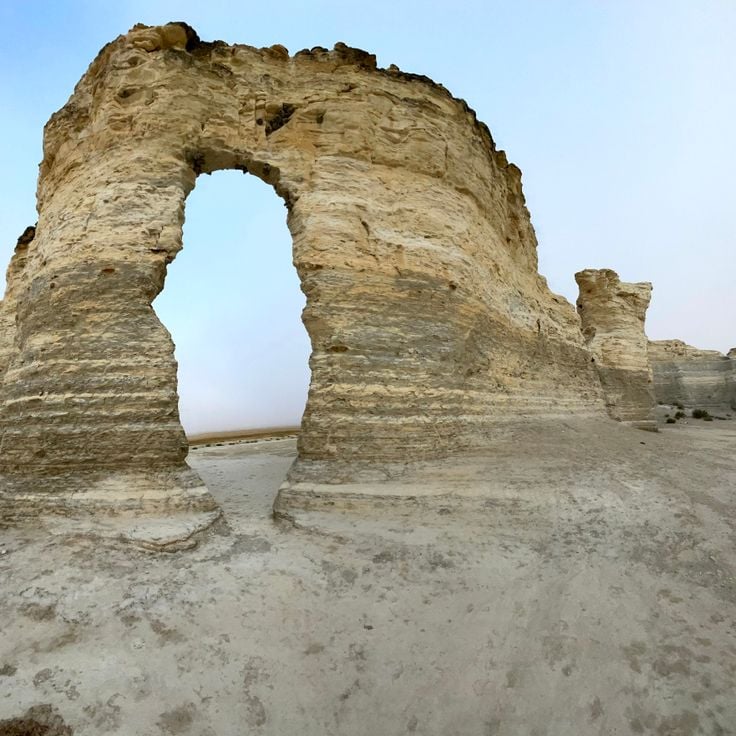
Logan County, United States
Little Jerusalem Badlands State Park protects Niobrara chalk formations that were created around 85 million years ago at the bottom of a shallow inland sea. The limestone cliffs reach up to about 30 meters high (around 100 feet), with some rock towers standing alone in the landscape. The area covers roughly 135 hectares (about 330 acres) and shows the geological layers from a time when the ocean covered this part of the continent.
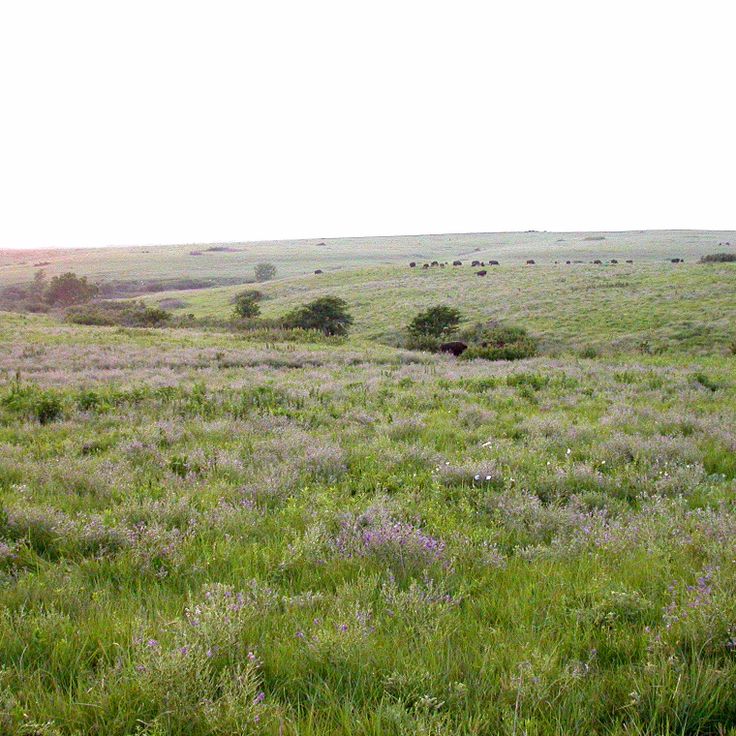
Riley County, United States
The Konza Prairie Biological Station covers an area that serves as a research site for long-term ecological studies of prairie ecosystems. This station preserves different types of grassland in their original state. Marked trails lead through the landscape and allow visitors to observe native vegetation. The area shows what this landscape looked like before agricultural development, with tall grasses and seasonal wildflowers.
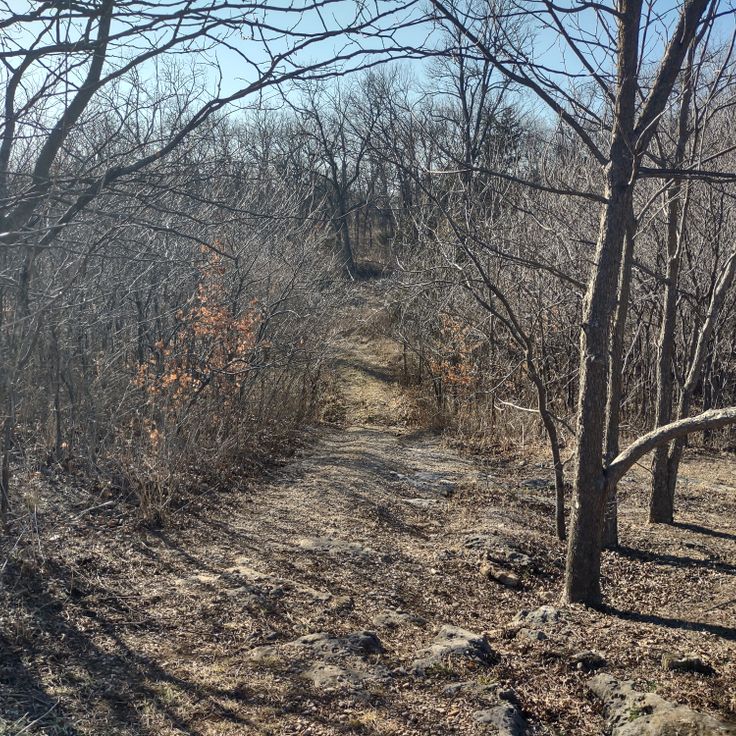
Linn County, United States
The Marais des Cygnes Massacre Site marks the killing of five settlers on May 19, 1858 by militias who supported slavery. This place documents the violent clashes between those who favored slavery and those who opposed it during the Bleeding Kansas period. The site includes a small museum with panels that explain the events and the historical context of this tragedy.
Garden City, United States
This zoo in Garden City houses animals from different continents across grounds with pathways, enclosures, and planted areas. Visitors can observe mammals, birds, and reptiles, and attend talks and workshops. The grounds sit within a park with shade trees and lawn areas. The facilities are accessible to families, with rest spots and signs that provide information about animal habitats.