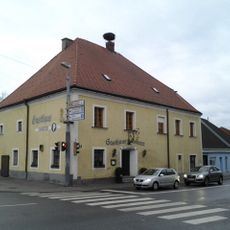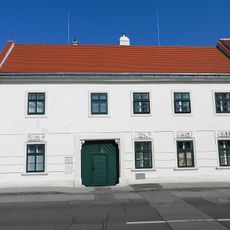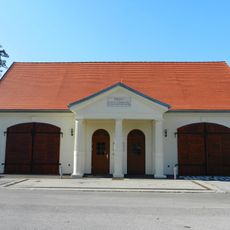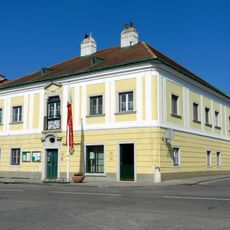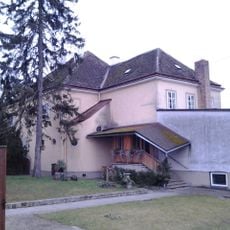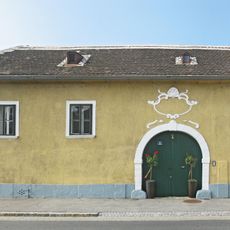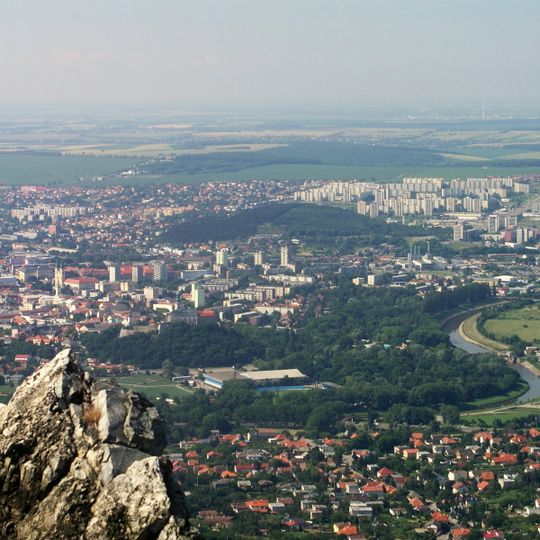
Plaine pannonienne occidentale, Physiographic province and basin in Austria and Hungary
The Western Pannonian Plain is a vast sedimentary lowland bounded by the Alps, Carpathians, and Dinaric Alps. Its fertile soils support extensive agricultural lands that cover much of the landscape.
The region was part of the Roman province of Pannonia until the 9th century, when it became the core of the emerging Hungarian Kingdom. This association lasted until the early 1900s, shaping centuries of development.
Hungarian, Slovak, Slovenian, and Serbian communities shape how the land is used and celebrated through local traditions and ways of living. These groups have left their mark on the everyday character of villages and towns across the region.
The flat terrain allows easy movement by road and rail without steep slopes or obstacles. The open landscape provides good visibility, making it simple to navigate by car or bicycle.
Temperatures swing dramatically between hot summers and cold winters, with differences of up to 30 degrees. These extreme variations influence farming practices, plant growth, and how buildings are constructed.
The community of curious travelers
AroundUs brings together thousands of curated places, local tips, and hidden gems, enriched daily by 90,792 contributors worldwide.