See the monuments around you in AROpen chests in the app
Around Us is built for your phone — point your camera at the streets and discover the monuments and places around you in augmented reality.Around Us is built for your phone — chests unlock when you walk, explore and capture nearby places.
Valence preserves architecture from several centuries, from medieval religious buildings to Renaissance homes. The Cathedral Saint-Apollinaire dates from the 11th century and shows Romanesque construction, while the Maison des Têtes draws visitors with its sculpted 16th-century facade. Place des Clercs forms the heart of the old town, surrounded by shops and cafés. The Valence Museum sits in a former episcopal palace and displays collections of regional history and art.
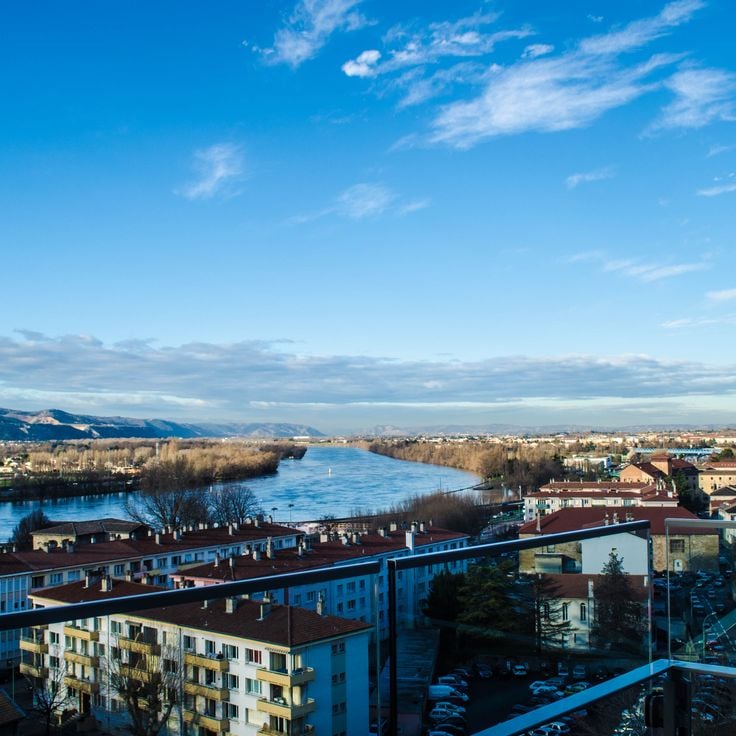
The city connects historic districts with parks and gardens along the Rhône River. Parc Jouvet offers shaded paths and views over the valley, while the Peynet Bandstand is a popular meeting place. The Mistral Bridge links both river banks and provides views of the surroundings. Along Grande Rue and neighboring streets, you find shops, markets, and restaurants. The Saint-Jean Church, the Maison Mauresque with oriental architecture, and the Valence-Ville train station show different architectural styles. Public squares like Champ de Mars and Aristide Briand Square serve as gathering places for locals and visitors.
Valence preserves architecture from several centuries, from medieval religious buildings to Renaissance homes. The Cathedral Saint-Apollinaire dates from the 11th century and shows Romanesque construction, while the Maison des Têtes draws visitors with its sculpted 16th-century facade. Place des Clercs forms the heart of the old town, surrounded by shops and cafés. The Valence Museum sits in a former episcopal palace and displays collections of regional history and art.
The city connects historic districts with parks and gardens along the Rhône River. Parc Jouvet offers shaded paths and views over the valley, while the Peynet Bandstand is a popular meeting place. The Mistral Bridge links both river banks and provides views of the surroundings. Along Grande Rue and neighboring streets, you find shops, markets, and restaurants. The Saint-Jean Church, the Maison Mauresque with oriental architecture, and the Valence-Ville train station show different architectural styles. Public squares like Champ de Mars and Aristide Briand Square serve as gathering places for locals and visitors.
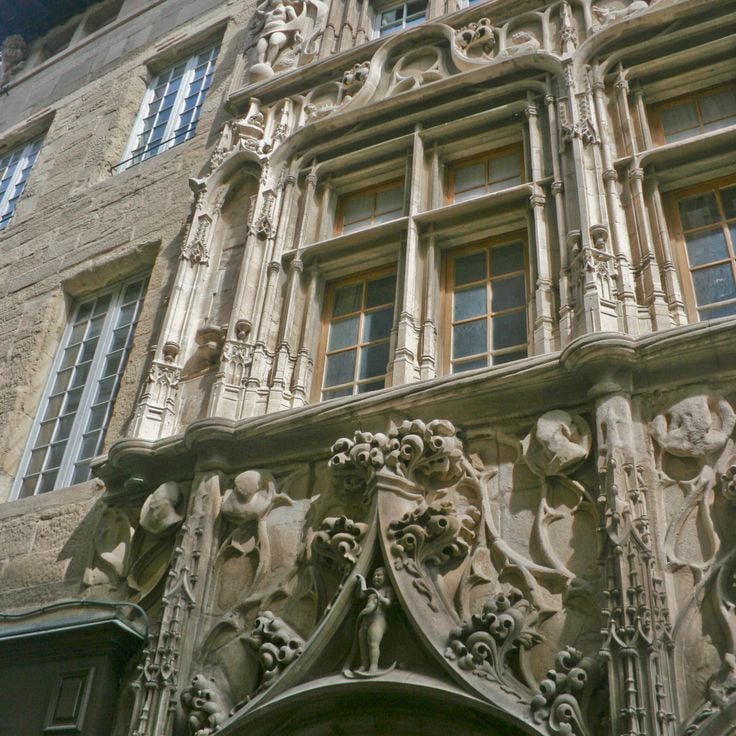
This Renaissance building from 1528 stands in the center of Valence and takes its name from the many carved heads covering its facade. You can see human faces, figures from mythology, and ornamental motifs typical of the period's architecture. The stonework spreads across several floors and shows the craftsmanship of the Renaissance. Today the building is among the notable historical structures in the city and draws visitors walking through the streets of the old center.
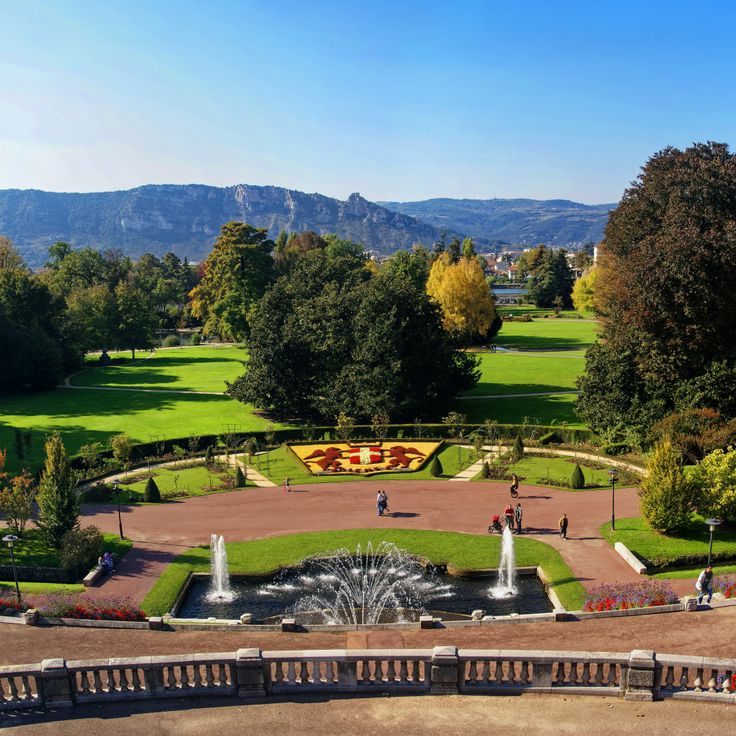
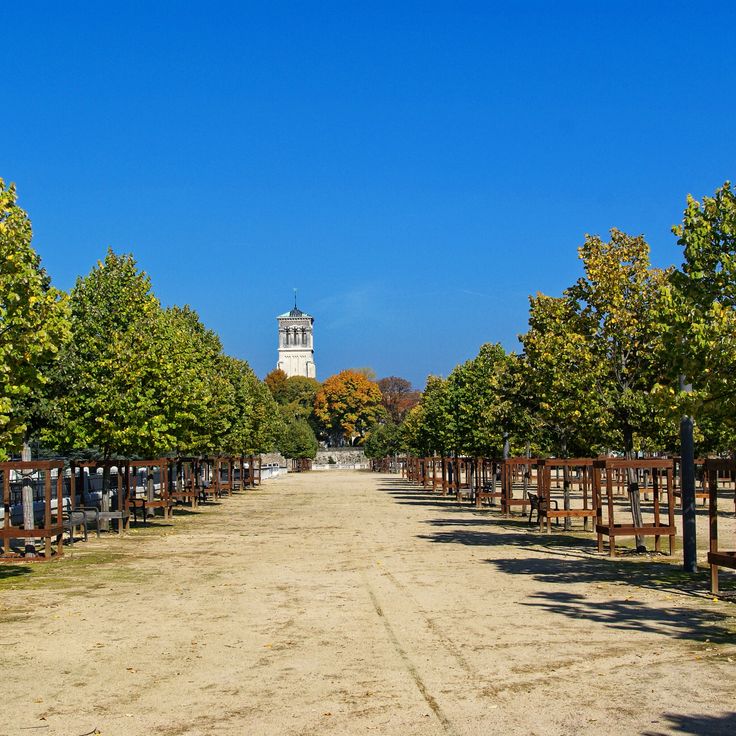
This park was designed in the 19th century and covers seven hectares on high ground above the Rhône. The layout includes trees from different regions, open lawns and paths that lead down to the riverside promenade. A small zoo houses animals for families, and there are play areas for children and fountains. The Parc Jouvet is part of the green spaces in Valence that offer outdoor recreation and views over the Rhône valley.
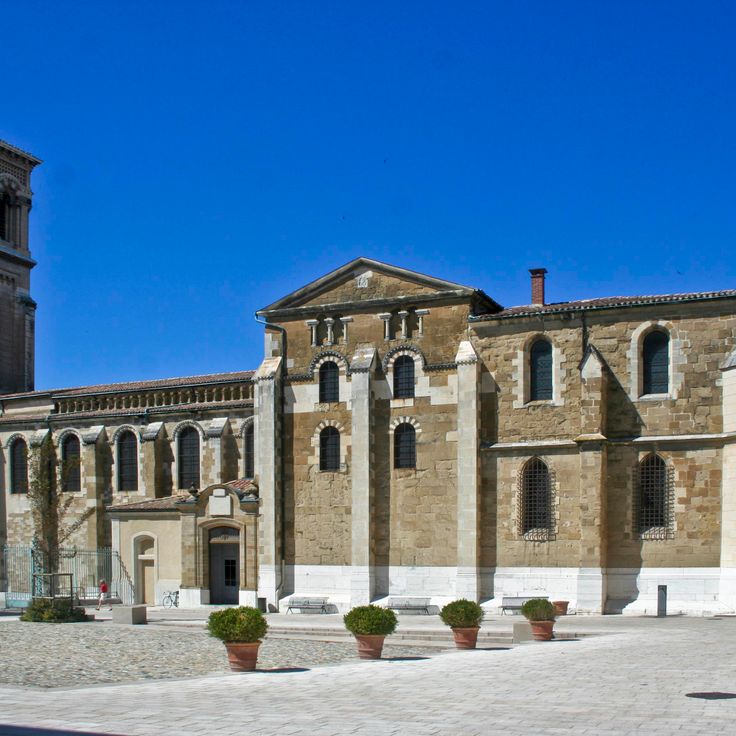
This cathedral was built in 1095 in the Romanesque style. It holds historical frescoes, a decorated stone entrance and a nineteenth-century pipe organ. The interior displays the architecture of that period with rounded arches and thick walls. The frescoes come from different centuries and tell religious stories. The entrance shows figures and ornaments carved in stone. The organ fills the space with sound during concerts and services. This cathedral is among the main religious buildings in Valence and stands in the city's historic center.
This museum occupies the former residence of the bishops and displays regional objects and artworks from ancient times to the present. The collections include archaeological finds from the Roman period, paintings from the 16th to 20th centuries, and decorative items that document the history of the Drôme region. The building itself dates from the 18th century and preserves its original rooms and staircases. Exhibition spaces spread across several floors, combining historic architecture with modern presentation. Visitors can walk through galleries showing landscape painting, religious art, and local crafts.
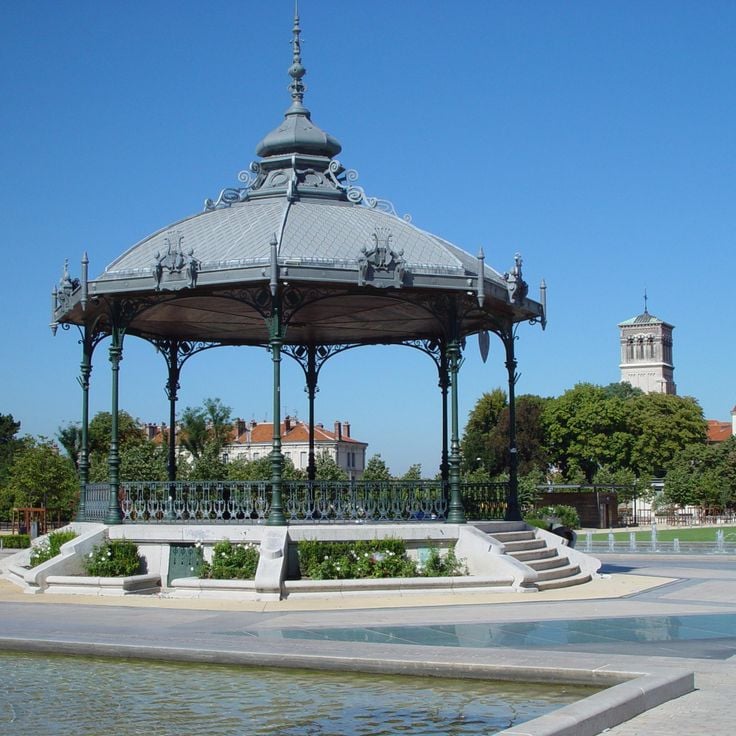
This music pavilion made of metal and glass stands in the Parc du Champ de Mars since 1862 and belongs to the historical sites of Valence. The structure became famous through the drawings of Raymond Peynet, who created his figures of musicians in love here. The pavilion has an octagonal roof with curved iron beams that form a delicate pattern. Families and visitors use the surrounding area for walks. Trees and lawns surround the structure and invite people to linger.
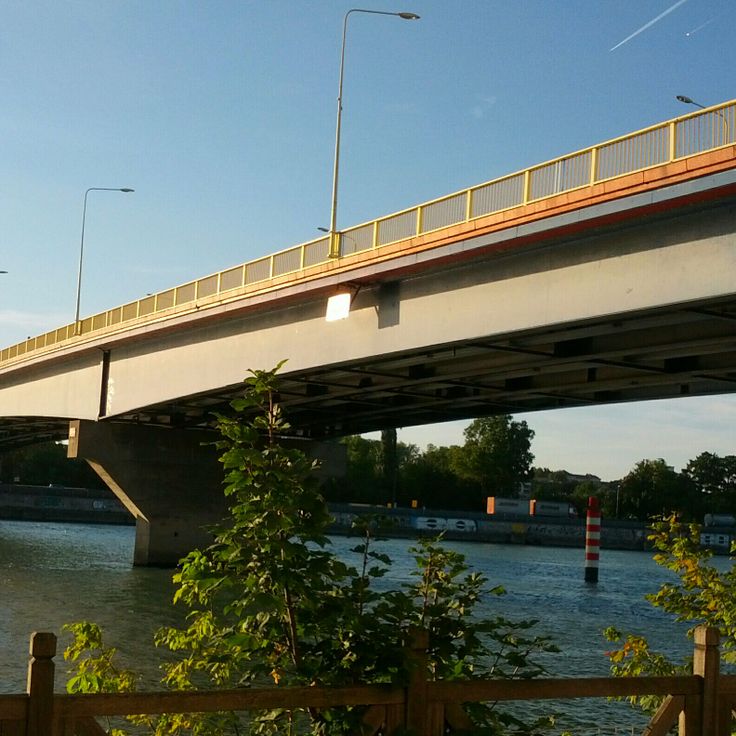
This bridge crosses the Rhône River and connects Valence to the opposite town of Guilherand-Granges. It was built in 1967 using concrete and stretches 2,155 feet (657 meters) in length. The current structure replaced an older bridge from 1905. From here you can see the riverbanks and both sides of the city, held together by this important route. The bridge is named after the Provençal poet Frédéric Mistral and stands as one of the modern structures that shape the cityscape of Valence today.
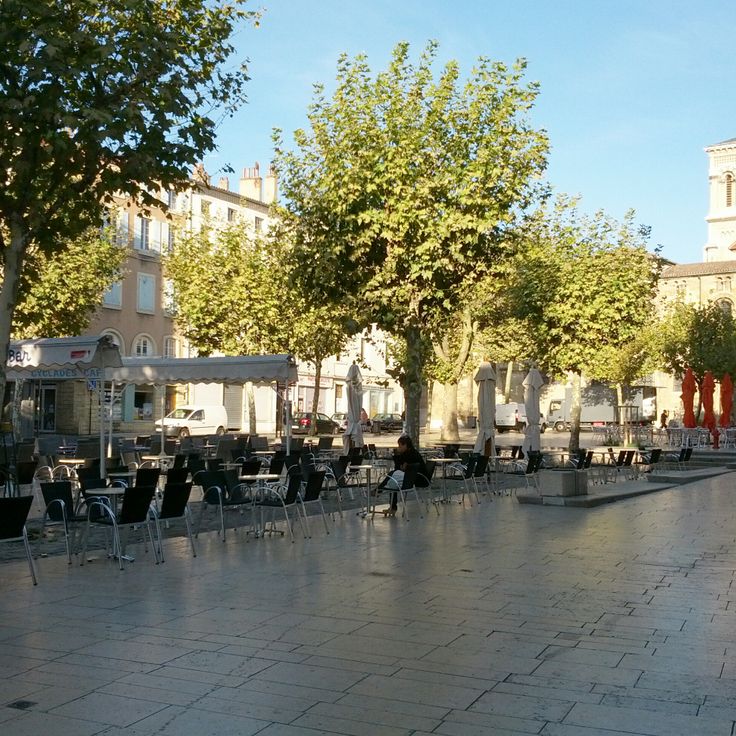
This central square of the old town stands at the heart of historical Valence and offers direct views of the 11th-century Cathedral Saint-Apollinaire. The pedestrian plaza connects Renaissance buildings with the daily life of the city, while regular markets display local produce and crafts. Surrounding lanes lead to other historic buildings and museums.
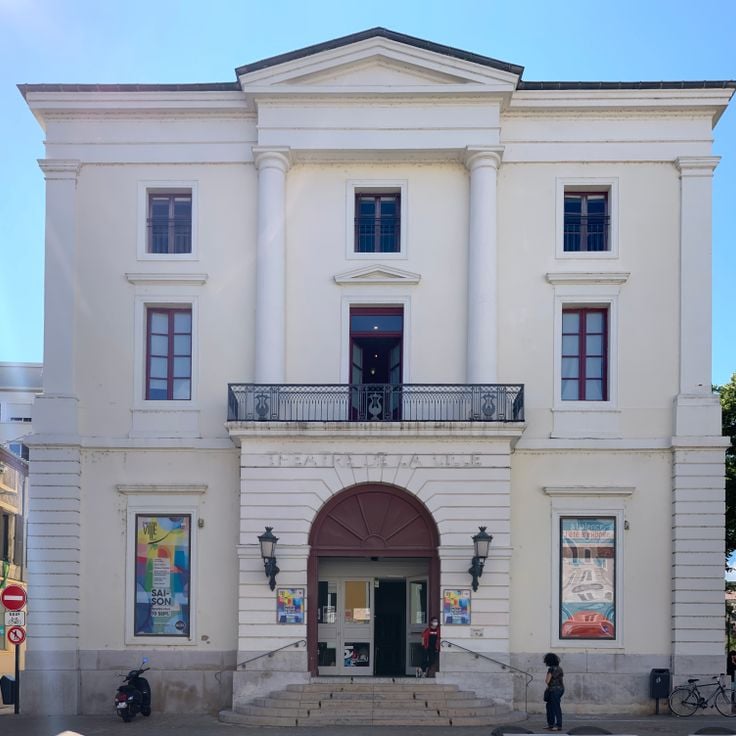
This municipal theater has stood since 1837 in an Italian-style building and forms part of the cultural life of Valence. Throughout the season, theatrical productions, dance performances and concerts take place here. The hall preserves 19th-century architecture and presents theater productions of different genres. The stage sits in the historic center of the city, not far from the 11th-century Cathedral Saint-Apollinaire and Renaissance-era houses.
The Grande Rue connects the heart of the city with the Rhône riverbanks and displays stone arcades built during the 19th century. This pedestrian street passes shops, cafés and restaurants housed in historical buildings. Under the arcades, visitors find shelter from rain and sun while walking through the center. The street has served as a main route for centuries and carries the mark of several building phases, though its present appearance dates largely from the period when Valence renewed its medieval layout.
This public garden in the city center combines the historical character of Valence with the function of a park. The trees have reached considerable age and shade the paths and lawns. Stone water features are scattered throughout the grounds. Families use the play areas while residents sit on benches and watch daily life. The park forms a quiet interruption among the buildings of the old town.
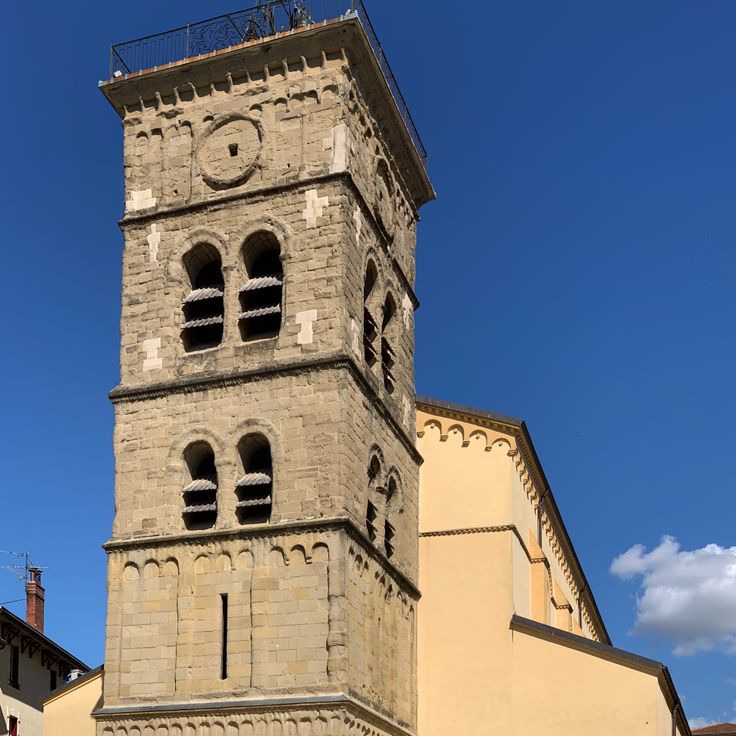
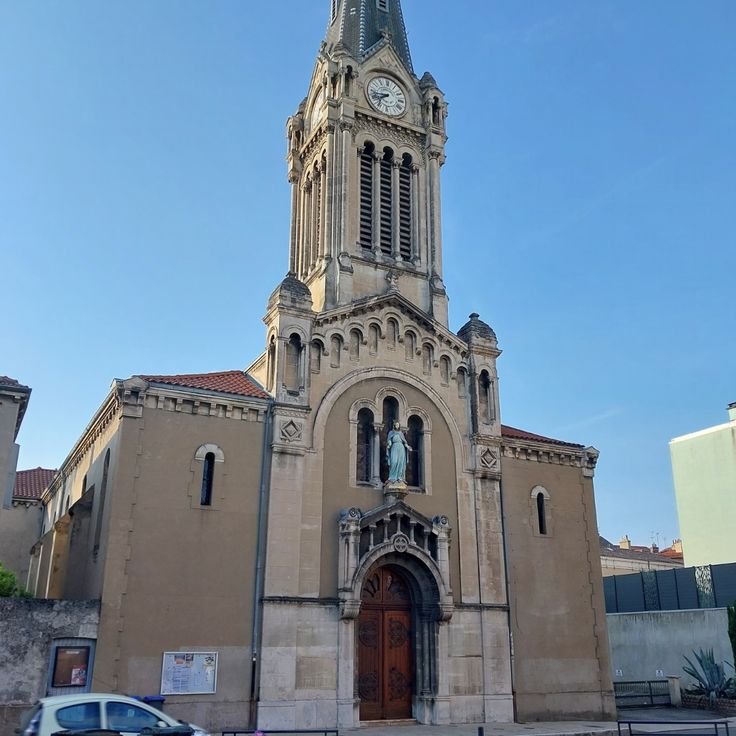
The church was constructed in the 13th century and displays stone vaults, glass windows and a square bell tower. This church belongs to the religious buildings that Valence has kept from different periods. The interior is marked by simple lines, while the windows cast colored light into the nave. The tower rises above the roof and can be seen from several streets in the historic center. Visitors can view the medieval structure and experience the feeling of a prayer space that has been used for centuries.
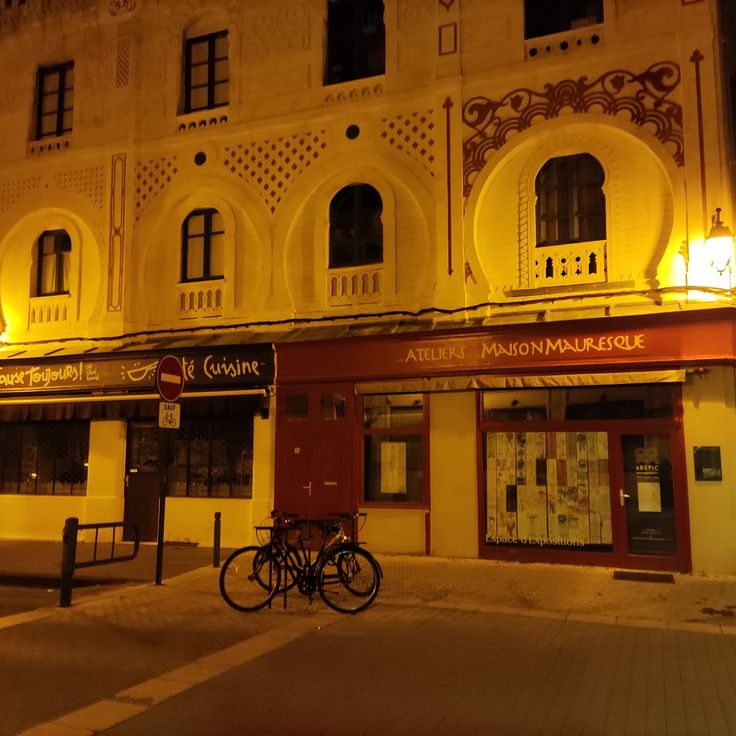
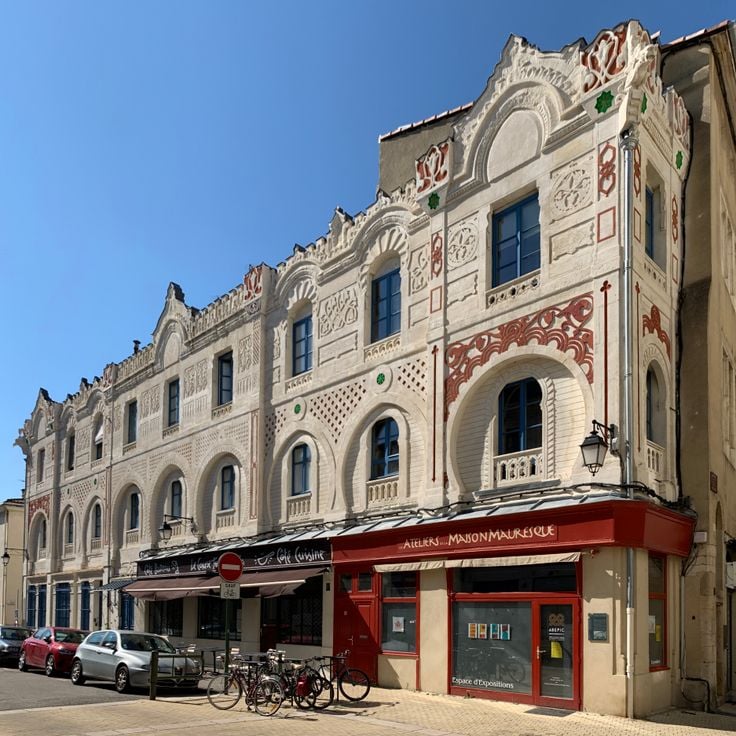
This residential building was completed in 1858 and displays architectural elements from North Africa. The facade features decorative tiles, curved archways, and geometric patterns typical of Moorish design. The house stands on a quiet street not far from the city center. It is among the few structures in Valence that preserve the oriental influence of the 19th century, when European architects adopted forms and ornaments from the Mediterranean world. The decorations around windows and doorways remain visible and show the craftsmanship of that period.
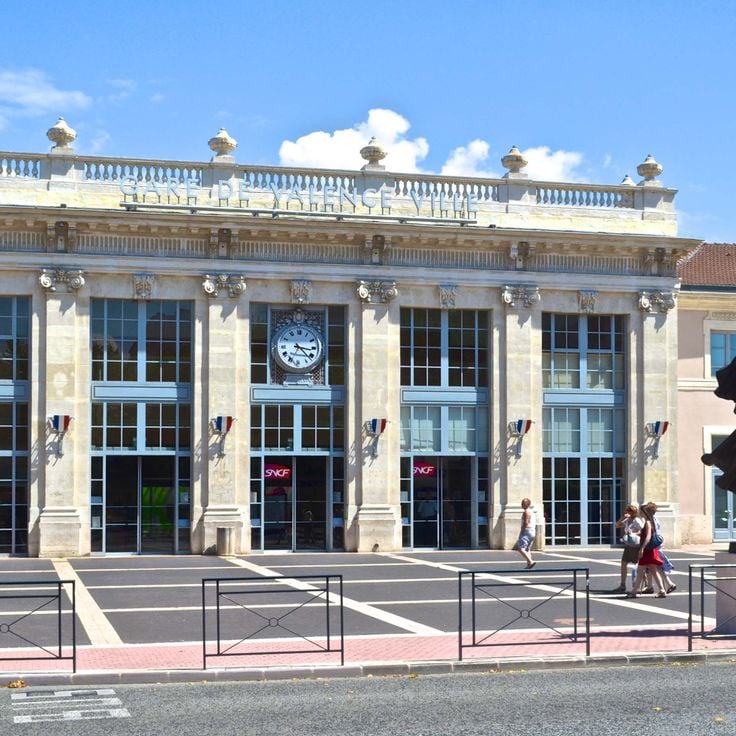
This railway station from 1865 connects Valence with major French cities and forms part of the city's historic transport infrastructure. The stone facade reflects the architectural style typical of the second half of the 19th century. A large glass roof spans the platforms and allows natural light into the interior. Today, both regional trains and high-speed trains depart from here, linking Valence to Paris, Lyon and other cities.
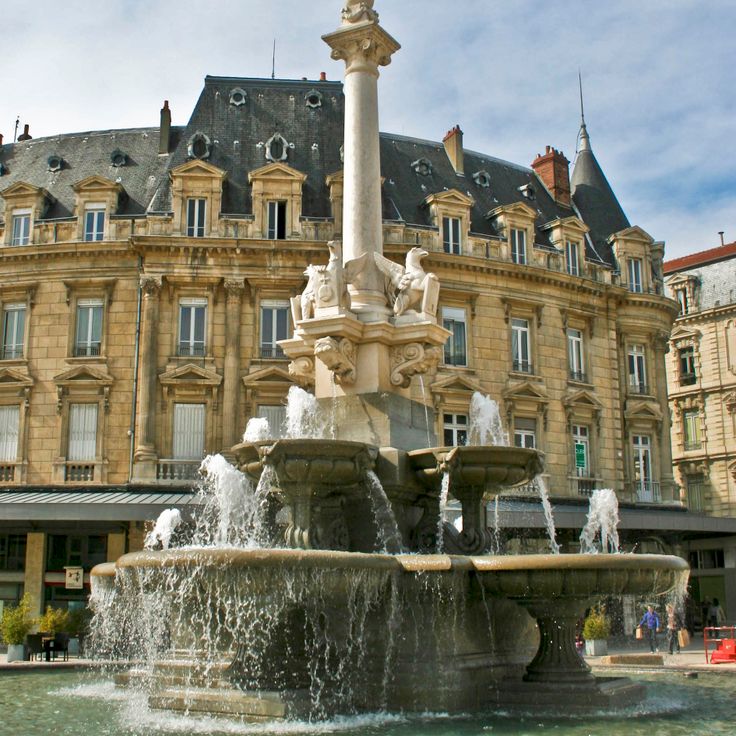
This stone fountain stands in Place Championnet and dates back to 1887, adding to the historical landmarks of Valence. The central column rises above water basins, surrounded by four bronze lions that serve as waterspouts. The monument represents one of the late 19th-century public works that shaped the appearance of the city during that period.
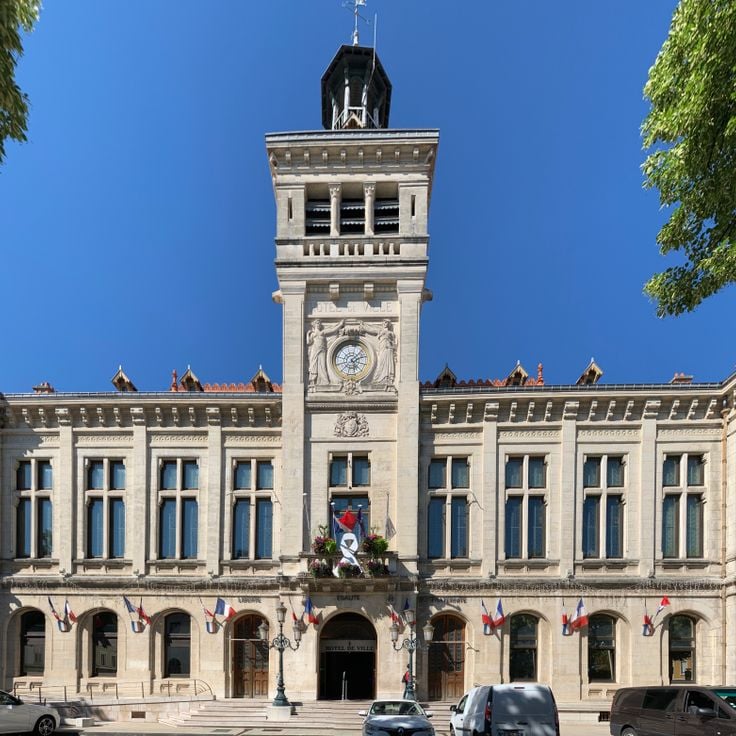
This municipal building from the 17th century stands at the center of the historical architecture found throughout Valence, combining practical administrative purpose with formal design. The stone walls display decorative carvings, while symmetrical windows structure the facade. A central clock tower crowns the appearance and makes the Hôtel de Ville a reference point in the urban space, where political life and architectural heritage from several centuries meet.
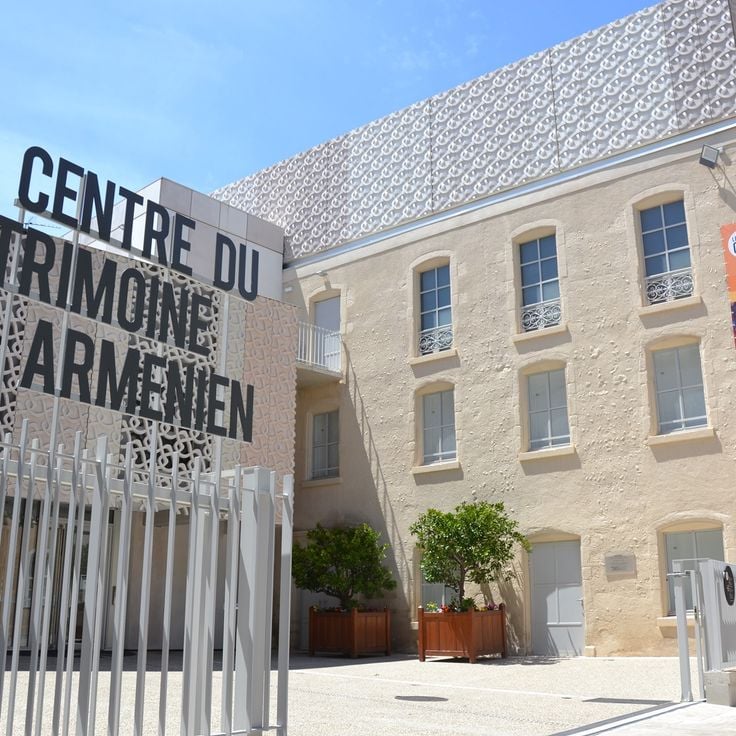
This museum documents Armenian culture and history in France. Since 2005, the Centre du Patrimoine Arménien has displayed documents, photographs and objects that make Armenian heritage tangible. The collection explores the connection between Armenia and the region, migration stories and the cultural memory of the Armenian community. Exhibition rooms present personal stories, historical evidence and keepsakes that bring to life the traditions of Armenian families. The center serves as a meeting place and educational space where visitors can learn about Armenian identity and understand its presence in the area.
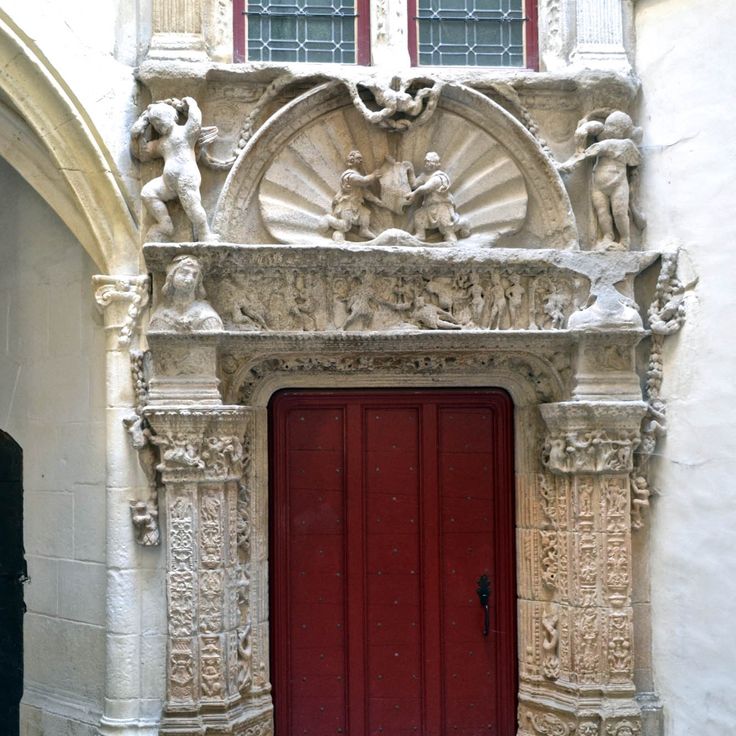
This residence from the 16th century stands among the Renaissance buildings of Valence, near the Cathedral Saint-Apollinaire in the old center. The facade displays stone mullioned windows typical of French townhouses from that period. The internal courtyard opens quietly behind the street walls, and a stone spiral staircase connects the floors in traditional style. The house preserves the features of local architecture from a time when wealthy families built such residences in the city.
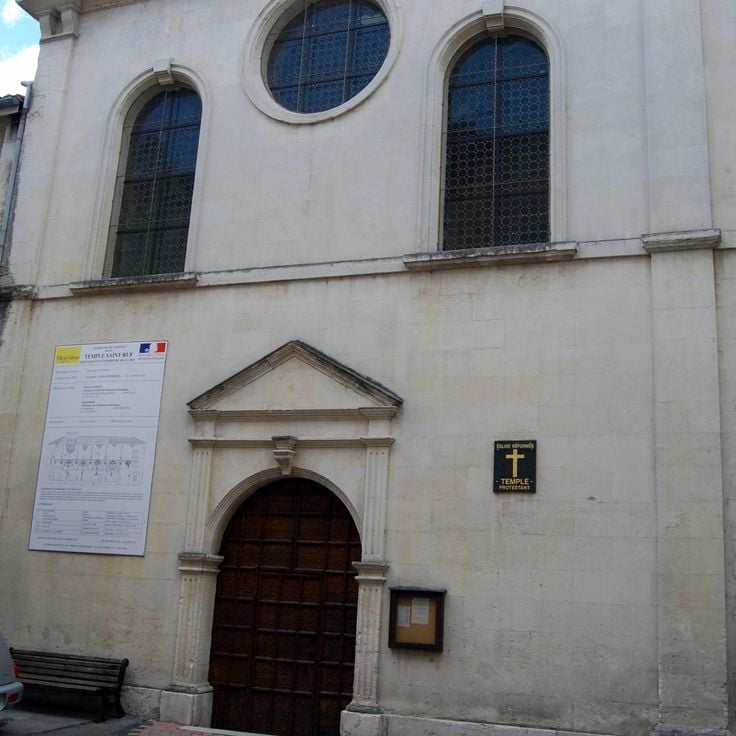
This reformed church was built in 1806 and presents a neoclassical facade with four Doric columns. The Saint Ruf Temple continues to host Protestant services and opens its doors for cultural events. The simple architecture fits into the historic cityscape of Valence and forms part of the religious buildings that document different periods of the city. The columned front gives the building a clear geometric structure, while the interior provides space for community gatherings.
This riverside park follows the Rhône navigation channel with walking paths and open lawns. The space includes sports facilities and a boat harbor. Several restaurants face the water. The park connects the historic center of Valence to the river, offering a place for leisure and outdoor activities along the waterfront.
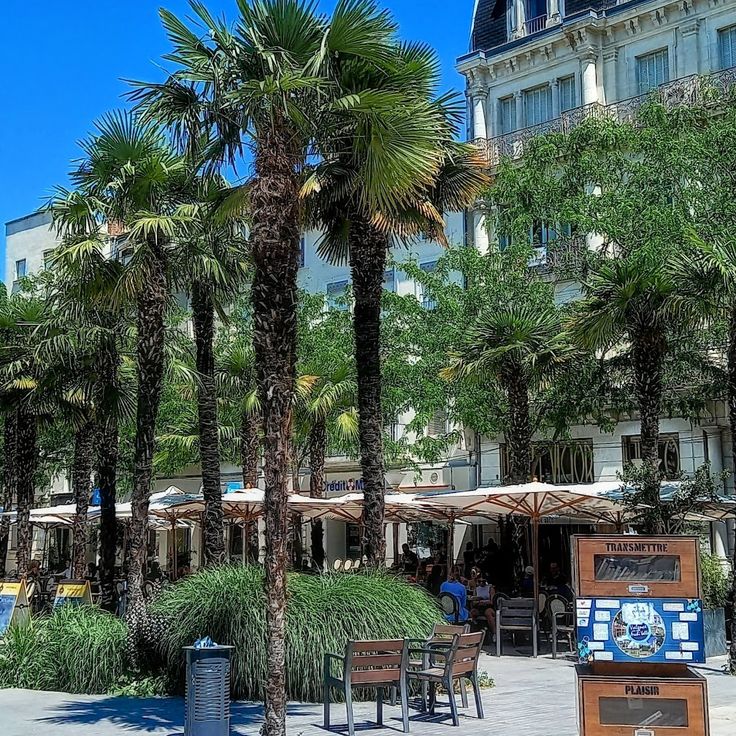
This square sits in the heart of Valence, connecting the 19th century architecture with the daily life of the city. Limestone buildings frame the space, while ground floor shops and cafés bring the streets to life. A round fountain stands in the middle, serving as a meeting point and guiding the movement of people around it. The square belongs to the central places where history and present meet in Valence, without grand gestures but with a quiet presence you feel when walking through.
This municipal garden sits near the center of Valence and forms part of the green spaces that complement the city's historical architecture. Plane trees more than a century old provide shade over stone paths lined with seasonal flower beds. Several resting areas invite visitors to pause, making the Jardin de la Révolution a place where locals and travelers take a break from city life. The plantings change with the seasons, bringing color to the layout. The garden connects the historical buildings and public squares of Valence with a quiet outdoor space for walking and resting.
The Basilica Notre-Dame de L'Isle is a religious building from the 11th century in Valence. Gothic forms shape the interior, while medieval wall paintings remain visible along the walls. Stained glass windows let light into the space, and a pipe organ from the 19th century completes the furnishings.
This museum presents footwear from different centuries and continents. The collection includes handmade examples from ancient times as well as factory-made models from recent decades. Visitors see how materials, shapes, and manufacturing techniques have changed over the centuries. The exhibits document the shift from craft production to industrial manufacturing and show shoes from different cultures and historical periods.
This educational center introduces visitors to farming practices in the Drôme area. Inside, displays present tools once used on local farms, from plows to hand implements. Several sections show grains, vegetables, and fruits grown in the region. Panels explain planting cycles, soil care, and seasonal rhythms that shape the agricultural calendar. Visitors learn about irrigation methods, storage techniques, and the conditions needed for different crops. Small models illustrate field layouts and traditional methods still in use today. The exhibits are designed for school groups and families curious about where their food comes from. The pavilion stands in Valence and offers a practical introduction to farming in the Rhône valley.
This Renaissance building from 1528 stands in the center of Valence and takes its name from the many carved heads covering its facade. You can see human faces, figures from mythology, and ornamental motifs typical of the period's architecture. The stonework spreads across several floors and shows the craftsmanship of the Renaissance. Today the building is among the notable historical structures in the city and draws visitors walking through the streets of the old center.
This park was designed in the 19th century and covers seven hectares on high ground above the Rhône. The layout includes trees from different regions, open lawns and paths that lead down to the riverside promenade. A small zoo houses animals for families, and there are play areas for children and fountains. The Parc Jouvet is part of the green spaces in Valence that offer outdoor recreation and views over the Rhône valley.
This cathedral was built in 1095 in the Romanesque style. It holds historical frescoes, a decorated stone entrance and a nineteenth-century pipe organ. The interior displays the architecture of that period with rounded arches and thick walls. The frescoes come from different centuries and tell religious stories. The entrance shows figures and ornaments carved in stone. The organ fills the space with sound during concerts and services. This cathedral is among the main religious buildings in Valence and stands in the city's historic center.
This museum occupies the former residence of the bishops and displays regional objects and artworks from ancient times to the present. The collections include archaeological finds from the Roman period, paintings from the 16th to 20th centuries, and decorative items that document the history of the Drôme region. The building itself dates from the 18th century and preserves its original rooms and staircases. Exhibition spaces spread across several floors, combining historic architecture with modern presentation. Visitors can walk through galleries showing landscape painting, religious art, and local crafts.
This music pavilion made of metal and glass stands in the Parc du Champ de Mars since 1862 and belongs to the historical sites of Valence. The structure became famous through the drawings of Raymond Peynet, who created his figures of musicians in love here. The pavilion has an octagonal roof with curved iron beams that form a delicate pattern. Families and visitors use the surrounding area for walks. Trees and lawns surround the structure and invite people to linger.
This bridge crosses the Rhône River and connects Valence to the opposite town of Guilherand-Granges. It was built in 1967 using concrete and stretches 2,155 feet (657 meters) in length. The current structure replaced an older bridge from 1905. From here you can see the riverbanks and both sides of the city, held together by this important route. The bridge is named after the Provençal poet Frédéric Mistral and stands as one of the modern structures that shape the cityscape of Valence today.
This central square of the old town stands at the heart of historical Valence and offers direct views of the 11th-century Cathedral Saint-Apollinaire. The pedestrian plaza connects Renaissance buildings with the daily life of the city, while regular markets display local produce and crafts. Surrounding lanes lead to other historic buildings and museums.
This municipal theater has stood since 1837 in an Italian-style building and forms part of the cultural life of Valence. Throughout the season, theatrical productions, dance performances and concerts take place here. The hall preserves 19th-century architecture and presents theater productions of different genres. The stage sits in the historic center of the city, not far from the 11th-century Cathedral Saint-Apollinaire and Renaissance-era houses.
The Grande Rue connects the heart of the city with the Rhône riverbanks and displays stone arcades built during the 19th century. This pedestrian street passes shops, cafés and restaurants housed in historical buildings. Under the arcades, visitors find shelter from rain and sun while walking through the center. The street has served as a main route for centuries and carries the mark of several building phases, though its present appearance dates largely from the period when Valence renewed its medieval layout.
This public garden in the city center combines the historical character of Valence with the function of a park. The trees have reached considerable age and shade the paths and lawns. Stone water features are scattered throughout the grounds. Families use the play areas while residents sit on benches and watch daily life. The park forms a quiet interruption among the buildings of the old town.
The church was constructed in the 13th century and displays stone vaults, glass windows and a square bell tower. This church belongs to the religious buildings that Valence has kept from different periods. The interior is marked by simple lines, while the windows cast colored light into the nave. The tower rises above the roof and can be seen from several streets in the historic center. Visitors can view the medieval structure and experience the feeling of a prayer space that has been used for centuries.
This residential building was completed in 1858 and displays architectural elements from North Africa. The facade features decorative tiles, curved archways, and geometric patterns typical of Moorish design. The house stands on a quiet street not far from the city center. It is among the few structures in Valence that preserve the oriental influence of the 19th century, when European architects adopted forms and ornaments from the Mediterranean world. The decorations around windows and doorways remain visible and show the craftsmanship of that period.
This railway station from 1865 connects Valence with major French cities and forms part of the city's historic transport infrastructure. The stone facade reflects the architectural style typical of the second half of the 19th century. A large glass roof spans the platforms and allows natural light into the interior. Today, both regional trains and high-speed trains depart from here, linking Valence to Paris, Lyon and other cities.
This stone fountain stands in Place Championnet and dates back to 1887, adding to the historical landmarks of Valence. The central column rises above water basins, surrounded by four bronze lions that serve as waterspouts. The monument represents one of the late 19th-century public works that shaped the appearance of the city during that period.
This municipal building from the 17th century stands at the center of the historical architecture found throughout Valence, combining practical administrative purpose with formal design. The stone walls display decorative carvings, while symmetrical windows structure the facade. A central clock tower crowns the appearance and makes the Hôtel de Ville a reference point in the urban space, where political life and architectural heritage from several centuries meet.
This museum documents Armenian culture and history in France. Since 2005, the Centre du Patrimoine Arménien has displayed documents, photographs and objects that make Armenian heritage tangible. The collection explores the connection between Armenia and the region, migration stories and the cultural memory of the Armenian community. Exhibition rooms present personal stories, historical evidence and keepsakes that bring to life the traditions of Armenian families. The center serves as a meeting place and educational space where visitors can learn about Armenian identity and understand its presence in the area.
This residence from the 16th century stands among the Renaissance buildings of Valence, near the Cathedral Saint-Apollinaire in the old center. The facade displays stone mullioned windows typical of French townhouses from that period. The internal courtyard opens quietly behind the street walls, and a stone spiral staircase connects the floors in traditional style. The house preserves the features of local architecture from a time when wealthy families built such residences in the city.
This reformed church was built in 1806 and presents a neoclassical facade with four Doric columns. The Saint Ruf Temple continues to host Protestant services and opens its doors for cultural events. The simple architecture fits into the historic cityscape of Valence and forms part of the religious buildings that document different periods of the city. The columned front gives the building a clear geometric structure, while the interior provides space for community gatherings.
This riverside park follows the Rhône navigation channel with walking paths and open lawns. The space includes sports facilities and a boat harbor. Several restaurants face the water. The park connects the historic center of Valence to the river, offering a place for leisure and outdoor activities along the waterfront.
This square sits in the heart of Valence, connecting the 19th century architecture with the daily life of the city. Limestone buildings frame the space, while ground floor shops and cafés bring the streets to life. A round fountain stands in the middle, serving as a meeting point and guiding the movement of people around it. The square belongs to the central places where history and present meet in Valence, without grand gestures but with a quiet presence you feel when walking through.
This municipal garden sits near the center of Valence and forms part of the green spaces that complement the city's historical architecture. Plane trees more than a century old provide shade over stone paths lined with seasonal flower beds. Several resting areas invite visitors to pause, making the Jardin de la Révolution a place where locals and travelers take a break from city life. The plantings change with the seasons, bringing color to the layout. The garden connects the historical buildings and public squares of Valence with a quiet outdoor space for walking and resting.
The Basilica Notre-Dame de L'Isle is a religious building from the 11th century in Valence. Gothic forms shape the interior, while medieval wall paintings remain visible along the walls. Stained glass windows let light into the space, and a pipe organ from the 19th century completes the furnishings.
This museum presents footwear from different centuries and continents. The collection includes handmade examples from ancient times as well as factory-made models from recent decades. Visitors see how materials, shapes, and manufacturing techniques have changed over the centuries. The exhibits document the shift from craft production to industrial manufacturing and show shoes from different cultures and historical periods.
This educational center introduces visitors to farming practices in the Drôme area. Inside, displays present tools once used on local farms, from plows to hand implements. Several sections show grains, vegetables, and fruits grown in the region. Panels explain planting cycles, soil care, and seasonal rhythms that shape the agricultural calendar. Visitors learn about irrigation methods, storage techniques, and the conditions needed for different crops. Small models illustrate field layouts and traditional methods still in use today. The exhibits are designed for school groups and families curious about where their food comes from. The pavilion stands in Valence and offers a practical introduction to farming in the Rhône valley.
This Renaissance building from 1528 stands in the center of Valence and takes its name from the many carved heads covering its facade. You can see human faces, figures from mythology, and ornamental motifs typical of the period's architecture. The stonework spreads across several floors and shows the craftsmanship of the Renaissance. Today the building is among the notable historical structures in the city and draws visitors walking through the streets of the old center.
This park was designed in the 19th century and covers seven hectares on high ground above the Rhône. The layout includes trees from different regions, open lawns and paths that lead down to the riverside promenade. A small zoo houses animals for families, and there are play areas for children and fountains. The Parc Jouvet is part of the green spaces in Valence that offer outdoor recreation and views over the Rhône valley.
This cathedral was built in 1095 in the Romanesque style. It holds historical frescoes, a decorated stone entrance and a nineteenth-century pipe organ. The interior displays the architecture of that period with rounded arches and thick walls. The frescoes come from different centuries and tell religious stories. The entrance shows figures and ornaments carved in stone. The organ fills the space with sound during concerts and services. This cathedral is among the main religious buildings in Valence and stands in the city's historic center.
This museum occupies the former residence of the bishops and displays regional objects and artworks from ancient times to the present. The collections include archaeological finds from the Roman period, paintings from the 16th to 20th centuries, and decorative items that document the history of the Drôme region. The building itself dates from the 18th century and preserves its original rooms and staircases. Exhibition spaces spread across several floors, combining historic architecture with modern presentation. Visitors can walk through galleries showing landscape painting, religious art, and local crafts.
This music pavilion made of metal and glass stands in the Parc du Champ de Mars since 1862 and belongs to the historical sites of Valence. The structure became famous through the drawings of Raymond Peynet, who created his figures of musicians in love here. The pavilion has an octagonal roof with curved iron beams that form a delicate pattern. Families and visitors use the surrounding area for walks. Trees and lawns surround the structure and invite people to linger.
This bridge crosses the Rhône River and connects Valence to the opposite town of Guilherand-Granges. It was built in 1967 using concrete and stretches 2,155 feet (657 meters) in length. The current structure replaced an older bridge from 1905. From here you can see the riverbanks and both sides of the city, held together by this important route. The bridge is named after the Provençal poet Frédéric Mistral and stands as one of the modern structures that shape the cityscape of Valence today.
This central square of the old town stands at the heart of historical Valence and offers direct views of the 11th-century Cathedral Saint-Apollinaire. The pedestrian plaza connects Renaissance buildings with the daily life of the city, while regular markets display local produce and crafts. Surrounding lanes lead to other historic buildings and museums.
This municipal theater has stood since 1837 in an Italian-style building and forms part of the cultural life of Valence. Throughout the season, theatrical productions, dance performances and concerts take place here. The hall preserves 19th-century architecture and presents theater productions of different genres. The stage sits in the historic center of the city, not far from the 11th-century Cathedral Saint-Apollinaire and Renaissance-era houses.
The Grande Rue connects the heart of the city with the Rhône riverbanks and displays stone arcades built during the 19th century. This pedestrian street passes shops, cafés and restaurants housed in historical buildings. Under the arcades, visitors find shelter from rain and sun while walking through the center. The street has served as a main route for centuries and carries the mark of several building phases, though its present appearance dates largely from the period when Valence renewed its medieval layout.
This public garden in the city center combines the historical character of Valence with the function of a park. The trees have reached considerable age and shade the paths and lawns. Stone water features are scattered throughout the grounds. Families use the play areas while residents sit on benches and watch daily life. The park forms a quiet interruption among the buildings of the old town.
The church was constructed in the 13th century and displays stone vaults, glass windows and a square bell tower. This church belongs to the religious buildings that Valence has kept from different periods. The interior is marked by simple lines, while the windows cast colored light into the nave. The tower rises above the roof and can be seen from several streets in the historic center. Visitors can view the medieval structure and experience the feeling of a prayer space that has been used for centuries.
This residential building was completed in 1858 and displays architectural elements from North Africa. The facade features decorative tiles, curved archways, and geometric patterns typical of Moorish design. The house stands on a quiet street not far from the city center. It is among the few structures in Valence that preserve the oriental influence of the 19th century, when European architects adopted forms and ornaments from the Mediterranean world. The decorations around windows and doorways remain visible and show the craftsmanship of that period.
This railway station from 1865 connects Valence with major French cities and forms part of the city's historic transport infrastructure. The stone facade reflects the architectural style typical of the second half of the 19th century. A large glass roof spans the platforms and allows natural light into the interior. Today, both regional trains and high-speed trains depart from here, linking Valence to Paris, Lyon and other cities.
This stone fountain stands in Place Championnet and dates back to 1887, adding to the historical landmarks of Valence. The central column rises above water basins, surrounded by four bronze lions that serve as waterspouts. The monument represents one of the late 19th-century public works that shaped the appearance of the city during that period.
This municipal building from the 17th century stands at the center of the historical architecture found throughout Valence, combining practical administrative purpose with formal design. The stone walls display decorative carvings, while symmetrical windows structure the facade. A central clock tower crowns the appearance and makes the Hôtel de Ville a reference point in the urban space, where political life and architectural heritage from several centuries meet.
This museum documents Armenian culture and history in France. Since 2005, the Centre du Patrimoine Arménien has displayed documents, photographs and objects that make Armenian heritage tangible. The collection explores the connection between Armenia and the region, migration stories and the cultural memory of the Armenian community. Exhibition rooms present personal stories, historical evidence and keepsakes that bring to life the traditions of Armenian families. The center serves as a meeting place and educational space where visitors can learn about Armenian identity and understand its presence in the area.
This residence from the 16th century stands among the Renaissance buildings of Valence, near the Cathedral Saint-Apollinaire in the old center. The facade displays stone mullioned windows typical of French townhouses from that period. The internal courtyard opens quietly behind the street walls, and a stone spiral staircase connects the floors in traditional style. The house preserves the features of local architecture from a time when wealthy families built such residences in the city.
This reformed church was built in 1806 and presents a neoclassical facade with four Doric columns. The Saint Ruf Temple continues to host Protestant services and opens its doors for cultural events. The simple architecture fits into the historic cityscape of Valence and forms part of the religious buildings that document different periods of the city. The columned front gives the building a clear geometric structure, while the interior provides space for community gatherings.
This riverside park follows the Rhône navigation channel with walking paths and open lawns. The space includes sports facilities and a boat harbor. Several restaurants face the water. The park connects the historic center of Valence to the river, offering a place for leisure and outdoor activities along the waterfront.
This square sits in the heart of Valence, connecting the 19th century architecture with the daily life of the city. Limestone buildings frame the space, while ground floor shops and cafés bring the streets to life. A round fountain stands in the middle, serving as a meeting point and guiding the movement of people around it. The square belongs to the central places where history and present meet in Valence, without grand gestures but with a quiet presence you feel when walking through.
This municipal garden sits near the center of Valence and forms part of the green spaces that complement the city's historical architecture. Plane trees more than a century old provide shade over stone paths lined with seasonal flower beds. Several resting areas invite visitors to pause, making the Jardin de la Révolution a place where locals and travelers take a break from city life. The plantings change with the seasons, bringing color to the layout. The garden connects the historical buildings and public squares of Valence with a quiet outdoor space for walking and resting.
The Basilica Notre-Dame de L'Isle is a religious building from the 11th century in Valence. Gothic forms shape the interior, while medieval wall paintings remain visible along the walls. Stained glass windows let light into the space, and a pipe organ from the 19th century completes the furnishings.
This museum presents footwear from different centuries and continents. The collection includes handmade examples from ancient times as well as factory-made models from recent decades. Visitors see how materials, shapes, and manufacturing techniques have changed over the centuries. The exhibits document the shift from craft production to industrial manufacturing and show shoes from different cultures and historical periods.
This educational center introduces visitors to farming practices in the Drôme area. Inside, displays present tools once used on local farms, from plows to hand implements. Several sections show grains, vegetables, and fruits grown in the region. Panels explain planting cycles, soil care, and seasonal rhythms that shape the agricultural calendar. Visitors learn about irrigation methods, storage techniques, and the conditions needed for different crops. Small models illustrate field layouts and traditional methods still in use today. The exhibits are designed for school groups and families curious about where their food comes from. The pavilion stands in Valence and offers a practical introduction to farming in the Rhône valley.