See the monuments around you in AROpen chests in the app
Around Us is built for your phone — point your camera at the streets and discover the monuments and places around you in augmented reality.Around Us is built for your phone — chests unlock when you walk, explore and capture nearby places.
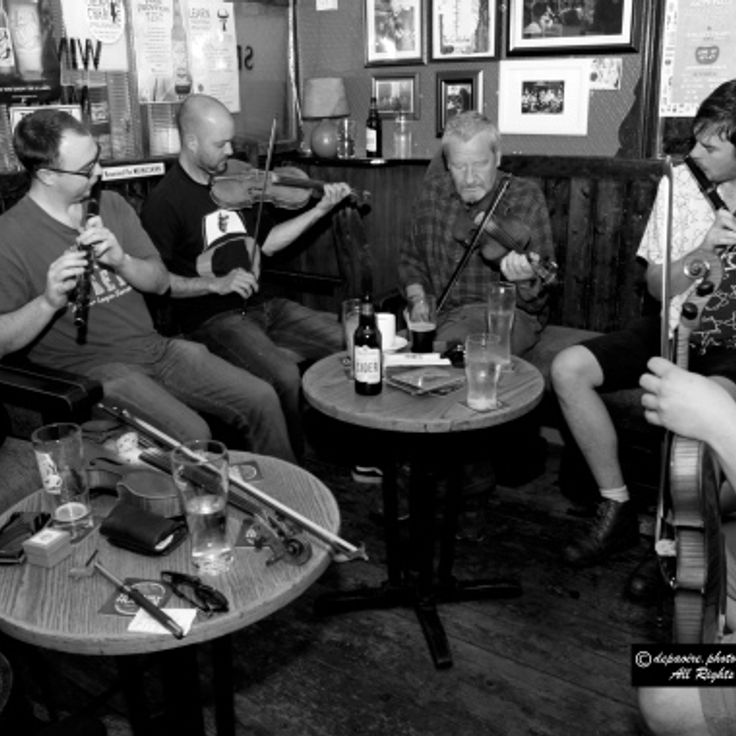
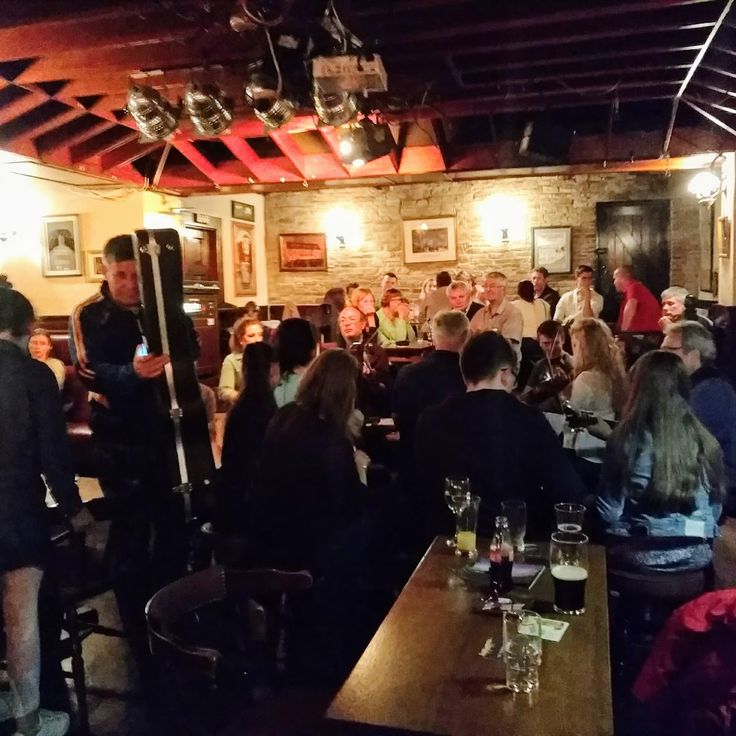
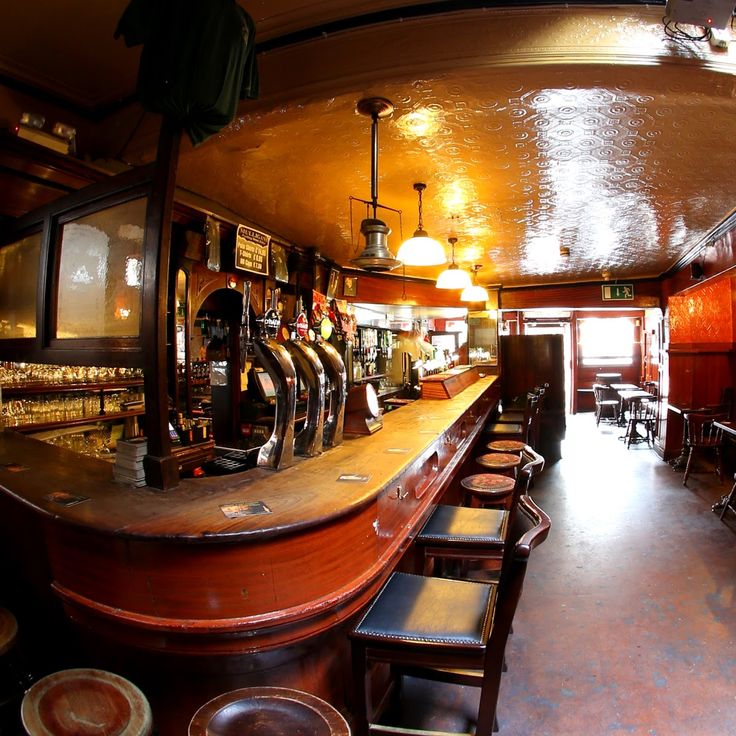
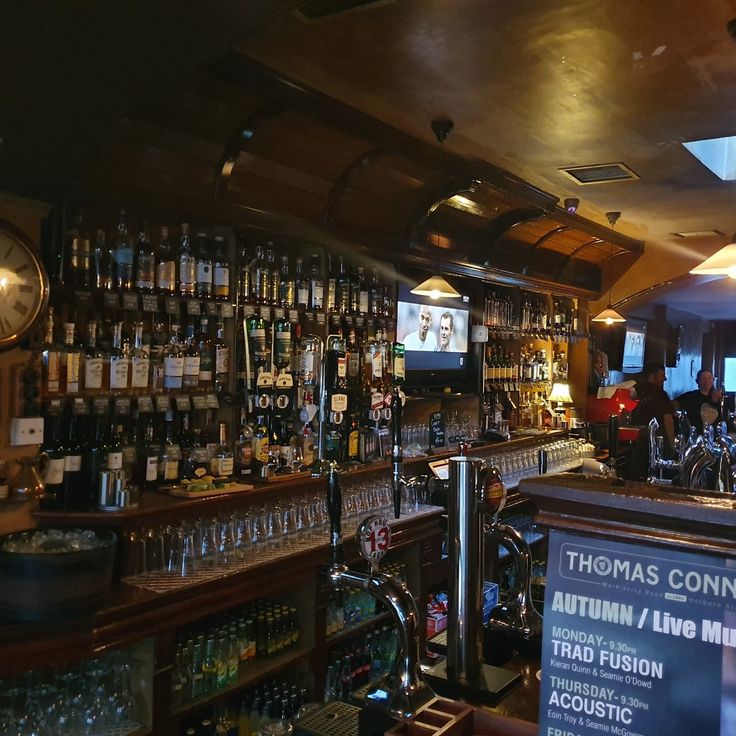
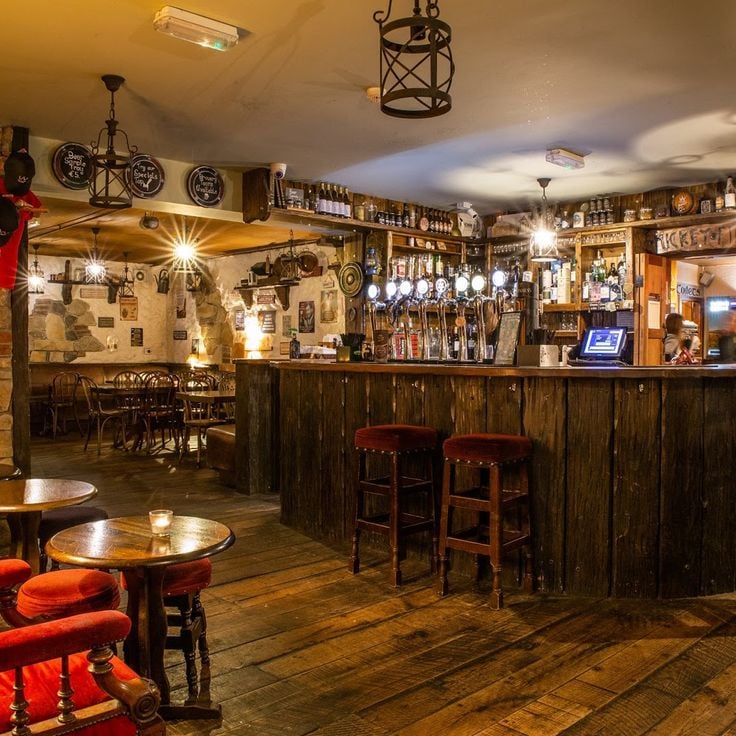
Ireland's pubs have served as gathering places for traditional music for generations, preserving a living tradition that continues in rooms where musicians still tune their fiddles, tin whistles, accordions, and bodhrán drums. These establishments range from converted 17th-century cottages with thatched roofs to Victorian-era taverns with original woodwork, each maintaining the practice of regular sessions where locals and visitors alike can hear the music passed down through centuries.
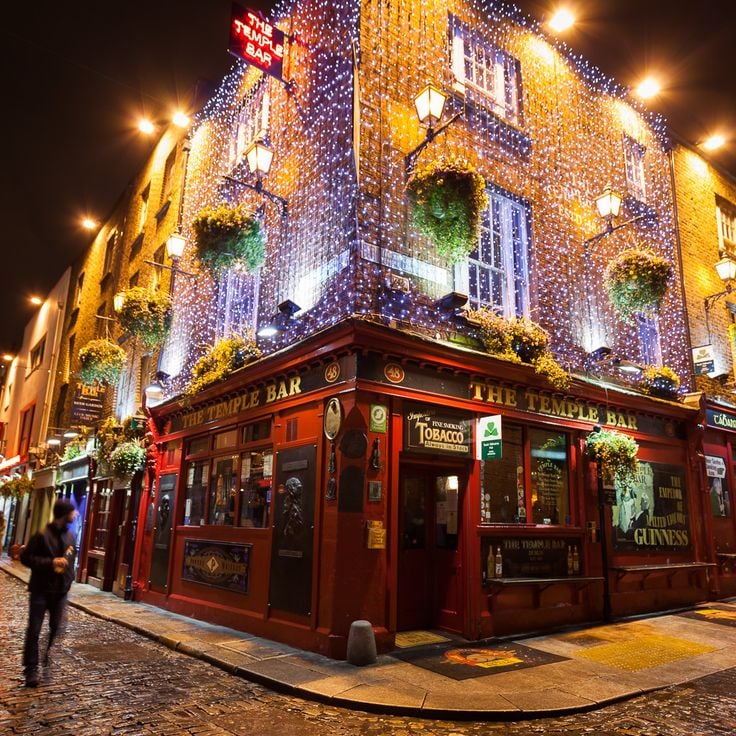
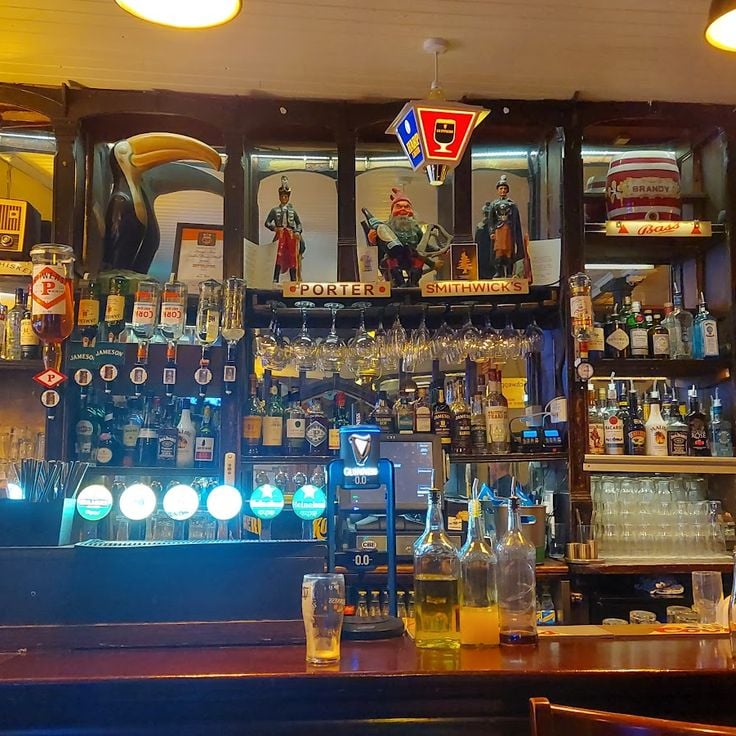
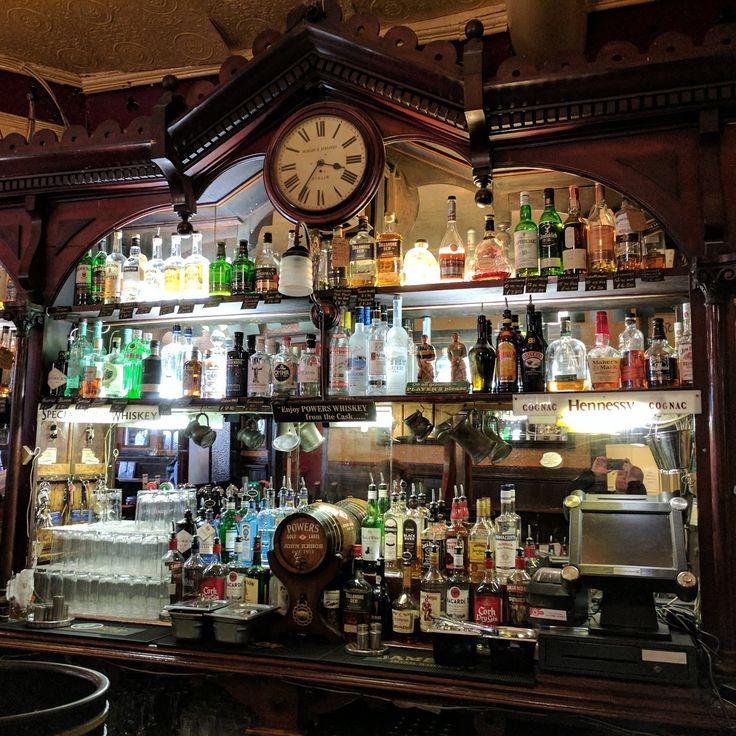
Across the country, from Belfast's Kelly's Cellars, operating since 1720, to Galway's Tigh Neachtain in the medieval quarter, these venues host musicians who gather weekly or nightly to play together. Some, like Leo's Tavern in Donegal, have direct connections to internationally known artists, while others, such as Clarke & Sons in Drogheda, have remained in the same family for over a century. Whether in Dublin's Temple Bar with its daily performances starting at noon, or in smaller establishments like O'Loclainn's in Ballyvaughan where weekend sessions accompany a collection of 500 Irish whiskeys, these pubs offer direct access to Ireland's musical heritage in settings that have changed little over the decades.
Ireland's pubs have served as gathering places for traditional music for generations, preserving a living tradition that continues in rooms where musicians still tune their fiddles, tin whistles, accordions, and bodhrán drums. These establishments range from converted 17th-century cottages with thatched roofs to Victorian-era taverns with original woodwork, each maintaining the practice of regular sessions where locals and visitors alike can hear the music passed down through centuries.
Across the country, from Belfast's Kelly's Cellars, operating since 1720, to Galway's Tigh Neachtain in the medieval quarter, these venues host musicians who gather weekly or nightly to play together. Some, like Leo's Tavern in Donegal, have direct connections to internationally known artists, while others, such as Clarke & Sons in Drogheda, have remained in the same family for over a century. Whether in Dublin's Temple Bar with its daily performances starting at noon, or in smaller establishments like O'Loclainn's in Ballyvaughan where weekend sessions accompany a collection of 500 Irish whiskeys, these pubs offer direct access to Ireland's musical heritage in settings that have changed little over the decades.
This 18th-century pub with its characteristic red brick facade hosts live musicians daily from noon, playing traditional Irish tunes and contributing to the living musical tradition that Ireland's pubs have preserved for generations.
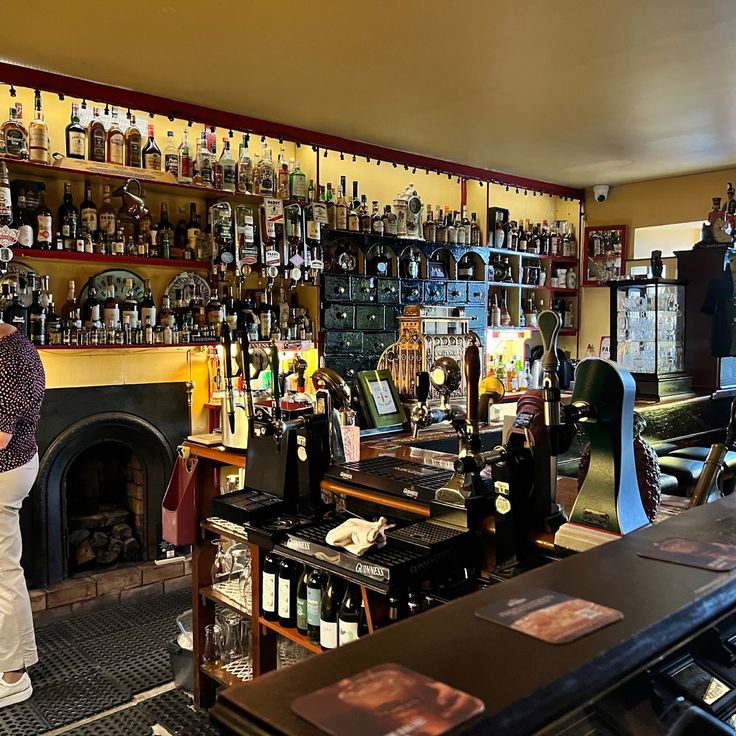
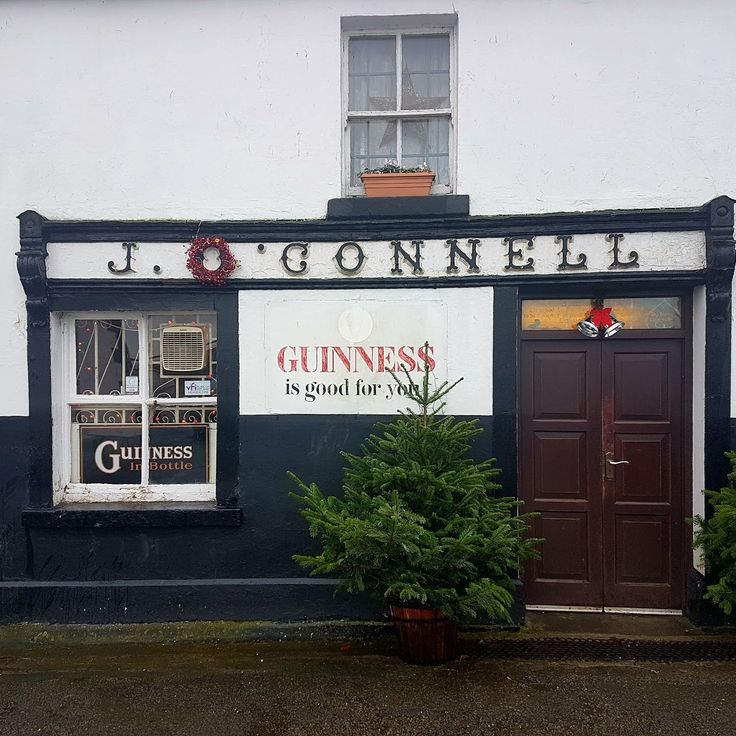
This Ballyvaughan bar has operated for more than a century and maintains a selection of 500 Irish whiskeys. On weekends, local musicians gather for traditional sessions that continue Ireland's musical heritage in a setting that has preserved its original character.
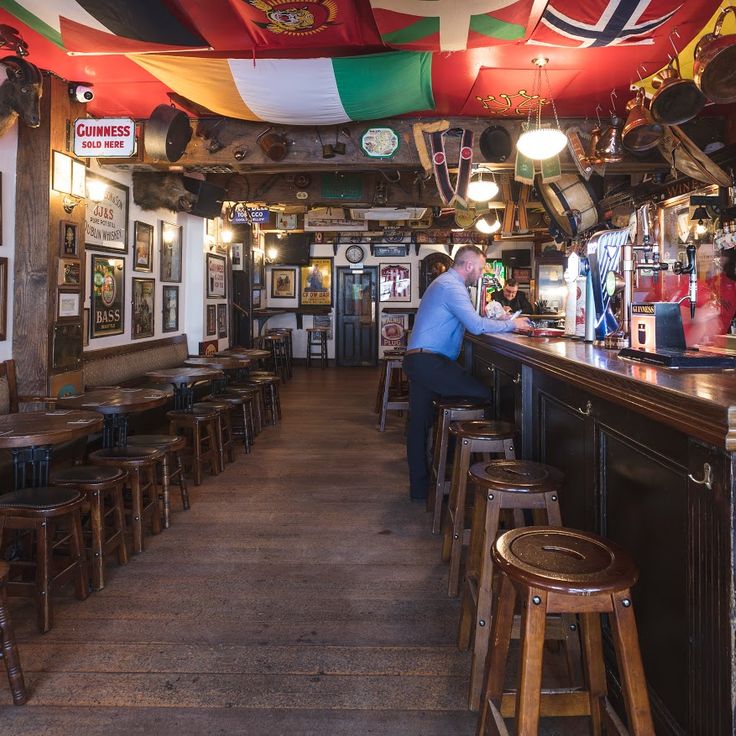
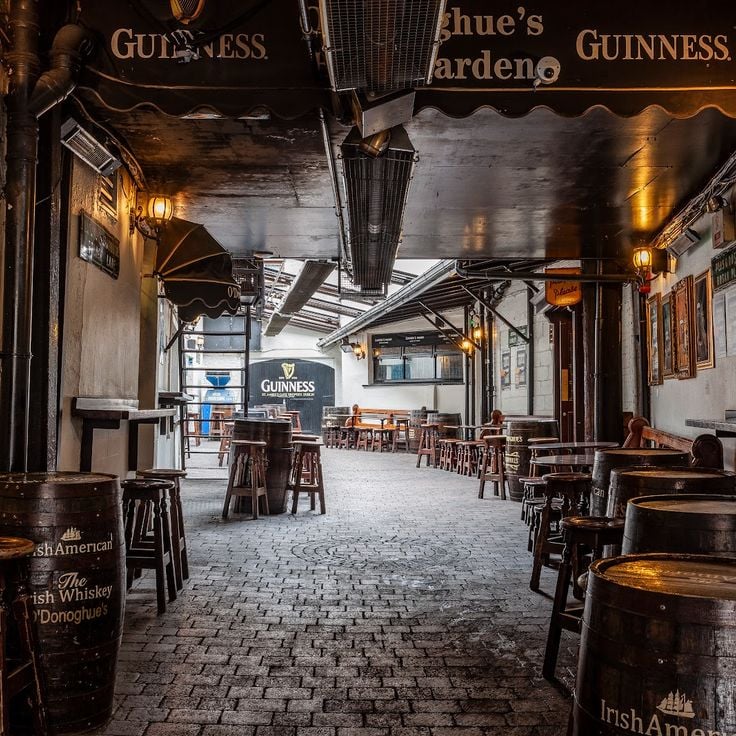
Peadar O'Donnell's has operated since 1860 and hosts Irish music sessions every evening in a room furnished with wooden tables and chairs and decorated with old photographs. This pub in Derry represents one of Northern Ireland's venues where musicians gather regularly to play fiddles, tin whistles, and bodhrán drums. The establishment maintains the tradition of informal gatherings where locals and visitors experience music passed down through generations.
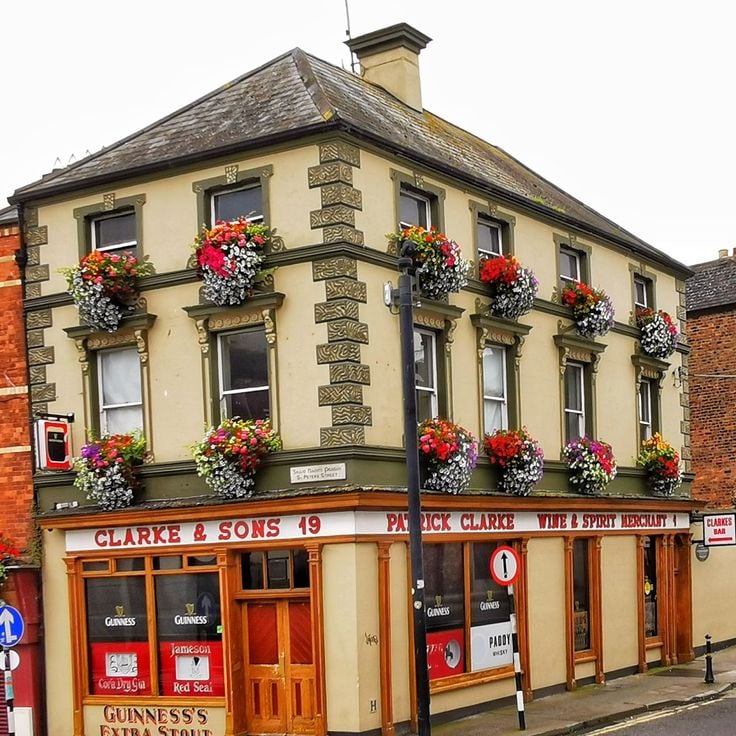
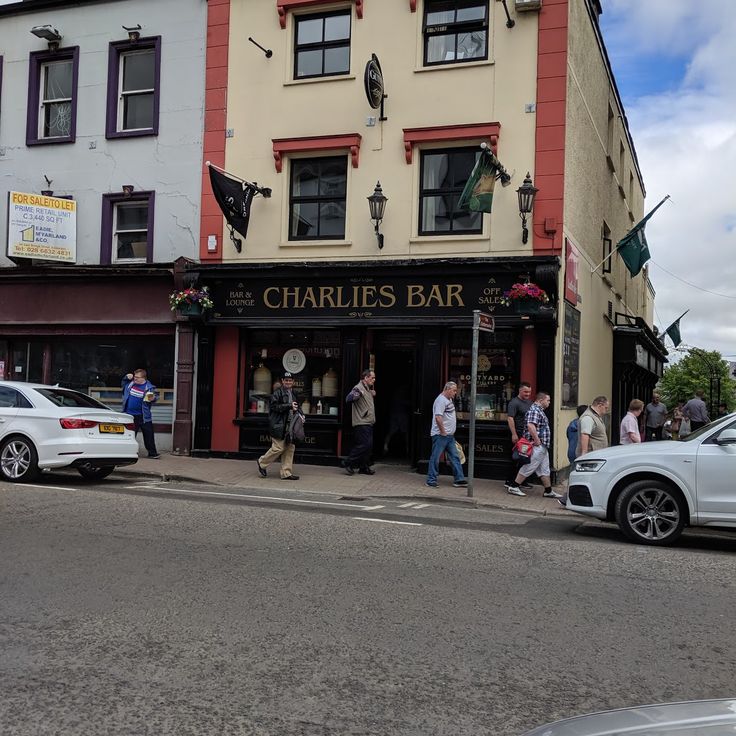
This pub has been operated by the Clarke family since 1900, maintaining a tradition of regular music sessions that continues into the present. Musicians gather at Clarke & Sons every Thursday evening to play Irish folk music in a space that has served the local community as a meeting place for over a century.
This pub, established in 1894 in an 18th-century house in the medieval quarter, ranks among Galway's traditional music venues where musicians gather regularly for sessions, maintaining Irish musical tradition in a space that preserves its Victorian-era fixtures and interior details.
The Crosskeys Inn occupies a thatched-roof cottage dating to the 17th century and ranks among the historic sites for Irish musical traditions. Musicians gather here regularly for sessions where fiddles, tin whistles, and bodhrán drums sound in surroundings that have endured for generations, preserving the living character of this musical heritage passed down through centuries of practice.
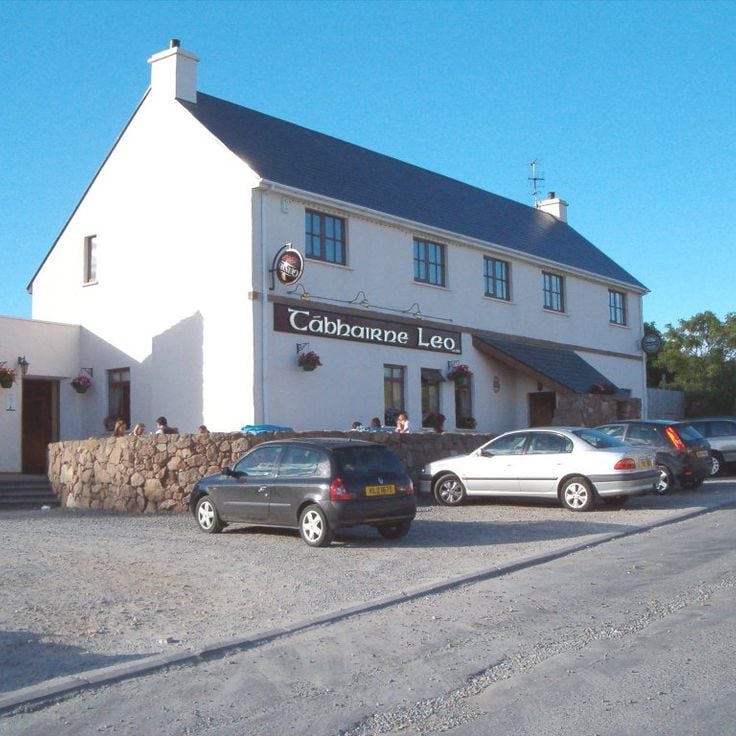
This family-run tavern in Meenaleck, operated by the Brennan family since 1868, produced several musicians who later gained international recognition, including members of Clannad and Enya. The establishment hosts regular concerts featuring traditional Irish music and preserves the musical tradition passed down through generations in this remote corner of Donegal. The Brennan family continues to run the pub, offering visitors insight into the musical roots of one of Ireland's most recognized artistic families.
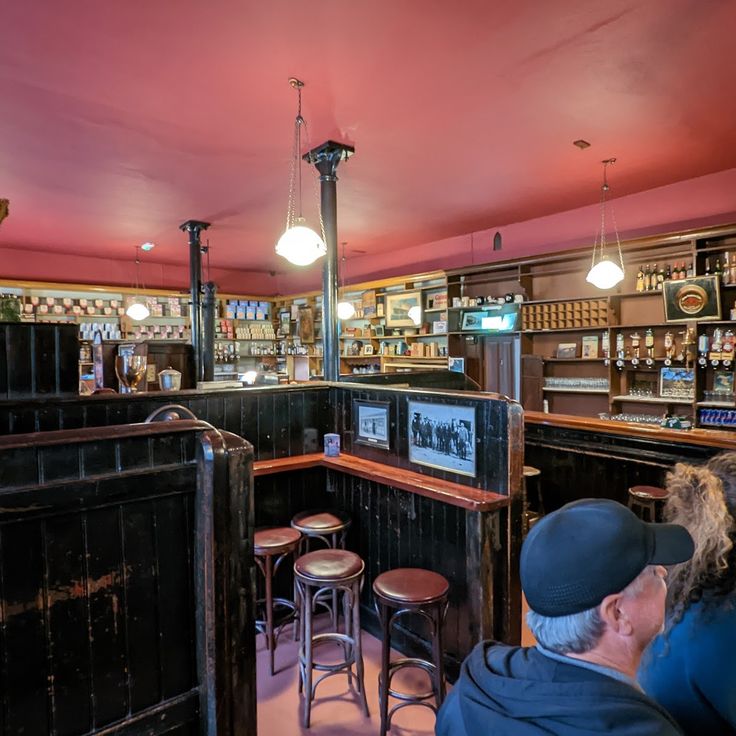
This family-owned establishment has preserved its original mahogany woodwork and Victorian-era interior elements since opening in 1887. Local musicians gather regularly to play traditional Irish tunes on fiddles and tin whistles, continuing the practice that has characterized these rooms for over a century.
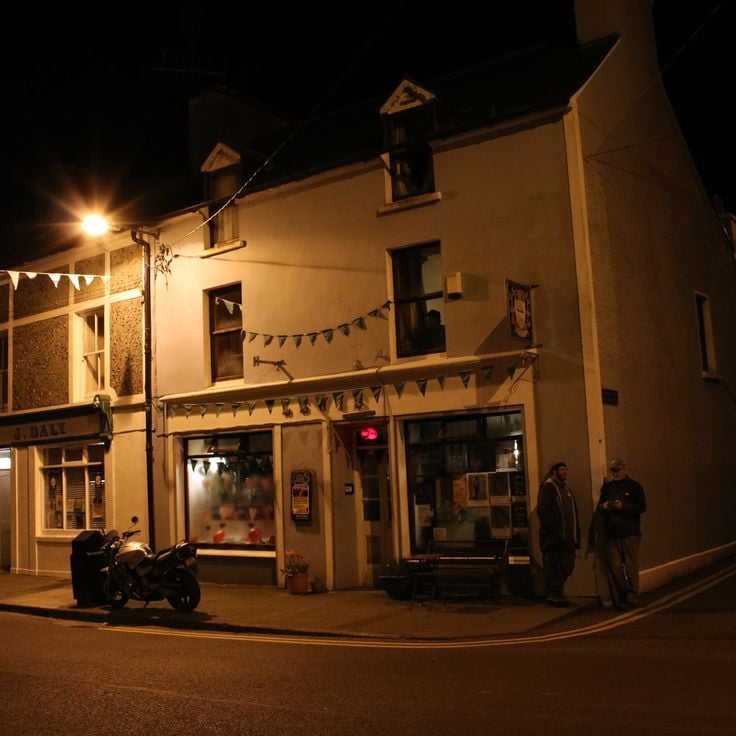
This former shop building from 1870 in Ballydehob has evolved into a venue for Irish music, hosting contemporary and traditional concerts in a historic space that continues the musical traditions of Ireland in a small town in West Cork.
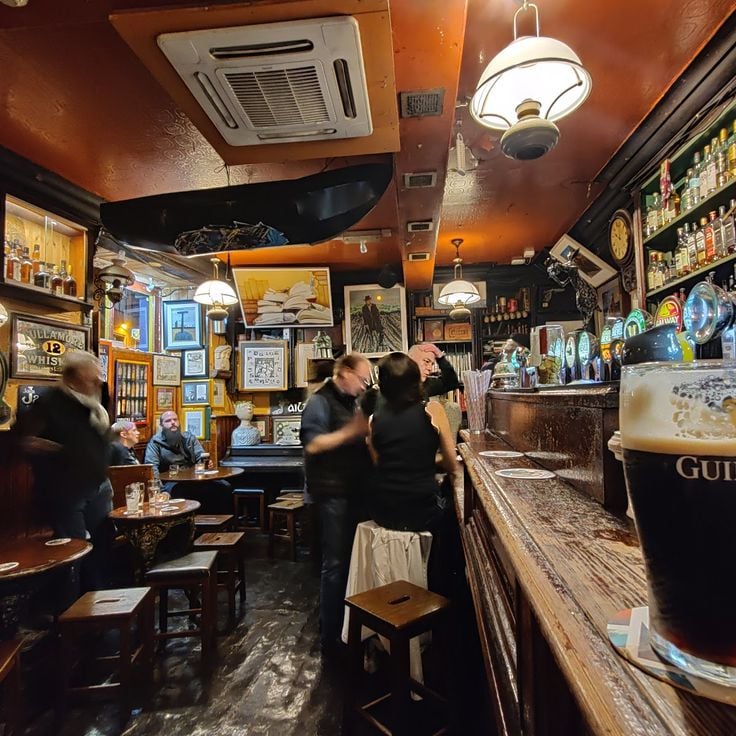
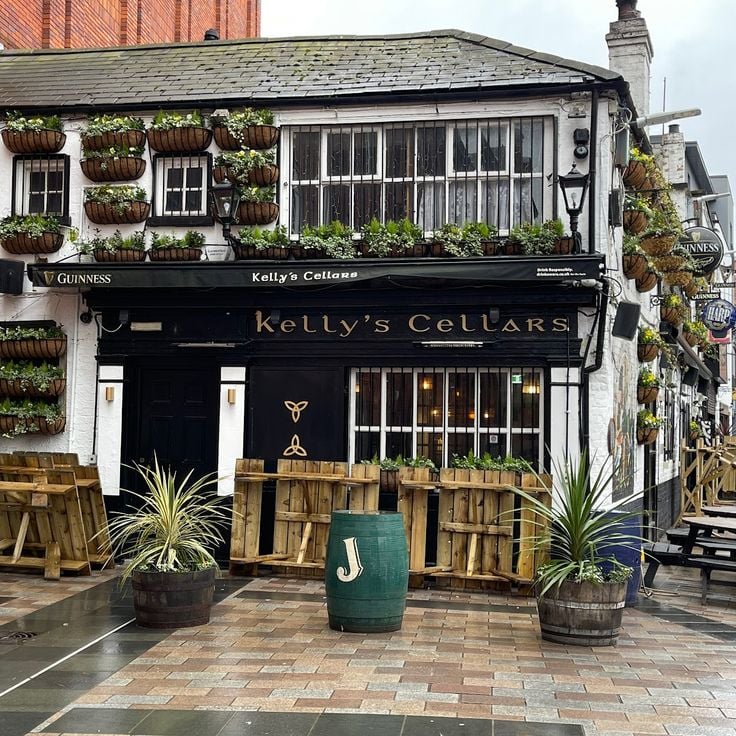
This Belfast pub has operated since 1720, making it among the oldest in the city. Musicians gather regularly to play traditional Irish music in rooms with stone walls that have preserved their historical character. Kelly's Cellars maintains the practice of sessions where both locals and visitors can experience Northern Ireland's musical heritage in a setting that has changed little over three centuries.
This Dublin pub, opened in 1934, is known as the venue where The Dubliners held their first performances and continues the tradition of nightly traditional music sessions, connecting visitors to Ireland's musical heritage in a room that has gathered musicians with fiddles, tin whistles, and bodhrán drums for decades.
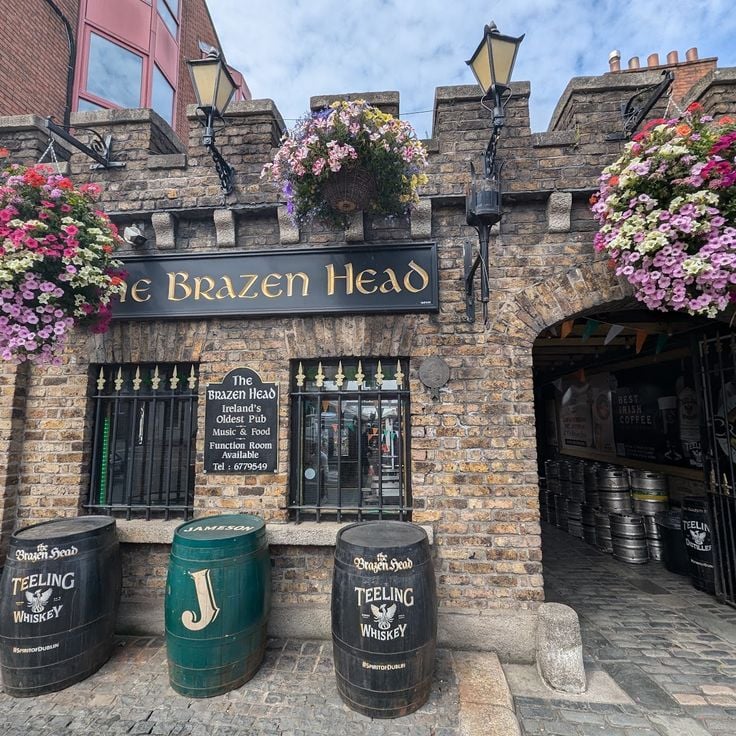
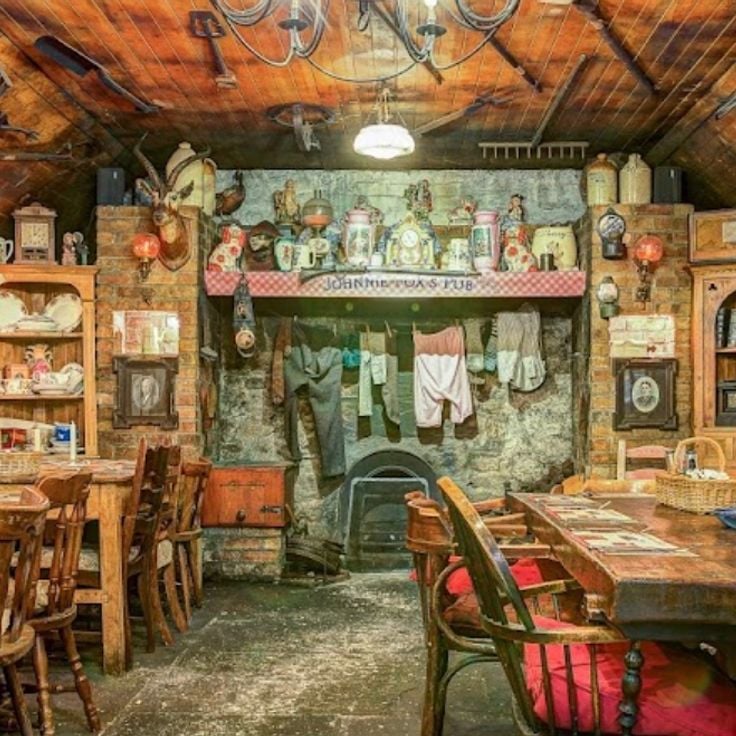
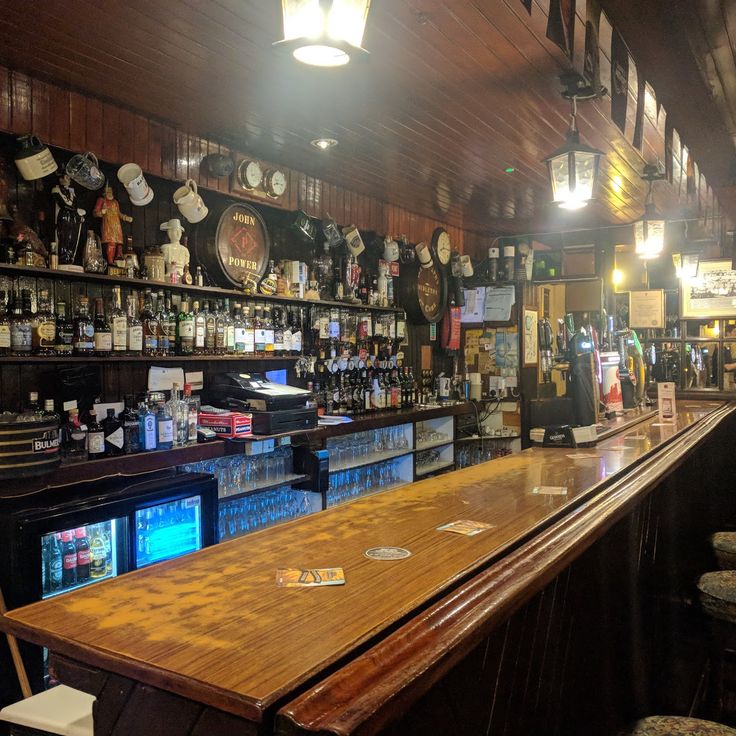
The Brazen Head dates to 1198 and ranks among Ireland's oldest pubs. This historic tavern hosts regular evenings of traditional Irish music and storytelling sessions featuring narratives from Irish mythology and local legends. The rooms retain the character of a medieval inn with low ceiling beams and stone-lined walls. Musicians perform several times weekly, with sessions incorporating fiddle, bodhrán and tin whistle.
This mountain tavern sits in the Dublin Mountains above the city and hosts regular evenings of traditional Irish music and dance performances. The house dates from the 18th century and combines the setting of a historic country inn with organized presentations designed for visitors. Events take place in separate rooms while the pub area serves food and drinks.
This family run pub in the heart of Dublin hosts traditional Irish music sessions every evening in a historic room with wooden paneling, where local musicians gather for informal performances. Hughes Bar is among the Dublin establishments that preserve Ireland's musical heritage in an authentic setting, away from the main tourist routes in the Temple Bar district. The sessions typically begin around 9 PM and attract both experienced instrumentalists and visitors looking to experience the tradition of communal music evenings.
The Cobblestone has remained under the management of the Mulligan family for several generations, hosting musicians who gather each evening for traditional Irish music sessions. This Dublin pub preserves the city's musical heritage in a setting that has changed little over the decades, offering visitors direct access to the living tradition of Irish folk music where fiddles, tin whistles and accordions fill a room that has long served as a meeting place for local musicians and those preserving the repertoire passed down through families.
Teach Hiúdaí Beag is an Irish pub in the Gaeltacht where local musicians gather several times a week for traditional music sessions, offering visitors access to the musical heritage of the region in a setting where Irish remains the primary language of daily conversation.
This pub in central Galway dates to the 18th century and preserves its original Victorian interior with elaborate wooden carvings and period architectural trim. The Quays hosts regular traditional Irish music sessions in rooms where the paneling and architectural details document centuries of craftsmanship, offering the characteristic setting of a historic Irish music pub where locals and visitors gather to play together.
This Victorian pub in Dublin spans multiple floors and preserves its original furnishings while hosting regular traditional Irish music performances. Kehoe's stands among those places where Ireland's musical heritage continues in a historic setting.
This pub dating from 1787 features exposed stone walls and hosts regular Irish music concerts while maintaining an extensive craft beer selection, serving as one of Limerick's traditional music venues where musicians have gathered for generations.
This Dublin tavern has stood since 1782 and preserves its historic interior with dark wood and carved details. Regular traditional Irish music concerts take place in rooms that have served as a gathering point for musicians and patrons for over two centuries, maintaining the city's living music tradition.
This pub preserves its period woodwork and original decorative features while hosting regular Irish music sessions in a space that has brought together generations of musicians. The establishment is among Dublin's venues where the traditional music practice continues in its authentic form, with fiddles, tin whistles, and bodhrán drums heard in surroundings that have remained largely unchanged over the decades.
This pub dating from 1833 maintains its 19th-century interior fittings and hosts regular Irish music sessions, fitting into Dublin's network of traditional music venues where generations of musicians have kept the folk music tradition alive in settings that preserve the character of their original construction.
This 18th-century stone establishment near the ocean provides a setting for regular gatherings of local musicians who continue the tradition of Irish sessions, offering visitors access to a living musical heritage passed down through generations.
The Moorings sits at the harbor in central Dungarvan and organizes Irish music sessions with local musicians on Friday and Saturday nights. This bar joins the network of establishments across the country that continue to serve as gathering places for traditional music. Musicians regularly assemble here with fiddles, tin whistles, accordions, and bodhrán drums to carry forward the musical tradition passed down through generations, offering locals and visitors direct access to this living heritage.
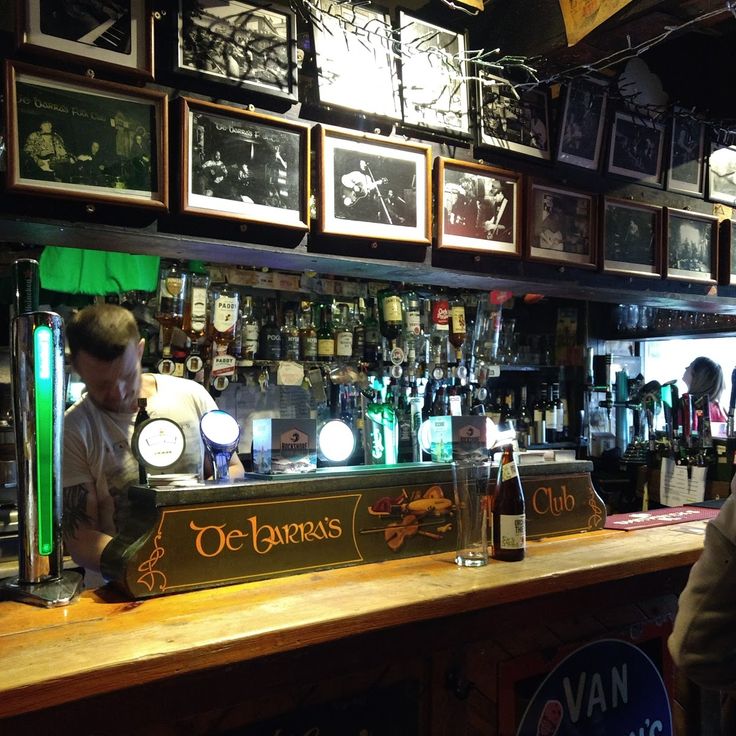
This concert hall and bar in Clonakilty has been presenting Irish and international folk musicians since 1982, contributing to the tradition of live music venues that anchor Ireland's musical heritage. De Barra's Folk Club hosts regular performances throughout the year, offering a space where touring artists and local musicians perform before audiences seeking direct access to the country's continuing folk music tradition.
Pepper's Bar has operated in Feakle since 1810, establishing itself as a center for traditional Irish music in rural County Clare. The pub's stone-walled rooms regularly host concerts and sessions featuring local musicians playing fiddle, tin whistle, and bodhrán. The historic setting complements the musical tradition that has been maintained here for over two centuries.
This pub on the Limerick quays has hosted traditional Irish music sessions since 1878, maintaining its role as a meeting place where local musicians gather regularly to continue the musical heritage that defines Ireland's pub culture.
This pub in Skryne was built in 1846 and retains its original interior, hosting traditional music sessions every Sunday afternoon. The establishment is among the Meath venues that maintain the region's musical heritage through regular gatherings of local players, offering visitors access to performances in a setting that has preserved its 19th-century character.
This pub occupies a former cobbler's workshop dating from 1899, where local musicians gather regularly for sessions in the main room. The original workbenches remain in place, and the interior has changed little since its founding. Dick Mack's combines the history of its shoemaking past with the Irish music tradition that has been maintained in County Kerry for generations.
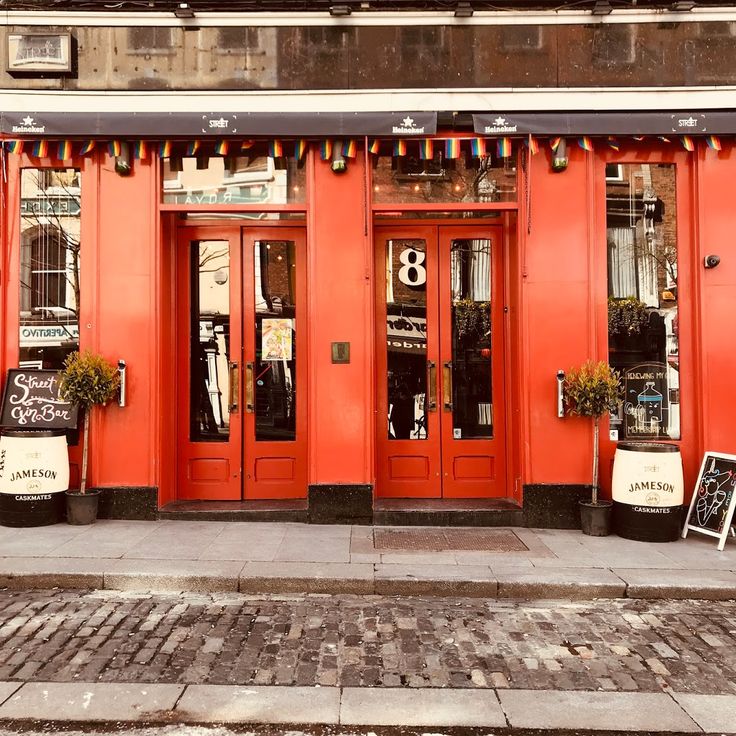
This city center bar combines contemporary decor with traditional Irish music, presenting concerts by local bands several nights each week, with Street 66 serving as part of Dublin's scene that continues Ireland's musical heritage in modern surroundings.
This pub established in 1775 retains its original Victorian decor and stands among the historic gathering places in Ireland's living music tradition, where musicians meet weekly to play traditional Irish music as has been done in such rooms for generations across the country.
Established in 1780, this pub continues weekly traditional Irish music sessions and preserves 18th-century architectural elements that document its role as a gathering place for generations of Sligo musicians.
This rural pub in the County Wicklow hills welcomes local musicians for traditional Irish sessions several nights a week, continuing the living music tradition this collection documents. The setting maintains the unpretentious character of Irish country pubs where fiddle, tin whistle, and bodhrán players have gathered for generations to play together.
This family-run pub occupies a former 19th-century grocery store where guests sing Irish ballads accompanied by violins and accordions, continuing a tradition that has made Banagher a gathering place for this form of musical entertainment across generations.
This central Belfast establishment dates from the 1800s and presents traditional Irish musicians in its main hall, contributing to the living music tradition that Northern Ireland's pubs have maintained for generations through regular sessions where locals and visitors gather to hear the music passed down through centuries.
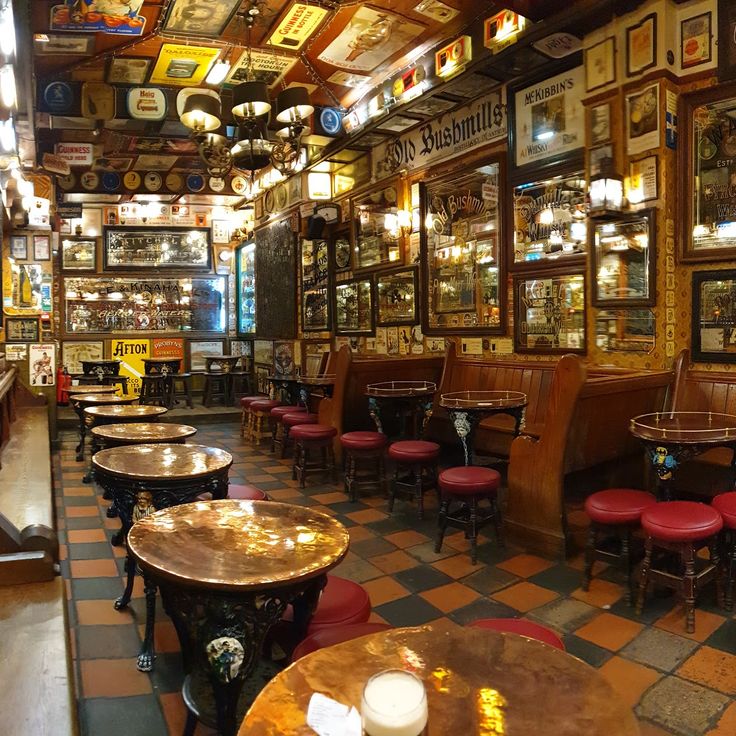
This city-center pub combines Victorian decor with nightly music performances that continue Belfast's active session tradition. The interior preserves mirrors and historical posters, while musicians gather each evening to play fiddle, tin whistle, and bodhrán. The whiskey selection features numerous Irish distilleries and complements the setting of this establishment, which has served as a gathering place for traditional music for generations.
This 18th-century pub with its characteristic red brick facade hosts live musicians daily from noon, playing traditional Irish tunes and contributing to the living musical tradition that Ireland's pubs have preserved for generations.
This Ballyvaughan bar has operated for more than a century and maintains a selection of 500 Irish whiskeys. On weekends, local musicians gather for traditional sessions that continue Ireland's musical heritage in a setting that has preserved its original character.
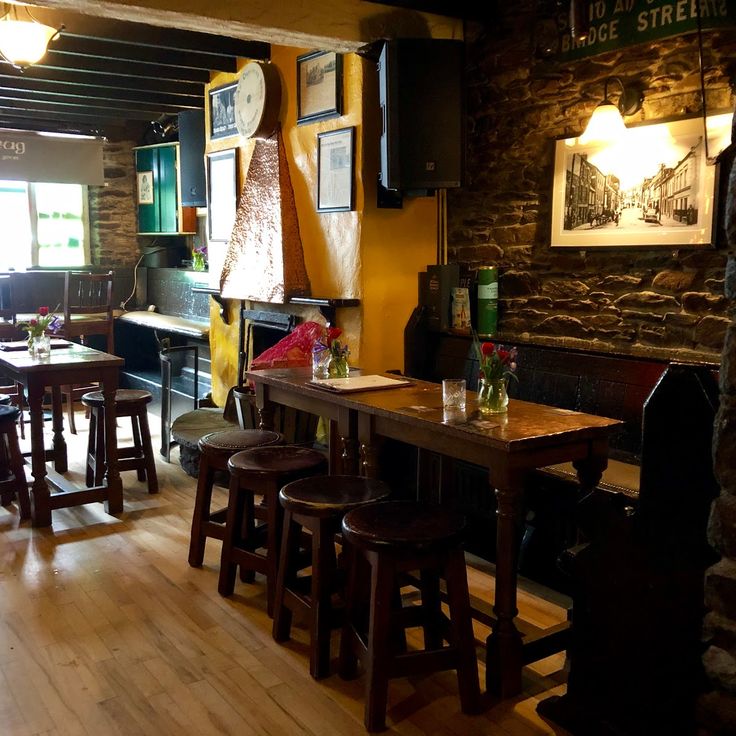
Peadar O'Donnell's has operated since 1860 and hosts Irish music sessions every evening in a room furnished with wooden tables and chairs and decorated with old photographs. This pub in Derry represents one of Northern Ireland's venues where musicians gather regularly to play fiddles, tin whistles, and bodhrán drums. The establishment maintains the tradition of informal gatherings where locals and visitors experience music passed down through generations.
This pub has been operated by the Clarke family since 1900, maintaining a tradition of regular music sessions that continues into the present. Musicians gather at Clarke & Sons every Thursday evening to play Irish folk music in a space that has served the local community as a meeting place for over a century.
This pub, established in 1894 in an 18th-century house in the medieval quarter, ranks among Galway's traditional music venues where musicians gather regularly for sessions, maintaining Irish musical tradition in a space that preserves its Victorian-era fixtures and interior details.
The Crosskeys Inn occupies a thatched-roof cottage dating to the 17th century and ranks among the historic sites for Irish musical traditions. Musicians gather here regularly for sessions where fiddles, tin whistles, and bodhrán drums sound in surroundings that have endured for generations, preserving the living character of this musical heritage passed down through centuries of practice.
This family-run tavern in Meenaleck, operated by the Brennan family since 1868, produced several musicians who later gained international recognition, including members of Clannad and Enya. The establishment hosts regular concerts featuring traditional Irish music and preserves the musical tradition passed down through generations in this remote corner of Donegal. The Brennan family continues to run the pub, offering visitors insight into the musical roots of one of Ireland's most recognized artistic families.
This family-owned establishment has preserved its original mahogany woodwork and Victorian-era interior elements since opening in 1887. Local musicians gather regularly to play traditional Irish tunes on fiddles and tin whistles, continuing the practice that has characterized these rooms for over a century.
This former shop building from 1870 in Ballydehob has evolved into a venue for Irish music, hosting contemporary and traditional concerts in a historic space that continues the musical traditions of Ireland in a small town in West Cork.
This Belfast pub has operated since 1720, making it among the oldest in the city. Musicians gather regularly to play traditional Irish music in rooms with stone walls that have preserved their historical character. Kelly's Cellars maintains the practice of sessions where both locals and visitors can experience Northern Ireland's musical heritage in a setting that has changed little over three centuries.
This Dublin pub, opened in 1934, is known as the venue where The Dubliners held their first performances and continues the tradition of nightly traditional music sessions, connecting visitors to Ireland's musical heritage in a room that has gathered musicians with fiddles, tin whistles, and bodhrán drums for decades.
The Brazen Head dates to 1198 and ranks among Ireland's oldest pubs. This historic tavern hosts regular evenings of traditional Irish music and storytelling sessions featuring narratives from Irish mythology and local legends. The rooms retain the character of a medieval inn with low ceiling beams and stone-lined walls. Musicians perform several times weekly, with sessions incorporating fiddle, bodhrán and tin whistle.
This mountain tavern sits in the Dublin Mountains above the city and hosts regular evenings of traditional Irish music and dance performances. The house dates from the 18th century and combines the setting of a historic country inn with organized presentations designed for visitors. Events take place in separate rooms while the pub area serves food and drinks.
This family run pub in the heart of Dublin hosts traditional Irish music sessions every evening in a historic room with wooden paneling, where local musicians gather for informal performances. Hughes Bar is among the Dublin establishments that preserve Ireland's musical heritage in an authentic setting, away from the main tourist routes in the Temple Bar district. The sessions typically begin around 9 PM and attract both experienced instrumentalists and visitors looking to experience the tradition of communal music evenings.
The Cobblestone has remained under the management of the Mulligan family for several generations, hosting musicians who gather each evening for traditional Irish music sessions. This Dublin pub preserves the city's musical heritage in a setting that has changed little over the decades, offering visitors direct access to the living tradition of Irish folk music where fiddles, tin whistles and accordions fill a room that has long served as a meeting place for local musicians and those preserving the repertoire passed down through families.
Teach Hiúdaí Beag is an Irish pub in the Gaeltacht where local musicians gather several times a week for traditional music sessions, offering visitors access to the musical heritage of the region in a setting where Irish remains the primary language of daily conversation.
This pub in central Galway dates to the 18th century and preserves its original Victorian interior with elaborate wooden carvings and period architectural trim. The Quays hosts regular traditional Irish music sessions in rooms where the paneling and architectural details document centuries of craftsmanship, offering the characteristic setting of a historic Irish music pub where locals and visitors gather to play together.
This Victorian pub in Dublin spans multiple floors and preserves its original furnishings while hosting regular traditional Irish music performances. Kehoe's stands among those places where Ireland's musical heritage continues in a historic setting.
This pub dating from 1787 features exposed stone walls and hosts regular Irish music concerts while maintaining an extensive craft beer selection, serving as one of Limerick's traditional music venues where musicians have gathered for generations.
This Dublin tavern has stood since 1782 and preserves its historic interior with dark wood and carved details. Regular traditional Irish music concerts take place in rooms that have served as a gathering point for musicians and patrons for over two centuries, maintaining the city's living music tradition.
This pub preserves its period woodwork and original decorative features while hosting regular Irish music sessions in a space that has brought together generations of musicians. The establishment is among Dublin's venues where the traditional music practice continues in its authentic form, with fiddles, tin whistles, and bodhrán drums heard in surroundings that have remained largely unchanged over the decades.
This pub dating from 1833 maintains its 19th-century interior fittings and hosts regular Irish music sessions, fitting into Dublin's network of traditional music venues where generations of musicians have kept the folk music tradition alive in settings that preserve the character of their original construction.
This 18th-century stone establishment near the ocean provides a setting for regular gatherings of local musicians who continue the tradition of Irish sessions, offering visitors access to a living musical heritage passed down through generations.
The Moorings sits at the harbor in central Dungarvan and organizes Irish music sessions with local musicians on Friday and Saturday nights. This bar joins the network of establishments across the country that continue to serve as gathering places for traditional music. Musicians regularly assemble here with fiddles, tin whistles, accordions, and bodhrán drums to carry forward the musical tradition passed down through generations, offering locals and visitors direct access to this living heritage.
This concert hall and bar in Clonakilty has been presenting Irish and international folk musicians since 1982, contributing to the tradition of live music venues that anchor Ireland's musical heritage. De Barra's Folk Club hosts regular performances throughout the year, offering a space where touring artists and local musicians perform before audiences seeking direct access to the country's continuing folk music tradition.
Pepper's Bar has operated in Feakle since 1810, establishing itself as a center for traditional Irish music in rural County Clare. The pub's stone-walled rooms regularly host concerts and sessions featuring local musicians playing fiddle, tin whistle, and bodhrán. The historic setting complements the musical tradition that has been maintained here for over two centuries.
This pub on the Limerick quays has hosted traditional Irish music sessions since 1878, maintaining its role as a meeting place where local musicians gather regularly to continue the musical heritage that defines Ireland's pub culture.
This pub in Skryne was built in 1846 and retains its original interior, hosting traditional music sessions every Sunday afternoon. The establishment is among the Meath venues that maintain the region's musical heritage through regular gatherings of local players, offering visitors access to performances in a setting that has preserved its 19th-century character.
This pub occupies a former cobbler's workshop dating from 1899, where local musicians gather regularly for sessions in the main room. The original workbenches remain in place, and the interior has changed little since its founding. Dick Mack's combines the history of its shoemaking past with the Irish music tradition that has been maintained in County Kerry for generations.
This city center bar combines contemporary decor with traditional Irish music, presenting concerts by local bands several nights each week, with Street 66 serving as part of Dublin's scene that continues Ireland's musical heritage in modern surroundings.
This pub established in 1775 retains its original Victorian decor and stands among the historic gathering places in Ireland's living music tradition, where musicians meet weekly to play traditional Irish music as has been done in such rooms for generations across the country.
Established in 1780, this pub continues weekly traditional Irish music sessions and preserves 18th-century architectural elements that document its role as a gathering place for generations of Sligo musicians.
This rural pub in the County Wicklow hills welcomes local musicians for traditional Irish sessions several nights a week, continuing the living music tradition this collection documents. The setting maintains the unpretentious character of Irish country pubs where fiddle, tin whistle, and bodhrán players have gathered for generations to play together.
This family-run pub occupies a former 19th-century grocery store where guests sing Irish ballads accompanied by violins and accordions, continuing a tradition that has made Banagher a gathering place for this form of musical entertainment across generations.
This central Belfast establishment dates from the 1800s and presents traditional Irish musicians in its main hall, contributing to the living music tradition that Northern Ireland's pubs have maintained for generations through regular sessions where locals and visitors gather to hear the music passed down through centuries.
This city-center pub combines Victorian decor with nightly music performances that continue Belfast's active session tradition. The interior preserves mirrors and historical posters, while musicians gather each evening to play fiddle, tin whistle, and bodhrán. The whiskey selection features numerous Irish distilleries and complements the setting of this establishment, which has served as a gathering place for traditional music for generations.
This 18th-century pub with its characteristic red brick facade hosts live musicians daily from noon, playing traditional Irish tunes and contributing to the living musical tradition that Ireland's pubs have preserved for generations.
This Ballyvaughan bar has operated for more than a century and maintains a selection of 500 Irish whiskeys. On weekends, local musicians gather for traditional sessions that continue Ireland's musical heritage in a setting that has preserved its original character.
Peadar O'Donnell's has operated since 1860 and hosts Irish music sessions every evening in a room furnished with wooden tables and chairs and decorated with old photographs. This pub in Derry represents one of Northern Ireland's venues where musicians gather regularly to play fiddles, tin whistles, and bodhrán drums. The establishment maintains the tradition of informal gatherings where locals and visitors experience music passed down through generations.
This pub has been operated by the Clarke family since 1900, maintaining a tradition of regular music sessions that continues into the present. Musicians gather at Clarke & Sons every Thursday evening to play Irish folk music in a space that has served the local community as a meeting place for over a century.
This pub, established in 1894 in an 18th-century house in the medieval quarter, ranks among Galway's traditional music venues where musicians gather regularly for sessions, maintaining Irish musical tradition in a space that preserves its Victorian-era fixtures and interior details.
The Crosskeys Inn occupies a thatched-roof cottage dating to the 17th century and ranks among the historic sites for Irish musical traditions. Musicians gather here regularly for sessions where fiddles, tin whistles, and bodhrán drums sound in surroundings that have endured for generations, preserving the living character of this musical heritage passed down through centuries of practice.
This family-run tavern in Meenaleck, operated by the Brennan family since 1868, produced several musicians who later gained international recognition, including members of Clannad and Enya. The establishment hosts regular concerts featuring traditional Irish music and preserves the musical tradition passed down through generations in this remote corner of Donegal. The Brennan family continues to run the pub, offering visitors insight into the musical roots of one of Ireland's most recognized artistic families.
This family-owned establishment has preserved its original mahogany woodwork and Victorian-era interior elements since opening in 1887. Local musicians gather regularly to play traditional Irish tunes on fiddles and tin whistles, continuing the practice that has characterized these rooms for over a century.
This former shop building from 1870 in Ballydehob has evolved into a venue for Irish music, hosting contemporary and traditional concerts in a historic space that continues the musical traditions of Ireland in a small town in West Cork.
This Belfast pub has operated since 1720, making it among the oldest in the city. Musicians gather regularly to play traditional Irish music in rooms with stone walls that have preserved their historical character. Kelly's Cellars maintains the practice of sessions where both locals and visitors can experience Northern Ireland's musical heritage in a setting that has changed little over three centuries.
This Dublin pub, opened in 1934, is known as the venue where The Dubliners held their first performances and continues the tradition of nightly traditional music sessions, connecting visitors to Ireland's musical heritage in a room that has gathered musicians with fiddles, tin whistles, and bodhrán drums for decades.
The Brazen Head dates to 1198 and ranks among Ireland's oldest pubs. This historic tavern hosts regular evenings of traditional Irish music and storytelling sessions featuring narratives from Irish mythology and local legends. The rooms retain the character of a medieval inn with low ceiling beams and stone-lined walls. Musicians perform several times weekly, with sessions incorporating fiddle, bodhrán and tin whistle.
This mountain tavern sits in the Dublin Mountains above the city and hosts regular evenings of traditional Irish music and dance performances. The house dates from the 18th century and combines the setting of a historic country inn with organized presentations designed for visitors. Events take place in separate rooms while the pub area serves food and drinks.
This family run pub in the heart of Dublin hosts traditional Irish music sessions every evening in a historic room with wooden paneling, where local musicians gather for informal performances. Hughes Bar is among the Dublin establishments that preserve Ireland's musical heritage in an authentic setting, away from the main tourist routes in the Temple Bar district. The sessions typically begin around 9 PM and attract both experienced instrumentalists and visitors looking to experience the tradition of communal music evenings.
The Cobblestone has remained under the management of the Mulligan family for several generations, hosting musicians who gather each evening for traditional Irish music sessions. This Dublin pub preserves the city's musical heritage in a setting that has changed little over the decades, offering visitors direct access to the living tradition of Irish folk music where fiddles, tin whistles and accordions fill a room that has long served as a meeting place for local musicians and those preserving the repertoire passed down through families.
Teach Hiúdaí Beag is an Irish pub in the Gaeltacht where local musicians gather several times a week for traditional music sessions, offering visitors access to the musical heritage of the region in a setting where Irish remains the primary language of daily conversation.
This pub in central Galway dates to the 18th century and preserves its original Victorian interior with elaborate wooden carvings and period architectural trim. The Quays hosts regular traditional Irish music sessions in rooms where the paneling and architectural details document centuries of craftsmanship, offering the characteristic setting of a historic Irish music pub where locals and visitors gather to play together.
This Victorian pub in Dublin spans multiple floors and preserves its original furnishings while hosting regular traditional Irish music performances. Kehoe's stands among those places where Ireland's musical heritage continues in a historic setting.
This pub dating from 1787 features exposed stone walls and hosts regular Irish music concerts while maintaining an extensive craft beer selection, serving as one of Limerick's traditional music venues where musicians have gathered for generations.
This Dublin tavern has stood since 1782 and preserves its historic interior with dark wood and carved details. Regular traditional Irish music concerts take place in rooms that have served as a gathering point for musicians and patrons for over two centuries, maintaining the city's living music tradition.
This pub preserves its period woodwork and original decorative features while hosting regular Irish music sessions in a space that has brought together generations of musicians. The establishment is among Dublin's venues where the traditional music practice continues in its authentic form, with fiddles, tin whistles, and bodhrán drums heard in surroundings that have remained largely unchanged over the decades.
This pub dating from 1833 maintains its 19th-century interior fittings and hosts regular Irish music sessions, fitting into Dublin's network of traditional music venues where generations of musicians have kept the folk music tradition alive in settings that preserve the character of their original construction.
This 18th-century stone establishment near the ocean provides a setting for regular gatherings of local musicians who continue the tradition of Irish sessions, offering visitors access to a living musical heritage passed down through generations.
The Moorings sits at the harbor in central Dungarvan and organizes Irish music sessions with local musicians on Friday and Saturday nights. This bar joins the network of establishments across the country that continue to serve as gathering places for traditional music. Musicians regularly assemble here with fiddles, tin whistles, accordions, and bodhrán drums to carry forward the musical tradition passed down through generations, offering locals and visitors direct access to this living heritage.
This concert hall and bar in Clonakilty has been presenting Irish and international folk musicians since 1982, contributing to the tradition of live music venues that anchor Ireland's musical heritage. De Barra's Folk Club hosts regular performances throughout the year, offering a space where touring artists and local musicians perform before audiences seeking direct access to the country's continuing folk music tradition.
Pepper's Bar has operated in Feakle since 1810, establishing itself as a center for traditional Irish music in rural County Clare. The pub's stone-walled rooms regularly host concerts and sessions featuring local musicians playing fiddle, tin whistle, and bodhrán. The historic setting complements the musical tradition that has been maintained here for over two centuries.
This pub on the Limerick quays has hosted traditional Irish music sessions since 1878, maintaining its role as a meeting place where local musicians gather regularly to continue the musical heritage that defines Ireland's pub culture.
This pub in Skryne was built in 1846 and retains its original interior, hosting traditional music sessions every Sunday afternoon. The establishment is among the Meath venues that maintain the region's musical heritage through regular gatherings of local players, offering visitors access to performances in a setting that has preserved its 19th-century character.
This pub occupies a former cobbler's workshop dating from 1899, where local musicians gather regularly for sessions in the main room. The original workbenches remain in place, and the interior has changed little since its founding. Dick Mack's combines the history of its shoemaking past with the Irish music tradition that has been maintained in County Kerry for generations.
This city center bar combines contemporary decor with traditional Irish music, presenting concerts by local bands several nights each week, with Street 66 serving as part of Dublin's scene that continues Ireland's musical heritage in modern surroundings.
This pub established in 1775 retains its original Victorian decor and stands among the historic gathering places in Ireland's living music tradition, where musicians meet weekly to play traditional Irish music as has been done in such rooms for generations across the country.
Established in 1780, this pub continues weekly traditional Irish music sessions and preserves 18th-century architectural elements that document its role as a gathering place for generations of Sligo musicians.
This rural pub in the County Wicklow hills welcomes local musicians for traditional Irish sessions several nights a week, continuing the living music tradition this collection documents. The setting maintains the unpretentious character of Irish country pubs where fiddle, tin whistle, and bodhrán players have gathered for generations to play together.
This family-run pub occupies a former 19th-century grocery store where guests sing Irish ballads accompanied by violins and accordions, continuing a tradition that has made Banagher a gathering place for this form of musical entertainment across generations.
This central Belfast establishment dates from the 1800s and presents traditional Irish musicians in its main hall, contributing to the living music tradition that Northern Ireland's pubs have maintained for generations through regular sessions where locals and visitors gather to hear the music passed down through centuries.
This city-center pub combines Victorian decor with nightly music performances that continue Belfast's active session tradition. The interior preserves mirrors and historical posters, while musicians gather each evening to play fiddle, tin whistle, and bodhrán. The whiskey selection features numerous Irish distilleries and complements the setting of this establishment, which has served as a gathering place for traditional music for generations.