See the monuments around you in AROpen chests in the app
Around Us is built for your phone — point your camera at the streets and discover the monuments and places around you in augmented reality.Around Us is built for your phone — chests unlock when you walk, explore and capture nearby places.
Monuments of Dublin: medieval castle, Trinity College and Guinness Storehouse
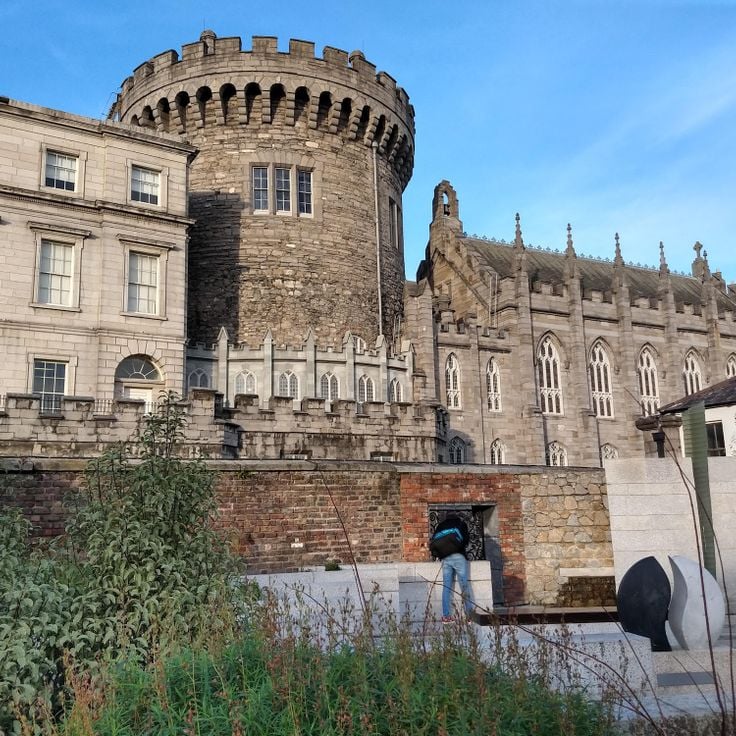
Dublin developed from a medieval settlement into a modern European capital. The cityscape combines structures from different eras, including Dublin Castle dating to the 13th century and Christ Church Cathedral founded in 1191. Trinity College displays Georgian architecture and houses significant historical collections. Kilmainham Gaol provides insights into Irish history from the late 18th century through independence. Cultural institutions like the National Museum of Ireland present archaeological finds from the Stone Age to medieval times.
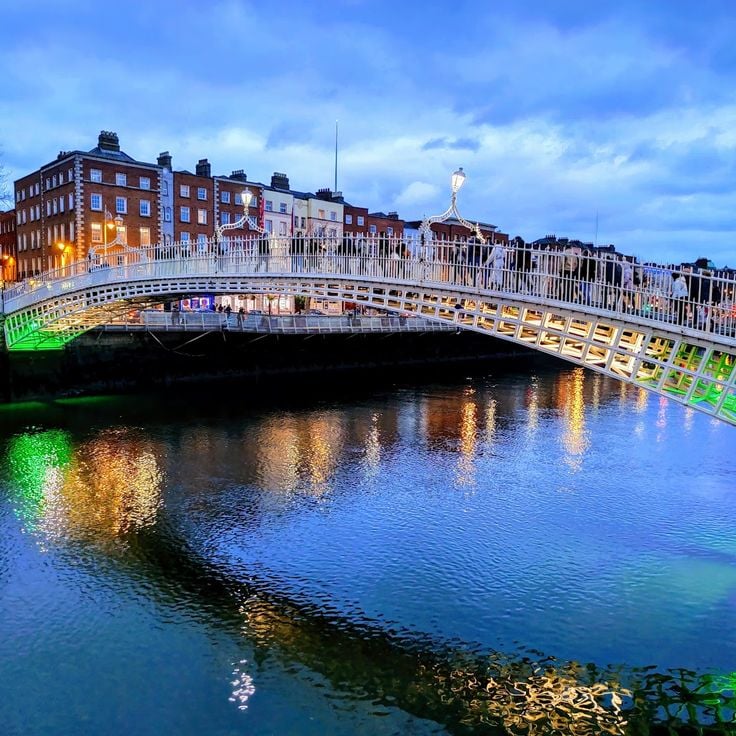
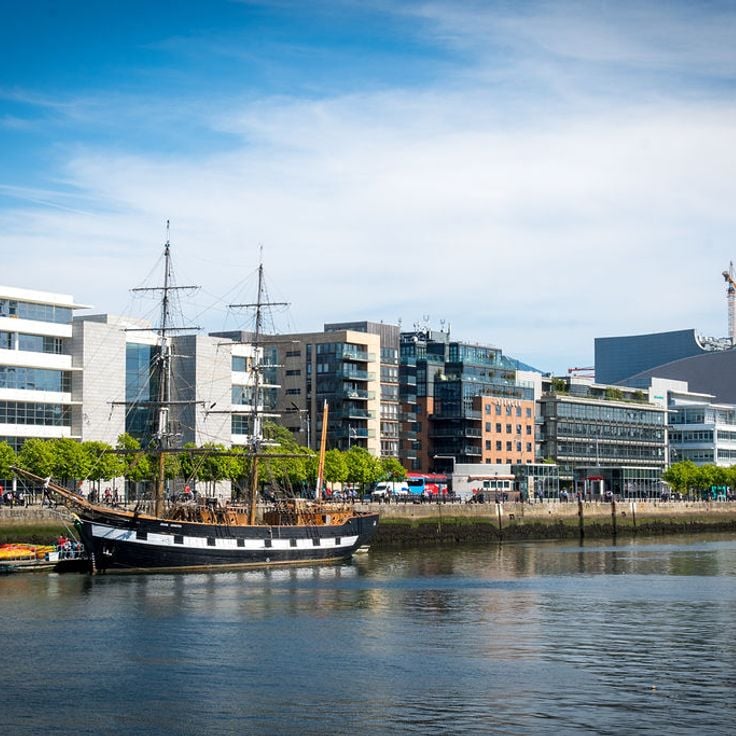
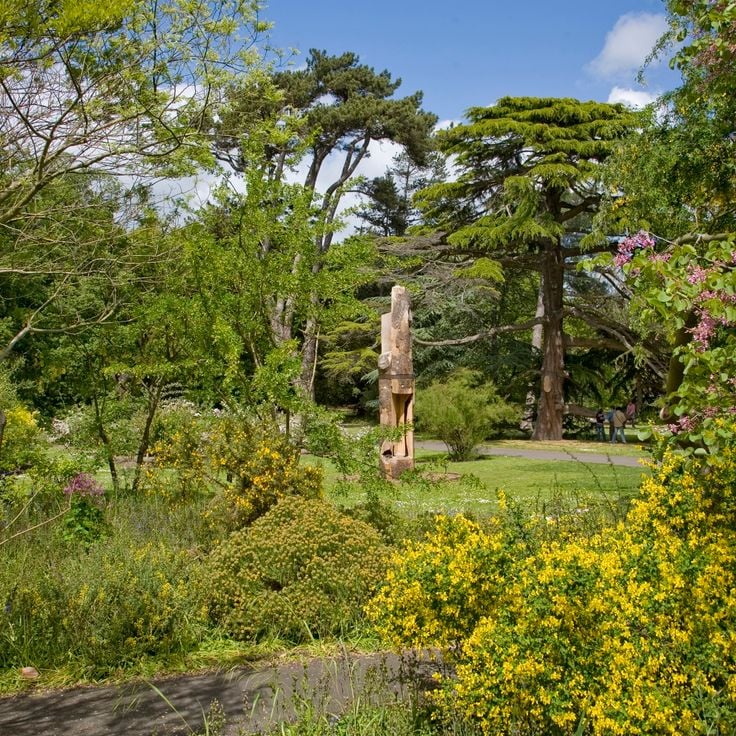
The city features extensive green spaces, with Phoenix Park covering 1,747 acres (707 hectares), making it one of Europe's largest walled city parks. The National Botanic Gardens display plant collections across 48 acres (19.5 hectares). Visitors find various museums, from the Irish Museum of Modern Art to the Famine Museum aboard the replica emigrant ship Jeanie Johnston. The Temple Bar district concentrates traditional pubs and restaurants. Grafton Street offers shopping and street performances. From Ha'penny Bridge to The Spire, historical and contemporary structures shape the urban landscape. The Guinness Storehouse documents the brewery's history since 1759.
Monuments of Dublin: medieval castle, Trinity College and Guinness Storehouse
Dublin developed from a medieval settlement into a modern European capital. The cityscape combines structures from different eras, including Dublin Castle dating to the 13th century and Christ Church Cathedral founded in 1191. Trinity College displays Georgian architecture and houses significant historical collections. Kilmainham Gaol provides insights into Irish history from the late 18th century through independence. Cultural institutions like the National Museum of Ireland present archaeological finds from the Stone Age to medieval times.
The city features extensive green spaces, with Phoenix Park covering 1,747 acres (707 hectares), making it one of Europe's largest walled city parks. The National Botanic Gardens display plant collections across 48 acres (19.5 hectares). Visitors find various museums, from the Irish Museum of Modern Art to the Famine Museum aboard the replica emigrant ship Jeanie Johnston. The Temple Bar district concentrates traditional pubs and restaurants. Grafton Street offers shopping and street performances. From Ha'penny Bridge to The Spire, historical and contemporary structures shape the urban landscape. The Guinness Storehouse documents the brewery's history since 1759.
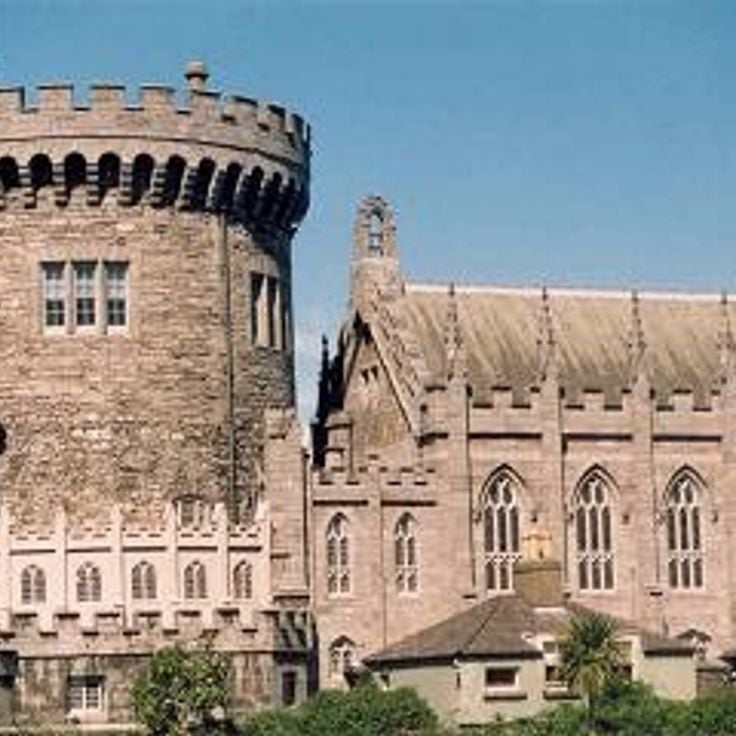
This 13th-century fortress served as the headquarters of British administration in Ireland and documents a central part of Dublin's history. The castle now hosts state receptions and displays the evolution from a medieval defensive structure to a ceremonial government building. Visitors can tour the State Apartments and explore the Chapel Royal, gaining insight into centuries of political power.
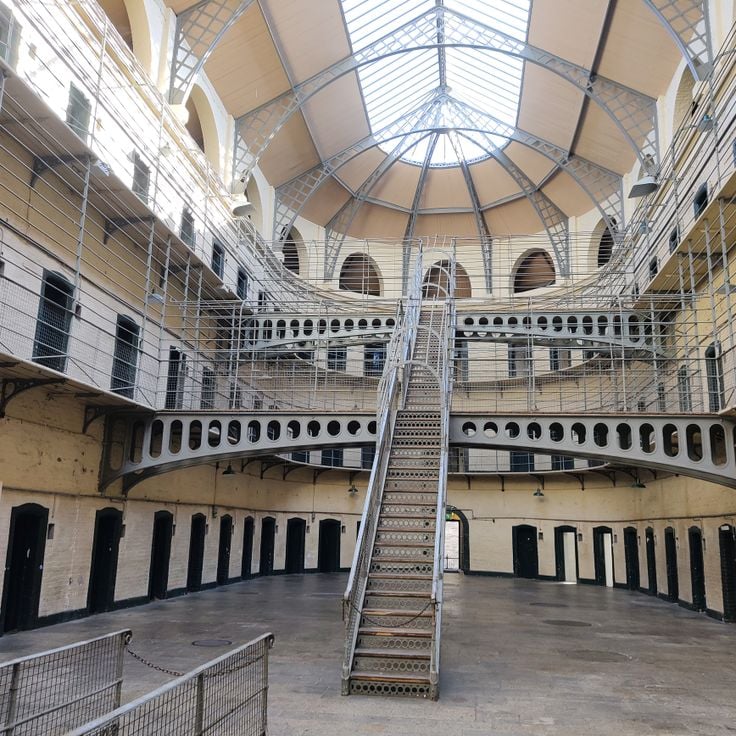
This prison from 1796 served as a detention facility for numerous Irish revolutionaries during the independence struggles. Kilmainham Gaol now functions as a museum presenting the history of the Irish independence movement and documenting prisoner conditions along with significant historical events. The facility complements Dublin's historical attractions through its role in Ireland's national history.
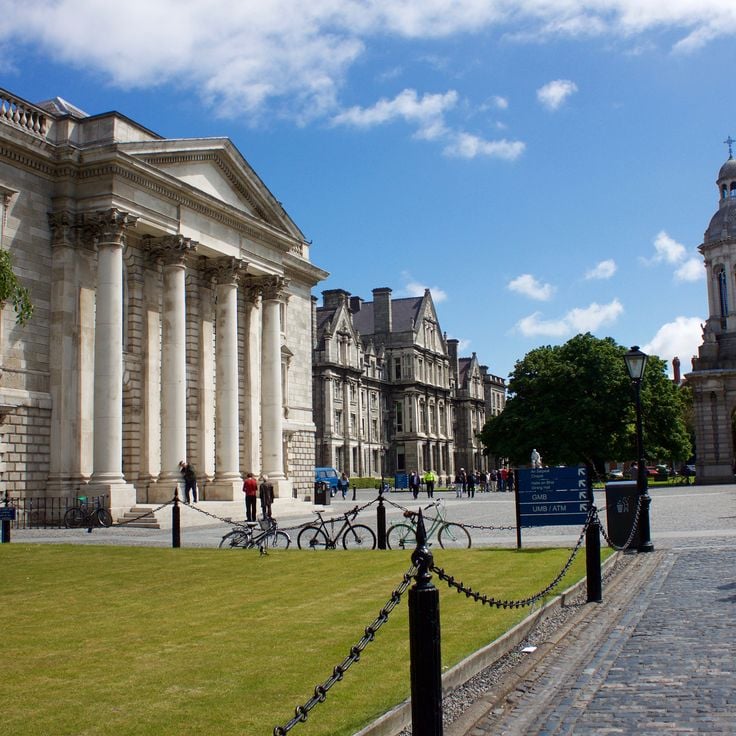
This college was founded in 1592 and ranks among Dublin's principal historical sites. The Old Library preserves the Book of Kells, an illuminated manuscript from the ninth century, and over 6 million printed volumes. Visitors can walk through cobblestone courtyards and Georgian buildings that form the academic heart of the city.
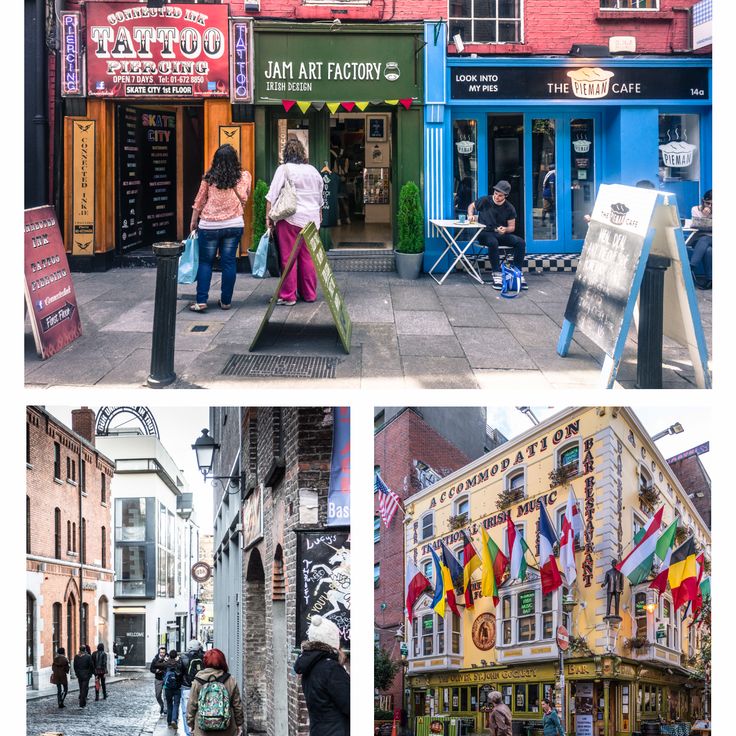
This cultural district sits in Dublin's historical center and combines sightseeing with the city's lively atmosphere. Temple Bar features numerous restaurants, traditional pubs, art galleries and street performers who appear daily. The area spans several cobblestone streets between Dame Street and the River Liffey.
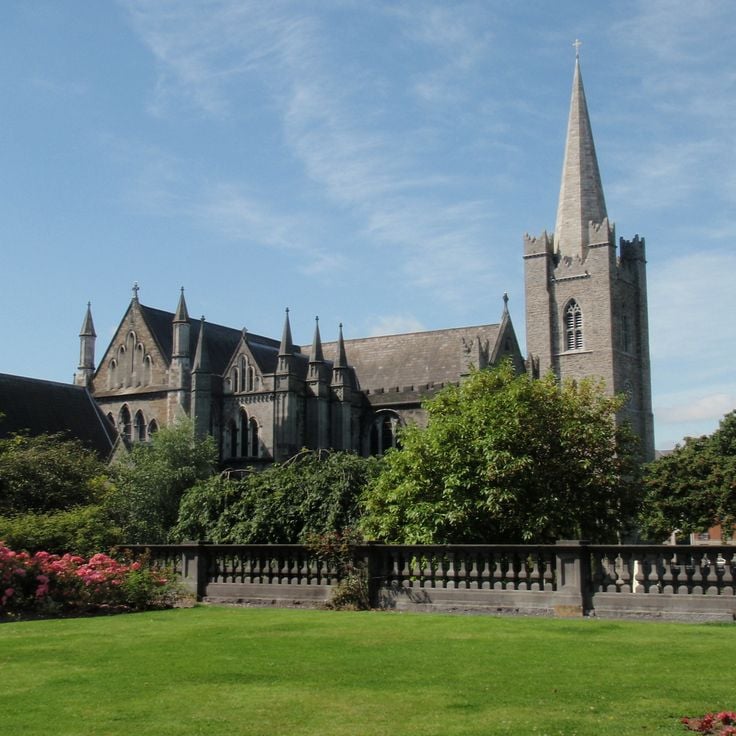
St. Patrick's Cathedral ranks as Ireland's largest cathedral and stands among Dublin's most important historical structures. Built during the 13th century, this church displays medieval architecture with a spire reaching 141 feet (43 meters). Visitors find burial sites, monuments and connections to the city's literary history, including the grave of Jonathan Swift.
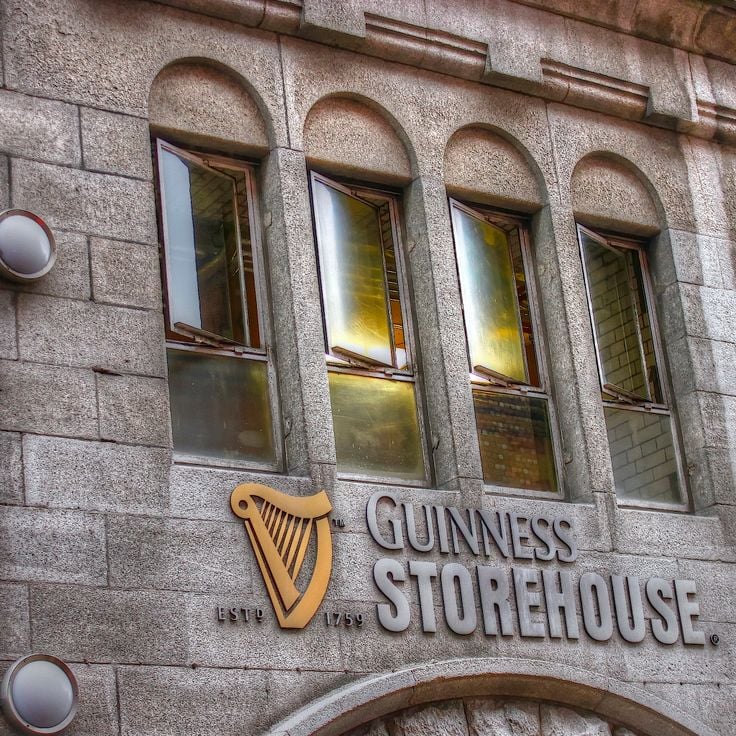
The Guinness Storehouse presents the brewing history of this facility operating since 1759. Seven floors display the production process, advertising archives and brand development. The visitor center includes tasting sessions and a rooftop bar with views across Dublin.
Phoenix Park sits on the western edge of Dublin and is one of the largest city parks in Europe. Walking through Phoenix Park, you will find open grasslands, old trees, and deer roaming freely. The park has been a gathering place for Dubliners for centuries. It also contains the official residence of the Irish president and the US ambassador. On weekends, families, joggers, and cyclists fill the paths. The open space feels far removed from the city center, even though it is only a short ride away.
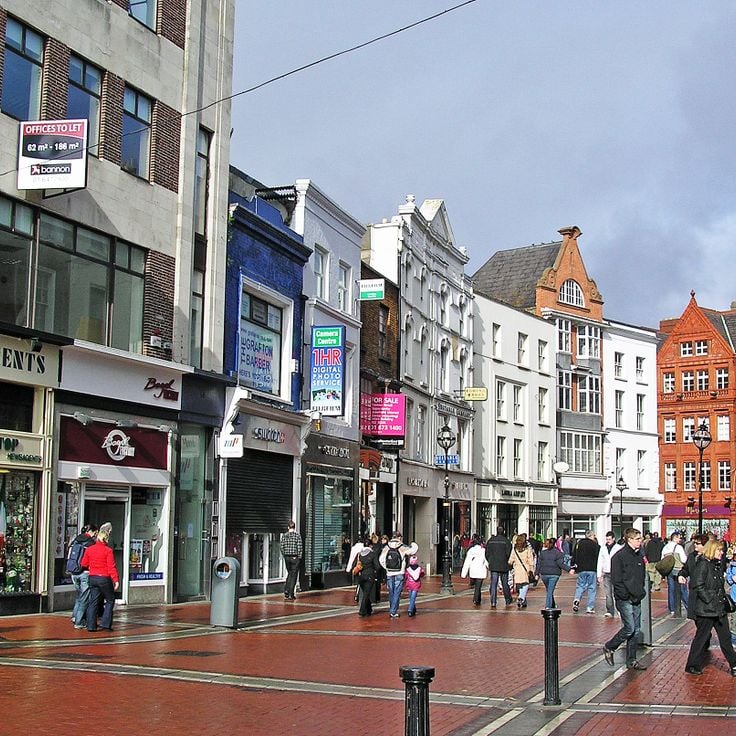
This pedestrian thoroughfare connects St. Stephen's Green to Trinity College and features shops, department stores and street performers. Grafton Street serves as Dublin's central shopping street with a mix of international brands and Irish retailers. Visitors find cafes and restaurants along the paved street.
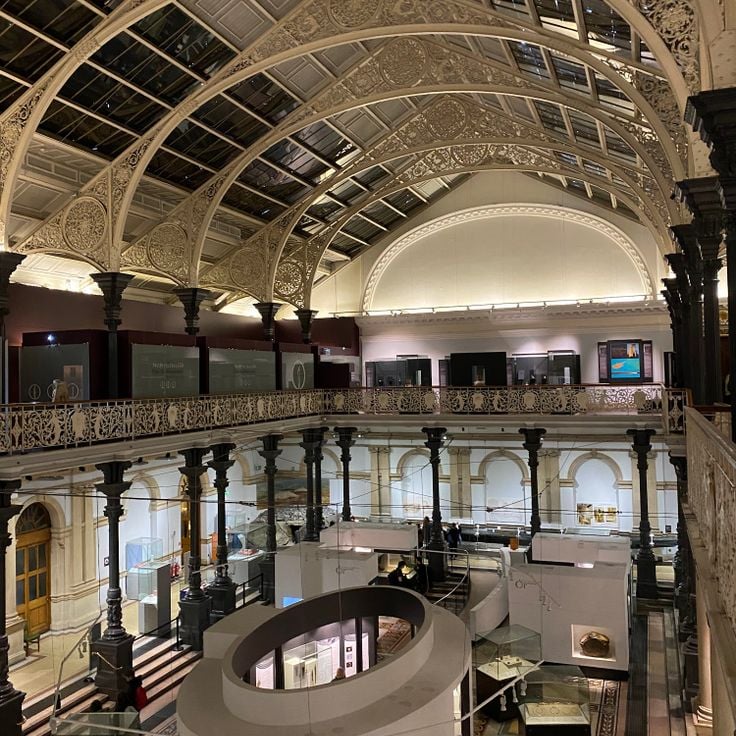
The National Museum of Ireland - Archaeology displays prehistoric goldwork, medieval church treasures and Irish artifacts spanning from the Stone Age through the Viking period. This museum complements Dublin's historical sites with archaeological finds documenting Ireland's early settlement and cultural development.
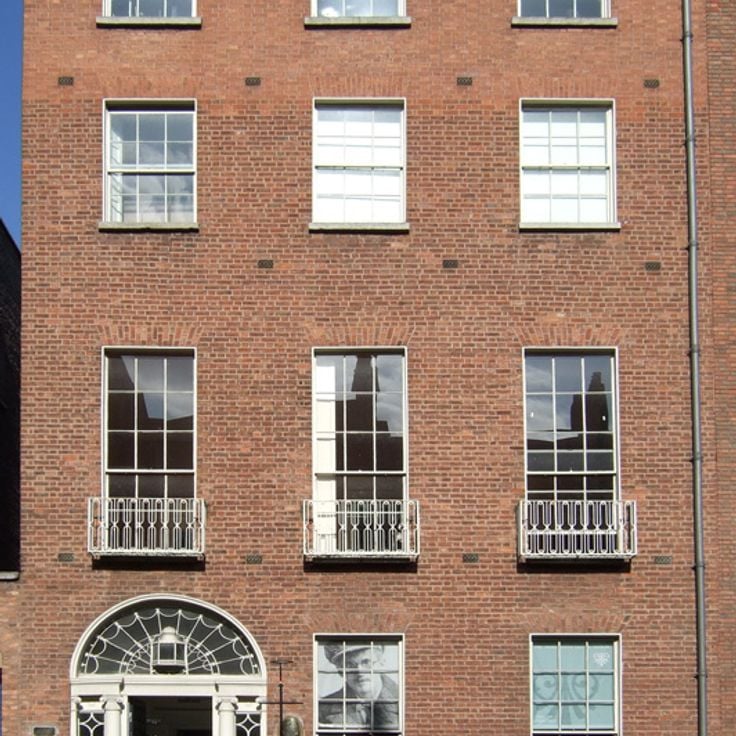
The James Joyce Centre presents manuscripts, letters and personal belongings of the Irish writer in an 18th century Georgian townhouse. Visitors can examine artifacts that document Joyce's life and literary output, including editions of his novels set in early 20th century Dublin. This cultural venue occupies a restored building north of the Liffey and forms part of the literary trail through the city.
This zoo ranks among Europe's oldest and displays more than 400 animal species in naturalistic enclosures across its 69-acre (28-hectare) grounds. Operating since 1831, the facility contributes to conservation and research while offering visitors access to wildlife from various continents during this exploration of Dublin's attractions.
This cast iron pedestrian bridge from 1816 connects Temple Bar to the Northside across the River Liffey and forms part of Dublin's historical infrastructure, used by visitors moving between shopping districts, cultural venues and traditional pubs.
This reconstructed 19th-century sailing vessel documents Irish emigration during the Great Famine. The Jeanie Johnston complements Dublin's historical sites with exhibitions about migration and maritime history. Visitors explore the ship's deck and passenger quarters while learning about the transatlantic crossings that carried thousands to North America between 1847 and 1855.
This museum documents Dublin's social history through a collection of objects and photographs from the twentieth century, offering a direct look at urban life during this period. The exhibition captures the city's evolution through personal items, historical documents, and visual archives that show the daily lives and significant events of Dublin's population. The compact presentation gives visitors an understanding of the social changes that shaped Dublin into a modern capital.
This botanical garden spans 19.5 hectares (48 acres) and houses more than 15,000 plant species in Victorian glasshouses. The National Botanic Gardens offer scientific collections and maintained outdoor grounds between the historical and modern attractions of Dublin, serving both research and recreation purposes.
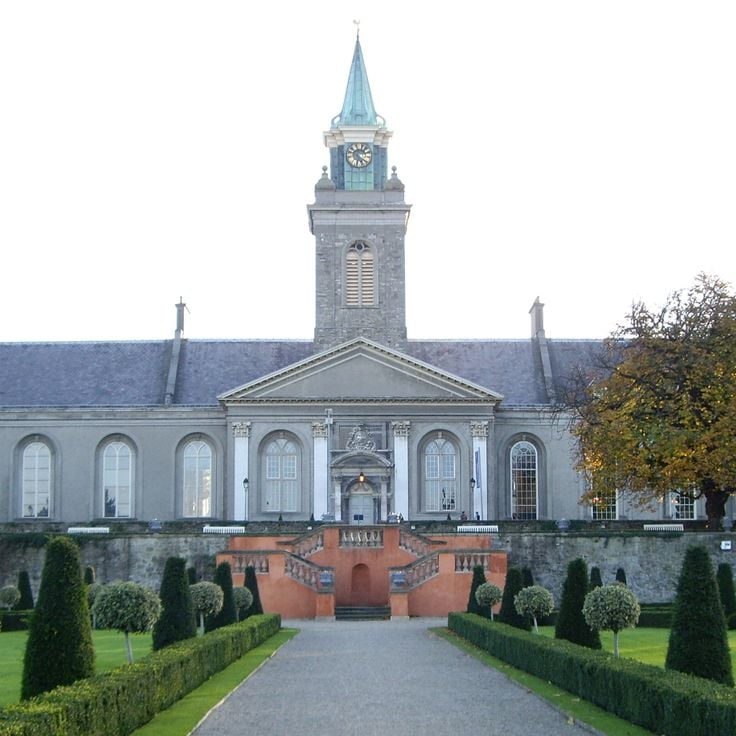
This museum occupies the restored Royal Hospital Kilmainham and presents Irish and international contemporary art. The collection includes works by local and foreign artists from the 20th century to today. The 17th-century building provides exhibition spaces, rotating displays and visitor programs. The courtyard and gardens complement the architectural features of the complex.
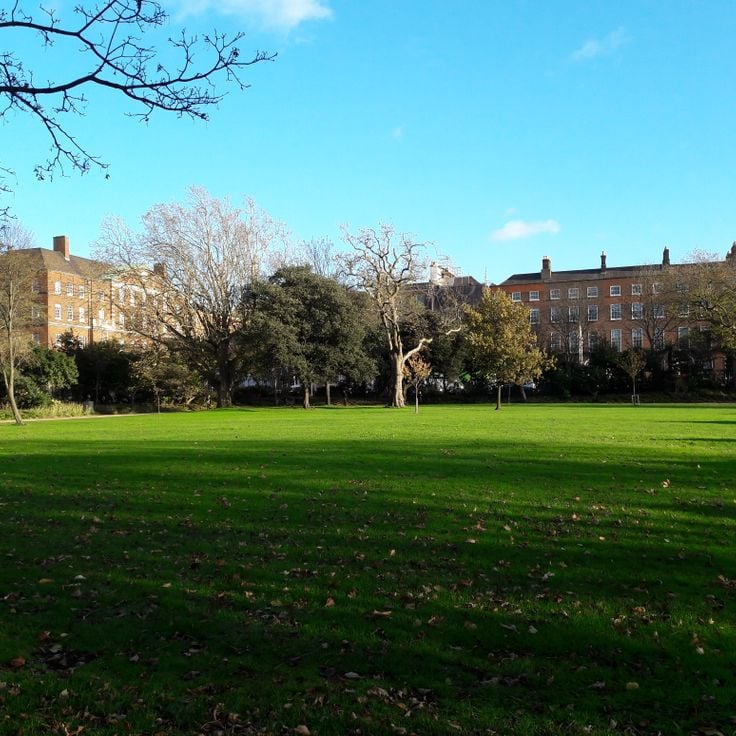
This 18th-century park sits in Dublin's Georgian quarter and displays several statues and monuments amid maintained lawns. The surrounding period buildings and a nearby art museum complement the historical setting, which contributes to the connection between architecture and urban green space in the Irish capital.
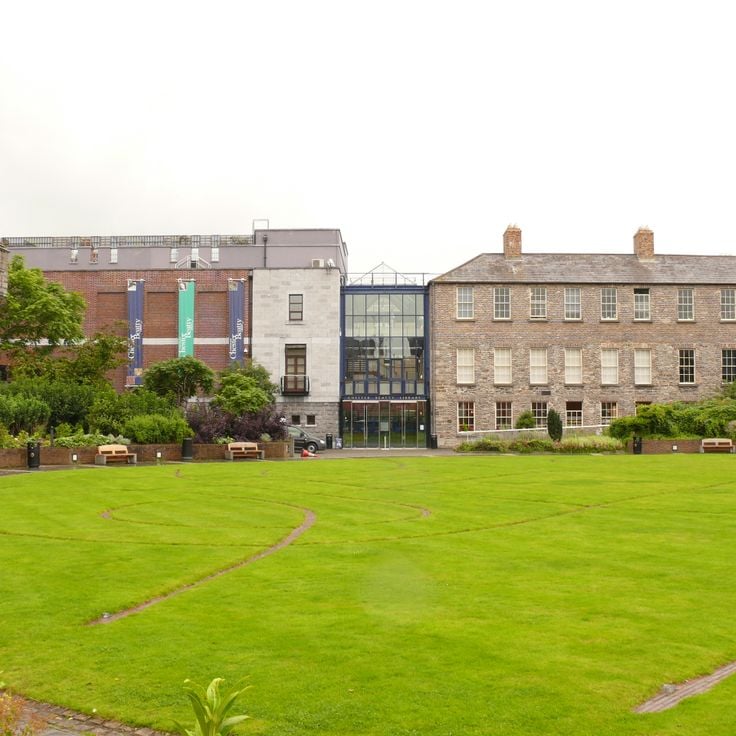
This library in Dublin displays a substantial collection of historical manuscripts, rare books and Asian art spanning several centuries. The Chester Beatty Library holds illuminated Qurans, early Christian texts, Persian miniatures and East Asian artworks. The exhibition spaces present religious and secular manuscripts from the Middle East, Europe and Asia, including Egyptian papyri and Japanese prints. The collection contains more than six thousand Islamic manuscripts and three hundred Coptic and Ethiopian texts.
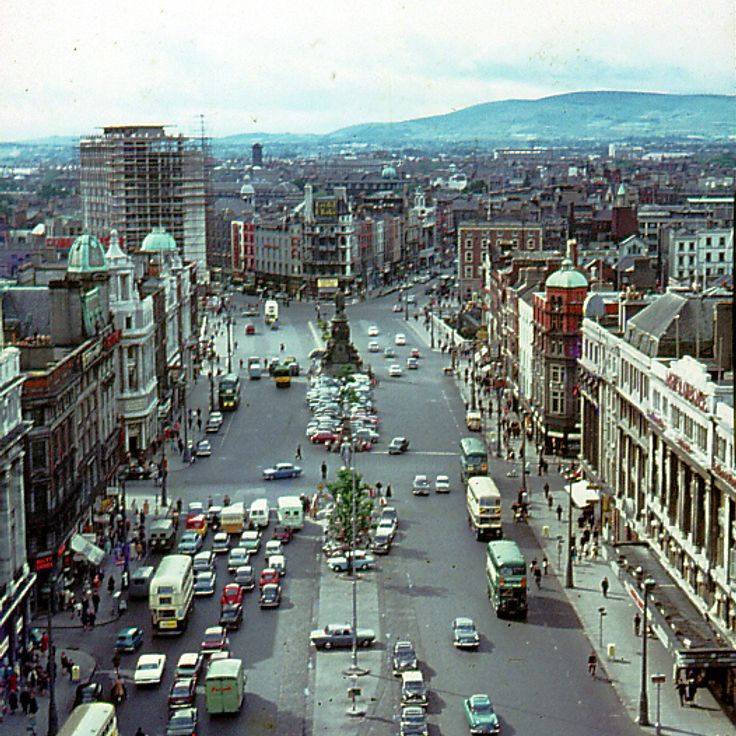
O'Connell Street serves as Dublin's main commercial thoroughfare, connecting the city's historical sites with modern retail and dining establishments. This wide avenue is dominated by the 120-meter (394-foot) stainless steel Spire, erected in 2003. Visitors find access to public transport, shops, and restaurants that make the street a practical starting point for exploration.
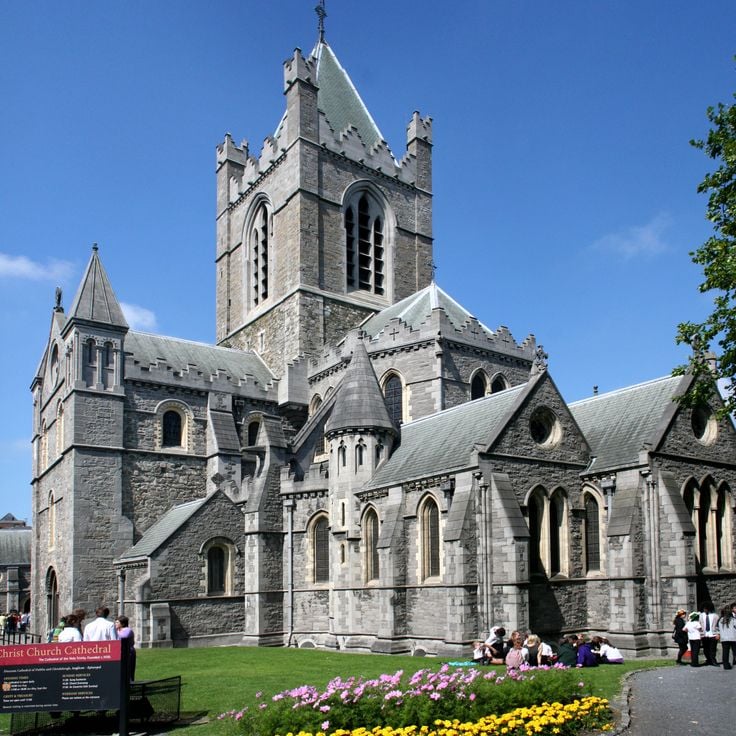
This Anglican cathedral from the 11th century stands in the medieval core of the Irish capital and ranks among the oldest churches in the country. Christ Church Cathedral displays Gothic architecture with a Romanesque crypt housing tombstones and ecclesiastical artifacts from several centuries. The cathedral connects Dublin's religious heritage with the city's history and complements the route through the historic quarters between castle and brewery.
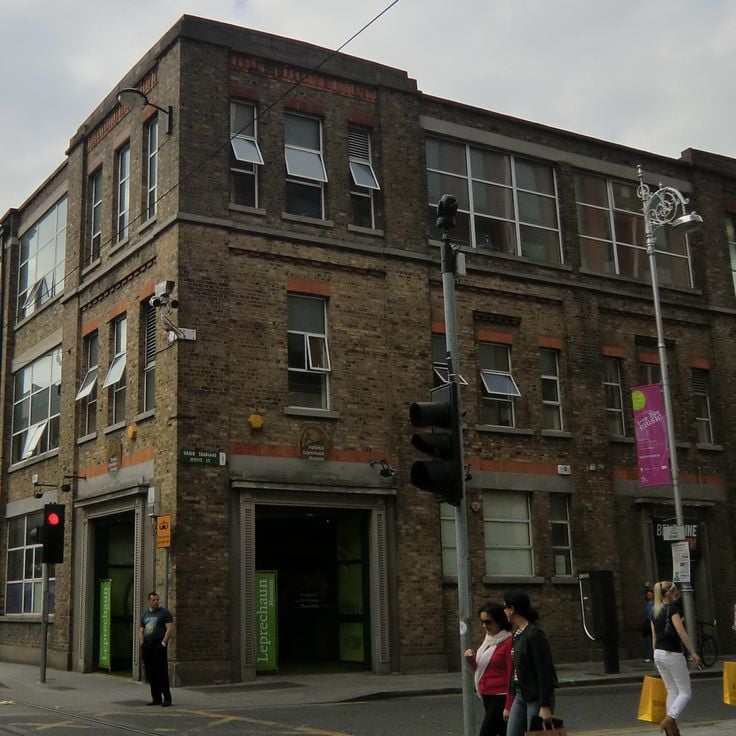
This museum presents traditional Irish stories and myths through interactive exhibitions and professional storytellers. The institution focuses on folklore and offers visitors insight into Ireland's narrative cultural traditions. The National Leprechaun Museum complements Dublin's historical attractions through its concentration on oral storytelling and the island's narrative heritage.
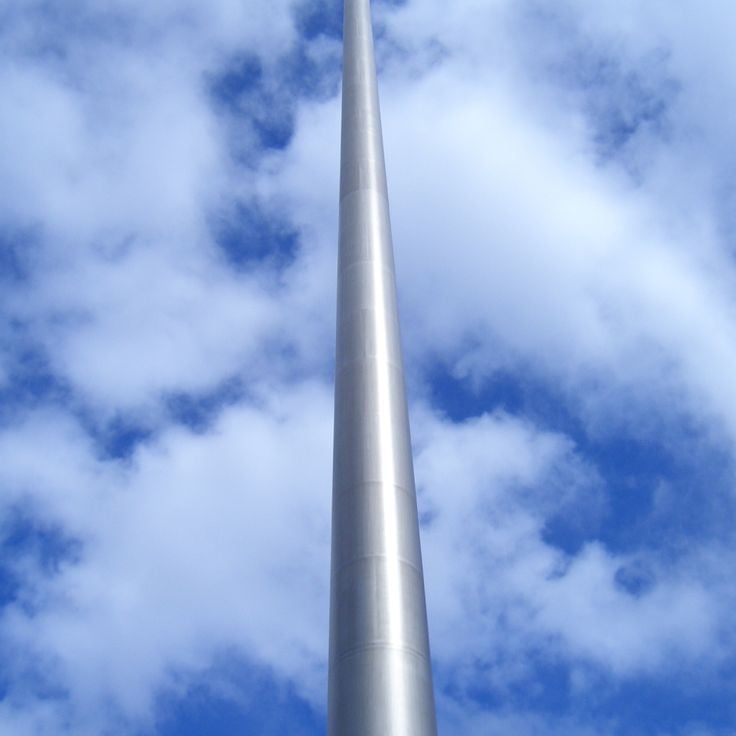
This 393-foot (120-meter) steel needle rises from the center of O'Connell Street and ranks among Dublin's most recognizable landmarks. Erected in 2003, the sculpture reflects daylight across its polished surface and provides a modern contrast to the city's historical structures. The monument replaced the Nelson Pillar, destroyed in 1966, and today marks the northern section of the main shopping district.
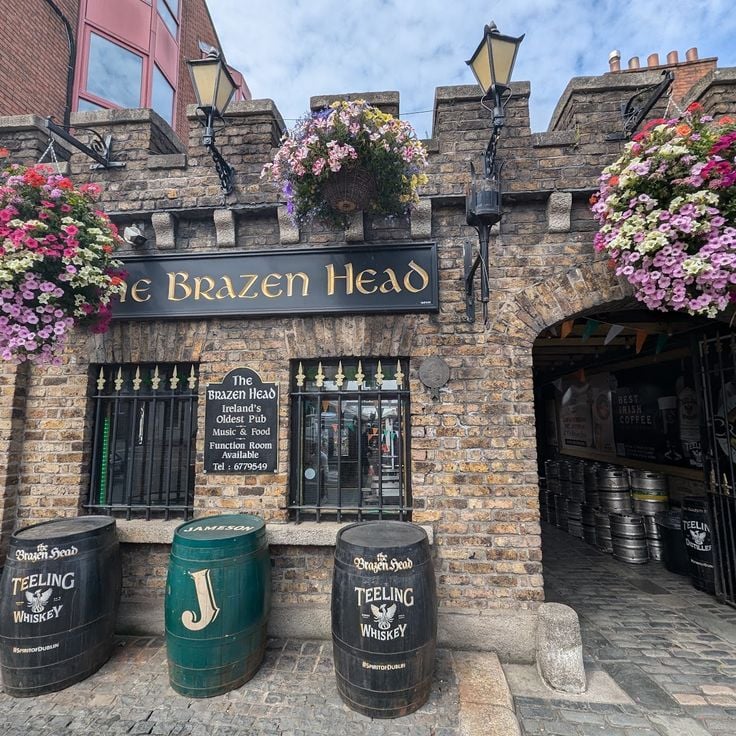
The Brazen Head is Dublin's oldest tavern and stands among the city's historic structures that connect medieval heritage with modern pub culture. This establishment serves traditional Irish dishes and hosts live music sessions in a building dating to 1198, offering visitors an example of the enduring social venues that characterize Dublin.
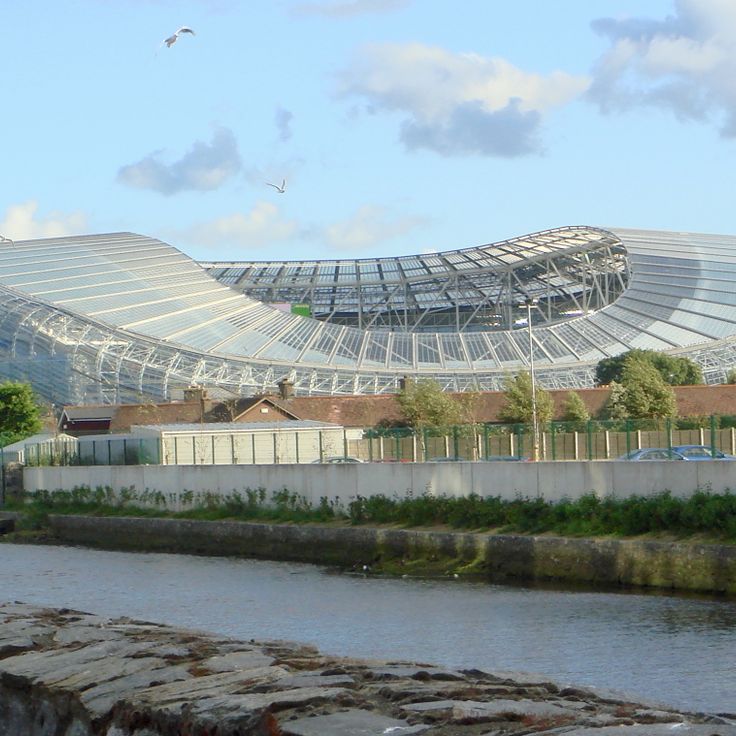
The Aviva Stadium provides seating for 51,700 spectators and has served as home to the Irish national rugby and football teams since 2010. This stadium connects Dublin's sporting tradition with contemporary architecture, contributing to the city's cultural range that spans from medieval castles to modern facilities.
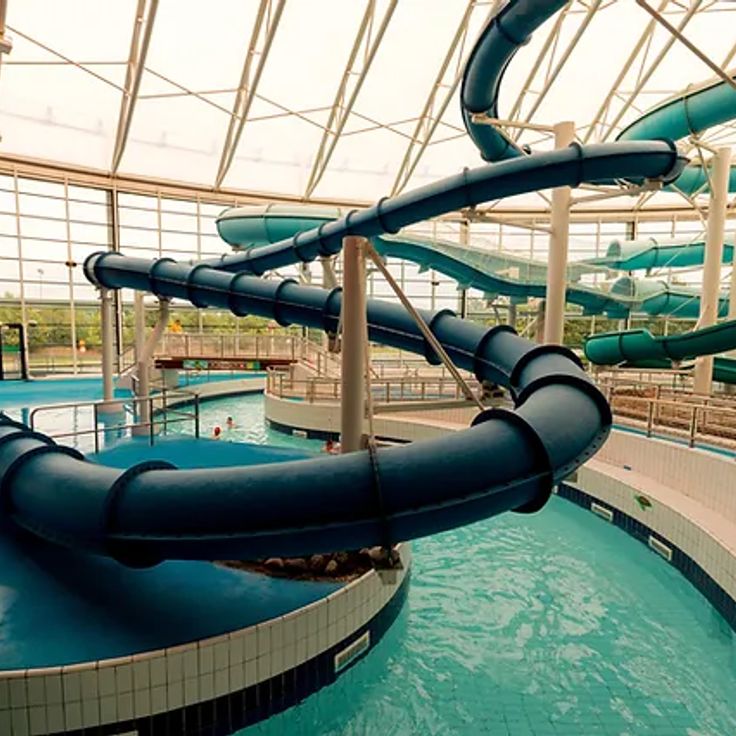
This sports center in Dublin features swimming pools, water slides and a wellness area for families. Water Park Sport Centre offers swimming lessons and aqua fitness classes, adding to the city's recreational options alongside its historic sites and cultural attractions.
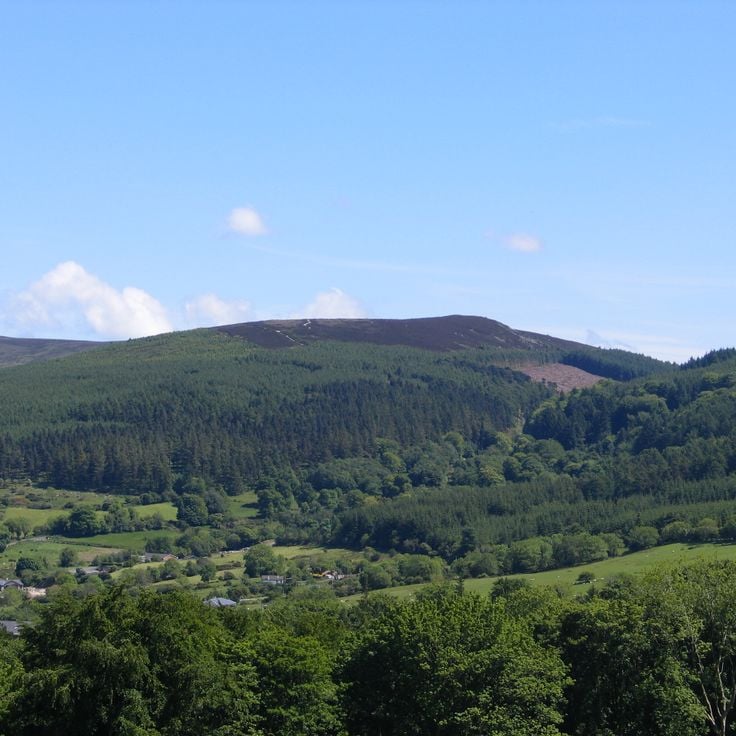
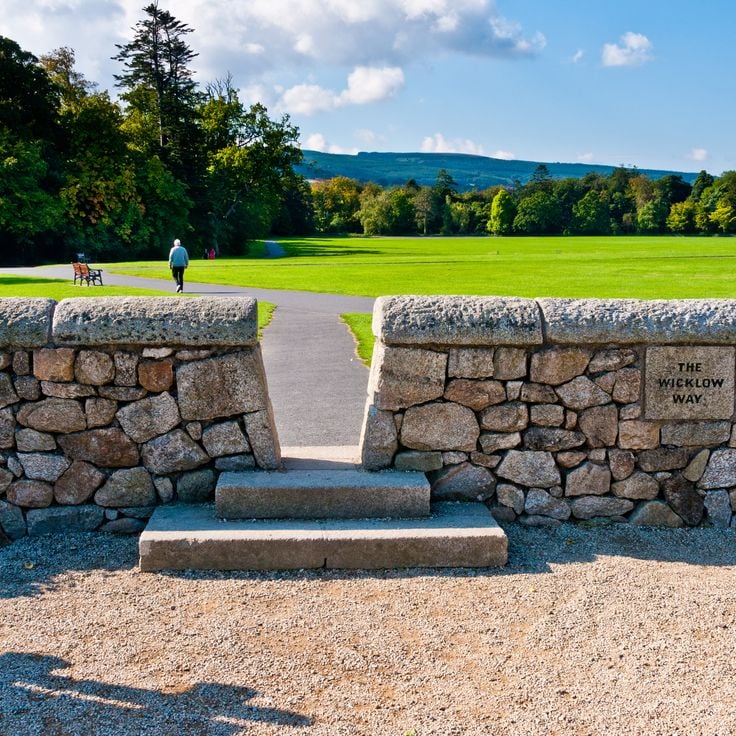
This mountain range south of Dublin features marked hiking trails through heathland and reaches elevations of 1,640 feet (500 meters) above sea level. The Dublin Hills complement the city's urban attractions by providing access to natural terrain within reach of the city center and offering views across the coastal region and surrounding counties for visitors who want to combine outdoor activity with exploration of the Irish capital.
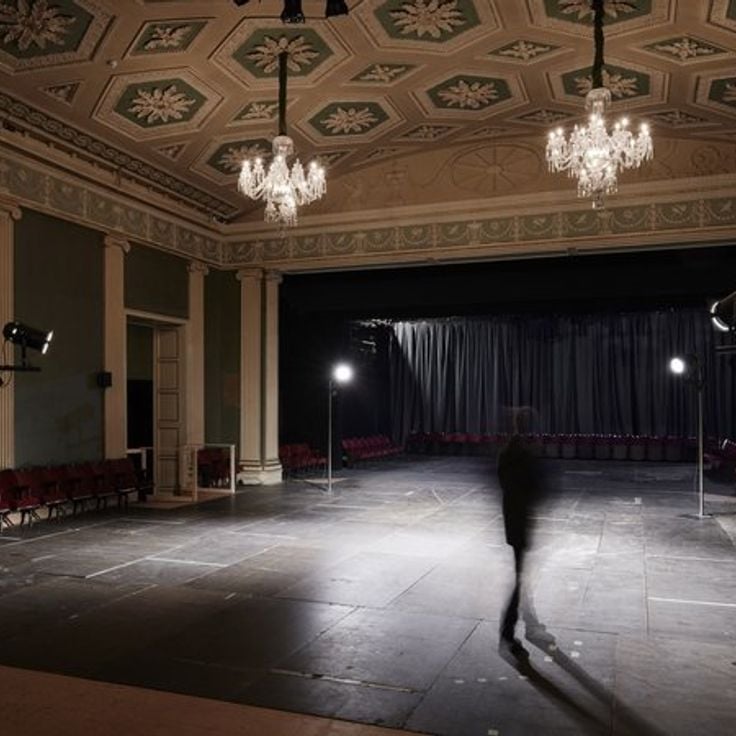
The Gate Theatre is one of Dublin's most respected theaters. Founded in 1928, it sits on Parnell Square in the north of the city. The building dates to the 18th century and was originally a public assembly hall. Over the years, the Gate Theatre has welcomed actors who went on to become famous worldwide, including Orson Welles and James Mason, both of whom performed here early in their careers. Today, the theater stages a mix of classic and contemporary plays, drawing audiences from across Ireland and beyond.
This public park spans 300 acres (121 hectares) and ranks among the significant green spaces in Dublin. Marlay Gardens features a craft market, several sports facilities, ponds and a vegetable garden. The park provides visitors with opportunities for walking, sports and relaxation in a natural setting within the Irish capital.
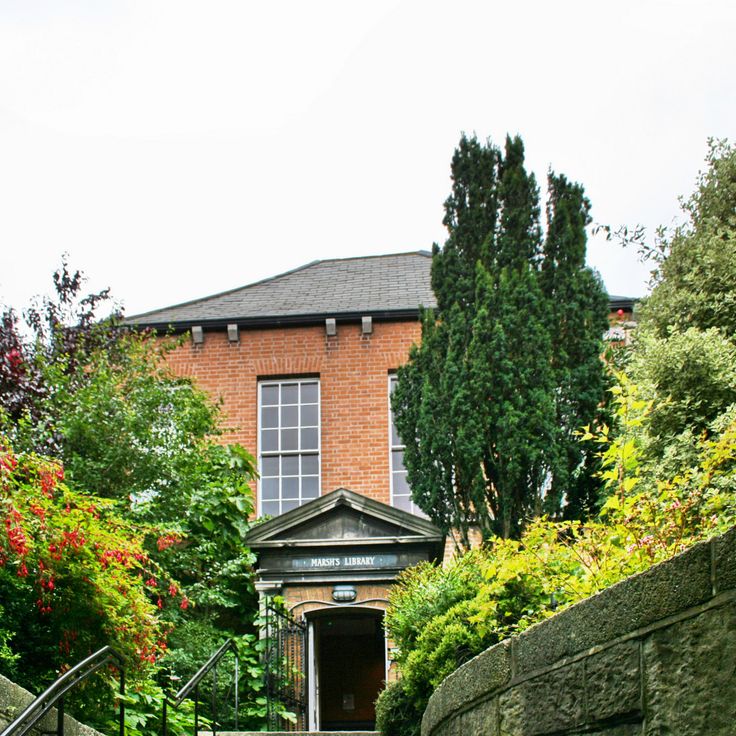
This historic library from 1707 holds 25,000 books and manuscripts in original oak shelving with wire cages. Marsh's Library ranks among Ireland's oldest public libraries and complements Dublin's historic attractions with a window into 18th-century scholarship.
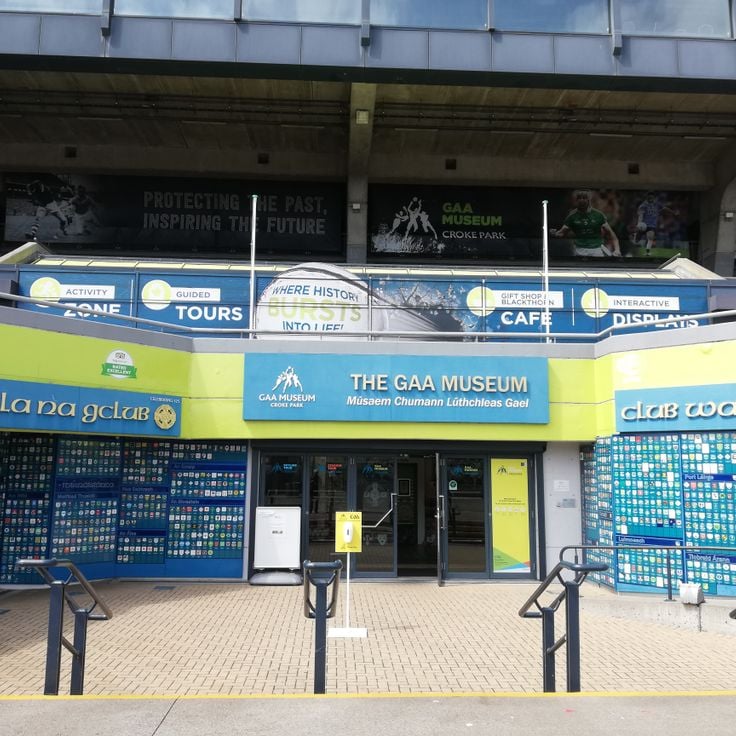
The Gaelic Athletic Association museum in Dublin is dedicated to traditional Irish sports such as Gaelic football and hurling. The displays show how these sports have shaped life across Ireland since the 19th century. A visit here gives a clear sense of how central these games are to everyday Irish life, past and present.
This 14th-century fortified tower houses a museum that documents the history of the coastal town south of Dublin. The exhibitions trace development from Viking settlement through modern times and include archaeological finds from the region. The center organizes guided tours with costumed actors who recreate scenes from medieval Irish life.
This 13th-century fortress served as the headquarters of British administration in Ireland and documents a central part of Dublin's history. The castle now hosts state receptions and displays the evolution from a medieval defensive structure to a ceremonial government building. Visitors can tour the State Apartments and explore the Chapel Royal, gaining insight into centuries of political power.
This prison from 1796 served as a detention facility for numerous Irish revolutionaries during the independence struggles. Kilmainham Gaol now functions as a museum presenting the history of the Irish independence movement and documenting prisoner conditions along with significant historical events. The facility complements Dublin's historical attractions through its role in Ireland's national history.
This college was founded in 1592 and ranks among Dublin's principal historical sites. The Old Library preserves the Book of Kells, an illuminated manuscript from the ninth century, and over 6 million printed volumes. Visitors can walk through cobblestone courtyards and Georgian buildings that form the academic heart of the city.
This cultural district sits in Dublin's historical center and combines sightseeing with the city's lively atmosphere. Temple Bar features numerous restaurants, traditional pubs, art galleries and street performers who appear daily. The area spans several cobblestone streets between Dame Street and the River Liffey.
St. Patrick's Cathedral ranks as Ireland's largest cathedral and stands among Dublin's most important historical structures. Built during the 13th century, this church displays medieval architecture with a spire reaching 141 feet (43 meters). Visitors find burial sites, monuments and connections to the city's literary history, including the grave of Jonathan Swift.
The Guinness Storehouse presents the brewing history of this facility operating since 1759. Seven floors display the production process, advertising archives and brand development. The visitor center includes tasting sessions and a rooftop bar with views across Dublin.
Phoenix Park sits on the western edge of Dublin and is one of the largest city parks in Europe. Walking through Phoenix Park, you will find open grasslands, old trees, and deer roaming freely. The park has been a gathering place for Dubliners for centuries. It also contains the official residence of the Irish president and the US ambassador. On weekends, families, joggers, and cyclists fill the paths. The open space feels far removed from the city center, even though it is only a short ride away.
This pedestrian thoroughfare connects St. Stephen's Green to Trinity College and features shops, department stores and street performers. Grafton Street serves as Dublin's central shopping street with a mix of international brands and Irish retailers. Visitors find cafes and restaurants along the paved street.
The National Museum of Ireland - Archaeology displays prehistoric goldwork, medieval church treasures and Irish artifacts spanning from the Stone Age through the Viking period. This museum complements Dublin's historical sites with archaeological finds documenting Ireland's early settlement and cultural development.
The James Joyce Centre presents manuscripts, letters and personal belongings of the Irish writer in an 18th century Georgian townhouse. Visitors can examine artifacts that document Joyce's life and literary output, including editions of his novels set in early 20th century Dublin. This cultural venue occupies a restored building north of the Liffey and forms part of the literary trail through the city.
This zoo ranks among Europe's oldest and displays more than 400 animal species in naturalistic enclosures across its 69-acre (28-hectare) grounds. Operating since 1831, the facility contributes to conservation and research while offering visitors access to wildlife from various continents during this exploration of Dublin's attractions.
This cast iron pedestrian bridge from 1816 connects Temple Bar to the Northside across the River Liffey and forms part of Dublin's historical infrastructure, used by visitors moving between shopping districts, cultural venues and traditional pubs.
This reconstructed 19th-century sailing vessel documents Irish emigration during the Great Famine. The Jeanie Johnston complements Dublin's historical sites with exhibitions about migration and maritime history. Visitors explore the ship's deck and passenger quarters while learning about the transatlantic crossings that carried thousands to North America between 1847 and 1855.
This museum documents Dublin's social history through a collection of objects and photographs from the twentieth century, offering a direct look at urban life during this period. The exhibition captures the city's evolution through personal items, historical documents, and visual archives that show the daily lives and significant events of Dublin's population. The compact presentation gives visitors an understanding of the social changes that shaped Dublin into a modern capital.
This botanical garden spans 19.5 hectares (48 acres) and houses more than 15,000 plant species in Victorian glasshouses. The National Botanic Gardens offer scientific collections and maintained outdoor grounds between the historical and modern attractions of Dublin, serving both research and recreation purposes.
This museum occupies the restored Royal Hospital Kilmainham and presents Irish and international contemporary art. The collection includes works by local and foreign artists from the 20th century to today. The 17th-century building provides exhibition spaces, rotating displays and visitor programs. The courtyard and gardens complement the architectural features of the complex.
This 18th-century park sits in Dublin's Georgian quarter and displays several statues and monuments amid maintained lawns. The surrounding period buildings and a nearby art museum complement the historical setting, which contributes to the connection between architecture and urban green space in the Irish capital.
This library in Dublin displays a substantial collection of historical manuscripts, rare books and Asian art spanning several centuries. The Chester Beatty Library holds illuminated Qurans, early Christian texts, Persian miniatures and East Asian artworks. The exhibition spaces present religious and secular manuscripts from the Middle East, Europe and Asia, including Egyptian papyri and Japanese prints. The collection contains more than six thousand Islamic manuscripts and three hundred Coptic and Ethiopian texts.
O'Connell Street serves as Dublin's main commercial thoroughfare, connecting the city's historical sites with modern retail and dining establishments. This wide avenue is dominated by the 120-meter (394-foot) stainless steel Spire, erected in 2003. Visitors find access to public transport, shops, and restaurants that make the street a practical starting point for exploration.
This Anglican cathedral from the 11th century stands in the medieval core of the Irish capital and ranks among the oldest churches in the country. Christ Church Cathedral displays Gothic architecture with a Romanesque crypt housing tombstones and ecclesiastical artifacts from several centuries. The cathedral connects Dublin's religious heritage with the city's history and complements the route through the historic quarters between castle and brewery.
This museum presents traditional Irish stories and myths through interactive exhibitions and professional storytellers. The institution focuses on folklore and offers visitors insight into Ireland's narrative cultural traditions. The National Leprechaun Museum complements Dublin's historical attractions through its concentration on oral storytelling and the island's narrative heritage.
This 393-foot (120-meter) steel needle rises from the center of O'Connell Street and ranks among Dublin's most recognizable landmarks. Erected in 2003, the sculpture reflects daylight across its polished surface and provides a modern contrast to the city's historical structures. The monument replaced the Nelson Pillar, destroyed in 1966, and today marks the northern section of the main shopping district.
The Brazen Head is Dublin's oldest tavern and stands among the city's historic structures that connect medieval heritage with modern pub culture. This establishment serves traditional Irish dishes and hosts live music sessions in a building dating to 1198, offering visitors an example of the enduring social venues that characterize Dublin.
The Aviva Stadium provides seating for 51,700 spectators and has served as home to the Irish national rugby and football teams since 2010. This stadium connects Dublin's sporting tradition with contemporary architecture, contributing to the city's cultural range that spans from medieval castles to modern facilities.
This sports center in Dublin features swimming pools, water slides and a wellness area for families. Water Park Sport Centre offers swimming lessons and aqua fitness classes, adding to the city's recreational options alongside its historic sites and cultural attractions.
This mountain range south of Dublin features marked hiking trails through heathland and reaches elevations of 1,640 feet (500 meters) above sea level. The Dublin Hills complement the city's urban attractions by providing access to natural terrain within reach of the city center and offering views across the coastal region and surrounding counties for visitors who want to combine outdoor activity with exploration of the Irish capital.
The Gate Theatre is one of Dublin's most respected theaters. Founded in 1928, it sits on Parnell Square in the north of the city. The building dates to the 18th century and was originally a public assembly hall. Over the years, the Gate Theatre has welcomed actors who went on to become famous worldwide, including Orson Welles and James Mason, both of whom performed here early in their careers. Today, the theater stages a mix of classic and contemporary plays, drawing audiences from across Ireland and beyond.
This public park spans 300 acres (121 hectares) and ranks among the significant green spaces in Dublin. Marlay Gardens features a craft market, several sports facilities, ponds and a vegetable garden. The park provides visitors with opportunities for walking, sports and relaxation in a natural setting within the Irish capital.
This historic library from 1707 holds 25,000 books and manuscripts in original oak shelving with wire cages. Marsh's Library ranks among Ireland's oldest public libraries and complements Dublin's historic attractions with a window into 18th-century scholarship.
The Gaelic Athletic Association museum in Dublin is dedicated to traditional Irish sports such as Gaelic football and hurling. The displays show how these sports have shaped life across Ireland since the 19th century. A visit here gives a clear sense of how central these games are to everyday Irish life, past and present.
This 14th-century fortified tower houses a museum that documents the history of the coastal town south of Dublin. The exhibitions trace development from Viking settlement through modern times and include archaeological finds from the region. The center organizes guided tours with costumed actors who recreate scenes from medieval Irish life.
This 13th-century fortress served as the headquarters of British administration in Ireland and documents a central part of Dublin's history. The castle now hosts state receptions and displays the evolution from a medieval defensive structure to a ceremonial government building. Visitors can tour the State Apartments and explore the Chapel Royal, gaining insight into centuries of political power.
This prison from 1796 served as a detention facility for numerous Irish revolutionaries during the independence struggles. Kilmainham Gaol now functions as a museum presenting the history of the Irish independence movement and documenting prisoner conditions along with significant historical events. The facility complements Dublin's historical attractions through its role in Ireland's national history.
This college was founded in 1592 and ranks among Dublin's principal historical sites. The Old Library preserves the Book of Kells, an illuminated manuscript from the ninth century, and over 6 million printed volumes. Visitors can walk through cobblestone courtyards and Georgian buildings that form the academic heart of the city.
This cultural district sits in Dublin's historical center and combines sightseeing with the city's lively atmosphere. Temple Bar features numerous restaurants, traditional pubs, art galleries and street performers who appear daily. The area spans several cobblestone streets between Dame Street and the River Liffey.
St. Patrick's Cathedral ranks as Ireland's largest cathedral and stands among Dublin's most important historical structures. Built during the 13th century, this church displays medieval architecture with a spire reaching 141 feet (43 meters). Visitors find burial sites, monuments and connections to the city's literary history, including the grave of Jonathan Swift.
The Guinness Storehouse presents the brewing history of this facility operating since 1759. Seven floors display the production process, advertising archives and brand development. The visitor center includes tasting sessions and a rooftop bar with views across Dublin.
Phoenix Park sits on the western edge of Dublin and is one of the largest city parks in Europe. Walking through Phoenix Park, you will find open grasslands, old trees, and deer roaming freely. The park has been a gathering place for Dubliners for centuries. It also contains the official residence of the Irish president and the US ambassador. On weekends, families, joggers, and cyclists fill the paths. The open space feels far removed from the city center, even though it is only a short ride away.
This pedestrian thoroughfare connects St. Stephen's Green to Trinity College and features shops, department stores and street performers. Grafton Street serves as Dublin's central shopping street with a mix of international brands and Irish retailers. Visitors find cafes and restaurants along the paved street.
The National Museum of Ireland - Archaeology displays prehistoric goldwork, medieval church treasures and Irish artifacts spanning from the Stone Age through the Viking period. This museum complements Dublin's historical sites with archaeological finds documenting Ireland's early settlement and cultural development.
The James Joyce Centre presents manuscripts, letters and personal belongings of the Irish writer in an 18th century Georgian townhouse. Visitors can examine artifacts that document Joyce's life and literary output, including editions of his novels set in early 20th century Dublin. This cultural venue occupies a restored building north of the Liffey and forms part of the literary trail through the city.
This zoo ranks among Europe's oldest and displays more than 400 animal species in naturalistic enclosures across its 69-acre (28-hectare) grounds. Operating since 1831, the facility contributes to conservation and research while offering visitors access to wildlife from various continents during this exploration of Dublin's attractions.
This cast iron pedestrian bridge from 1816 connects Temple Bar to the Northside across the River Liffey and forms part of Dublin's historical infrastructure, used by visitors moving between shopping districts, cultural venues and traditional pubs.
This reconstructed 19th-century sailing vessel documents Irish emigration during the Great Famine. The Jeanie Johnston complements Dublin's historical sites with exhibitions about migration and maritime history. Visitors explore the ship's deck and passenger quarters while learning about the transatlantic crossings that carried thousands to North America between 1847 and 1855.
This museum documents Dublin's social history through a collection of objects and photographs from the twentieth century, offering a direct look at urban life during this period. The exhibition captures the city's evolution through personal items, historical documents, and visual archives that show the daily lives and significant events of Dublin's population. The compact presentation gives visitors an understanding of the social changes that shaped Dublin into a modern capital.
This botanical garden spans 19.5 hectares (48 acres) and houses more than 15,000 plant species in Victorian glasshouses. The National Botanic Gardens offer scientific collections and maintained outdoor grounds between the historical and modern attractions of Dublin, serving both research and recreation purposes.
This museum occupies the restored Royal Hospital Kilmainham and presents Irish and international contemporary art. The collection includes works by local and foreign artists from the 20th century to today. The 17th-century building provides exhibition spaces, rotating displays and visitor programs. The courtyard and gardens complement the architectural features of the complex.
This 18th-century park sits in Dublin's Georgian quarter and displays several statues and monuments amid maintained lawns. The surrounding period buildings and a nearby art museum complement the historical setting, which contributes to the connection between architecture and urban green space in the Irish capital.
This library in Dublin displays a substantial collection of historical manuscripts, rare books and Asian art spanning several centuries. The Chester Beatty Library holds illuminated Qurans, early Christian texts, Persian miniatures and East Asian artworks. The exhibition spaces present religious and secular manuscripts from the Middle East, Europe and Asia, including Egyptian papyri and Japanese prints. The collection contains more than six thousand Islamic manuscripts and three hundred Coptic and Ethiopian texts.
O'Connell Street serves as Dublin's main commercial thoroughfare, connecting the city's historical sites with modern retail and dining establishments. This wide avenue is dominated by the 120-meter (394-foot) stainless steel Spire, erected in 2003. Visitors find access to public transport, shops, and restaurants that make the street a practical starting point for exploration.
This Anglican cathedral from the 11th century stands in the medieval core of the Irish capital and ranks among the oldest churches in the country. Christ Church Cathedral displays Gothic architecture with a Romanesque crypt housing tombstones and ecclesiastical artifacts from several centuries. The cathedral connects Dublin's religious heritage with the city's history and complements the route through the historic quarters between castle and brewery.
This museum presents traditional Irish stories and myths through interactive exhibitions and professional storytellers. The institution focuses on folklore and offers visitors insight into Ireland's narrative cultural traditions. The National Leprechaun Museum complements Dublin's historical attractions through its concentration on oral storytelling and the island's narrative heritage.
This 393-foot (120-meter) steel needle rises from the center of O'Connell Street and ranks among Dublin's most recognizable landmarks. Erected in 2003, the sculpture reflects daylight across its polished surface and provides a modern contrast to the city's historical structures. The monument replaced the Nelson Pillar, destroyed in 1966, and today marks the northern section of the main shopping district.
The Brazen Head is Dublin's oldest tavern and stands among the city's historic structures that connect medieval heritage with modern pub culture. This establishment serves traditional Irish dishes and hosts live music sessions in a building dating to 1198, offering visitors an example of the enduring social venues that characterize Dublin.
The Aviva Stadium provides seating for 51,700 spectators and has served as home to the Irish national rugby and football teams since 2010. This stadium connects Dublin's sporting tradition with contemporary architecture, contributing to the city's cultural range that spans from medieval castles to modern facilities.
This sports center in Dublin features swimming pools, water slides and a wellness area for families. Water Park Sport Centre offers swimming lessons and aqua fitness classes, adding to the city's recreational options alongside its historic sites and cultural attractions.
This mountain range south of Dublin features marked hiking trails through heathland and reaches elevations of 1,640 feet (500 meters) above sea level. The Dublin Hills complement the city's urban attractions by providing access to natural terrain within reach of the city center and offering views across the coastal region and surrounding counties for visitors who want to combine outdoor activity with exploration of the Irish capital.
The Gate Theatre is one of Dublin's most respected theaters. Founded in 1928, it sits on Parnell Square in the north of the city. The building dates to the 18th century and was originally a public assembly hall. Over the years, the Gate Theatre has welcomed actors who went on to become famous worldwide, including Orson Welles and James Mason, both of whom performed here early in their careers. Today, the theater stages a mix of classic and contemporary plays, drawing audiences from across Ireland and beyond.
This public park spans 300 acres (121 hectares) and ranks among the significant green spaces in Dublin. Marlay Gardens features a craft market, several sports facilities, ponds and a vegetable garden. The park provides visitors with opportunities for walking, sports and relaxation in a natural setting within the Irish capital.
This historic library from 1707 holds 25,000 books and manuscripts in original oak shelving with wire cages. Marsh's Library ranks among Ireland's oldest public libraries and complements Dublin's historic attractions with a window into 18th-century scholarship.
The Gaelic Athletic Association museum in Dublin is dedicated to traditional Irish sports such as Gaelic football and hurling. The displays show how these sports have shaped life across Ireland since the 19th century. A visit here gives a clear sense of how central these games are to everyday Irish life, past and present.
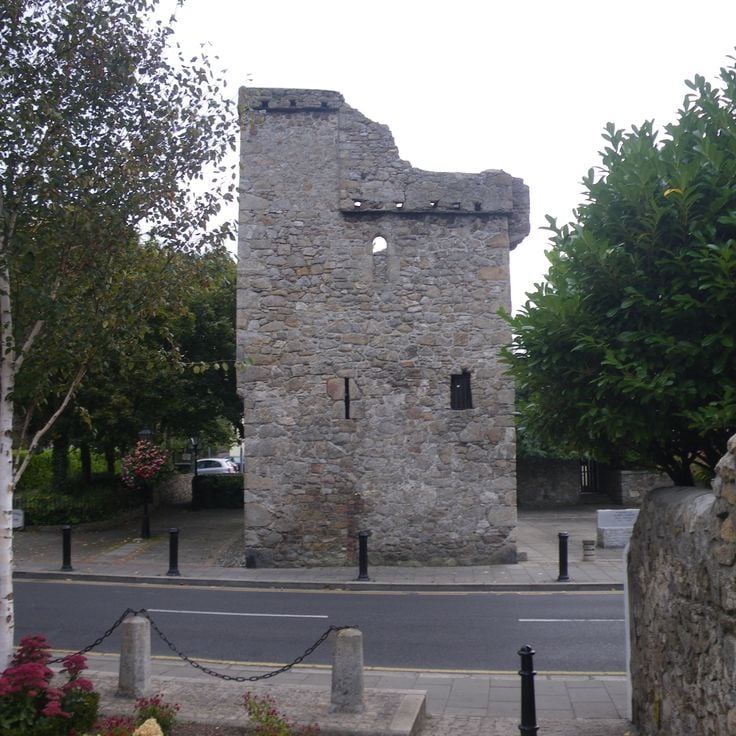
This 14th-century fortified tower houses a museum that documents the history of the coastal town south of Dublin. The exhibitions trace development from Viking settlement through modern times and include archaeological finds from the region. The center organizes guided tours with costumed actors who recreate scenes from medieval Irish life.