Marlay Park, Public park in Rathfarnham, Ireland.
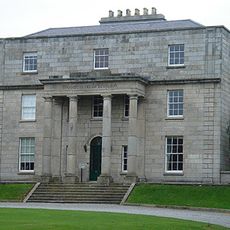
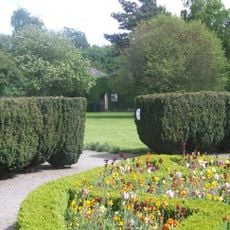
Marlay Park is a park in south Dublin that spreads across wooded hillsides, several ponds and open lawns. The grounds include a courtyard lined with craft workshops, formal gardens surrounding a period manor house, and sports facilities that occupy the western half of the park.
The demesne dates to the early 18th century, when Thomas Taylor built a house called The Grange. David La Touche, first governor of the Bank of Ireland, bought it in 1764 and renamed it for his wife Elizabeth Marlay, daughter of George Marlay, Bishop of Dromore. Dublin County Council bought the estate in 1972 for £500,000, and Taoiseach Liam Cosgrave opened the park on 29 June 1975.
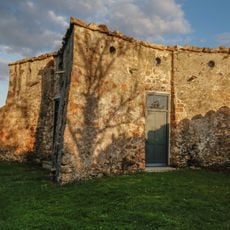
David La Touche renamed the estate for his wife Elizabeth Marlay, daughter of George Marlay, Bishop of Dromore. The 18th-century stable yard beside Marlay House now holds small workshops for weaving, glass cutting, bookbinding, furniture restoration, copper craft, pottery, jewellery and embroidery. One workshop was the home of stained-glass artist Evie Hone, whose studio was in the house library. The park's name is often misspelt "Marley", as on some nearby roads and signs.
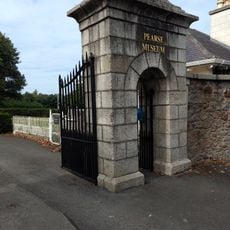
The park is accessible through several entrances, including the main gate on Grange Road and smaller entry points from surrounding residential streets. Most paths are suitable for pushchairs and wheelchairs, although some woodland trails can become muddy after rain.
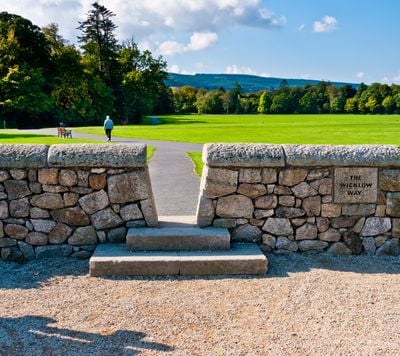
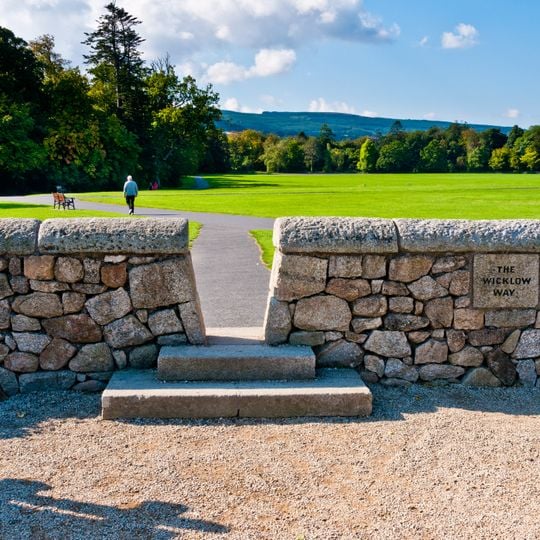
Marlay Park is the official start of the 132 km Wicklow Way, marked by a stone plaque reading "THE WICKLOW WAY" set into a low stone wall with two flat steps. The trail crosses the park before tunnelling under the M50 motorway and climbing south towards Clonegal, County Carlow.
The community of curious travelers
AroundUs brings together thousands of curated places, local tips, and hidden gems, enriched daily by 92,634 contributors worldwide.