Dublin, Capital city in Republic of Ireland
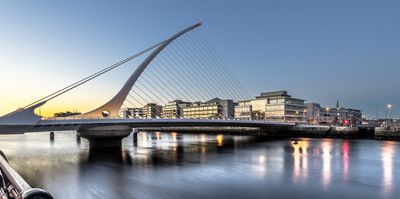
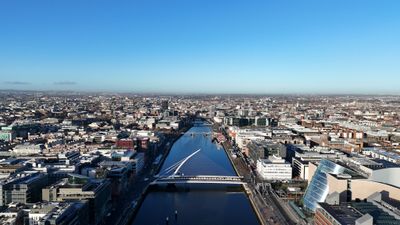
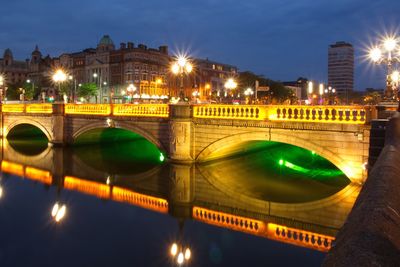
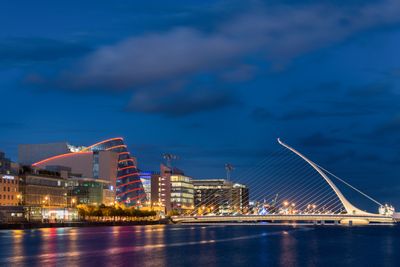
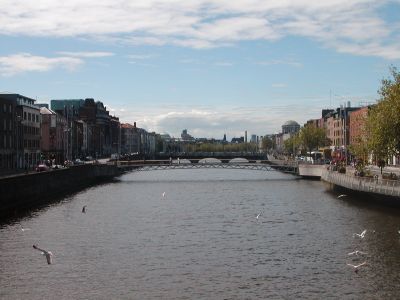
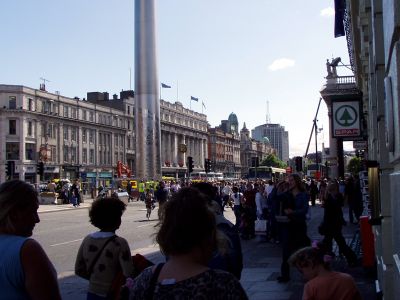
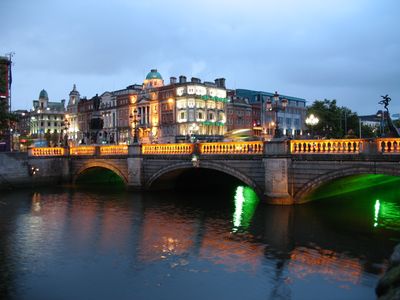
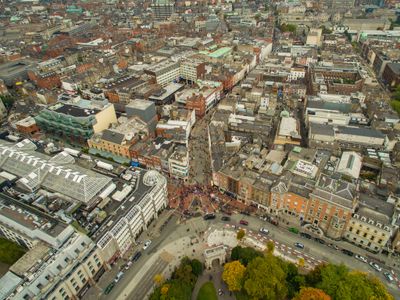
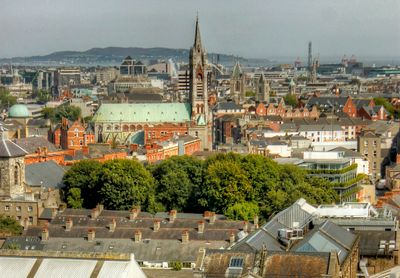
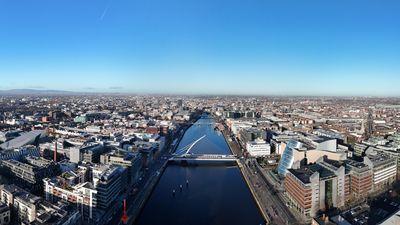
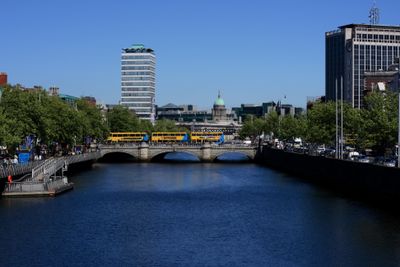
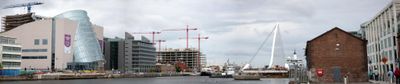
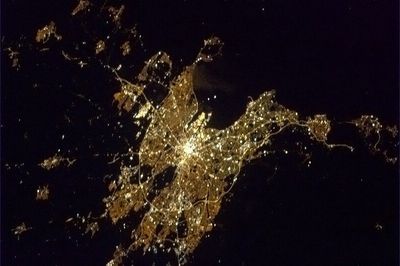
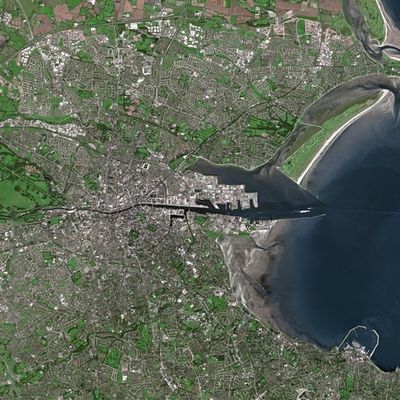
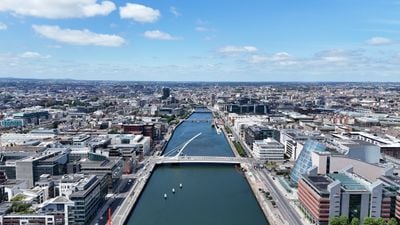
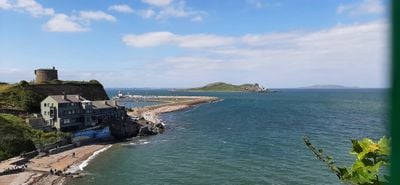
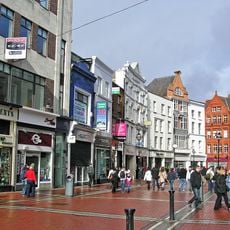
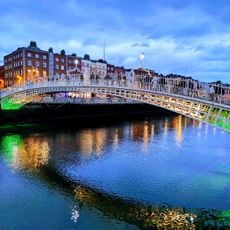
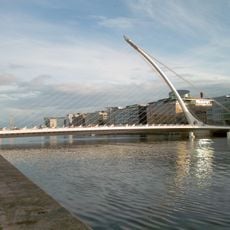
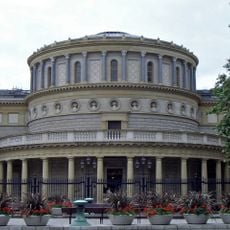
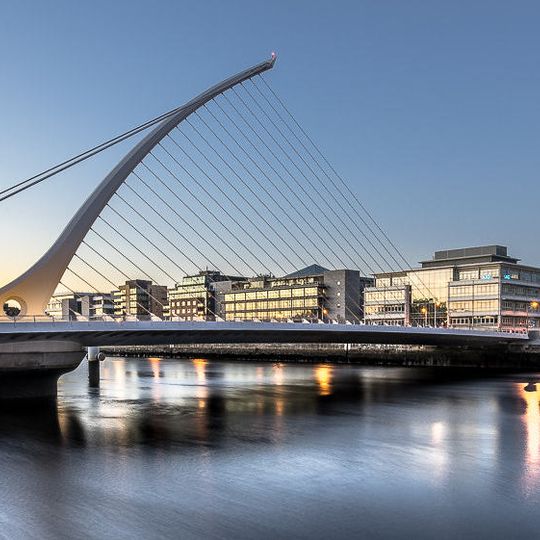
Dublin is the capital and largest city of Ireland on the east coast, where the Liffey flows through the center and connects both banks with several bridges. Georgian brick buildings stand beside modern office towers, especially south of the river in the old core.
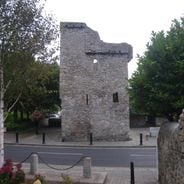
Vikings established a trading post here in 841 that grew from a Celtic settlement into a major port between the islands. In the 18th century the city saw a building phase that created many of the squares and rows we see today.
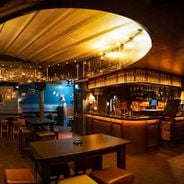
Pubs form the heart of social life, where people meet in the evenings to listen to music and talk. Many venues host traditional sessions with fiddle, bodhrán and other instruments that begin without a set program.
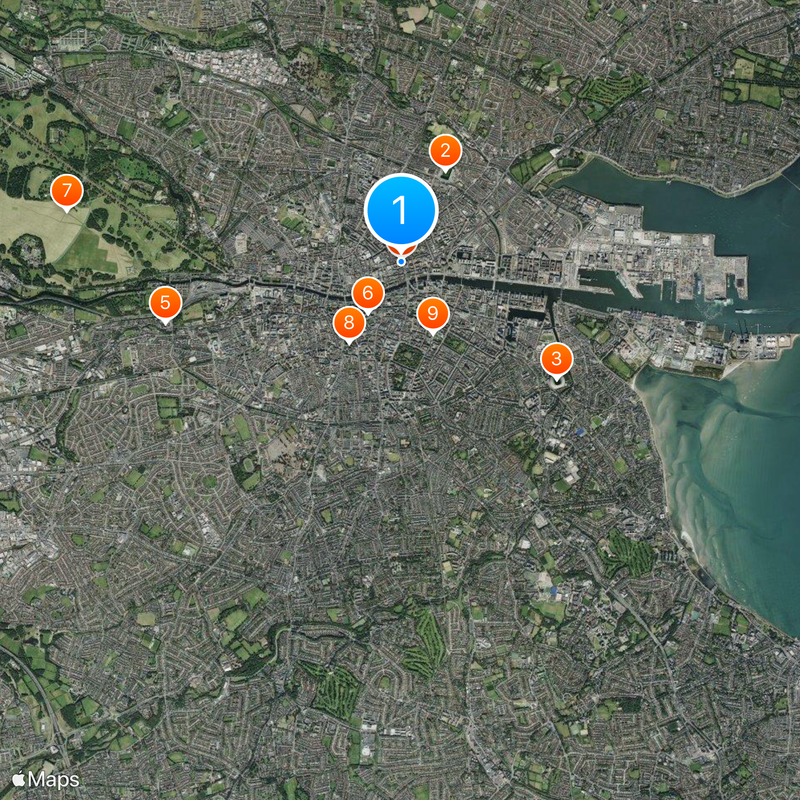
The public transport network includes the DART rail system and buses that link all major districts with the center. Most attractions lie south of the river within walking distance, while northern neighborhoods are calmer.
The colorful doors in Georgian row houses reportedly appeared after Queen Victoria ordered all doors painted black following her husband's death in 1861. Residents replied with bright colors to help tell their houses apart.
The community of curious travelers
AroundUs brings together thousands of curated places, local tips, and hidden gems, enriched daily by 91,062 contributors worldwide.