National Gallery of Ireland, National art museum in Merrion Square, Dublin, Ireland
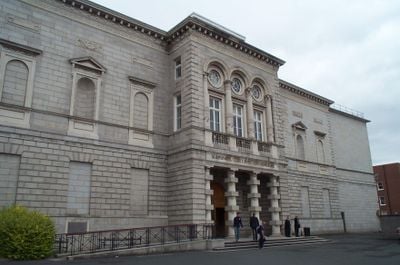
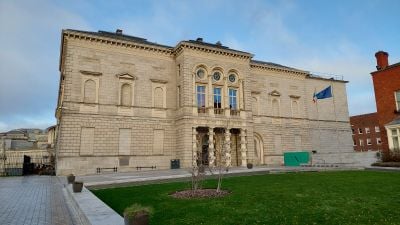
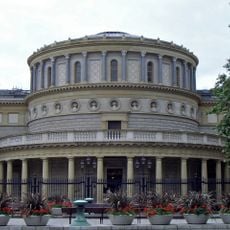
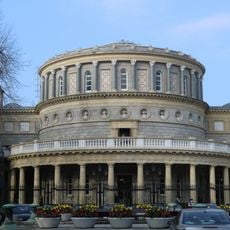
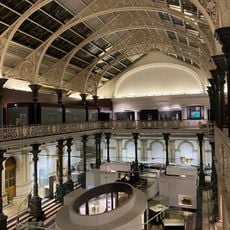
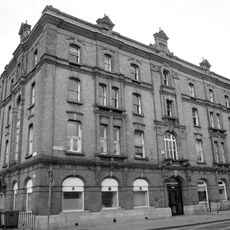
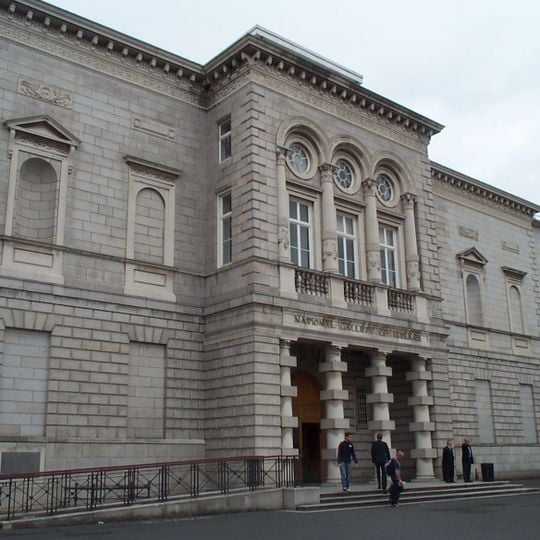
The National Gallery of Ireland is an art museum on Merrion Square in Dublin, Ireland, displaying European paintings, sculptures, and prints from seven centuries. The collection is spread across several interconnected buildings, including a historic 19th-century wing and more recent extensions from later decades.
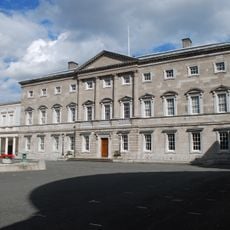
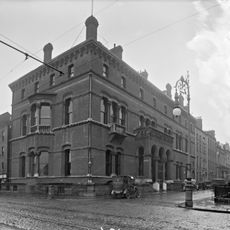
The gallery was founded in 1854, following the 1853 Great Industrial Exhibition on the lawns of Leinster House, where William Dargan funded a display of artworks. It opened in 1864 in a building designed by Francis Fowke from early plans by Charles Lanyon, with just 112 paintings. The 1897 bequest of the Dowager Countess of Milltown led to the Milltown Wing (1899–1903) by Thomas Newenham Deane.
The gallery's name reflects its founding purpose: a permanent public collection for Dublin, created after the 1853 Great Industrial Exhibition on the lawns of Leinster House. The 31 Turner watercolours left by Henry Vaughan are still shown only in January, as his bequest required, and the annual showing is treated as an occasion.
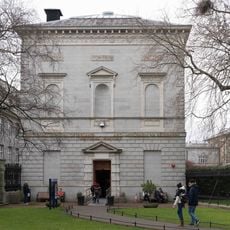
The gallery has two entrances: one on Merrion Square beside Leinster House and another on Clare Street. Admission is free, and many talks, tours and events are also free of charge. The Millennium Wing, opened in 2002, has street frontage and a grand atrium.
The Taking of Christ, long known only through copies, was found in 1990 by the gallery's senior conservator Sergio Benedetti hanging in a Jesuit house of studies on Leeson Street. The Jesuits allowed it to be shown at the gallery, and the discovery caused national excitement.
The community of curious travelers
AroundUs brings together thousands of curated places, local tips, and hidden gems, enriched daily by 92,601 contributors worldwide.