See the monuments around you in AROpen chests in the app
Around Us is built for your phone — point your camera at the streets and discover the monuments and places around you in augmented reality.Around Us is built for your phone — chests unlock when you walk, explore and capture nearby places.
This collection presents major Orthodox churches and monasteries across Russia, spanning from medieval to modern times. The buildings shape city skylines with their distinctive onion domes, which remain a defining feature of Russian religious architecture. Mosaics and frescoes decorate the interior spaces, drawing from centuries of Orthodox traditions. Many of these structures continue to serve as spiritual centers and pilgrimage destinations.
Moscow contains several notable cathedrals worth experiencing. Saint Basil's Cathedral stands at Red Square with its colorful towers creating a memorable sight. The Cathedral of Christ the Saviour and the Dormition Cathedral rank among the largest houses of worship in the city. The Holy Trinity St. Sergius Lavra in Sergiev Posad represents one of the oldest and most sacred monastic communities in the region.
Saint Petersburg offers additional architectural accomplishments. St. Isaac's Cathedral displays a golden dome visible from the Neva River. The Peter and Paul Cathedral sits within the fortress, while the Smolny Cathedral, Kazan Cathedral, and Church of the Savior on Spilled Blood show varying building styles and periods. Kronstadt contains the Naval Cathedral of Saint Nicholas. Cities like Novosibirsk, Kazan, and Khabarovsk also maintain Orthodox structures that combine religious function with artistic expression.
This collection presents major Orthodox churches and monasteries across Russia, spanning from medieval to modern times. The buildings shape city skylines with their distinctive onion domes, which remain a defining feature of Russian religious architecture. Mosaics and frescoes decorate the interior spaces, drawing from centuries of Orthodox traditions. Many of these structures continue to serve as spiritual centers and pilgrimage destinations.
Moscow contains several notable cathedrals worth experiencing. Saint Basil's Cathedral stands at Red Square with its colorful towers creating a memorable sight. The Cathedral of Christ the Saviour and the Dormition Cathedral rank among the largest houses of worship in the city. The Holy Trinity St. Sergius Lavra in Sergiev Posad represents one of the oldest and most sacred monastic communities in the region.
Saint Petersburg offers additional architectural accomplishments. St. Isaac's Cathedral displays a golden dome visible from the Neva River. The Peter and Paul Cathedral sits within the fortress, while the Smolny Cathedral, Kazan Cathedral, and Church of the Savior on Spilled Blood show varying building styles and periods. Kronstadt contains the Naval Cathedral of Saint Nicholas. Cities like Novosibirsk, Kazan, and Khabarovsk also maintain Orthodox structures that combine religious function with artistic expression.
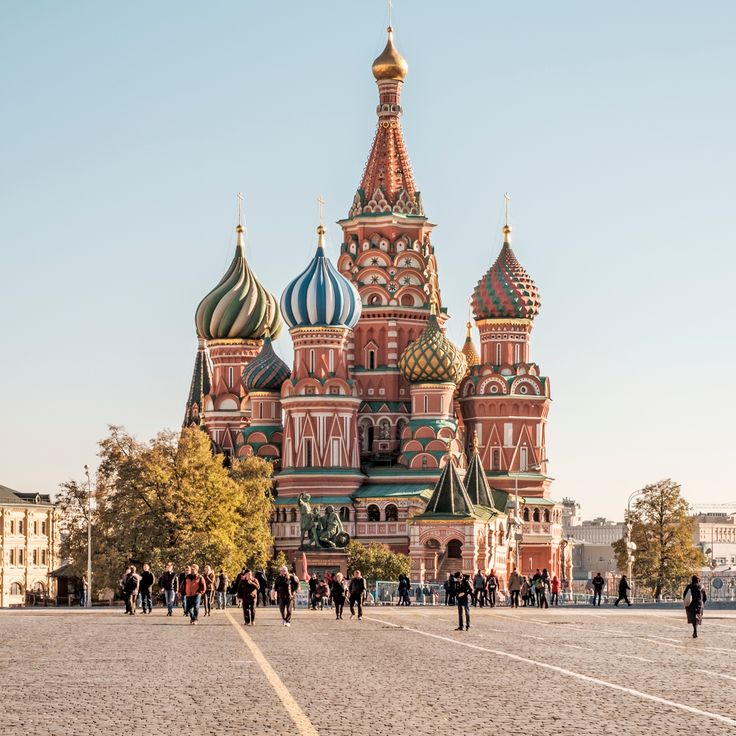
Saint Basil's Cathedral is part of Russia's religious architecture and was completed in 1561. The building contains nine separate chapels with domes decorated in geometric patterns using red, green and blue colors. The cathedral serves as a center of orthodox faith and displays characteristic architectural features from medieval to modern times.
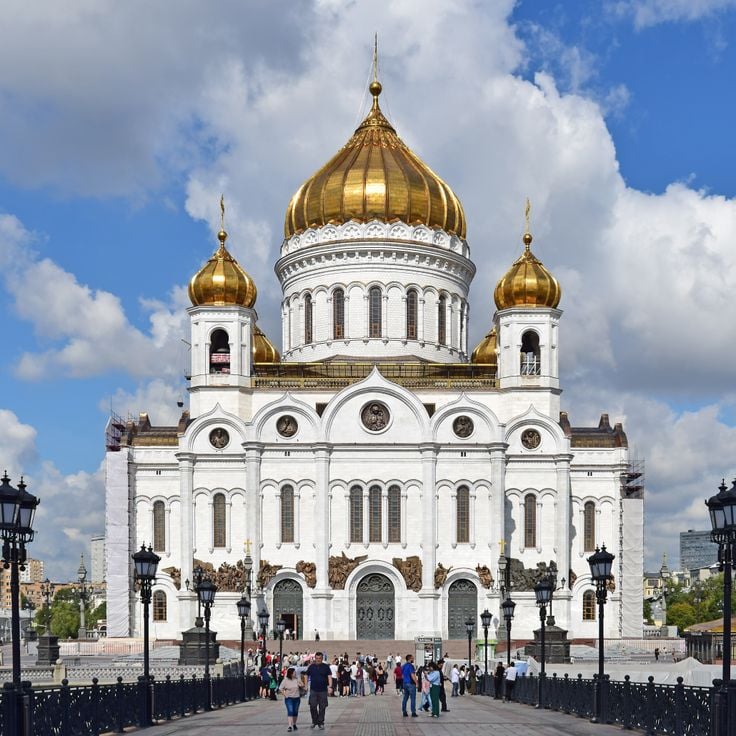
The Cathedral of Christ the Saviour is a key example of Orthodox religious architecture in Russia. This temple was built from marble and granite and displays the characteristic design with a large dome. Inside, painted murals and bronze doors adorn the interior. The Cathedral of Christ the Saviour serves as an important center of Orthodox faith in Moscow and represents modern religious building practices in Russia.
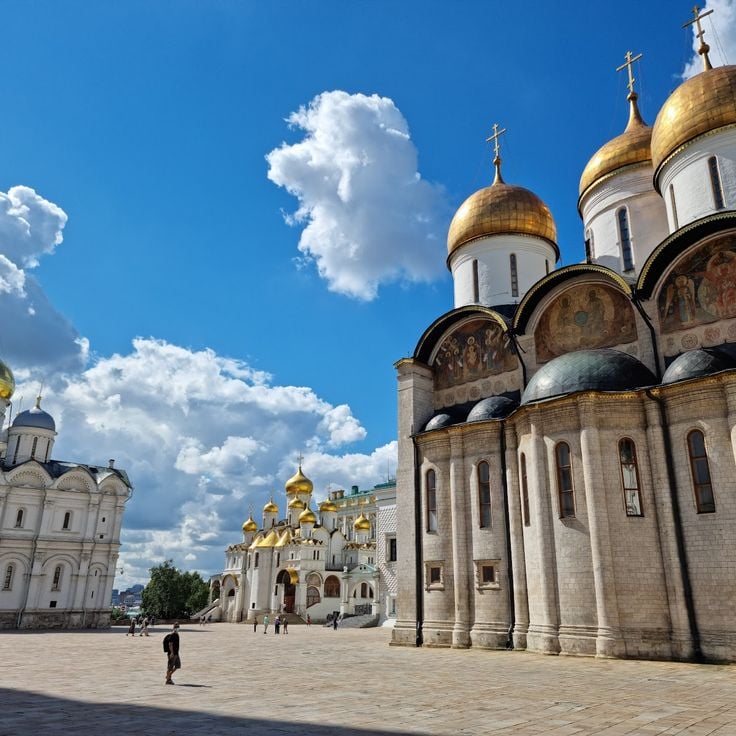
The Dormition Cathedral sits at the heart of the Moscow Kremlin and embodies Russian orthodox religious architecture. Built in 1479 by Italian architect Aristotele Fioravanti, this cathedral displays characteristic onion domes and contains frescoes from the 16th and 17th centuries that reflect the deep religious traditions of Russia.
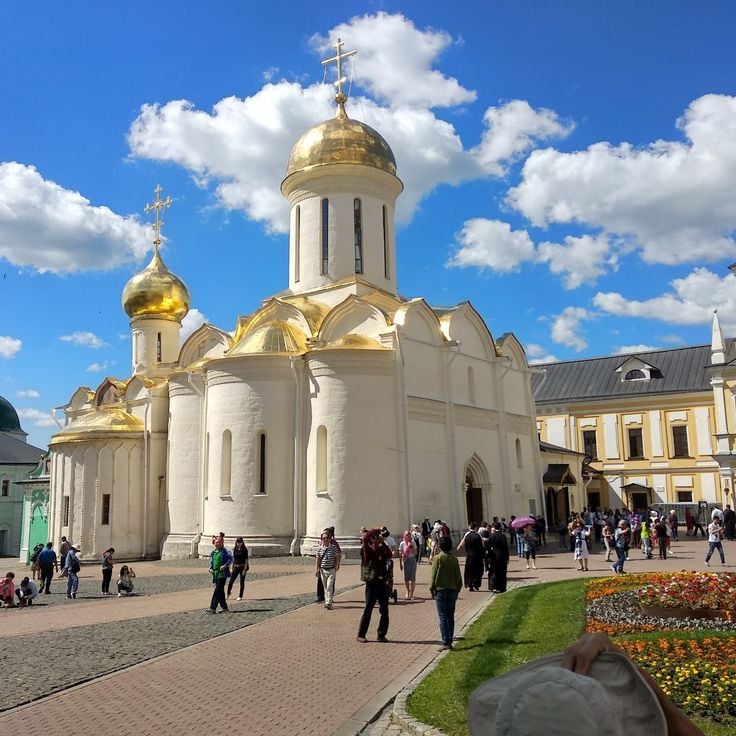
The Holy Trinity St. Sergius Lavra in Sergiev Posad is one of the most important monasteries in the Russian Orthodox tradition. Founded in 1337 by Saint Sergius of Radonezh, the monastery complex contains approximately 50 buildings, including churches, towers, and a seminary for Orthodox priests. The architecture displays features typical of Russian religious buildings: onion domes, mosaics, and frescoes. The monastery serves as a significant center of Orthodox faith and draws pilgrims and visitors from around the world.
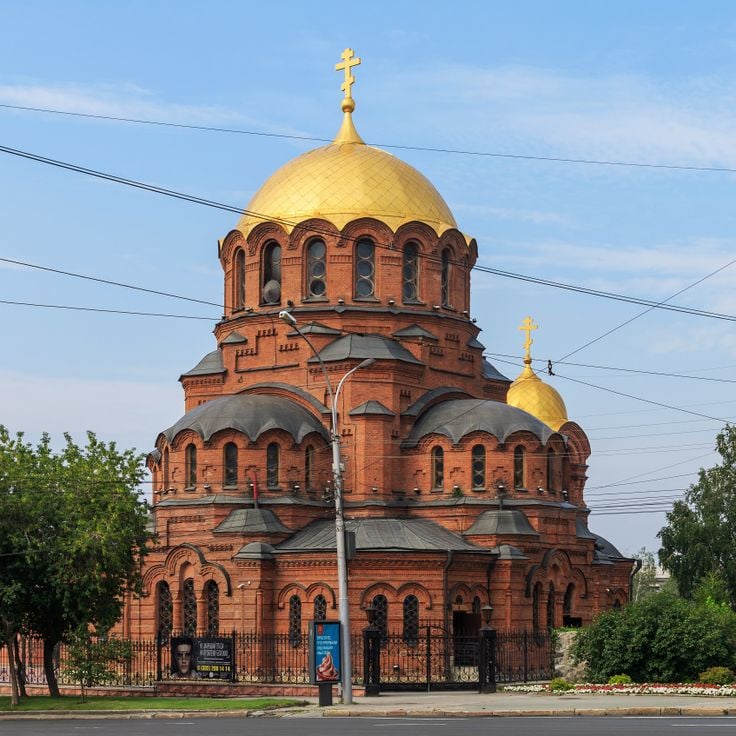
The Alexander Nevsky Cathedral in Novosibirsk is an Orthodox church with five domes and two bell towers. This cathedral displays Neo-Byzantine architectural elements and represents Russian religious architecture with its characteristic forms and decorative details.
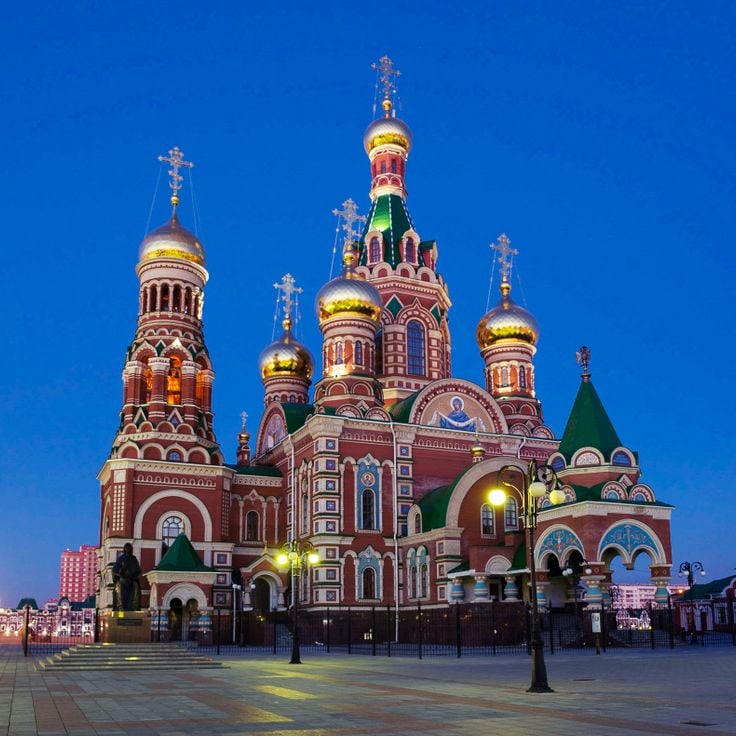
This cathedral in Kazan displays traditional Russian Orthodox architecture with five blue domes decorated with golden stars. Located in the Kazan Kremlin, the Annunciation Cathedral represents Russian religious architecture with characteristic onion domes and decorative elements typical of Orthodox churches and monasteries across Russia.
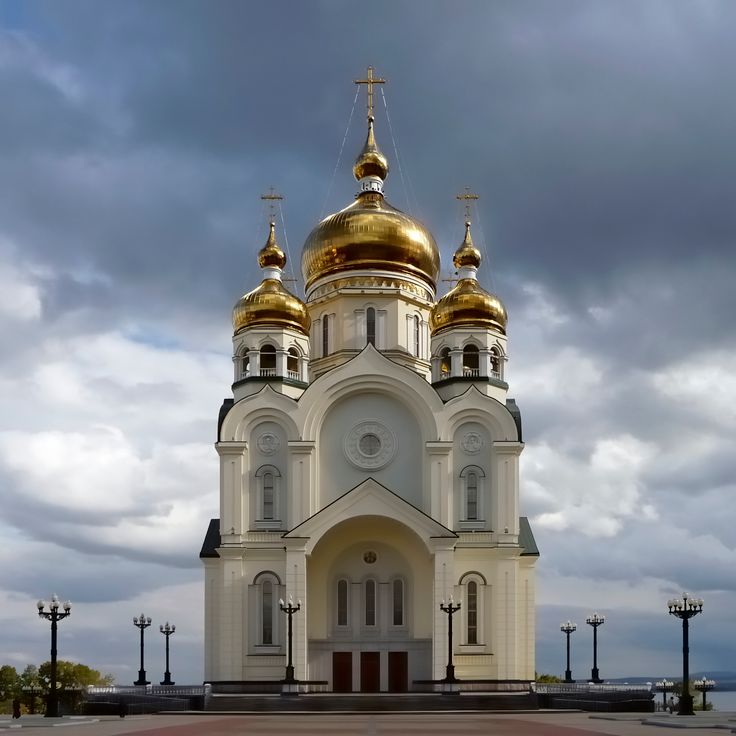
The Transfiguration Cathedral in Khabarovsk is among Russia's orthodox churches and monasteries that represent the country's religious architecture. This white cathedral features five golden domes and displays religious paintings on its interior walls, serving as an important center of orthodox faith in the region.
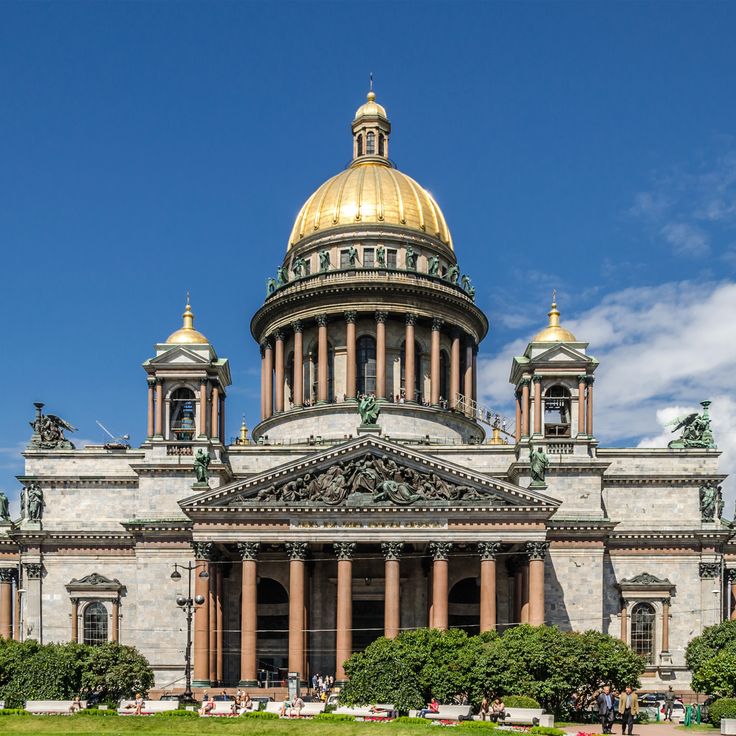
St. Isaac's Cathedral is a neoclassical building and part of the collection of Orthodox churches and monasteries in Russia. The cathedral stands out for its central golden dome and offers city views from its observation deck. The building displays Russian religious architecture with characteristic elements such as domes, mosaics, and frescoes.
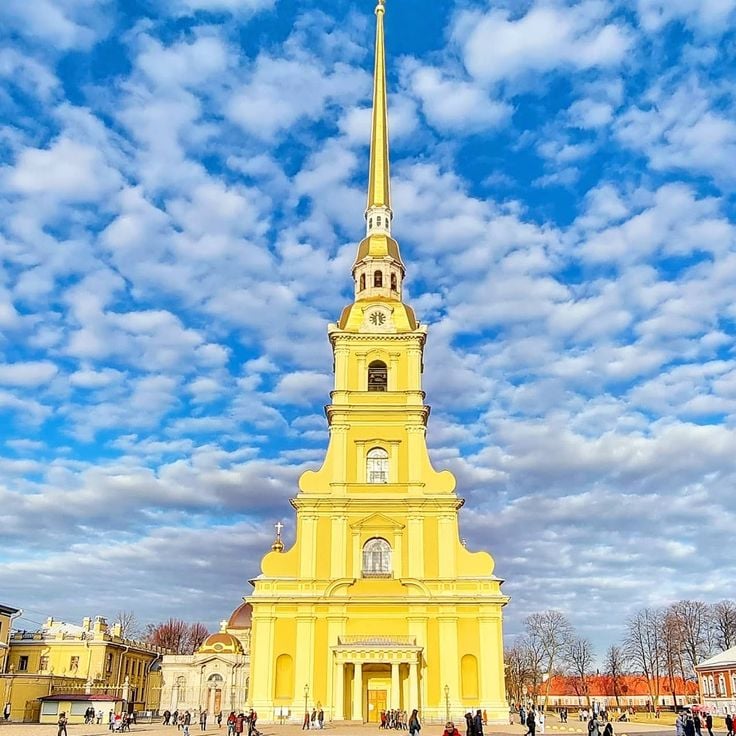
The Peter and Paul Cathedral in Saint Petersburg represents Russian orthodox religious architecture in this collection of churches and monasteries. Built in 1712, this fortress cathedral stands with a bell tower topped by a golden spire. The building holds the burial vault of Russian emperors and displays the architectural style characteristic of orthodox faith centers.
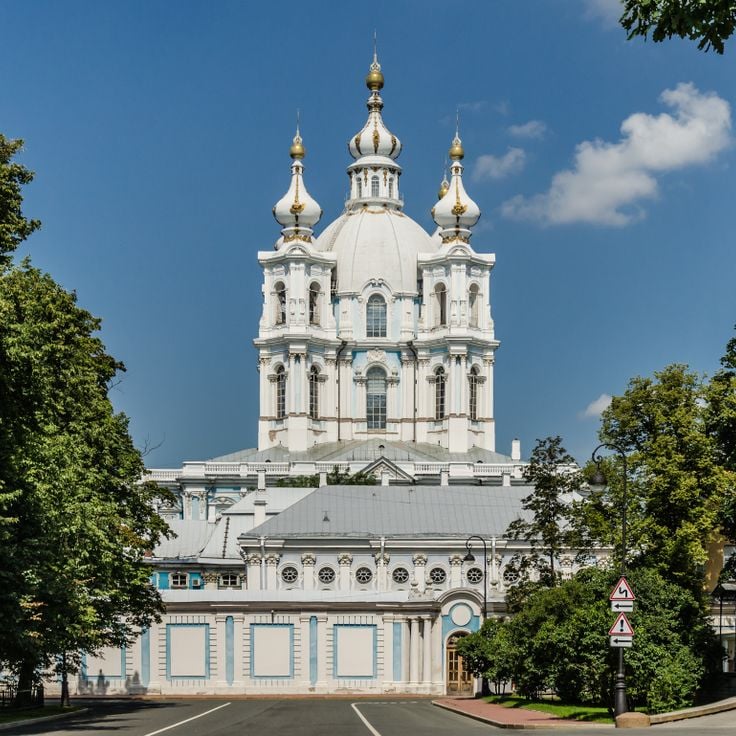
The Smolny Cathedral is an important part of Russian Orthodox church architecture. This Baroque cathedral was designed by Rastrelli in 1761 and displays the characteristic style of Russian religious buildings. The cathedral has blue walls with white decorations and is now used as a concert venue.
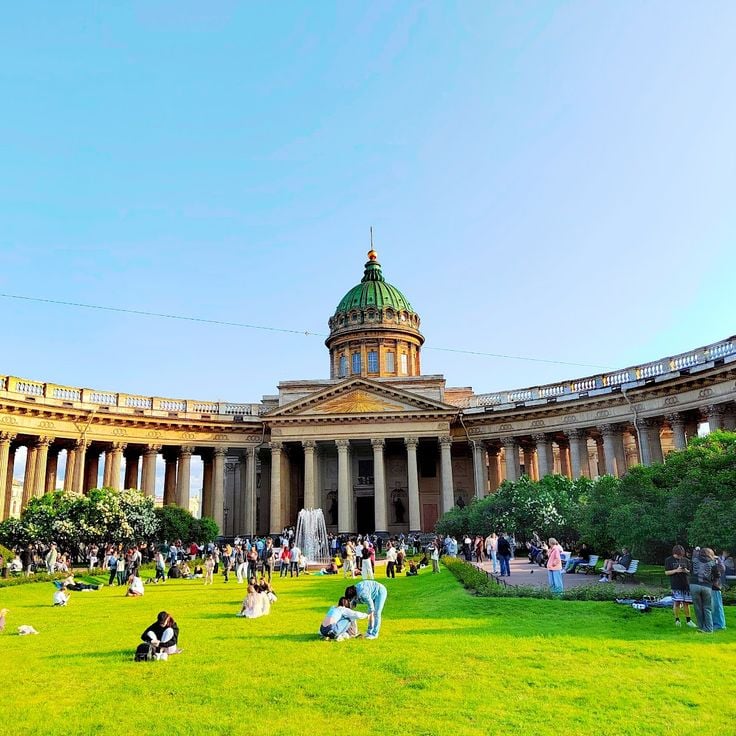
This 1811 cathedral in Saint Petersburg represents Russian orthodox religious architecture of the 19th century. The building features a curved colonnade inspired by St. Peter's Basilica. Inside, the cathedral houses a venerated icon of the Virgin Mary that has drawn devotees for generations. The structure combines classical design with spiritual purpose.
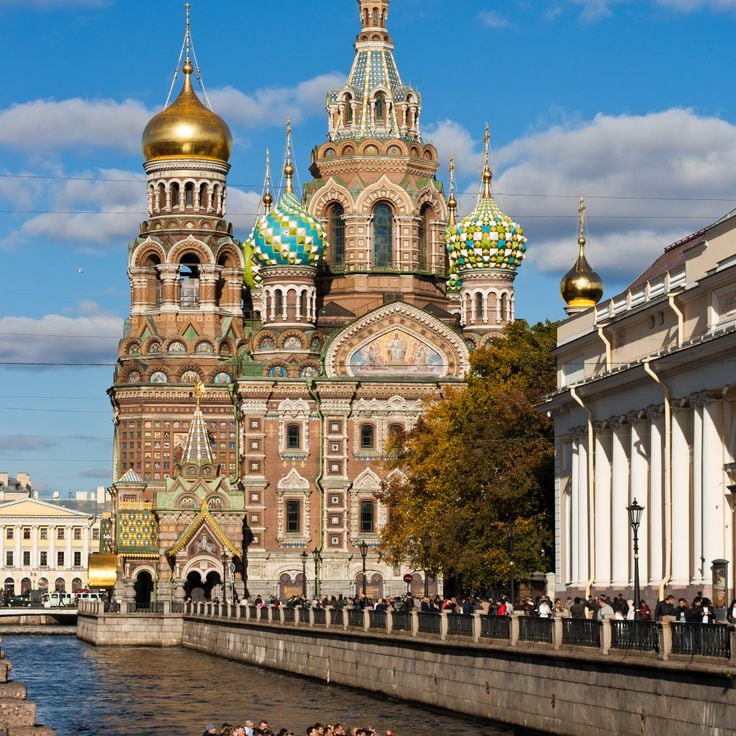
This church in Saint Petersburg is an example of Russian Orthodox architecture featured in this collection of Orthodox churches and monasteries in Russia. The building was constructed between 1883 and 1907 on the site where Emperor Alexander II was assassinated in 1881. The church displays characteristic features of Russian religious architecture with its onion domes and detailed interior decoration.
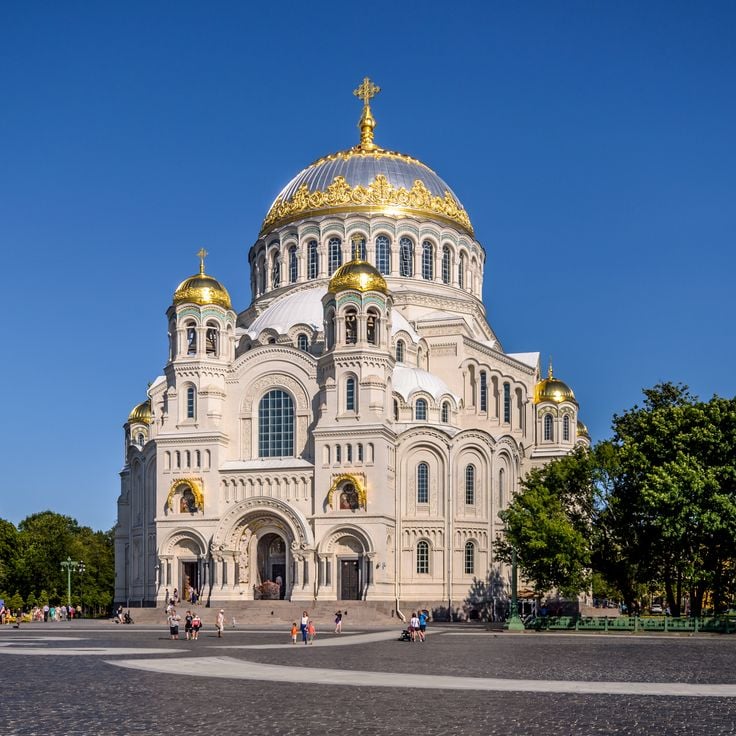
The Naval Cathedral of Saint Nicholas in Kronstadt is part of the collection of Orthodox churches and monasteries in Russia. The cathedral was completed in 1913 and serves as a memorial to the navy. The building combines Neo-Byzantine architecture with modern construction methods and displays onion domes and mosaics that represent Russian religious architecture.
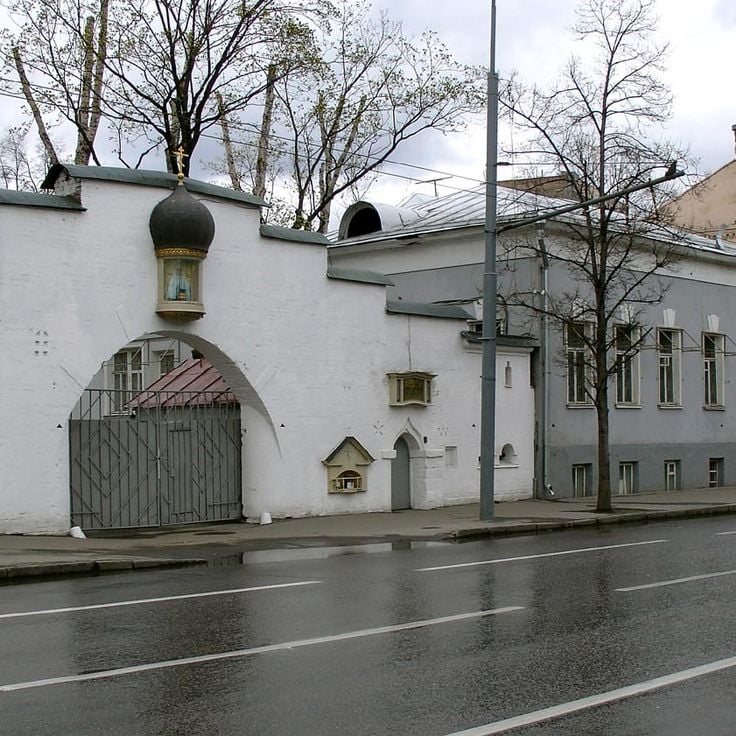
The Marfo-Mariinsky Convent was founded in 1909 and combines religious tradition with social assistance. Architect Alexey Shchusev designed the buildings in Russian Art Nouveau style. As part of the collection of Orthodox churches and monasteries in Russia, this convent shows how religious buildings reflect various architectural styles from medieval to modern times, featuring characteristic onion domes, mosaics, and frescoes.
Saint Basil's Cathedral is part of Russia's religious architecture and was completed in 1561. The building contains nine separate chapels with domes decorated in geometric patterns using red, green and blue colors. The cathedral serves as a center of orthodox faith and displays characteristic architectural features from medieval to modern times.
The Cathedral of Christ the Saviour is a key example of Orthodox religious architecture in Russia. This temple was built from marble and granite and displays the characteristic design with a large dome. Inside, painted murals and bronze doors adorn the interior. The Cathedral of Christ the Saviour serves as an important center of Orthodox faith in Moscow and represents modern religious building practices in Russia.
The Dormition Cathedral sits at the heart of the Moscow Kremlin and embodies Russian orthodox religious architecture. Built in 1479 by Italian architect Aristotele Fioravanti, this cathedral displays characteristic onion domes and contains frescoes from the 16th and 17th centuries that reflect the deep religious traditions of Russia.
The Holy Trinity St. Sergius Lavra in Sergiev Posad is one of the most important monasteries in the Russian Orthodox tradition. Founded in 1337 by Saint Sergius of Radonezh, the monastery complex contains approximately 50 buildings, including churches, towers, and a seminary for Orthodox priests. The architecture displays features typical of Russian religious buildings: onion domes, mosaics, and frescoes. The monastery serves as a significant center of Orthodox faith and draws pilgrims and visitors from around the world.
The Alexander Nevsky Cathedral in Novosibirsk is an Orthodox church with five domes and two bell towers. This cathedral displays Neo-Byzantine architectural elements and represents Russian religious architecture with its characteristic forms and decorative details.
This cathedral in Kazan displays traditional Russian Orthodox architecture with five blue domes decorated with golden stars. Located in the Kazan Kremlin, the Annunciation Cathedral represents Russian religious architecture with characteristic onion domes and decorative elements typical of Orthodox churches and monasteries across Russia.
The Transfiguration Cathedral in Khabarovsk is among Russia's orthodox churches and monasteries that represent the country's religious architecture. This white cathedral features five golden domes and displays religious paintings on its interior walls, serving as an important center of orthodox faith in the region.
St. Isaac's Cathedral is a neoclassical building and part of the collection of Orthodox churches and monasteries in Russia. The cathedral stands out for its central golden dome and offers city views from its observation deck. The building displays Russian religious architecture with characteristic elements such as domes, mosaics, and frescoes.
The Peter and Paul Cathedral in Saint Petersburg represents Russian orthodox religious architecture in this collection of churches and monasteries. Built in 1712, this fortress cathedral stands with a bell tower topped by a golden spire. The building holds the burial vault of Russian emperors and displays the architectural style characteristic of orthodox faith centers.
The Smolny Cathedral is an important part of Russian Orthodox church architecture. This Baroque cathedral was designed by Rastrelli in 1761 and displays the characteristic style of Russian religious buildings. The cathedral has blue walls with white decorations and is now used as a concert venue.
This 1811 cathedral in Saint Petersburg represents Russian orthodox religious architecture of the 19th century. The building features a curved colonnade inspired by St. Peter's Basilica. Inside, the cathedral houses a venerated icon of the Virgin Mary that has drawn devotees for generations. The structure combines classical design with spiritual purpose.
This church in Saint Petersburg is an example of Russian Orthodox architecture featured in this collection of Orthodox churches and monasteries in Russia. The building was constructed between 1883 and 1907 on the site where Emperor Alexander II was assassinated in 1881. The church displays characteristic features of Russian religious architecture with its onion domes and detailed interior decoration.
The Naval Cathedral of Saint Nicholas in Kronstadt is part of the collection of Orthodox churches and monasteries in Russia. The cathedral was completed in 1913 and serves as a memorial to the navy. The building combines Neo-Byzantine architecture with modern construction methods and displays onion domes and mosaics that represent Russian religious architecture.
The Marfo-Mariinsky Convent was founded in 1909 and combines religious tradition with social assistance. Architect Alexey Shchusev designed the buildings in Russian Art Nouveau style. As part of the collection of Orthodox churches and monasteries in Russia, this convent shows how religious buildings reflect various architectural styles from medieval to modern times, featuring characteristic onion domes, mosaics, and frescoes.
Saint Basil's Cathedral is part of Russia's religious architecture and was completed in 1561. The building contains nine separate chapels with domes decorated in geometric patterns using red, green and blue colors. The cathedral serves as a center of orthodox faith and displays characteristic architectural features from medieval to modern times.
The Cathedral of Christ the Saviour is a key example of Orthodox religious architecture in Russia. This temple was built from marble and granite and displays the characteristic design with a large dome. Inside, painted murals and bronze doors adorn the interior. The Cathedral of Christ the Saviour serves as an important center of Orthodox faith in Moscow and represents modern religious building practices in Russia.
The Dormition Cathedral sits at the heart of the Moscow Kremlin and embodies Russian orthodox religious architecture. Built in 1479 by Italian architect Aristotele Fioravanti, this cathedral displays characteristic onion domes and contains frescoes from the 16th and 17th centuries that reflect the deep religious traditions of Russia.
The Holy Trinity St. Sergius Lavra in Sergiev Posad is one of the most important monasteries in the Russian Orthodox tradition. Founded in 1337 by Saint Sergius of Radonezh, the monastery complex contains approximately 50 buildings, including churches, towers, and a seminary for Orthodox priests. The architecture displays features typical of Russian religious buildings: onion domes, mosaics, and frescoes. The monastery serves as a significant center of Orthodox faith and draws pilgrims and visitors from around the world.
The Alexander Nevsky Cathedral in Novosibirsk is an Orthodox church with five domes and two bell towers. This cathedral displays Neo-Byzantine architectural elements and represents Russian religious architecture with its characteristic forms and decorative details.
This cathedral in Kazan displays traditional Russian Orthodox architecture with five blue domes decorated with golden stars. Located in the Kazan Kremlin, the Annunciation Cathedral represents Russian religious architecture with characteristic onion domes and decorative elements typical of Orthodox churches and monasteries across Russia.
The Transfiguration Cathedral in Khabarovsk is among Russia's orthodox churches and monasteries that represent the country's religious architecture. This white cathedral features five golden domes and displays religious paintings on its interior walls, serving as an important center of orthodox faith in the region.
St. Isaac's Cathedral is a neoclassical building and part of the collection of Orthodox churches and monasteries in Russia. The cathedral stands out for its central golden dome and offers city views from its observation deck. The building displays Russian religious architecture with characteristic elements such as domes, mosaics, and frescoes.
The Peter and Paul Cathedral in Saint Petersburg represents Russian orthodox religious architecture in this collection of churches and monasteries. Built in 1712, this fortress cathedral stands with a bell tower topped by a golden spire. The building holds the burial vault of Russian emperors and displays the architectural style characteristic of orthodox faith centers.
The Smolny Cathedral is an important part of Russian Orthodox church architecture. This Baroque cathedral was designed by Rastrelli in 1761 and displays the characteristic style of Russian religious buildings. The cathedral has blue walls with white decorations and is now used as a concert venue.
This 1811 cathedral in Saint Petersburg represents Russian orthodox religious architecture of the 19th century. The building features a curved colonnade inspired by St. Peter's Basilica. Inside, the cathedral houses a venerated icon of the Virgin Mary that has drawn devotees for generations. The structure combines classical design with spiritual purpose.
This church in Saint Petersburg is an example of Russian Orthodox architecture featured in this collection of Orthodox churches and monasteries in Russia. The building was constructed between 1883 and 1907 on the site where Emperor Alexander II was assassinated in 1881. The church displays characteristic features of Russian religious architecture with its onion domes and detailed interior decoration.
The Naval Cathedral of Saint Nicholas in Kronstadt is part of the collection of Orthodox churches and monasteries in Russia. The cathedral was completed in 1913 and serves as a memorial to the navy. The building combines Neo-Byzantine architecture with modern construction methods and displays onion domes and mosaics that represent Russian religious architecture.
The Marfo-Mariinsky Convent was founded in 1909 and combines religious tradition with social assistance. Architect Alexey Shchusev designed the buildings in Russian Art Nouveau style. As part of the collection of Orthodox churches and monasteries in Russia, this convent shows how religious buildings reflect various architectural styles from medieval to modern times, featuring characteristic onion domes, mosaics, and frescoes.