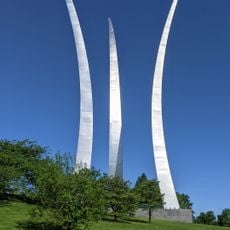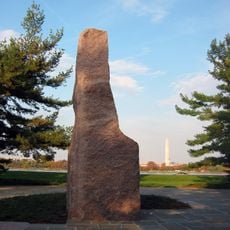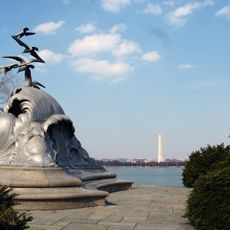
The Pentagon, Government headquarters in Arlington County, United States
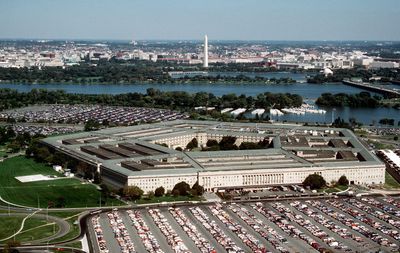
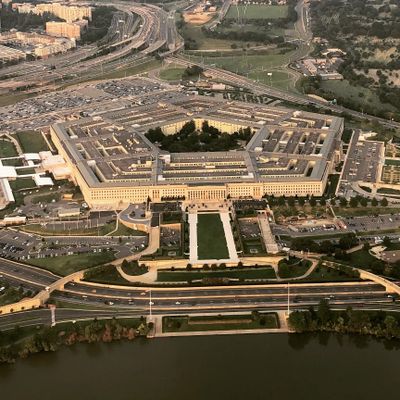
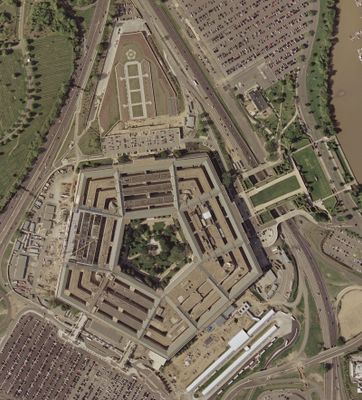
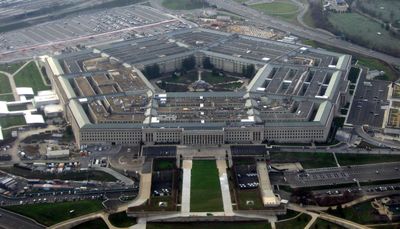
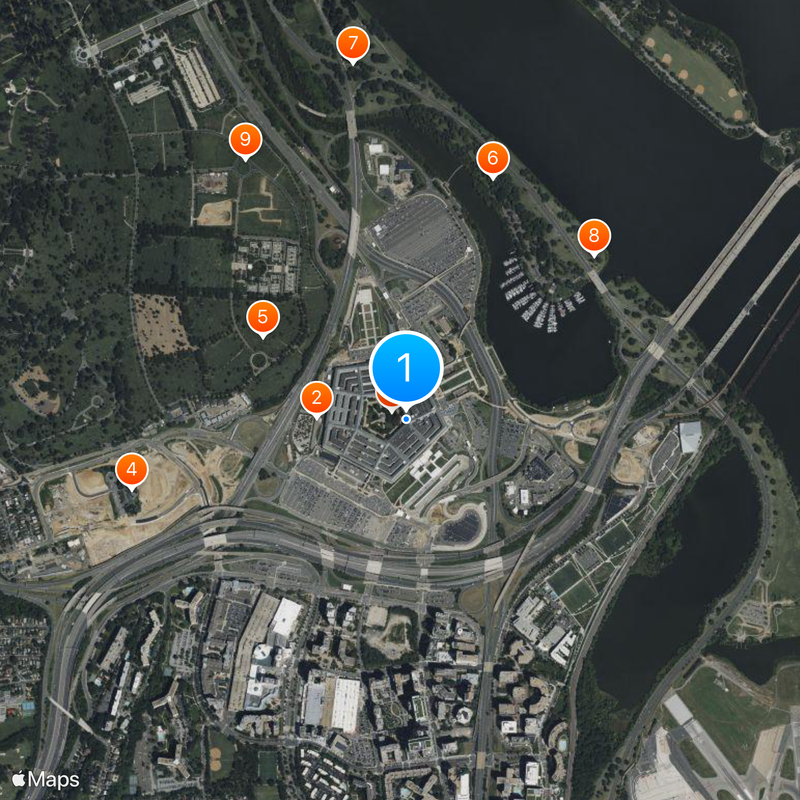
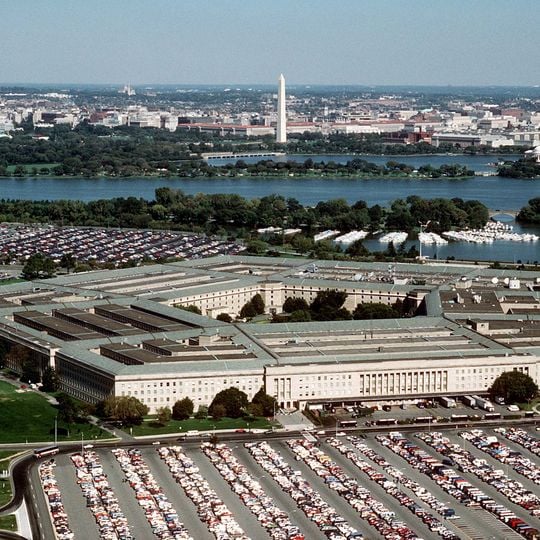
Five identical sides form this massive structure, each measuring 921 feet (281 meters) and enclosing concentric rings that surround a central plaza. The building covers 6,039,500 square feet (561,000 square meters) of office space distributed across five above-ground levels. Indiana limestone panels form the exterior walls, and 7,750 windows puncture the facade to illuminate the workspaces within. Corridors stretching 17.5 miles (28.2 kilometers) connect departments throughout the reinforced concrete framework.
Architect George Bergstrom designed the facility following orders issued in July 1941, with groundbreaking occurring exactly two months before Pearl Harbor. General Brehon Somervell supervised construction crews working around the clock to complete the project within 16 months despite wartime resource constraints. American Airlines Flight 77 crashed into the renovated western facade on September 11, 2001, causing a partial structural collapse that killed 125 occupants and required extensive rebuilding efforts completed by 2003.
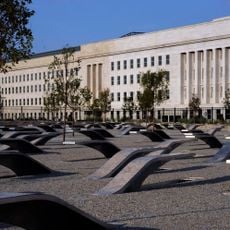
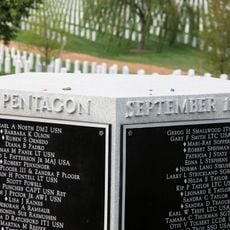
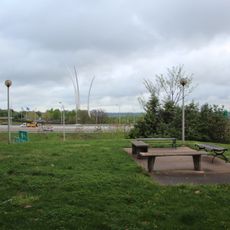
The facility functions as the command center for United States military operations worldwide, housing offices for the Secretary of Defense, the Joint Chiefs of Staff, and the three military departments. More than 23,000 personnel report to this location daily, coordinating activities across all branches of the armed forces. The memorial outside honors the 184 lives lost during the terrorist attack, with each illuminated bench positioned to face either the building or skyward depending on whether victims were inside or aboard the aircraft.
Reservations for interior tours must be submitted through a congressional office at least two weeks before the requested date, and all participants undergo background screening. Valid identification issued by government authorities is mandatory for entry during weekday tour hours. Metro riders can exit at the dedicated station served by Blue and Yellow line trains. The outdoor memorial remains accessible without charge throughout day and night, with parking spaces located along Washington Boulevard for those arriving by car.
Workers recycled steel from demolished elevated railway sections in Manhattan to compensate for wartime material shortages and meet the accelerated construction timeline. The internal layout ensures that any two points within the complex can be reached on foot within seven minutes. Central plaza space earned the nickname Ground Zero during Cold War planning scenarios when analysts projected this location would be targeted first in a nuclear exchange.
The community of curious travelers
AroundUs brings together thousands of curated places, local tips, and hidden gems, enriched daily by 90,758 contributors worldwide.