Isle Royale National Park, National park in Lake Superior, Michigan, United States
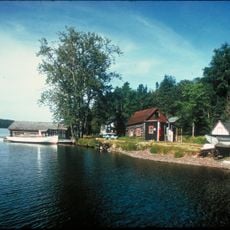
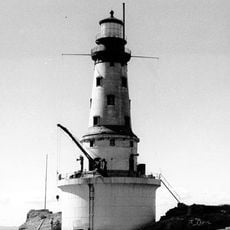
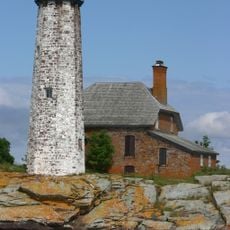
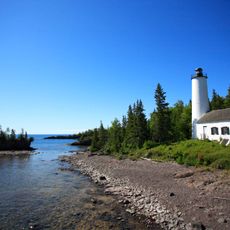
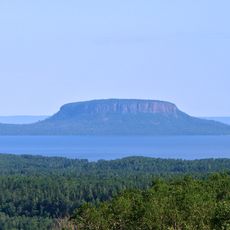
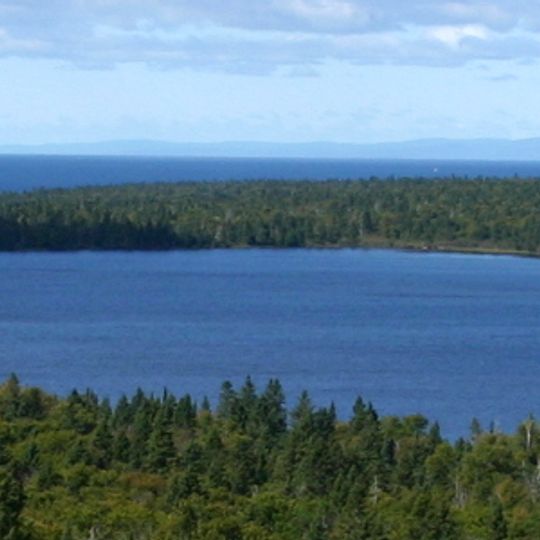
Isle Royale National Park is a national park of the United States in Lake Superior, Michigan, made up of Isle Royale and more than 400 small adjacent islands with their surrounding waters. The main island is 72 km long and 14 km wide, the largest natural island in Lake Superior, with a flat, elongated profile covered by an even band of dark green forest above a continuous dark shoreline. Its interior holds inland lakes, the largest being Siskiwit Lake, which itself contains islands including Ryan Island.
Indigenous communities mined copper here for thousands of years, long before European explorers reached the region. The national park was formally established in 1940 to protect the archipelago and its ecosystems permanently.
The name Minong, used by indigenous peoples of the region, roughly translates to "good place" and points to the centuries-long connection between Native inhabitants and the copper deposits found here. Today, visitors can still spot old mining pits scattered across the terrain that show evidence of this early use.
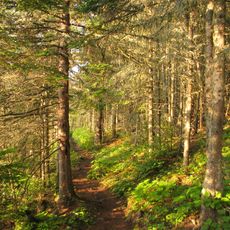
Access is by boat or seaplane only, since no road links exist to the mainland and wheeled vehicles are banned on the islands. Hikers should prepare for uneven trails and changing weather conditions, as the environment is remote and rugged.
Scientists have been monitoring the interaction between wolves and moose here for decades, since both species live on this isolated archipelago without outside influence. This long-term study provides rare insights into predator and prey dynamics in a confined habitat.
The community of curious travelers
AroundUs brings together thousands of curated places, local tips, and hidden gems, enriched daily by 95,033 contributors worldwide.