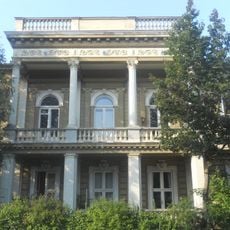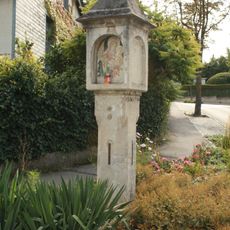
Schloss Weilburg, Baden, Classical palace in Baden, Austria
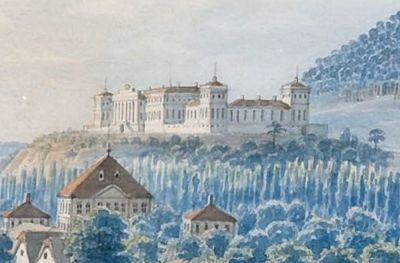
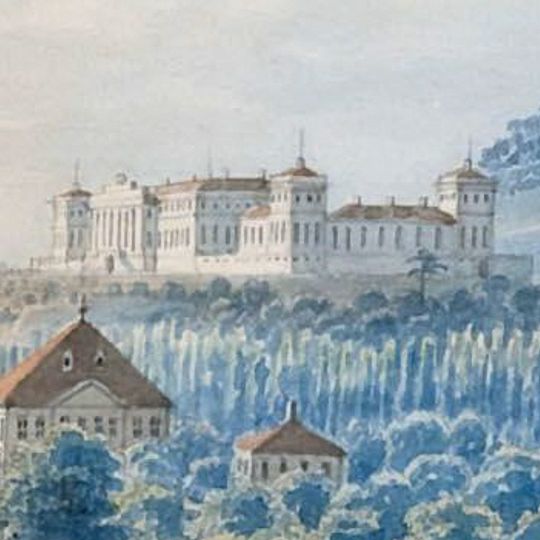
Schloss Weilburg was a classical palace with a 201 meter long facade, symmetrical wings, and Doric columns that embodied the representative architecture of the early 1800s. The complex impressed with its geometric order and harmonious proportions, making it a masterpiece of Viennese classicism.
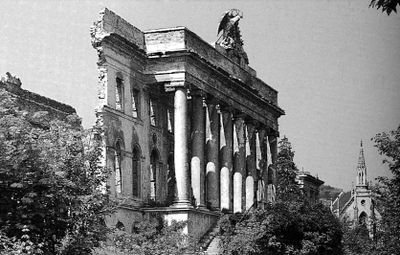
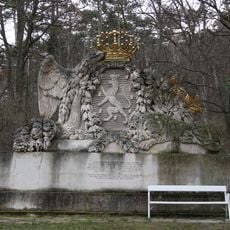
Archduke Charles of Austria commissioned the palace in 1820 for his wife Henriette of Nassau-Weilburg, with construction completed in December 1821. After severe fire damage in 1945, the damaged structure was demolished in 1964, leaving only a coat of arms stone on Weilburgstrasse as a reminder.
Artists including Jakob Alt and Eduard Gurk documented the palace in paintings, preserving its classical elegance for later generations. These artworks keep the visual memory of the building alive in art history, since the structure itself no longer exists.
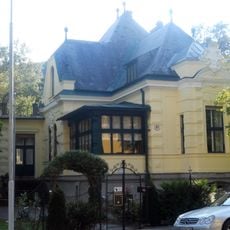
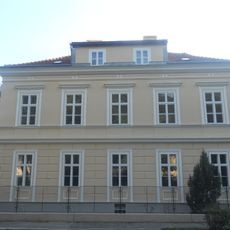
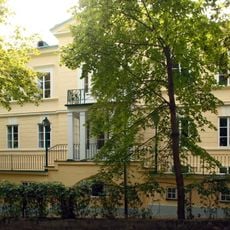
The palace site on Weilburgstrasse marks where the building once stood, with only a coat of arms stone remaining today. Visitors can easily reach the location on foot and get a sense of its historical importance in Baden's urban landscape.
Vienna architect Joseph Kornhäusel designed the palace as one of Austria's largest classical buildings, earning it the title 'stone poem'. This nickname reflected not just its scale but also the poetic harmony of its architectural language that captivated observers.
The community of curious travelers
AroundUs brings together thousands of curated places, local tips, and hidden gems, enriched daily by 90,864 contributors worldwide.