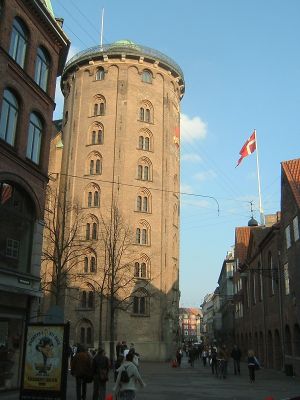
University of Copenhagen, Public research university in Copenhagen Municipality, Denmark
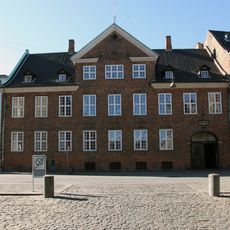
The University of Copenhagen is a public research institution spread across multiple locations in the Danish capital, comprising six faculties and over a hundred academic departments. This institution operates from four main campus sites in different parts of the city, where students and researchers work in libraries, laboratories, and seminar rooms.
King Christian I founded this institution in 1479 after receiving papal approval from Pope Sixtus IV. It started with four traditional faculties and gradually grew into one of the largest research institutions in northern Europe.
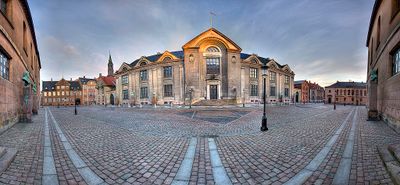
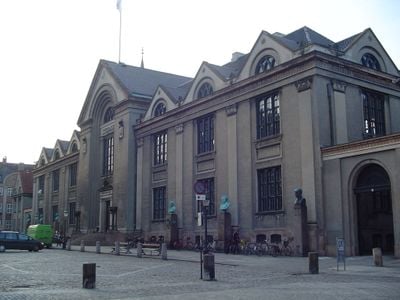
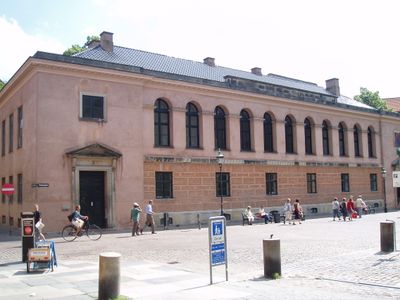
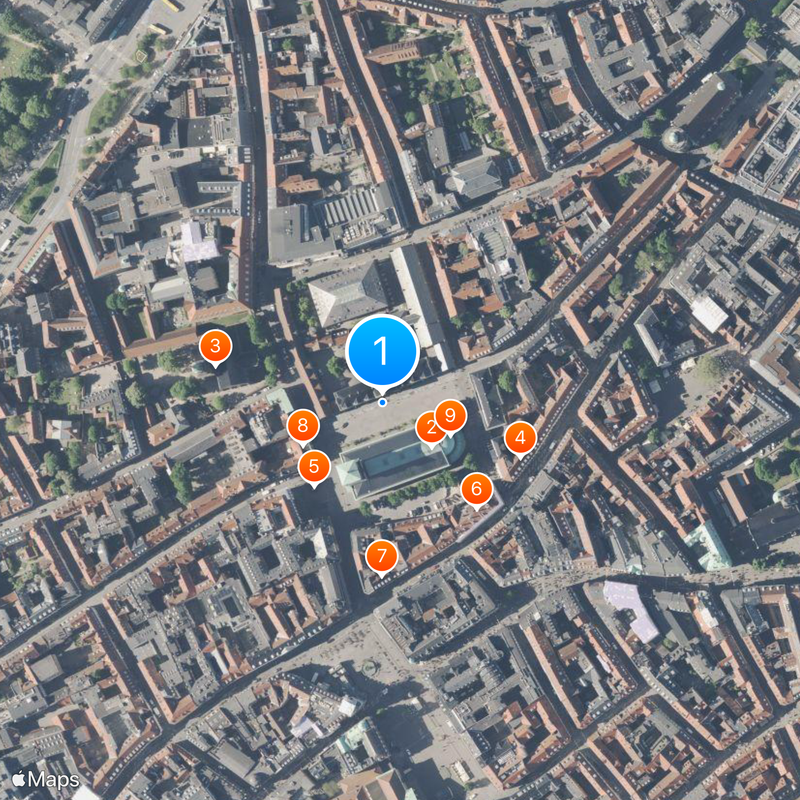
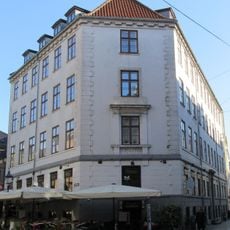
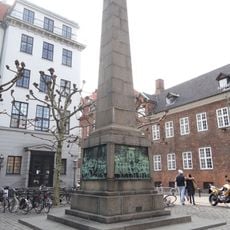
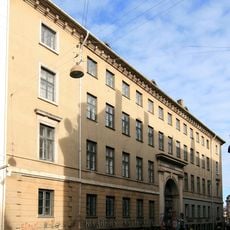
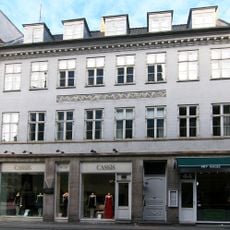
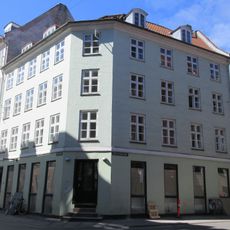
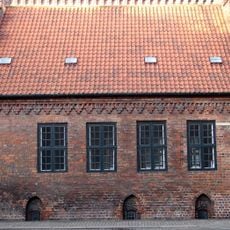
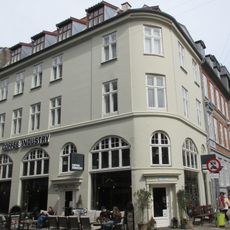
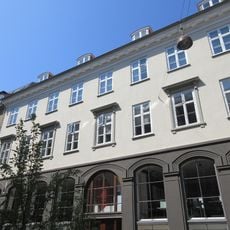
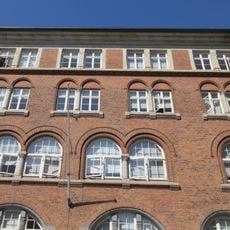
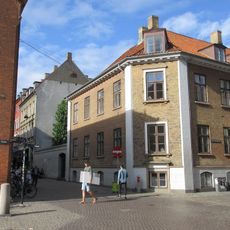
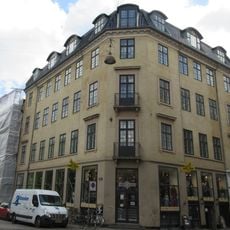
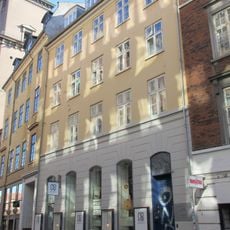
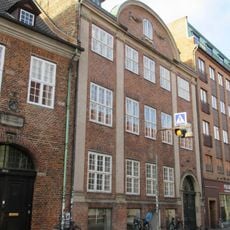
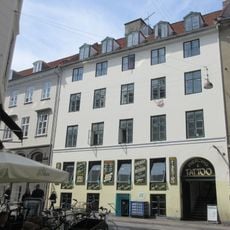
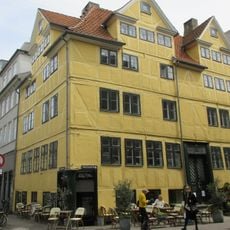
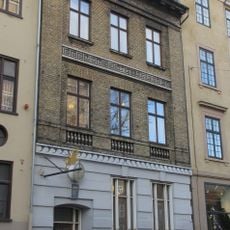
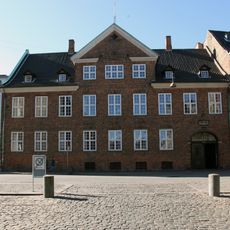
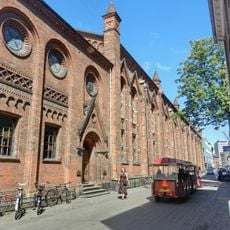
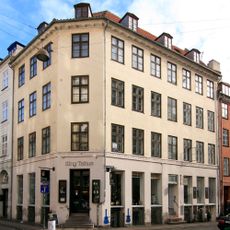
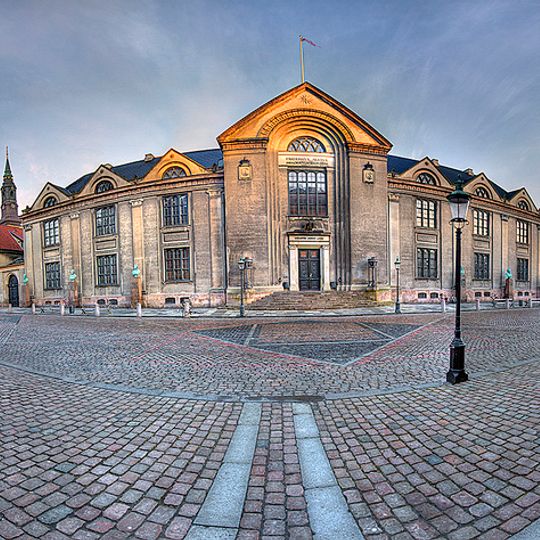
The campus quarters spread across different neighborhoods of Copenhagen, each maintaining its own architectural character and academic focus. Students gather in courtyards between lectures, using public spaces that connect historic buildings with contemporary research facilities.
The different campus sites are scattered throughout the city and can be reached using public transport. Many buildings remain open to visitors during daytime hours, though some libraries and lecture halls get particularly busy during term time.
Ten Nobel laureates emerged from research work conducted here, with their discoveries influencing different fields of science. The scientific activity leads to the creation of roughly three hundred new companies each year, stemming from projects developed within the institution.
The community of curious travelers
AroundUs brings together thousands of curated places, local tips, and hidden gems, enriched daily by 92,439 contributors worldwide.