Rudkøbing, human settlement in Denmark
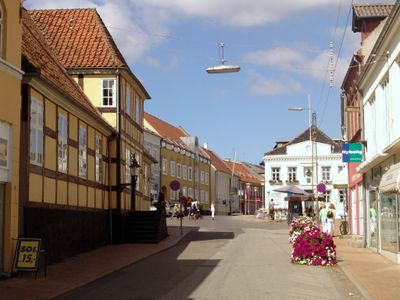
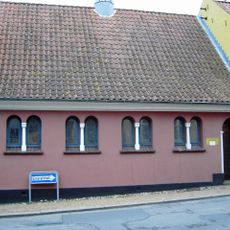
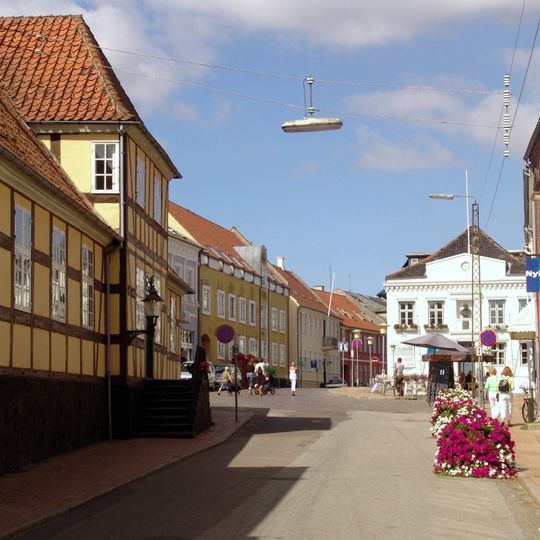
Rudkøbing is a small town on Langeland island with narrow streets, cobblestone pavement, and merchant houses from previous centuries. The buildings display coherent architecture of wood and stone structures that define this harbor town's character.
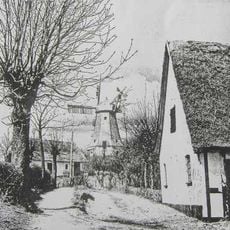
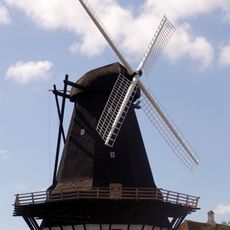
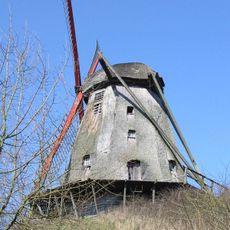
The town received its first merchant privileges in 1287 and remained an important trading center over the centuries while avoiding major industrial development. A mill on the rampart from the 1600s still stands today, showing the continuity of its economic history.
The town serves as a center for local arts and crafts, with galleries and workshops showcasing work by regional artisans. Its identity remains rooted in its merchant past, which continues to shape how people use the streets and squares for trade and gathering.
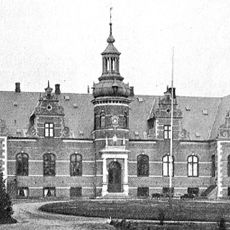
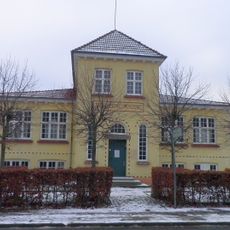
The local museum and town archive are located in an old train station building where visitors can learn more about the area's history. Cafes and restaurants line the pedestrian streets with fish dishes and international options, while the harbor invites walking and exploration.
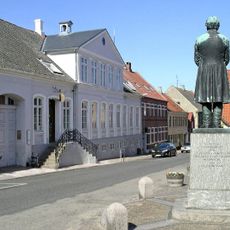
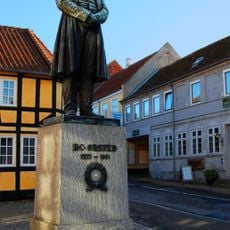
H. C. Örsted, the famous discoverer of electromagnetism, grew up in Rudkøbing and his statue marks Gåsetorvet square today. His childhood home near the square and the monument remind visitors of this town's unexpected scientific connection.
The community of curious travelers
AroundUs brings together thousands of curated places, local tips, and hidden gems, enriched daily by 92,727 contributors worldwide.