Ørstedsparken, Public park in central Copenhagen, Denmark
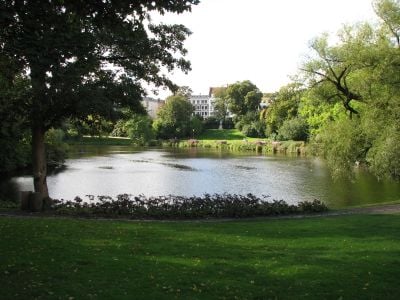
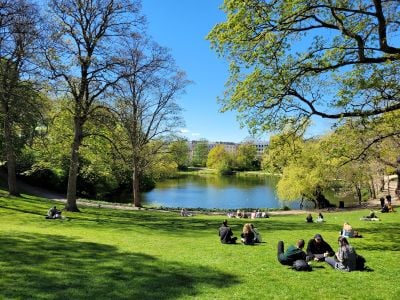
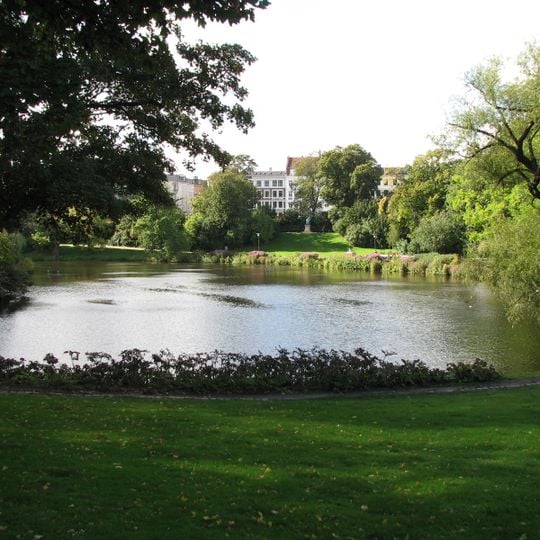
Ørstedsparken is a public park in the center of Copenhagen, built around an elongated lake that was once part of the city's fortress moat system. The ground is shaped by low hills that trace the lines of old defensive bastions, and the park includes playgrounds, public grills, a cafe pavilion, and several entrances from the surrounding streets.
The park was laid out in 1879 on land that had served as part of Copenhagen's old fortification ring, which was decommissioned in the second half of the 19th century. Landscape architect Henrik August Flindt designed the grounds, turning a former military zone into a public garden open to all residents.
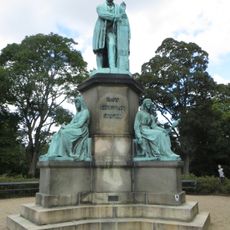
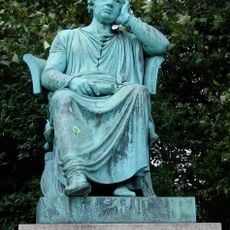
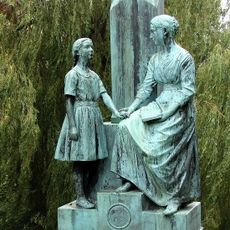
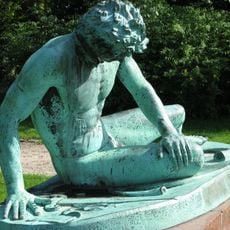
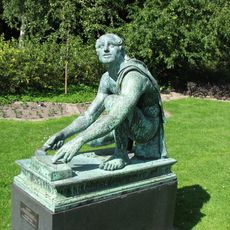
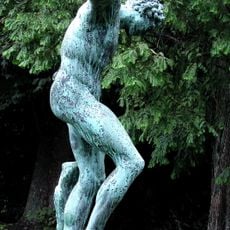
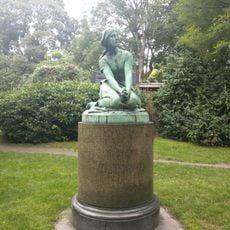
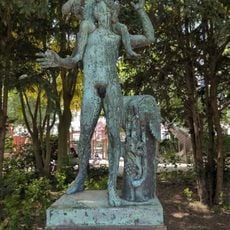
The park takes its name from the Danish brothers Hans Christian and Anders Sandøe Ørsted, and monuments to both can be found along its paths. The monument to Hans Christian Ørsted, who discovered electromagnetism, tends to draw the most attention from visitors passing through.
The park can be entered from several surrounding streets, so it is easy to pass through on foot from different directions without needing to plan a specific route. Visiting in spring or early summer gives the best sense of the place, as the paths, lake, and open areas are at their most inviting.
Each spring, around 26,000 Dutch crocuses bloom in blue, yellow, and white near the H.C. Ørsted monument, a planting introduced after World War II. Many first-time visitors walk past without realizing this annual display was added as a deliberate tribute to the park's namesake.
The community of curious travelers
AroundUs brings together thousands of curated places, local tips, and hidden gems, enriched daily by 90,919 contributors worldwide.