Veisiejai Manor, residential manor in Lithuania
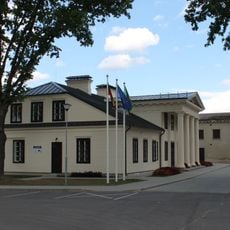
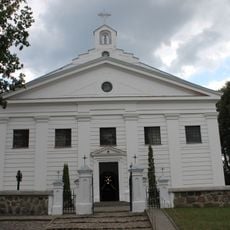
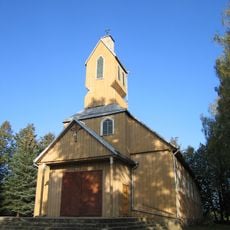
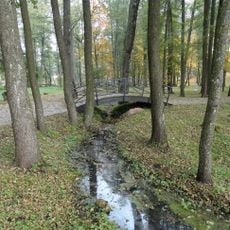
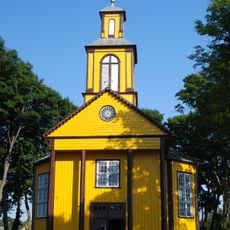
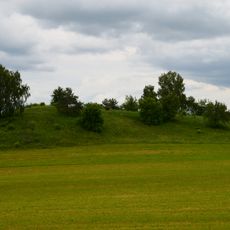
Veisiejai Manor is a classicism-style manor house in Lithuania situated within one of the country's oldest parks. The building is a brick structure with a plastered surface, and today only one wing remains standing, serving as a visitor center, though it was originally part of a U-shaped palace built by Grand Hetman Mykolas Juozapas Masalskis.
The manor was founded in the early 1500s when Grand Duke Alexander granted it to the Glinski family. Over centuries it changed hands several times, eventually reaching the Masalski family, who in the 18th century built the neoclassical palace with its distinctive two-wing design.
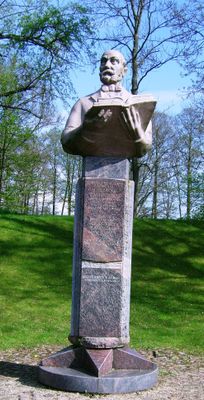
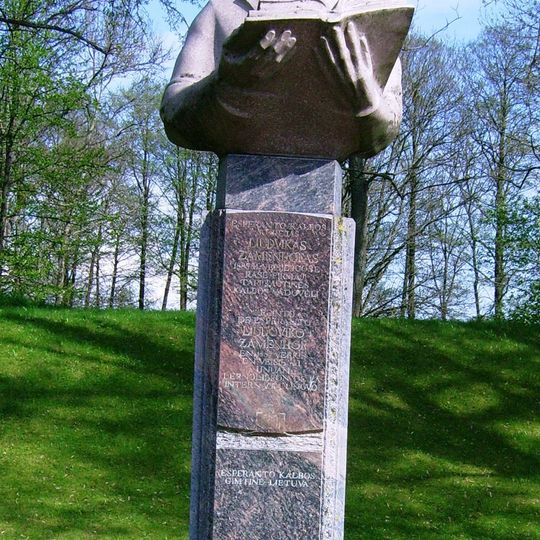
The name Veisiejai reflects the Lithuanian heritage of the region, long associated with noble families and their estates. The place gained cultural significance through Ludwik Zamenhof, who completed his Esperanto textbook here while finding inspiration in the park's shaded paths.
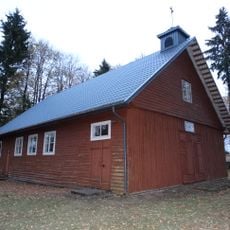
The grounds are easily accessible and recent renovations since 2015 have improved visitor facilities and orientation. The visitor center in the remaining wing provides information about the estate's history, while the park's well-maintained paths are straightforward to explore at a relaxed pace.
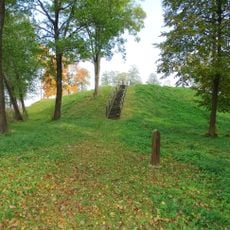
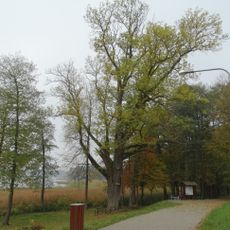
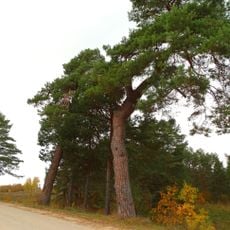
The park contains a rare circular arrangement of twenty-two linden trees instead of the typical straight alleys found elsewhere. An ancient ash tree standing about 200 years old serves as a quiet witness to generations, giving the place a singular sense of deep continuity.
The community of curious travelers
AroundUs brings together thousands of curated places, local tips, and hidden gems, enriched daily by 91,388 contributors worldwide.