Dintr-un lemn, Orthodox monastery in Dezrobiți, Romania
Dintr-un Lemn is an Orthodox monastery in the village of Dezrobiți, consisting of multiple buildings including a wooden church and a stone church with traditional Romanian elements. The structures display ornate carvings and painted walls typical of the region's religious architecture.
The first documentary mention dates from 20 April 1635. A 1640 charter of Matei Basarab records that he rebuilt the monastery from its foundations, and the 1715 dedicatory inscription of the stone church confirms this. The Arab traveller Paul of Aleppo, visiting around 1653–1658, instead names the boyar Preda Brâncoveanu as founder; the founders' portrait in the stone church's narthex suggests both men contributed. After restoration in 1938–1940 by the Ministry of Air and Navy, the site became a place of prayer for aviators and sailors.
The name comes from the legend that a shepherd named Radu, during the reign of Alexandru II Mircea (1568–1577), dreamed of the icon of the Virgin Mary, cut down the oak in which it was found and built a small church from its wood. The icon kept in the church is the reason the community exists; its origin is disputed, with opinions placing its painting in 4th-century Greece or later at Byzantium or Mount Athos.
The monastery sits in a rural area and is best reached by car or taxi, as there are no direct public transportation options. Visitors should wear comfortable shoes since the grounds are hilly and accessing some areas requires walking.
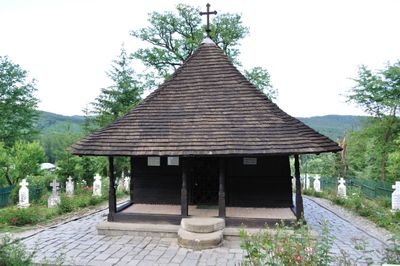
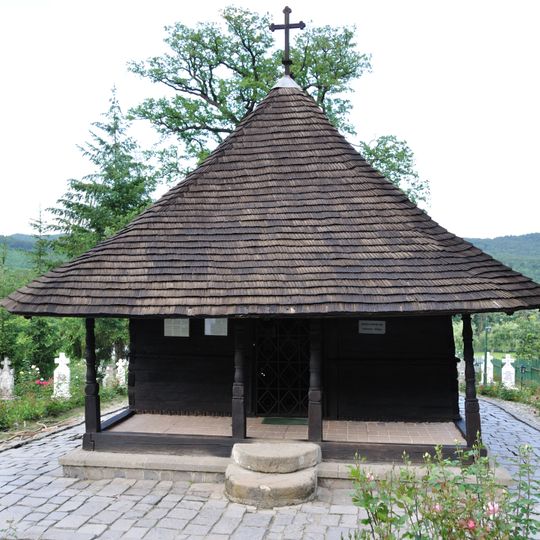
The wooden church was built from the oak in which the icon of the Virgin was found, according to the 1745 account of Metropolitan Neofit of Crete: a shepherd named Radu dreamed of the icon during the reign of Alexandru II Mircea (1568-1577) and cut the tree to build the chapel. The name Dintr-un Lemn means "from one wood".
The community of curious travelers
AroundUs brings together thousands of curated places, local tips, and hidden gems, enriched daily by 93,696 contributors worldwide.