National Park Munții Măcinului, National park in eastern Romania.
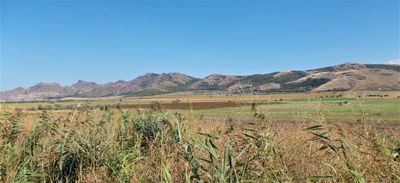
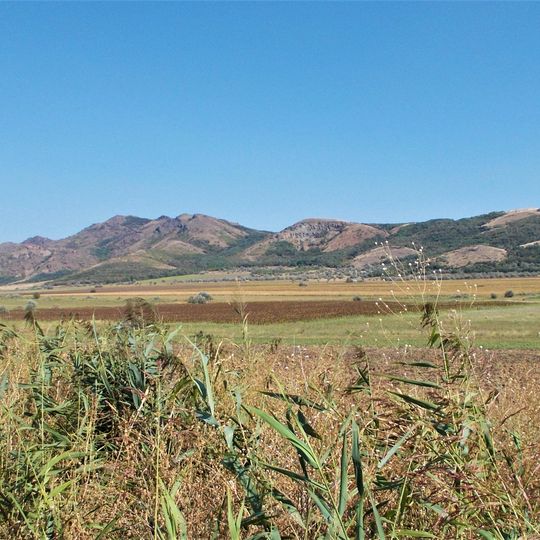
National Park Munții Măcinului is a protected reserve in eastern Romania featuring ancient mountain formations shaped by geological processes over millions of years. The landscape transitions between Mediterranean and subcontinental climate zones, creating habitats for diverse wildlife and plant communities.
The protected area was established in 2000 to safeguard one of Romania's oldest mountain ranges. These mountains formed during the Hercynian orogeny, a geological event that shaped some of Europe's most ancient peaks.
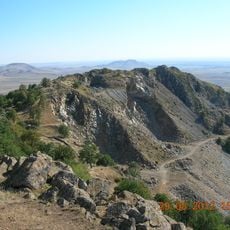
The park's name comes from the Măcin Mountains, and its trails pass the "Ohren", "Dinosauriereier" and "Dobrudscha-Sphinx" rock formations, named by locals for their shapes. The Dealul Bujorului reserve protects a forest of oaks with wild peonies, which flower in spring. Six plant species here, among them Campanula romanica and Dianthus nardiformis, are on Europe's strictly protected list.
Visitors can explore numerous hiking trails throughout the park and use information centers for guidance. Lodging options range from camping areas to guesthouses located near the park entrance.
The park's scientific reserves, Moroian and Valea Fagilor, protect a beech species found elsewhere only in Crimea. The park also holds the Dealul Bujoarele fossil site and rock formations nicknamed the "Ears", "Dinosaur Eggs" and the "Dobrudscha Sphinx".
The community of curious travelers
AroundUs brings together thousands of curated places, local tips, and hidden gems, enriched daily by 94,790 contributors worldwide.