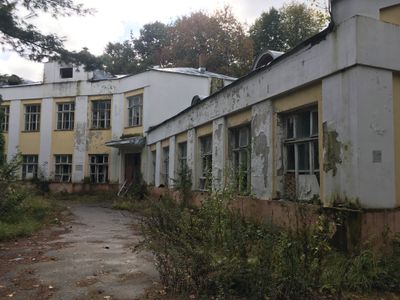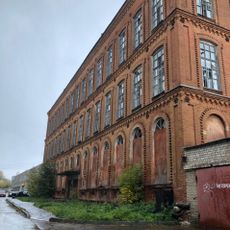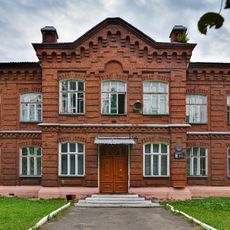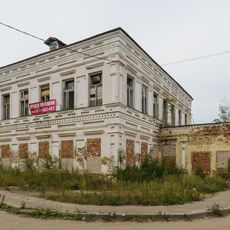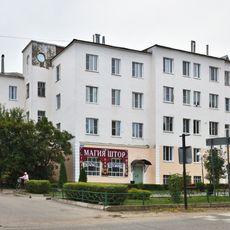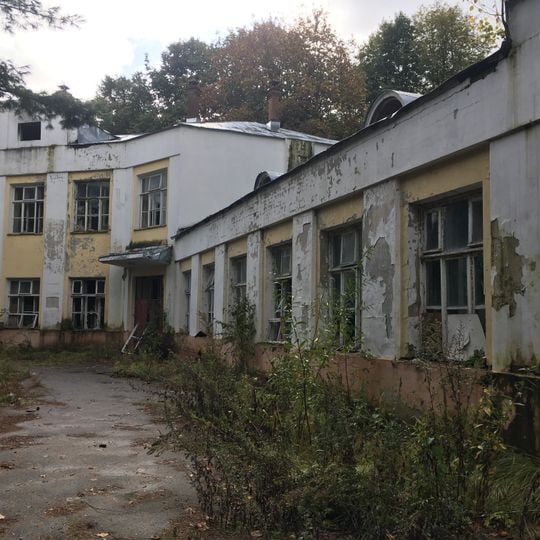
Противотуберкулезный диспансер, Tuberculosis dispensary in Rodniki, Russia
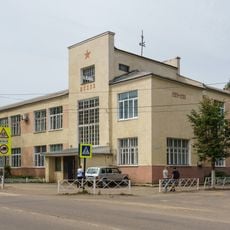
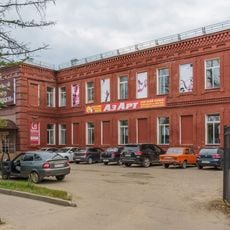
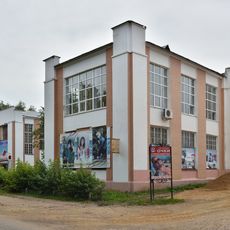
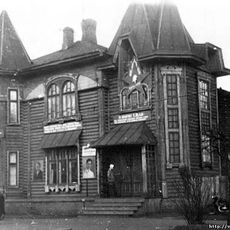
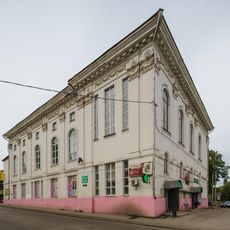
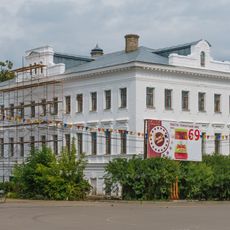
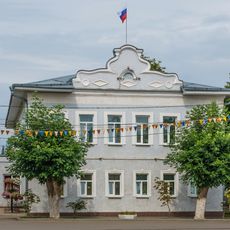
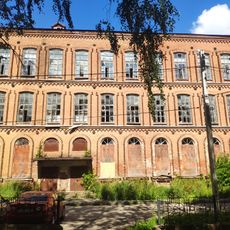
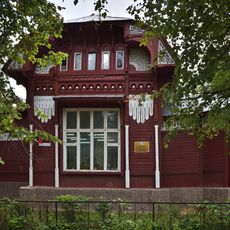
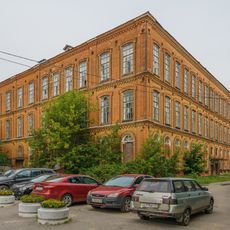
This tuberculosis dispensary in Rodniki combines three architectural styles - constructivism, neoclassicism, and Art Nouveau - visible in its structural form and decorative exterior. The building blends functional medical design with ornamental details, creating a structure that reflects multiple design approaches of its time.
Established in 1926, this facility emerged when Russia was building specialized centers to combat widespread tuberculosis. The structure represents a time when medical institutions were built with architectural care to express both practical function and public importance.
The building reflects its role in early modern healthcare and shows how medical institutions were designed with artistic ambition during that era. Walking past, you notice the care taken in both functional planning and decorative details that suggest importance given to public health facilities.
The building remains in active use as a medical facility, so access to viewing its interiors may be limited or require prior arrangement. It is best to inquire locally about visiting options and which areas of the structure can be observed from outside or by appointment.
The structure preserves its original architectural elements from 1926 remarkably intact, making it a rare example of constructivist-neoclassical fusion that remains unaltered. This frozen moment in time offers a direct window into how early Soviet medical facilities were imagined and decorated when built.
The community of curious travelers
AroundUs brings together thousands of curated places, local tips, and hidden gems, enriched daily by 91,770 contributors worldwide.