Russia, Transcontinental country in Europe and Asia.
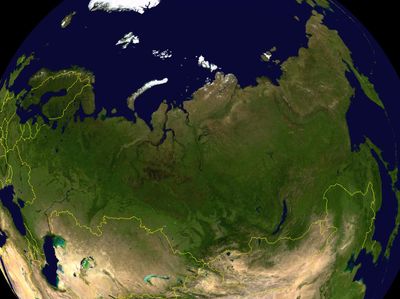
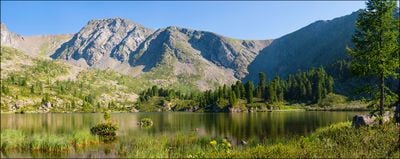
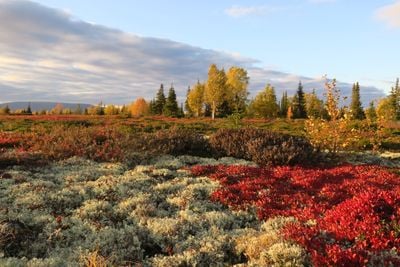
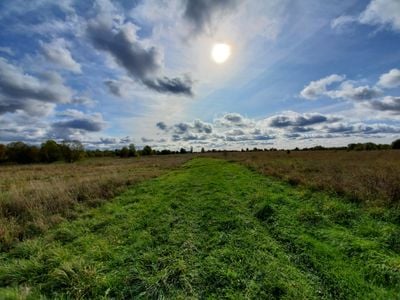
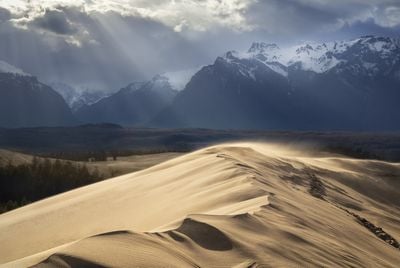
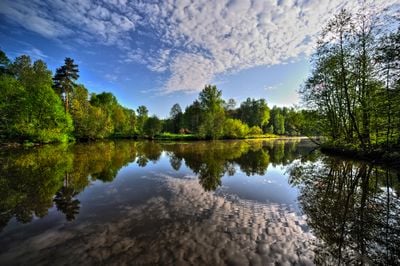
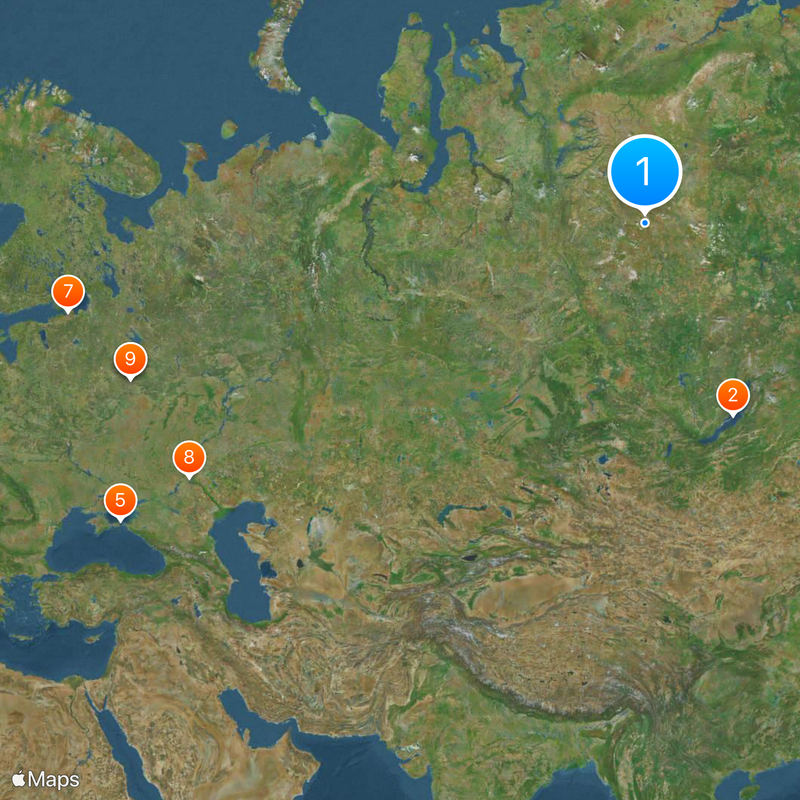
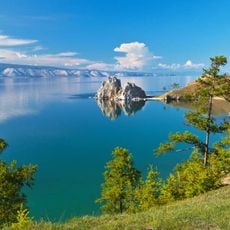
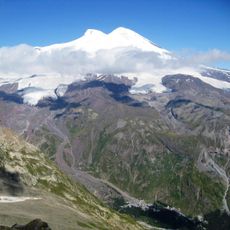
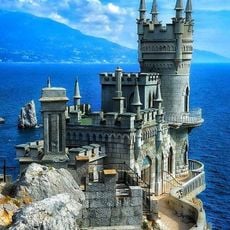
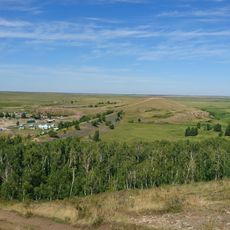
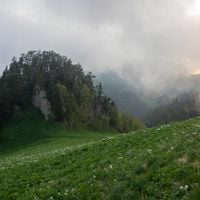
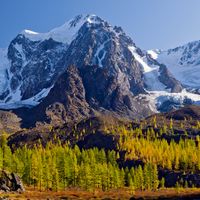
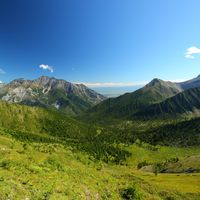
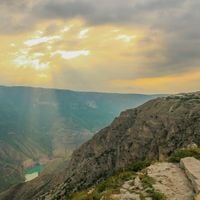
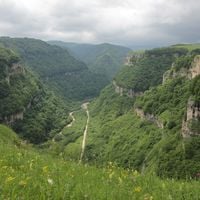
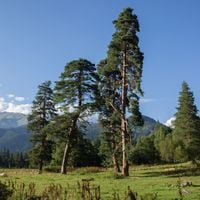
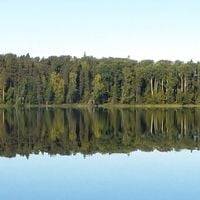
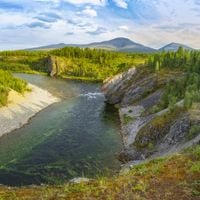
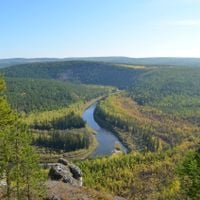
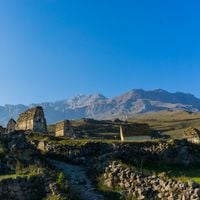
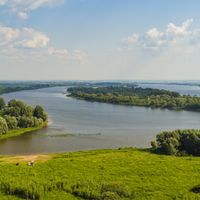
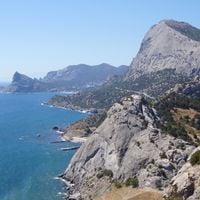
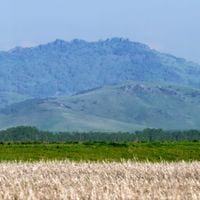
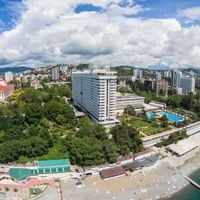
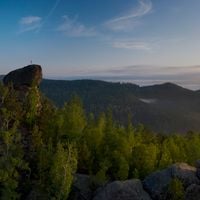
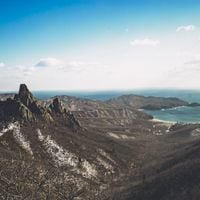
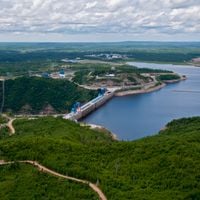
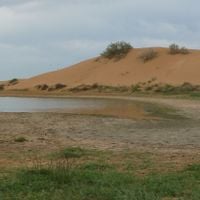
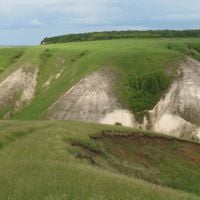
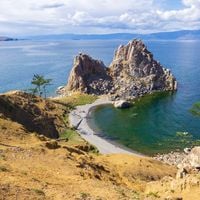
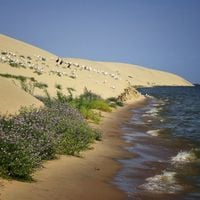
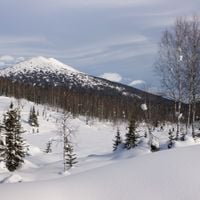
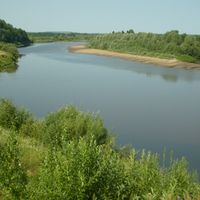
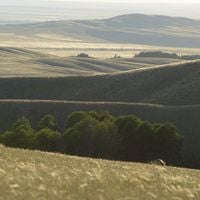
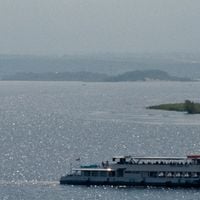
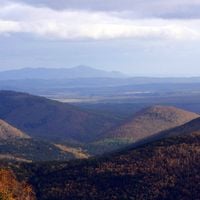
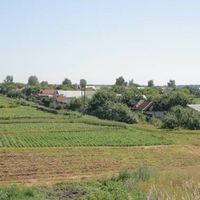
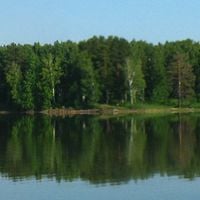
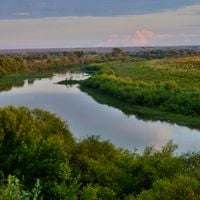
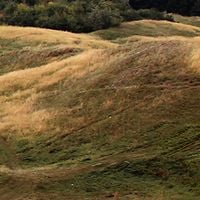
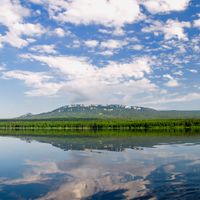
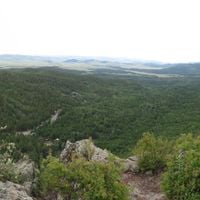
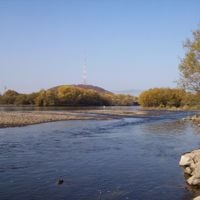
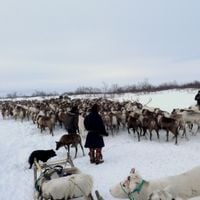
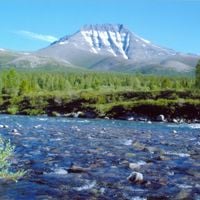
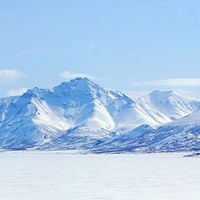
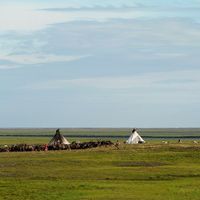
This federation reaches from the Gulf of Finland to the Bering Strait, covering forests, steppes, mountain ranges like the Caucasus and the Urals, and Siberian plains. The landscape shifts from Arctic tundra in the north through vast taiga in the middle to subtropical shores along the Black Sea in the south.
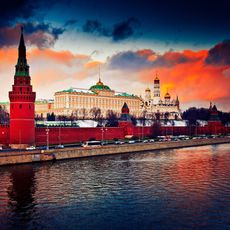
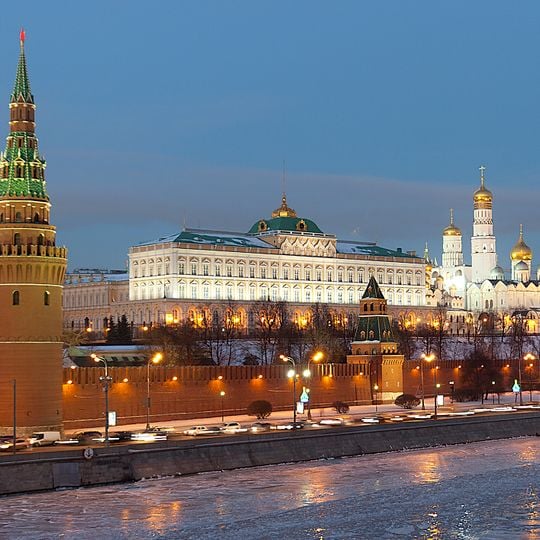
The tsardom emerged in the 16th century from the Grand Duchy of Moscow and pushed eastward to the Pacific. After the 1917 revolution, the Soviet Union formed and broke apart in 1991 into separate independent states.
Russian literature and performing arts feature works by authors like Tolstoy and Dostoevsky, composers such as Tchaikovsky and Stravinsky, and the Mariinsky and Bolshoi ballet companies.
Visitors should allow several weeks for visa processing and obtain an invitation letter through a licensed tourism company or hotel. Because of the enormous size, choosing one region helps keep travel distances manageable.
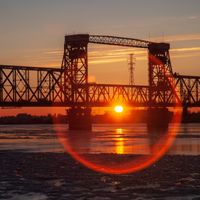
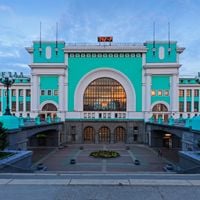
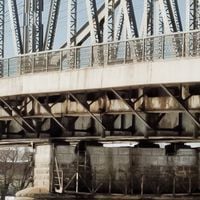
The Trans-Siberian Railway links Moscow with Vladivostok over a route of more than 9,000 kilometers through seven time zones. Travelers can watch the gradual shift from European forests to Asian steppes during the journey.
The community of curious travelers
AroundUs brings together thousands of curated places, local tips, and hidden gems, enriched daily by 60,000 contributors worldwide.