Murmansk Oblast, Administrative region in northwestern Russia.
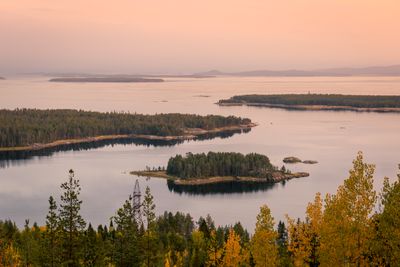
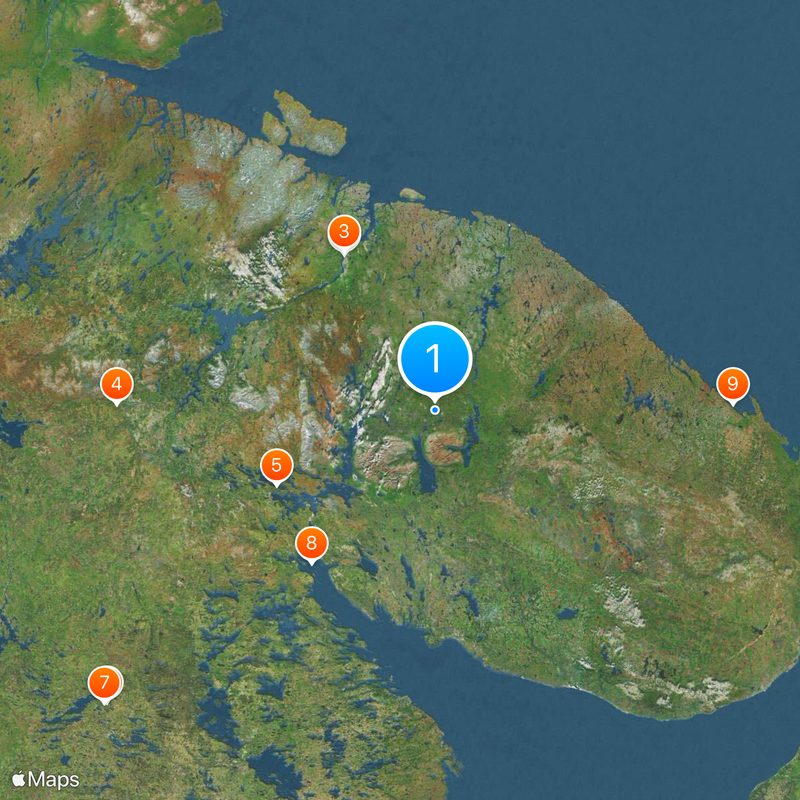
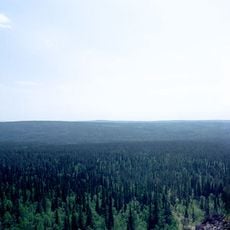
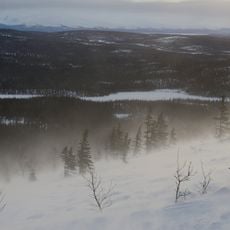
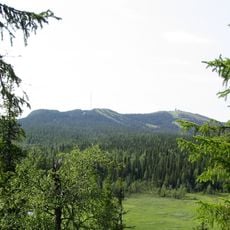
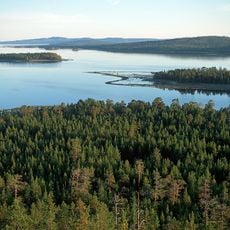
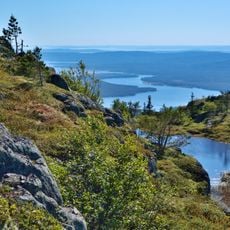
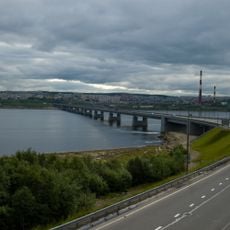
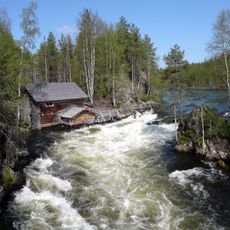
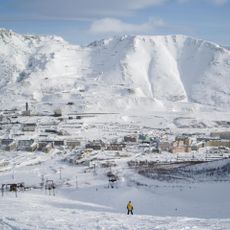
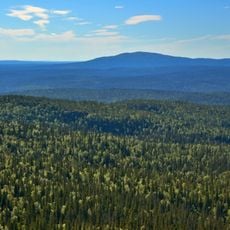
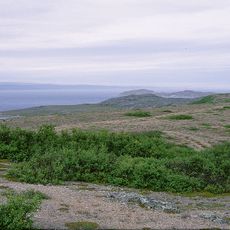
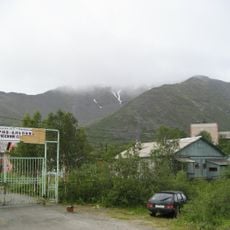
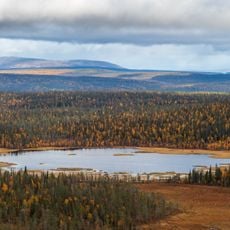
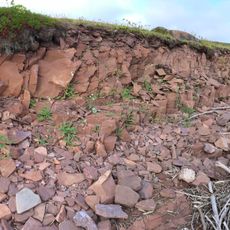
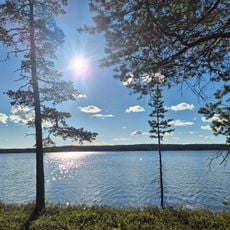
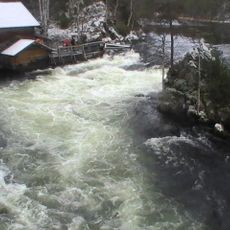
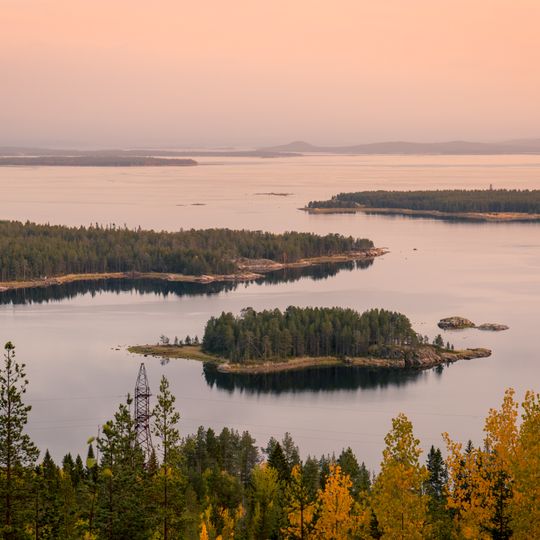
Murmansk Oblast is an administrative region in northwestern Russia that covers the entire Kola Peninsula between the Barents Sea and the White Sea. The landscape shifts between flat tundra plains along the coast and forested hills inland, crossed by countless rivers and lakes that shape the terrain.
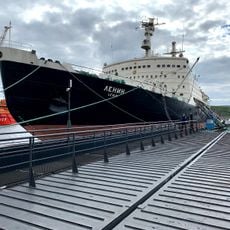
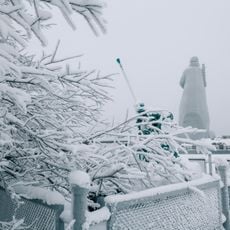
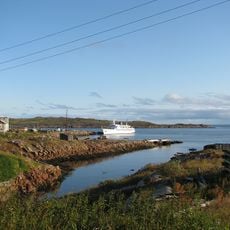
The region gained its current administrative status in 1938, after the port of Murmansk was established during World War I as a supply route for the Russian army. During World War II, the coast was heavily attacked by German forces attempting to disrupt strategic shipping to allied Russia.
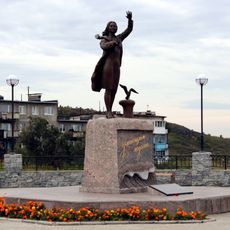
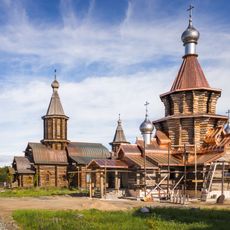
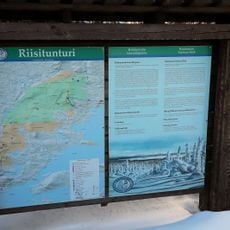
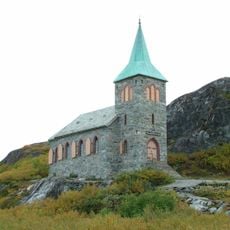
The area today retains traces of Saami presence in place names and smaller settlements near the Norwegian border, while Russian towns dominate the coastline. In larger cities along the Barents Sea, mixed traditions appear during festivals and in local cuisine that combines Arctic ingredients with Russian recipes.
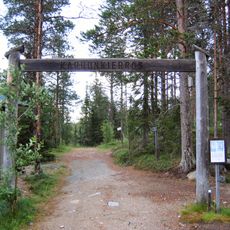
The region is accessible year-round through the port of Murmansk and by air connections, though winter months may bring longer travel times. Visitors heading inland should prepare for unpaved roads and limited infrastructure outside coastal towns.
The entire region lies north of the Arctic Circle, so visitors can experience continuous darkness between December and January and continuous daylight between May and July. In the mountains at the center of the peninsula, mineral deposits occur that are found in only a few other places on Earth.
The community of curious travelers
AroundUs brings together thousands of curated places, local tips, and hidden gems, enriched daily by 92,046 contributors worldwide.