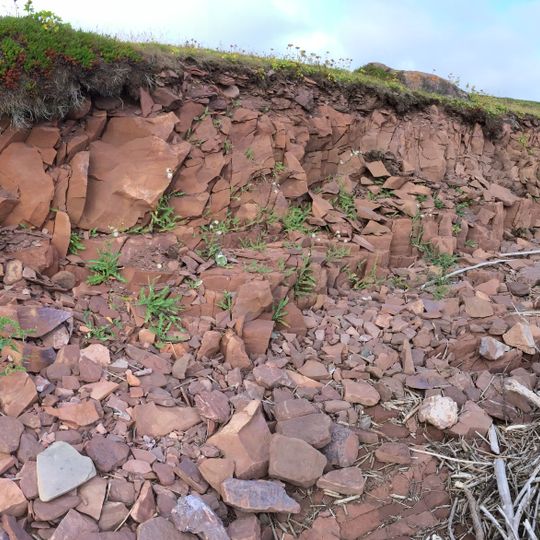
Cape Korabl, Natural monument in Murmansk Oblast, Russia
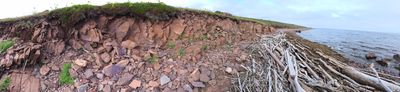
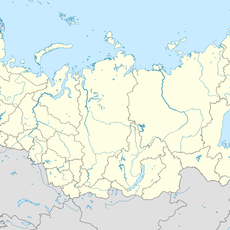
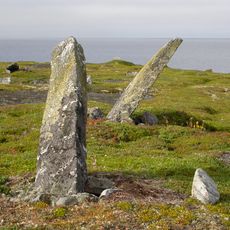
Cape Korabl is a 5-hectare geological nature monument on the Tersky coast of the White Sea, in the southeastern Kola Peninsula, 35 metres from the shore and 280 metres west of the mouth of the Lodochy stream. Its low, steeply dropping headland is built of red Riphean sandstone coloured by limonite, cut by fluorite veins and small amethyst druses. An amethyst vein 20 by 5 metres and 15–20 cm thick crops out at the surface.
Pomors knew and worked the amethyst deposit at Cape Korabl from the 16th–17th centuries. The site became a state geological natural monument on 15 January 1986 by decision No. 24 of the Murmansk Oblast Executive Committee. Scientific work continued there, including a survey by the Geological Institute of the Kola Science Centre from 18 to 25 July 2003.
Pomors knew and worked the amethyst deposit here from the 16th–17th centuries, and the cape's stones were long used locally. The site is valued for aesthetic, educational and historical-cultural reasons, and the name Korabl ("ship") marks it as a landmark on the Tersky coast of the White Sea.
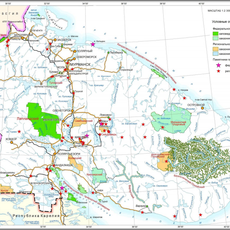
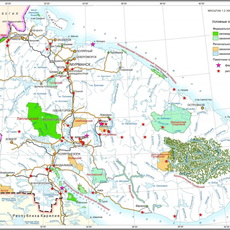
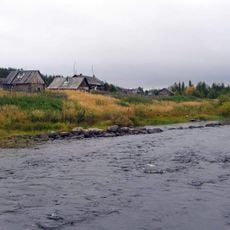
The monument lies on the Tersky Coast of the White Sea, 35 m from the shore and 80 m south of the Varzuga–Umba dirt road. The nearest villages are Kashkarantsy 17.5 km west and Varzuga about 37 km by road. The site covers 5 hectares; the climate is maritime, with the warmest month averaging 13.8°C and the coldest −11.4°C.
The amethyst crystals visible in the rock faces are particularly notable for their role in revealing Arctic geological processes that happen beneath the surface. This exposure of minerals makes the cape a natural laboratory for understanding how the Earth's crust formed in polar regions.
The community of curious travelers
AroundUs brings together thousands of curated places, local tips, and hidden gems, enriched daily by 94,758 contributors worldwide.