Republic of Crimea, Administrative region in southern Russia
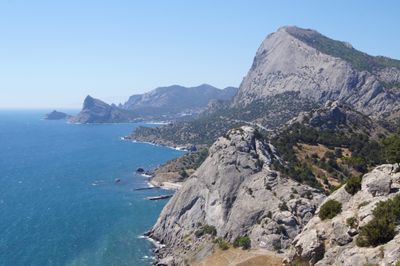
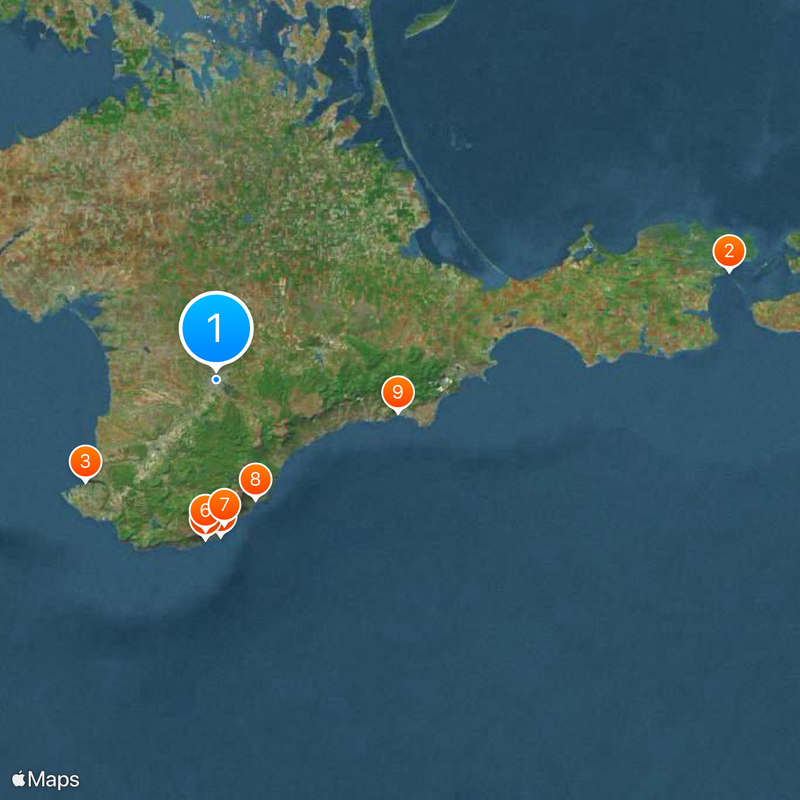
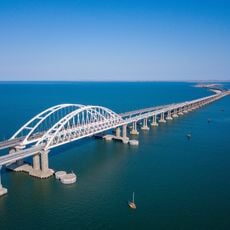
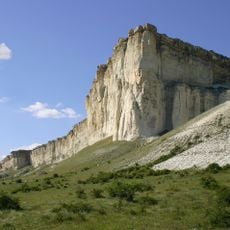
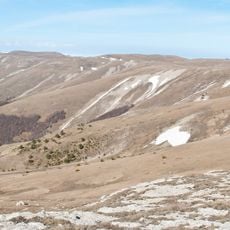
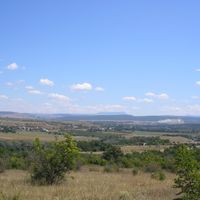
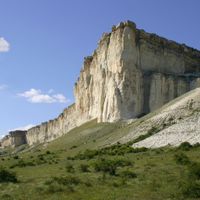
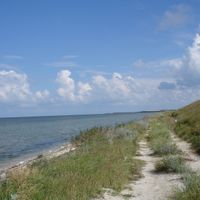
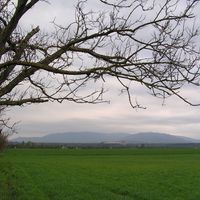
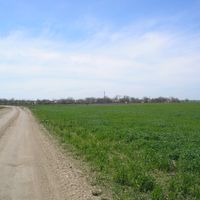
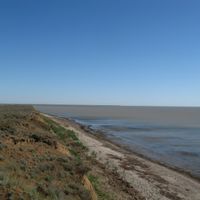
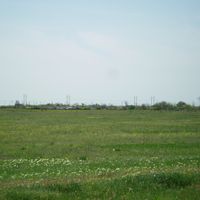
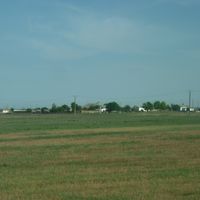
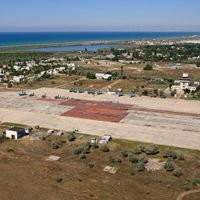
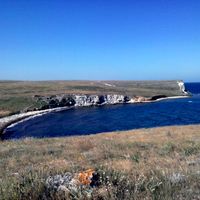
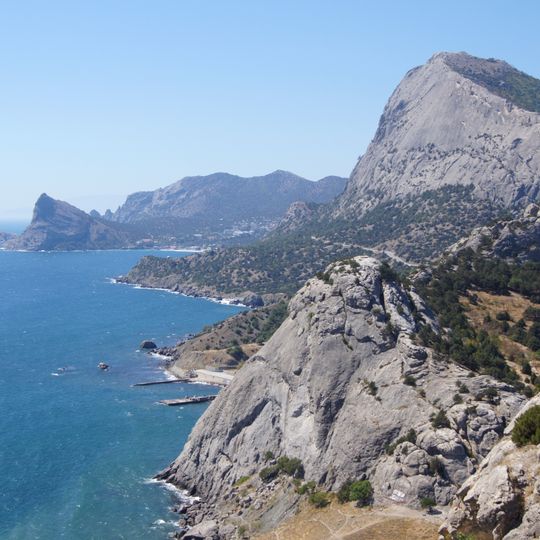
This administrative territory sits on a peninsula between the Black Sea and the Sea of Azov, connected to mainland Russia by a long bridge crossing the narrow strait. The land stretches across roughly thirty thousand square kilometers with mountains running through the center and flat steppes spreading north.
The territory became part of Russia in March 2014 following a disputed referendum not recognized by Ukraine and most countries. The international community still considers the peninsula Ukrainian territory under Russian control.
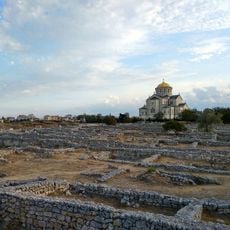
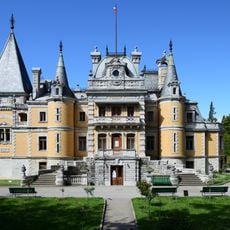
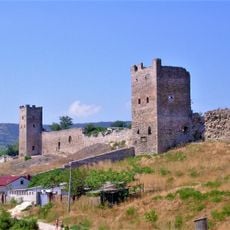
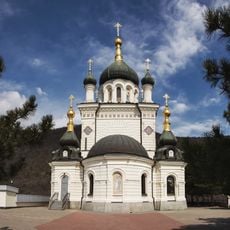
Russian, Ukrainian and Crimean Tatar communities live side by side and express their heritage through local markets, religious celebrations and everyday language. In many towns you can see different architectural styles and hear several languages spoken on the streets.
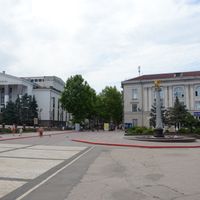
The capital Simferopol serves as the main transport hub with connections to all districts across the region. Due to the political situation, entering through certain border crossings may carry legal consequences in some countries.
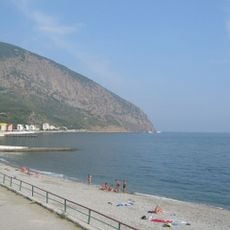
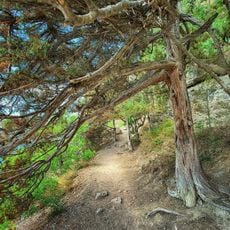
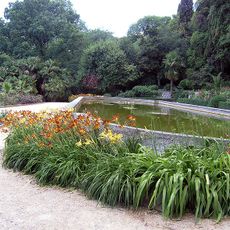
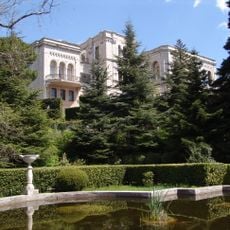
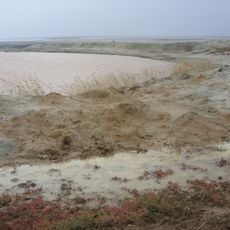
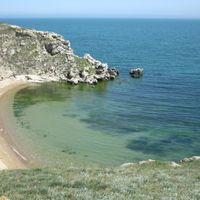
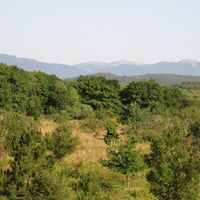
The peninsula shifts through three climate zones: dry steppe in the north, mountains in the middle and Mediterranean conditions along the southern coast. This variation shows in the vegetation and the daily life of people in different parts.
The community of curious travelers
AroundUs brings together thousands of curated places, local tips, and hidden gems, enriched daily by 90,770 contributors worldwide.