Chersonesus, Archaeological site in Sevastopol, Ukraine
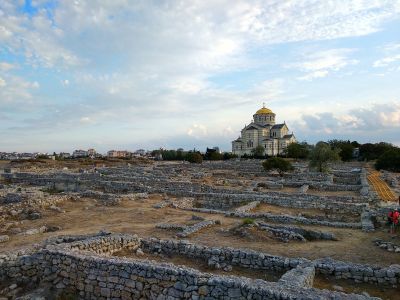
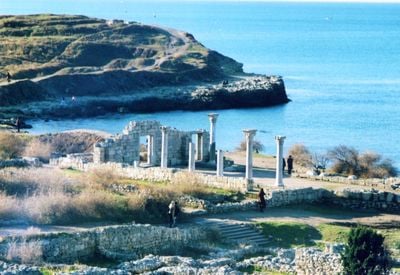
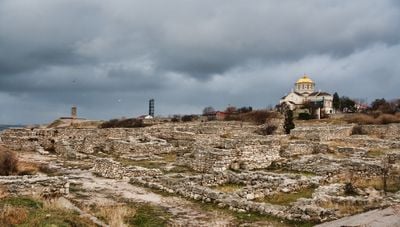
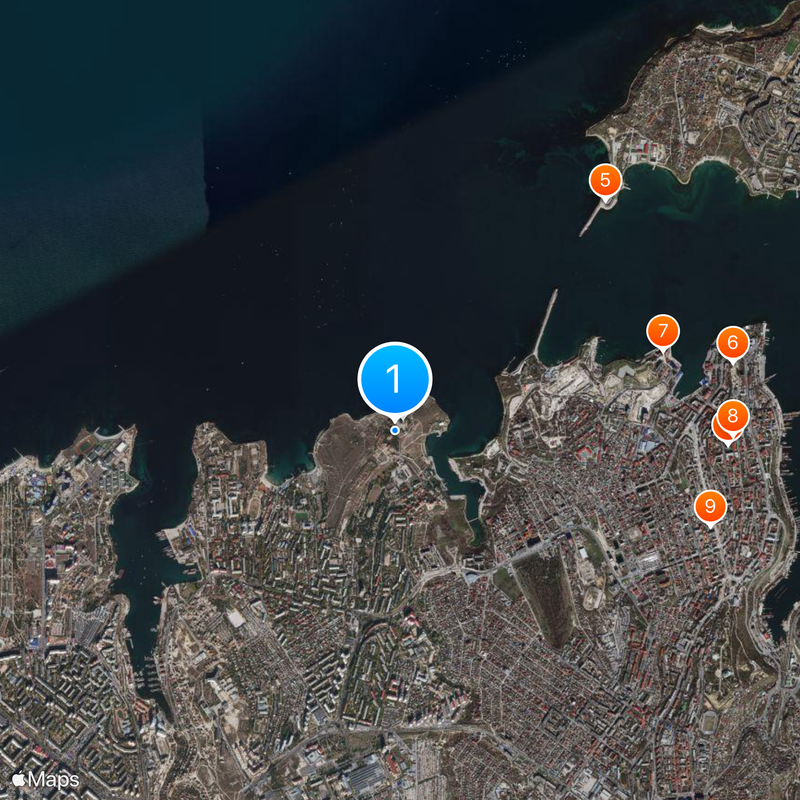
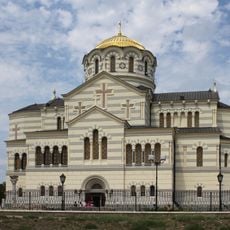
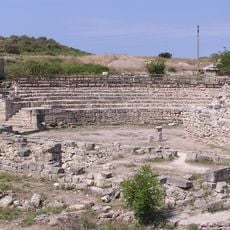
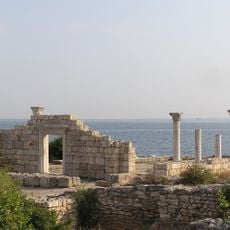
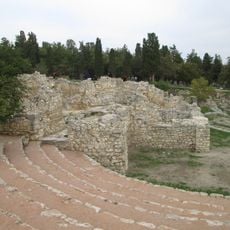
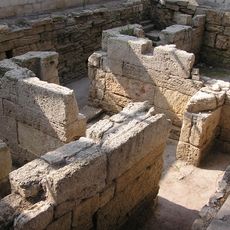
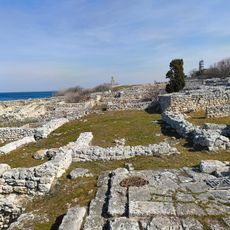
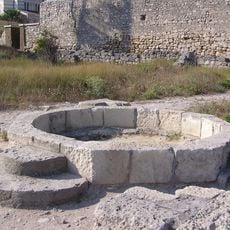
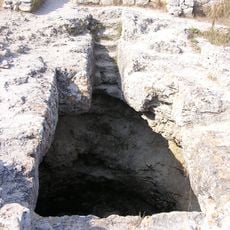
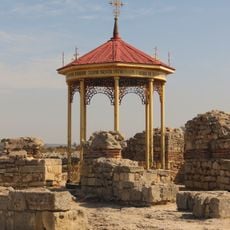
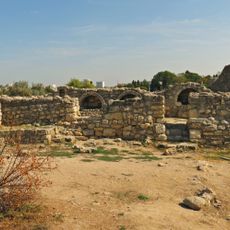
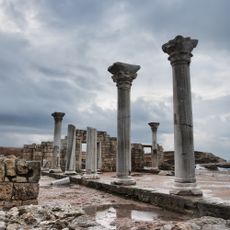
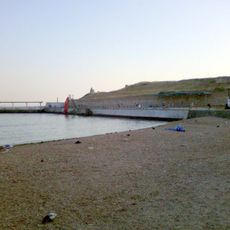
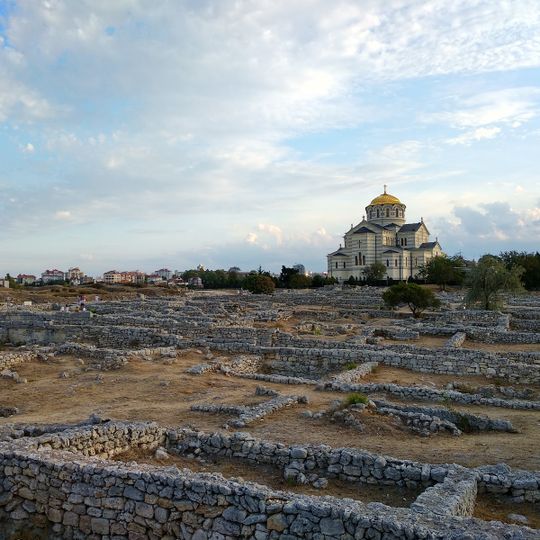
Chersonesus is an extensive ancient ruin site along the Black Sea coast near Sevastopol, documenting over 2,500 years of settlement. The remains include defensive walls, foundations of residential quarters, several early Christian basilicas, and a theater, all spread across a sprawling area bordered partly by the sea.
Greek colonists from Heraclea Pontica founded this settlement in the sixth century BC as a trading outpost on the Black Sea. It later came under Roman control before continuing as a Byzantine city into the medieval period, when it was eventually abandoned.
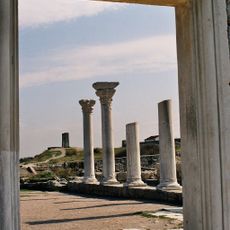
Local residents and travelers view the ruins as a testament to layered civilizations that once shared this coast, though political debates continue about which nation holds the heritage. People walk among the fallen columns and walls, connecting with the Greek, Roman, and Byzantine past that shaped the peninsula.
The site is sprawling and mostly unshaded, so visiting in early morning or late afternoon is advisable, especially during summer. Sturdy footwear is recommended, as many paths cross uneven stones and grass.
Among the remains is a stone inscription preserving a civic oath from the third century BC, listing the duties of inhabitants toward their polis. This rare document offers insight into the democratic self-understanding of an ancient Greek community at the edge of the known world.
The community of curious travelers
AroundUs brings together thousands of curated places, local tips, and hidden gems, enriched daily by 91,861 contributors worldwide.