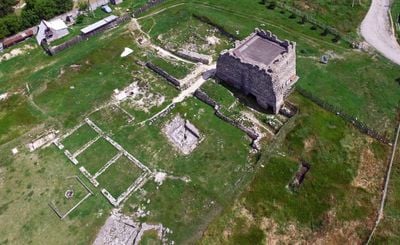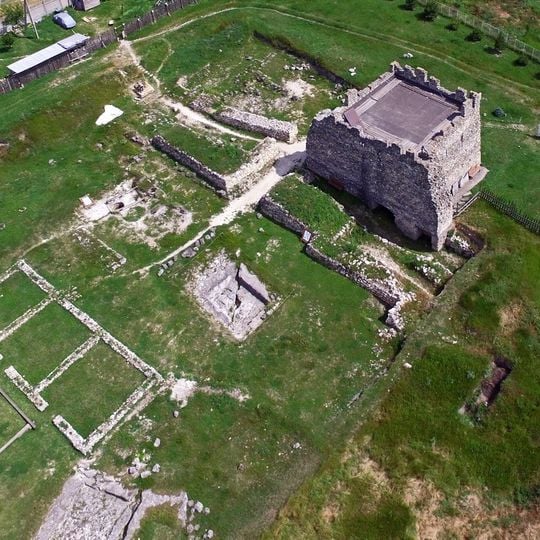
Scythian Neapolis, Archaeological site in Simferopol, Crimea.
The archaeological complex features extensive remains of defensive walls reaching twelve meters in height, residential buildings with Greek-influenced architecture, stone mausoleums, and burial chambers carved into rock formations that demonstrate sophisticated urban planning and construction techniques.
Founded in the third century BC by Scythian tribes after displacement by Sarmatians, Neapolis served as the capital of the late Scythian kingdom and flourished under rulers Skilurus and Palacus until its abandonment in the fourth century AD following Gothic and Hun invasions.
The site reveals a diverse population including Scythians, Sarmatians, Taurians, and Greeks who created a multicultural environment reflected in burial customs, architectural styles, religious practices, and artifacts that demonstrate extensive interaction between nomadic and Hellenic civilizations.
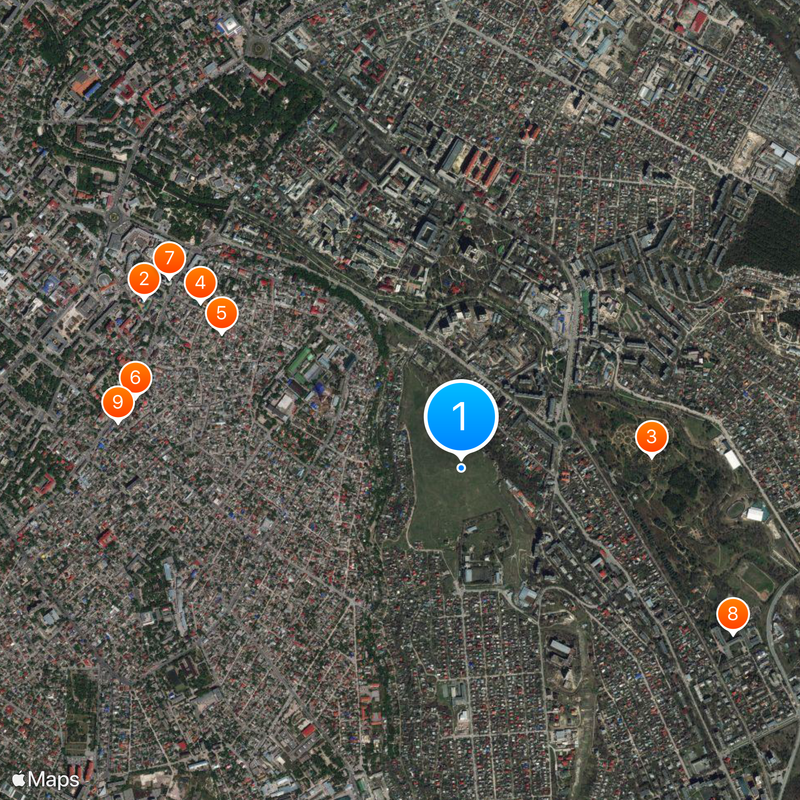
Located on the outskirts of Simferopol with road access for visitors, the twenty-hectare site offers guided tours, educational programs for students and researchers, and ongoing archaeological excavations that continue to uncover new findings about ancient Eurasian civilizations.
The mausoleum of King Skilurus contains his body adorned with gold plaques, silver and bronze brooches, and an iron helmet, while semi-permanent round dwellings resembling nomadic tents coexisted alongside Greek-style stone buildings within the fortified city.
The community of curious travelers
AroundUs brings together thousands of curated places, local tips, and hidden gems, enriched daily by 91,506 contributors worldwide.