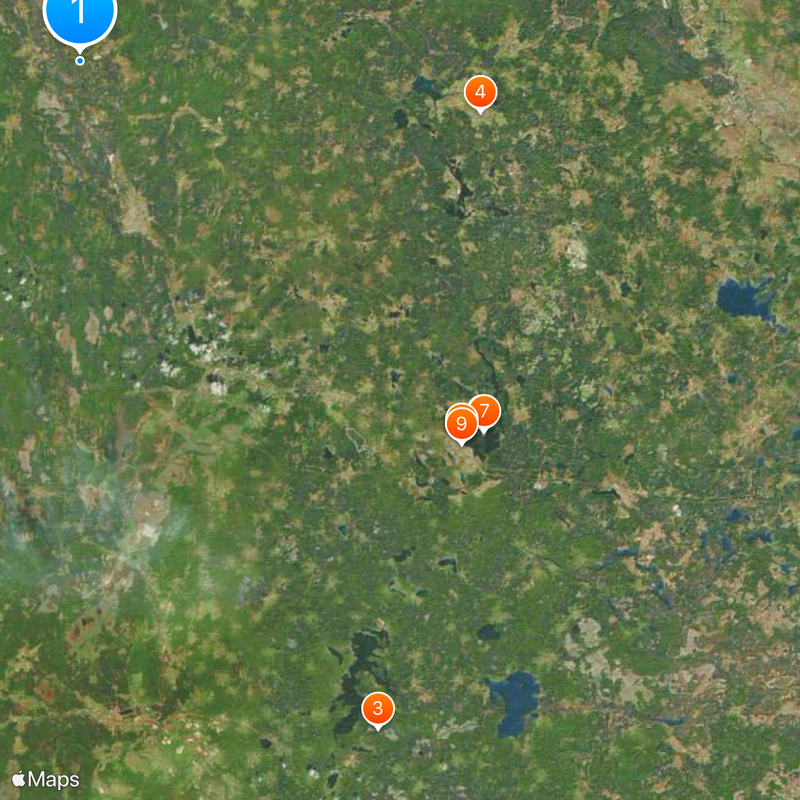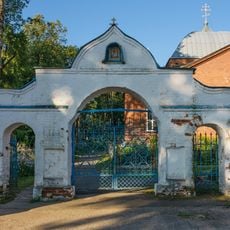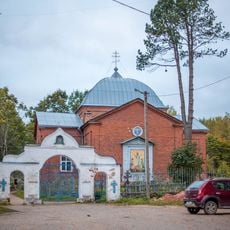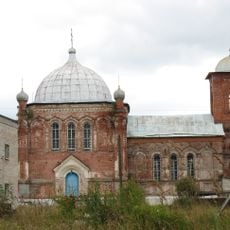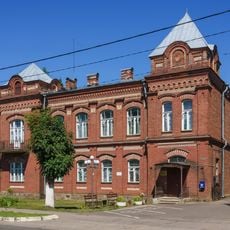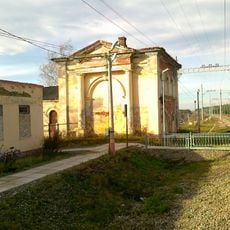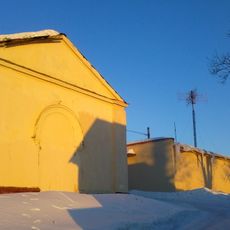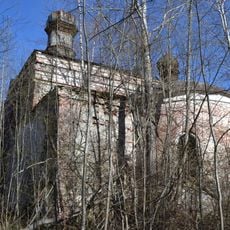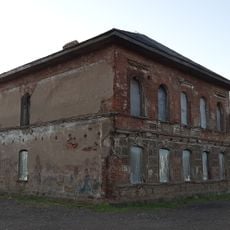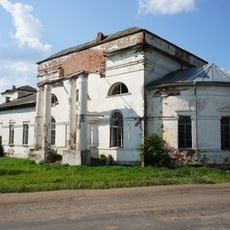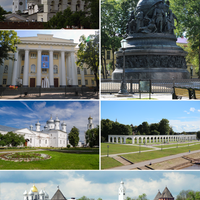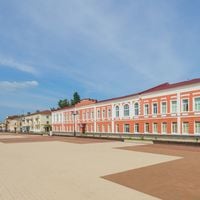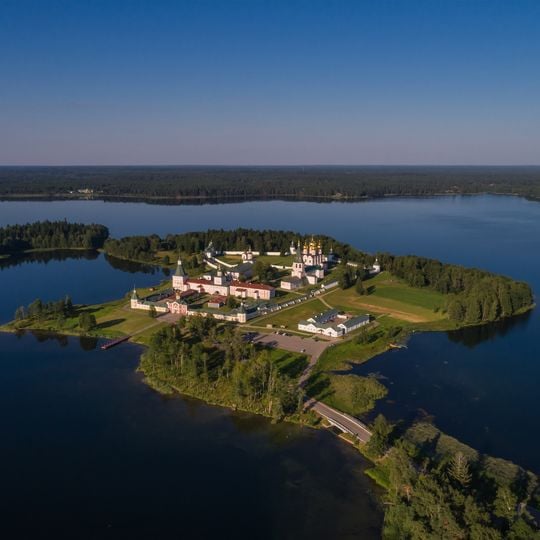
Novgorod Oblast, Administrative region in northwestern Russia
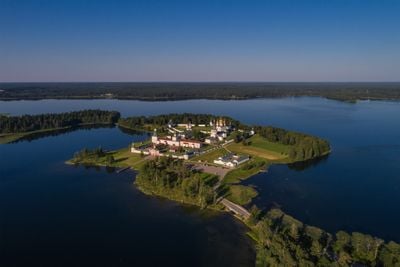
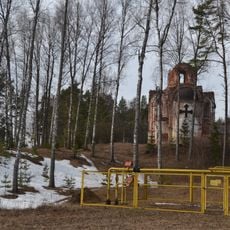
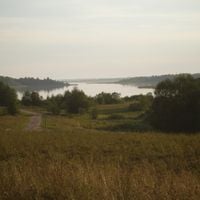
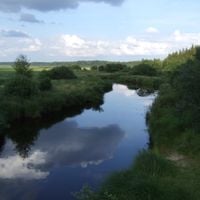
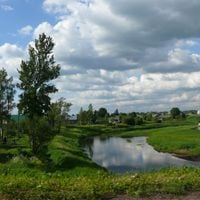
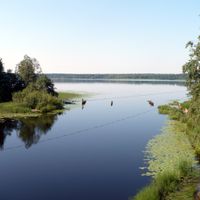
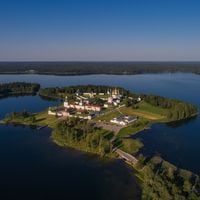
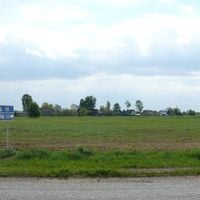
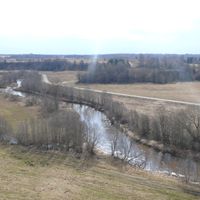
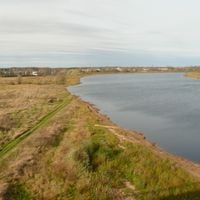
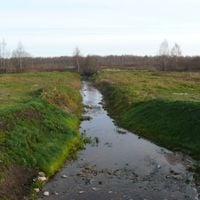
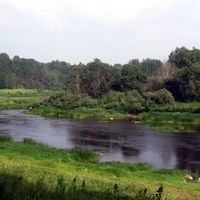
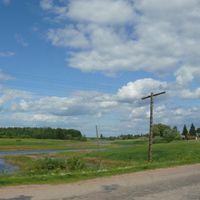
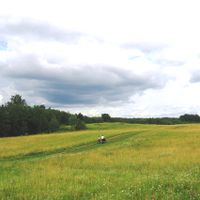
This administrative region in northwestern Russia covers forests, lakes, and the Valdai Hills. The landscape shifts between dense pine and birch forests and flat terrain around Lake Ilmen.
The region became known in the twelfth century as the center of a medieval trading republic. Control over trade routes between the Baltic and Caspian Seas brought prosperity to the area until Moscow annexed the city in 1478.
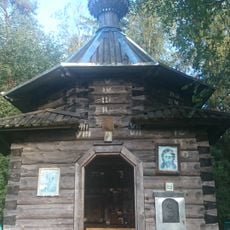
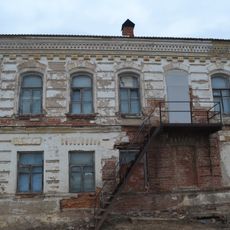
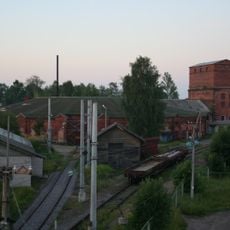
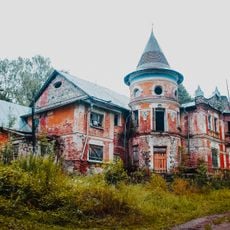
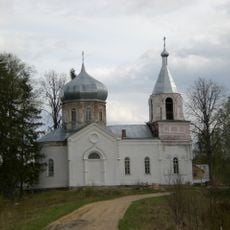
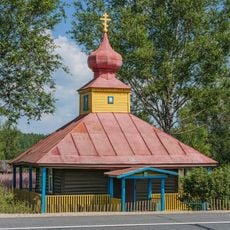
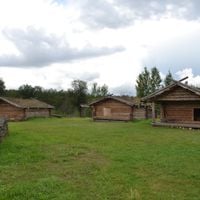
The name comes from the Old Russian words meaning "new city," and today the region shows a mix of traditional wooden construction in villages and Soviet-era housing in larger towns. Residents organize folk festivals where visitors can watch craftspeople practice birch bark carving and pottery work.
Travelers reach the region using the highway between Moscow and Saint Petersburg or by train. Local roads connect smaller towns, but some rural areas are best accessed with a personal vehicle.
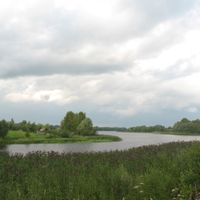
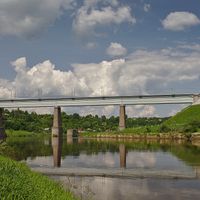
The region serves as a primary source for several major rivers that flow in different directions, channeling water toward the Baltic Sea, the Black Sea, and the Caspian Sea. This watershed made the area historically a hub for inland waterway travel.
The community of curious travelers
AroundUs brings together thousands of curated places, local tips, and hidden gems, enriched daily by 90,817 contributors worldwide.