Mount Elbrus, Dormant stratovolcano on the Kabardino-Balkaria–Karachay-Cherkessia border, Russia
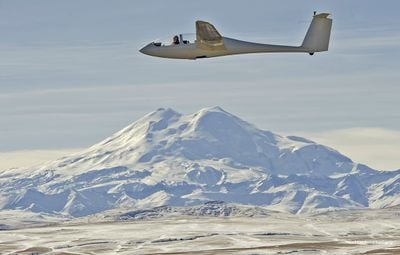
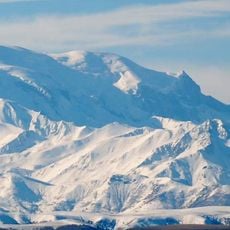
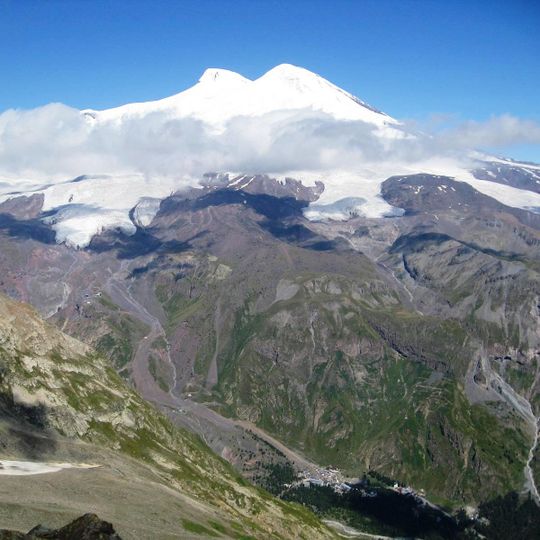
Elbrus rises as a pair of volcanic summits, the western one at 5642 meters and the eastern at 5621 meters above sea level. Both peaks stay covered in snow and ice throughout the year, while the lower slopes show meadows and rocky terrain in summer.
The first recorded climb of the eastern summit took place in 1829 by Khillar Khachirov, a local guide from the region. The higher western peak was only reached in 1874 by British mountaineer Frederick Crauford Grove.
The name Elbrus may derive from the Iranian Elburz, "high mountain"; Karachays and Balkars call it Mingi Taw, "Eternal Mountain", and Kabardians Oshkhamakho, "mountain of happiness". The saddle at 5416 m holds the highest refuge in the Caucasus, used by climbers on the way to the summits.
Cable cars carry hikers and climbers up to roughly 3800 meters, where different routes continue higher. Mountain huts along the ascent routes offer shelter and serve as stopover points for multi-day trips.
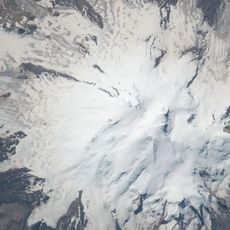
Twenty-two glaciers drape the slopes and feed several river systems that flow down into the plains. The ice streams are clearly visible from the valleys below and shape the look of the whole landscape.
The community of curious travelers
AroundUs brings together thousands of curated places, local tips, and hidden gems, enriched daily by 92,246 contributors worldwide.