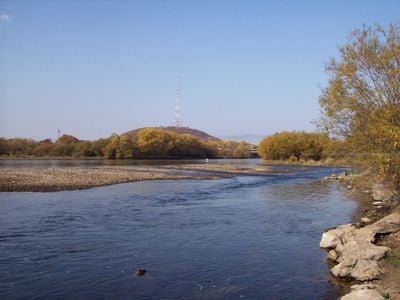
Jewish Autonomous Oblast, Administrative division in Far Eastern Russia.
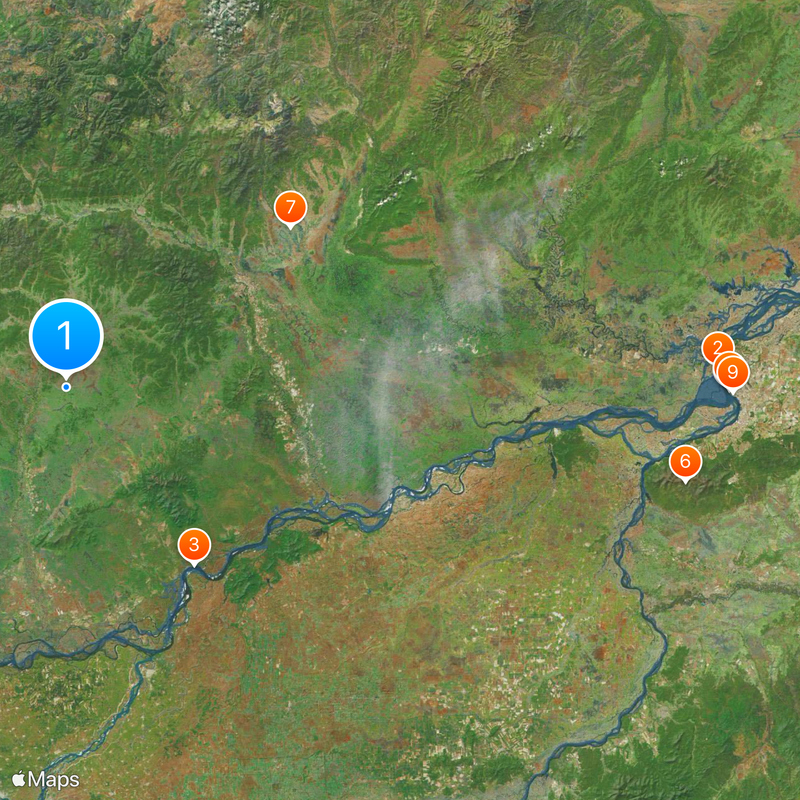
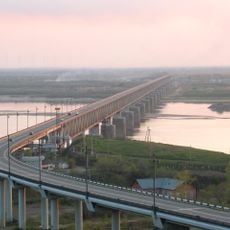
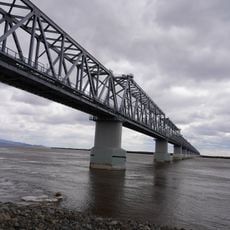
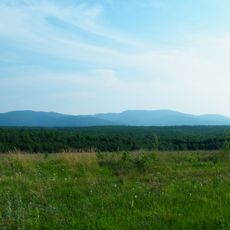
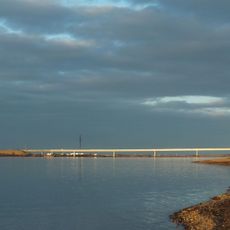
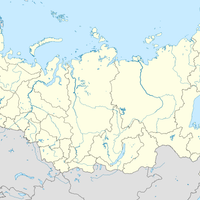
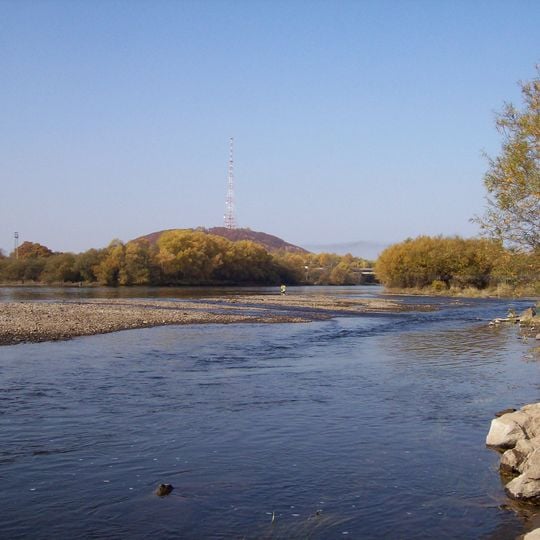
The territory is an administrative region in the Russian Far East that stretches between the Bureya Range and Lesser Khingan across roughly 36,000 square kilometers (about 14,000 square miles). The Amur forms the natural southern boundary, separating the area from Heilongjiang province in China across the water.
Soviet authorities created the region in 1934 as a planned homeland for Jews from across the country. By the late 1940s, around 46,000 Jews lived here, though the number dropped sharply in later decades through emigration.
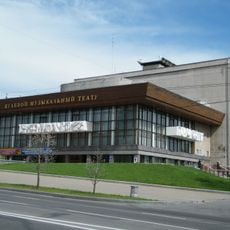
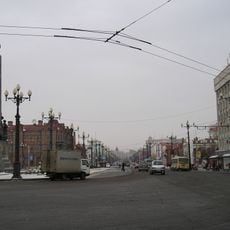
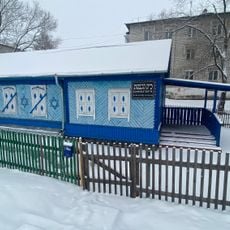
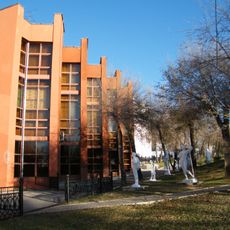
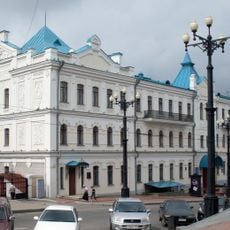
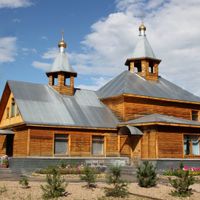
Birobidzhan displays its past through bilingual street signs in Russian and Yiddish, with an active synagogue serving the small community that remains. Local markets and cafés reflect a blend of Russian and Far Eastern influences shaped by proximity to China and trade connections across the Amur.
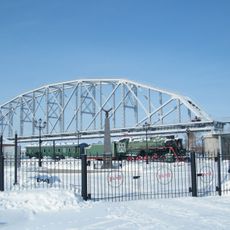
The Trans-Siberian Railway passes through the area, linking it to larger cities to the west and east. Travelers find lodging mainly in Birobidzhan, while rural parts remain thinly populated and harder to reach.
Besides Israel, this is the only place in the world with officially recognized status as a homeland for Jews, though fewer than 2,000 remain today. A small museum in Birobidzhan displays documents and photographs from the founding years and early settlement period.
The community of curious travelers
AroundUs brings together thousands of curated places, local tips, and hidden gems, enriched daily by 90,740 contributors worldwide.