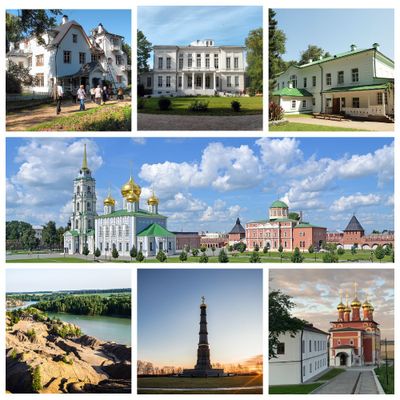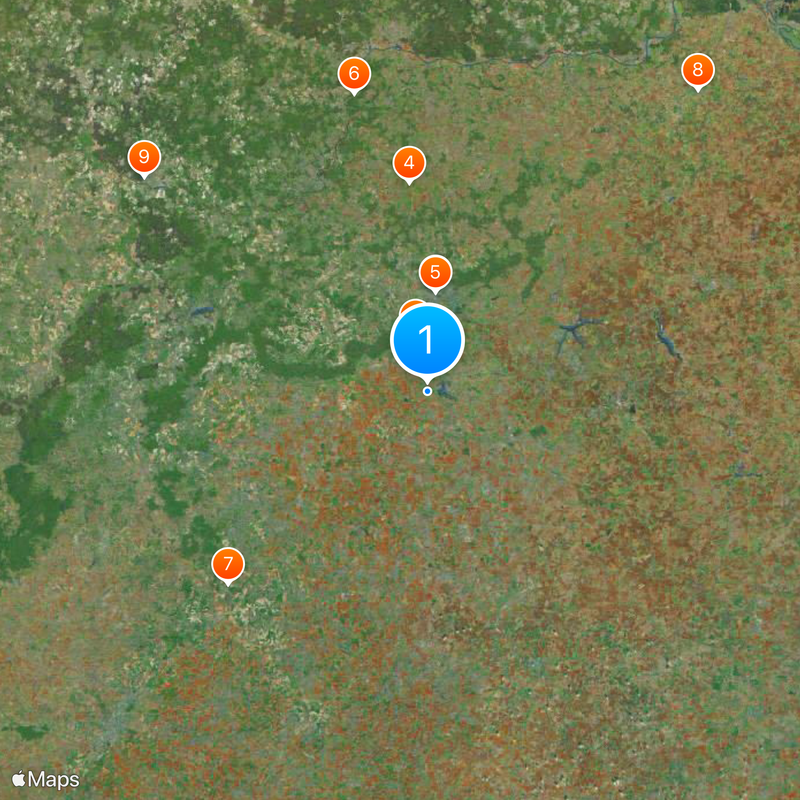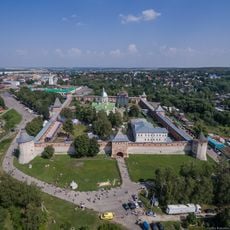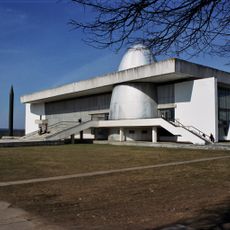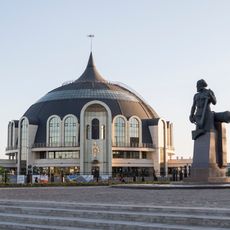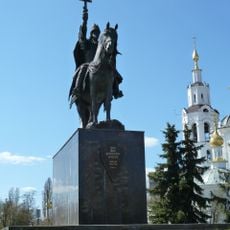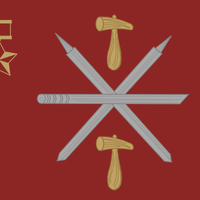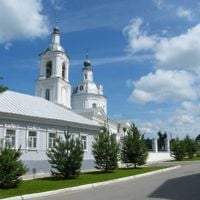
Tula Oblast, Administrative region in western Russia.
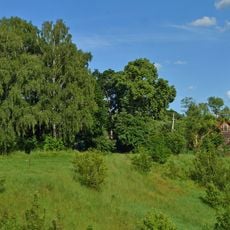
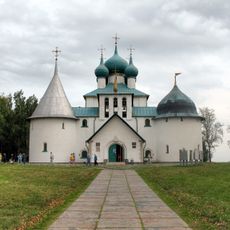
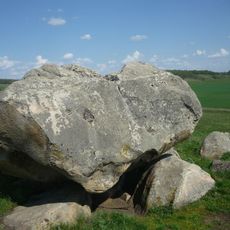
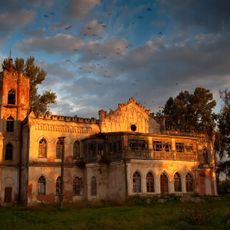
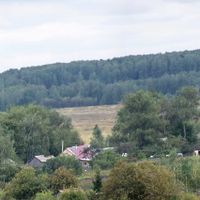
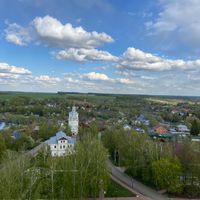
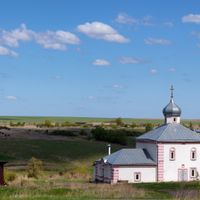
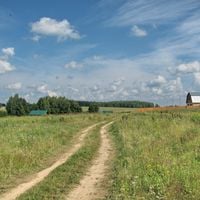
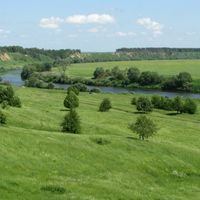
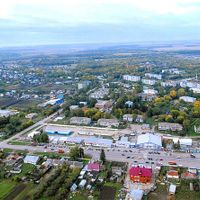
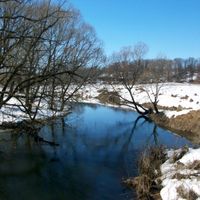
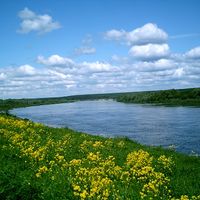
Tula Oblast spreads across rolling hills and river valleys within the Central Russian Upland, bordering Moscow Oblast to the north and containing several mid-sized towns beyond its capital Tula. The landscape alternates between open fields, forest patches, and industrial zones, while rivers like the Oka cut through the territory and form fertile floodplains.
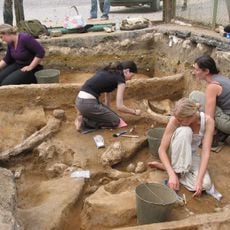
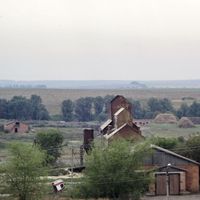
The territory evolved from Stone Age settlements to an important defense zone and received Russia's first armament factory in 1712 under Peter the Great. Industrial development accelerated during the 19th century with the expansion of mining and metalworking that shaped the modern economic profile.
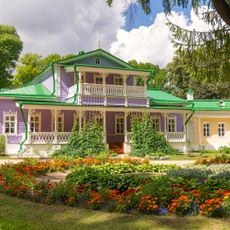
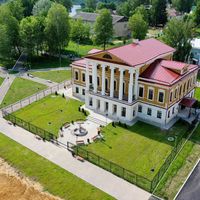
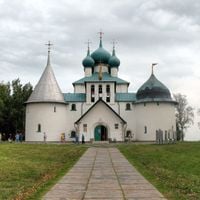
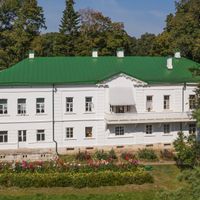
The region preserves the Yasnaya Polyana estate, where writer Leo Tolstoy wrote his novels and visitors now walk through his preserved study and gardens. In Tula itself, traditional crafts of samovar makers and gingerbread bakers stand beside modern factories that still produce following old recipes.
The central location lies about two hours south of Moscow by road and offers highway and rail connections to all major cities in the central region. Visitors find hotels and guesthouses in Tula and smaller towns, while rural areas offer simpler lodging options.
The region holds deposits of lignite coal and iron ore that enable mining operations and supply the local manufacturing industry. In the northern forest areas, elk and wild boar still live and occasionally wander into villages at the forest edge.
The community of curious travelers
AroundUs brings together thousands of curated places, local tips, and hidden gems, enriched daily by 91,998 contributors worldwide.