Lake Baikal, Rift lake in Buryatia and Irkutsk Oblast, Russia
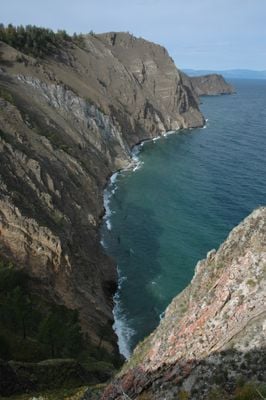
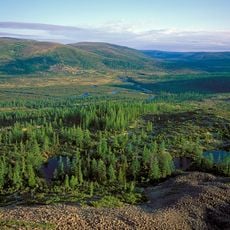
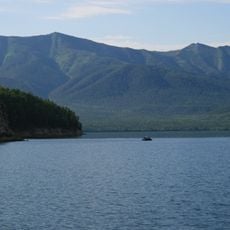
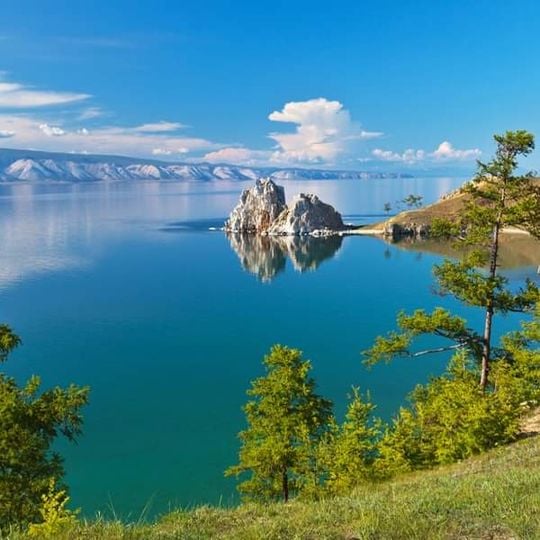
Lake Baikal stretches in a crescent shape for 636 kilometers between Irkutsk Oblast and Buryatia, reaching depths of 1,642 meters (5,387 feet) within its tectonic rift. Over 300 rivers feed the basin while only the Angara serves as outflow, and the rocky shores are partly surrounded by dense taiga forests while other sections feature barren steppe landscapes.
Geologists date the formation of the deep section to approximately 25 to 30 million years ago, making it the oldest such body of water on Earth, and the current shoreline developed around 8,000 years ago following the last ice age. Russian explorers first reached the region in 1643, and the Trans-Siberian Railway reached the southern shore in 1904, opening the remote area to settlers.
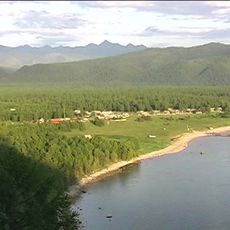
Indigenous Buryats consider certain rocks and islands along the shoreline sacred, leaving offerings at these places in small rituals still practiced today. Visitors can see traditional fishing huts where local families smoke omul fish using age-old methods, selling the catch at small markets where regional recipes and stories are shared among buyers and traders.
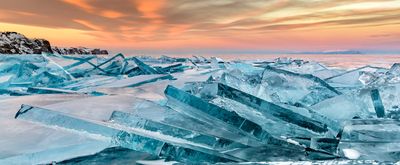
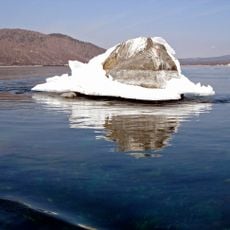
The best visiting period runs from July through September for hiking or from January through March when the frozen surface carries ice that supports vehicle traffic. Irkutsk serves as the main gateway with flights from Moscow and regular bus services to the shore, while towns like Slyudyanka and Severobaikalsk offer accommodations and boat tours, and visitors should prepare for extreme temperatures that can drop significantly in winter.
The lake's water is kept clear largely by Epischura baicalensis, a translucent copepod about 1.5 mm long that filters algae through its body and forms up to 90 percent of the lake's biomass. It is the main food of the Baikal omul, a salmon-like fish that gave the lake its name: Turkic baiköl, "rich lake".
The community of curious travelers
AroundUs brings together thousands of curated places, local tips, and hidden gems, enriched daily by 92,155 contributors worldwide.