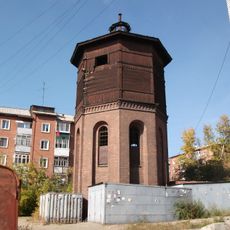
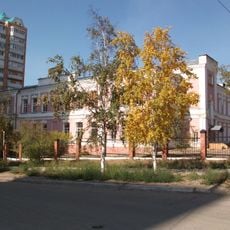
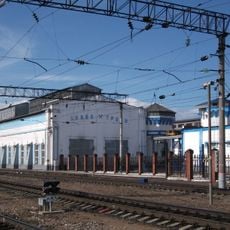
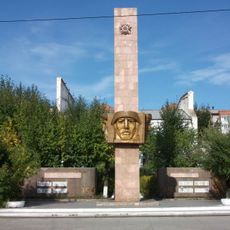
Ulan-Ude Ethnographic Museum, Open-air ethnographic museum in Upper Berezovka, Russia.
The Ulan-Ude Ethnographic Museum is an open-air museum in Upper Berezovka with more than 40 protected monuments representing the region's diverse architectural styles. The site contains more than 11,000 artifacts from different ethnic groups, showing how people created tools, decorated homes, and produced goods from local materials.
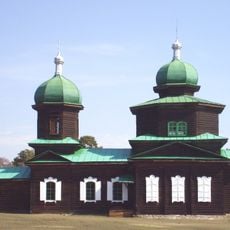
The museum opened on 19 August 1968, according to the Russian Wikipedia, while the English Wikipedia gives 6 July 1973. Among its first exhibits were the Nikolsk Church, moved from the village of Nikolsk, and the Devazhin dugan brought from the Tamchinsky datsan. The complex now holds over 40 architectural monuments and more than 11,000 exhibits.
The site displays seven different complexes where visitors can explore Buryat gers, Evenki settlements, and Buddhist temples built by local communities. Walking through these spaces gives a sense of how various peoples in this region lived and organized their homes and sacred places.
The museum lies in Upper Berezovka, eight kilometres northeast of Ulan-Ude, and its seven complexes are spread over 37 hectares. Wear comfortable shoes and allow time to walk between the Buryat, Evenki, Cis-Baikal, Zabaikalsky, Old Believer, town and archaeological sections. A map from the entrance helps you set an order.
The archaeological section displays authentic stone graves, burial mounds, and guardian stones from ancient times, with the first burial site discovered in 1896. These objects reveal how early peoples in the region honored their dead and what they valued enough to place in tombs.
The community of curious travelers
AroundUs brings together thousands of curated places, local tips, and hidden gems, enriched daily by 94,706 contributors worldwide.