See the monuments around you in AROpen chests in the app
Around Us is built for your phone — point your camera at the streets and discover the monuments and places around you in augmented reality.Around Us is built for your phone — chests unlock when you walk, explore and capture nearby places.
Some places on Earth feel so far removed from the rest of the world that reaching them requires real commitment. This collection brings together research stations in Antarctica, villages in Siberia where winter temperatures drop to brutal lows, communities tucked deep inside canyons, and islands separated from any mainland by thousands of miles of open ocean. Each location shows how people manage to live and work where nature pushes against the limits of human presence.
You will find weather stations near the North Pole, remote Greenlandic settlements reachable only by boat or helicopter, and secret military facilities hidden in desert expanses. Some of these places host scientists studying glaciers and wildlife in the southern seas. Others are home to indigenous communities who have adapted their way of life to freezing temperatures and months of darkness. Whether it is a research base on a subantarctic island or a Siberian village that holds the record for the coldest inhabited spot in the Northern Hemisphere, these locations offer a glimpse into how humans establish roots in the most challenging corners of the planet.
Some places on Earth feel so far removed from the rest of the world that reaching them requires real commitment. This collection brings together research stations in Antarctica, villages in Siberia where winter temperatures drop to brutal lows, communities tucked deep inside canyons, and islands separated from any mainland by thousands of miles of open ocean. Each location shows how people manage to live and work where nature pushes against the limits of human presence.
You will find weather stations near the North Pole, remote Greenlandic settlements reachable only by boat or helicopter, and secret military facilities hidden in desert expanses. Some of these places host scientists studying glaciers and wildlife in the southern seas. Others are home to indigenous communities who have adapted their way of life to freezing temperatures and months of darkness. Whether it is a research base on a subantarctic island or a Siberian village that holds the record for the coldest inhabited spot in the Northern Hemisphere, these locations offer a glimpse into how humans establish roots in the most challenging corners of the planet.
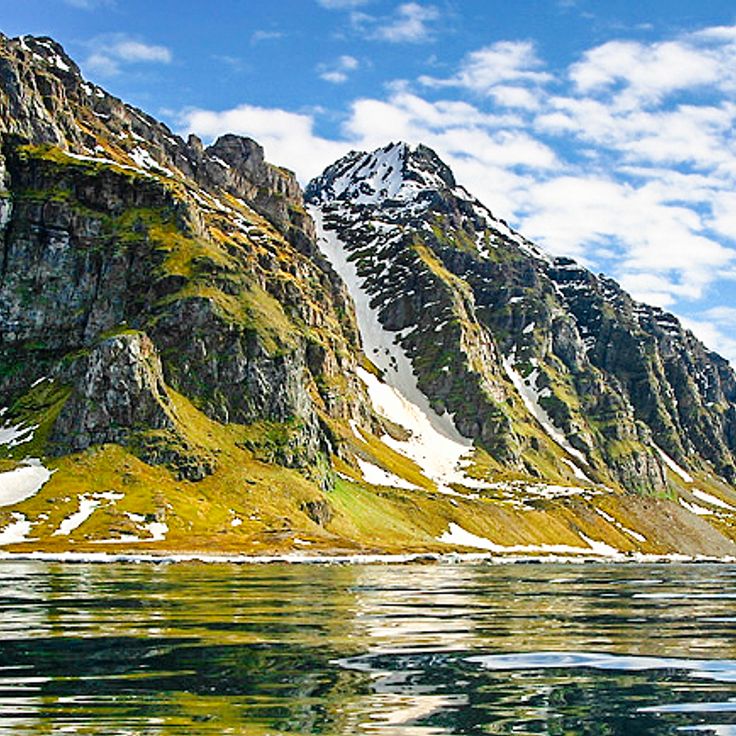
This archipelago in the Arctic Ocean lies roughly halfway between mainland Norway and the North Pole, supporting a population of around three thousand polar bears. Average temperatures range from 7°F (minus 14°C) in winter to 43°F (6°C) in summer. Svalbard serves as home to scientific research stations and a small permanent settlement operating under extreme Arctic conditions.
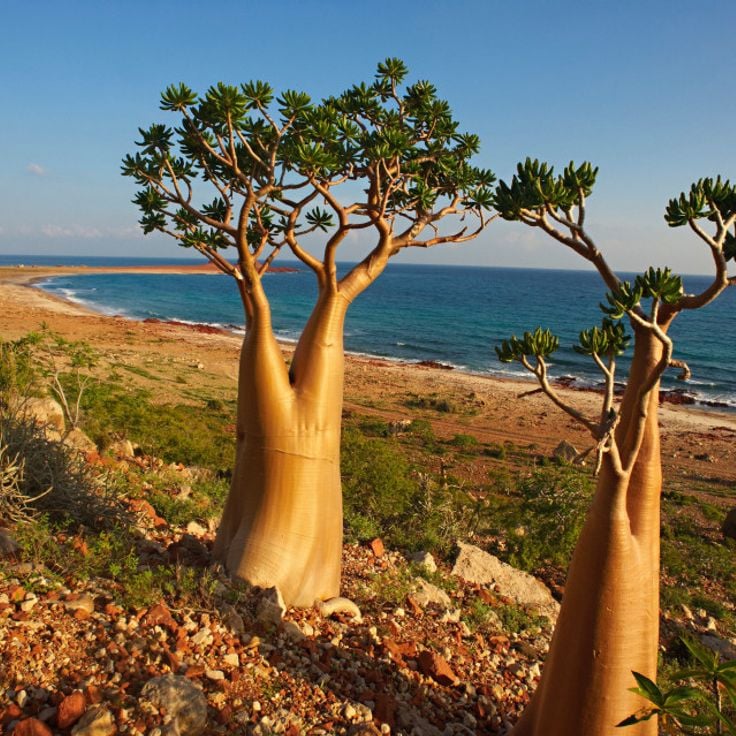
This island in the Indian Ocean is an archipelago spanning 1,466 square miles (3,796 sq km) with the highest concentration of endemic plant species on Earth. The isolation of the island has led to a remarkable ecosystem. Of roughly 800 documented plant species, around 300 are found only here, including the dragon blood tree with its distinctive umbrella shape. Socotra sits 150 miles (240 km) east of the Horn of Africa and about 236 miles (380 km) south of the Yemeni coast. Access is by plane from mainland Yemen or occasionally by sea connections, though these are severely limited by monsoon winds. The remote location has also shaped human settlement patterns, with approximately 60,000 residents living in largely traditional communities.
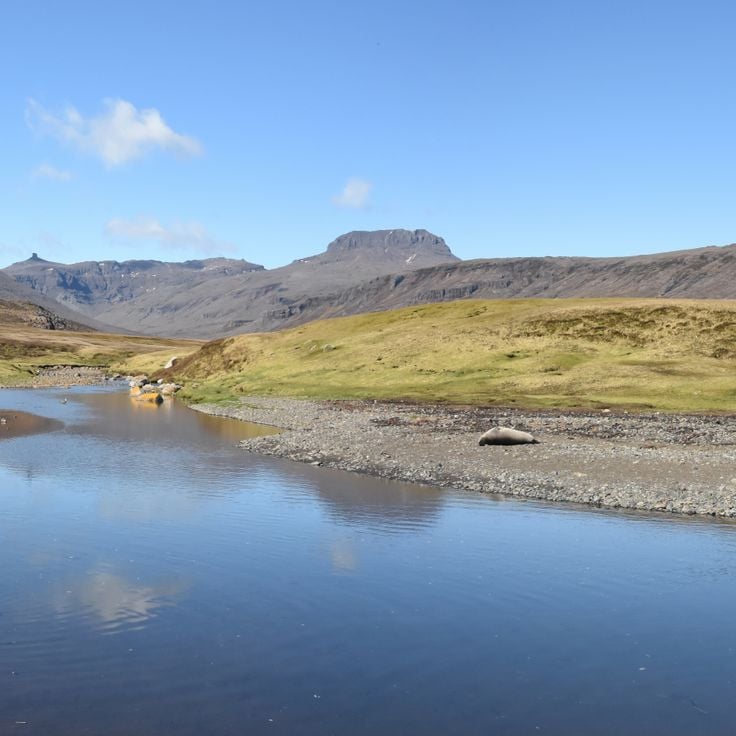
This island group consists of 300 islands in the southern Indian Ocean, located 2,050 miles (3,300 kilometers) from the nearest inhabited land. Port-aux-Français accommodates between 50 and 100 scientists who work under extreme conditions and operate one of the most isolated permanent research stations in the world. The Kerguelen Islands are accessible only by ship, with the voyage taking several days. Researchers study glaciological, biological and meteorological phenomena at this remote outpost of French territory, where temperatures rarely exceed 50 degrees Fahrenheit (10 degrees Celsius) and fierce winds blow year round.
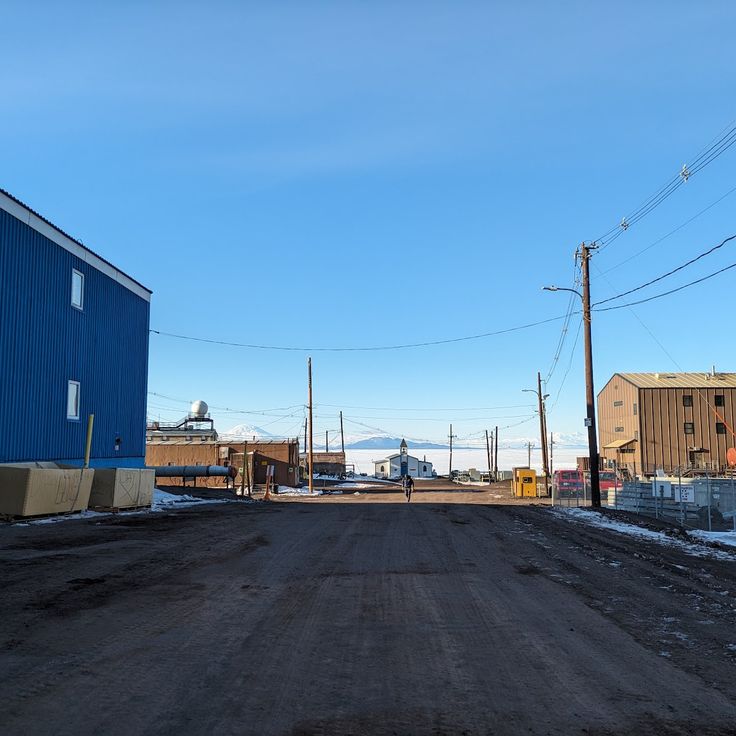
This research station is the largest permanently occupied facility in Antarctica, located on Ross Island at McMurdo Sound. McMurdo Base was established in 1956 and houses up to 1200 scientists, technicians and support staff during the summer months, with approximately 150 people remaining through the winter. The station operates laboratories for various fields of research, a harbor for supply vessels, and an airfield that serves as the logistical center for further expeditions into the Antarctic interior.
Ittoqqortoormiit is a settlement of 350 residents on the east coast of Greenland and one of the most isolated inhabited places on Earth. This remote community can be reached only by boat during summer and by helicopter throughout the winter months. The inhabitants sustain themselves through hunting and fishing under extreme Arctic conditions, with temperatures frequently dropping below minus 4 degrees Fahrenheit (minus 20 degrees Celsius). The settlement stands at the entrance to the largest fjord system on the planet, Scoresby Sund, and serves as a departure point for scientific expeditions into the region.
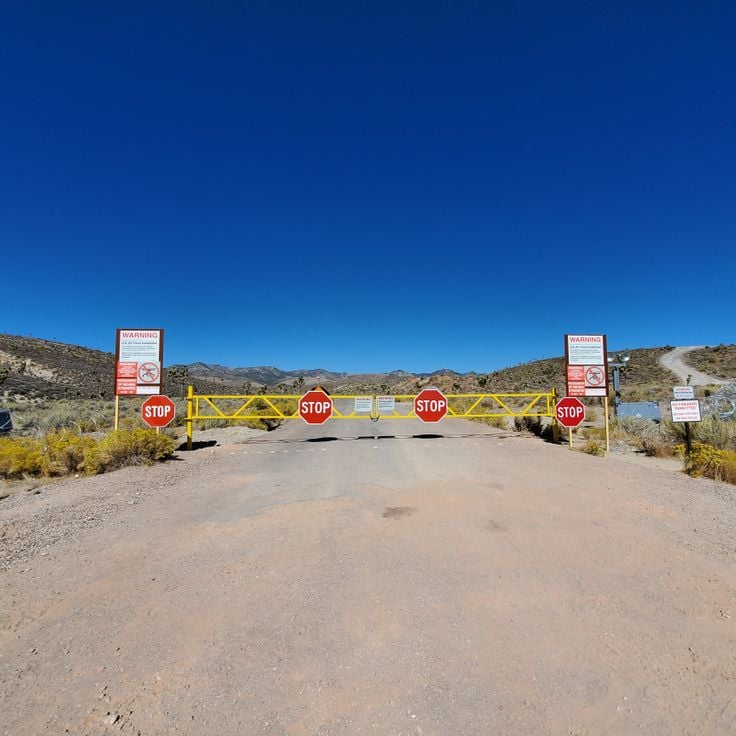
This secret military installation in the Nevada desert ranks among the most isolated facilities in the United States. Area 51 has served as a testing ground for experimental aerospace technology for decades. The base operates under strict security protocols, and the surrounding restricted zone spans several hundred square miles (several hundred square kilometers). Only authorized military and government personnel with appropriate clearance can access this facility.
This weather station and military base sits 817 kilometers (508 miles) from the North Pole and ranks among the northernmost permanently inhabited settlements on Earth. Alert houses roughly 75 people year-round who work under extreme Arctic conditions, where temperatures regularly drop below minus 40 degrees Fahrenheit (minus 40 degrees Celsius) and polar night lasts several months.
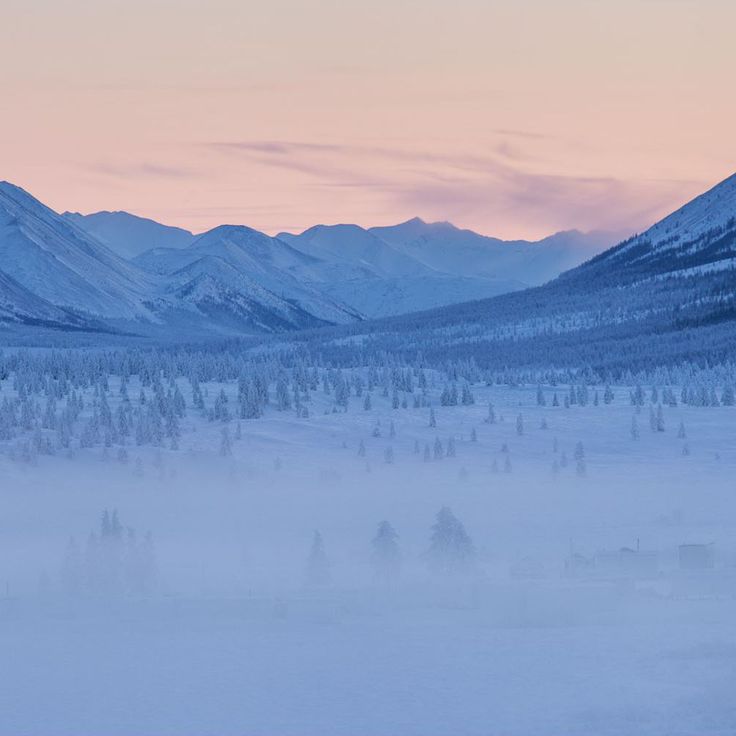
This Siberian village sits approximately 400 miles (640 kilometers) south of the Arctic Circle and remains permanently inhabited despite winter temperatures that frequently reach minus 60 degrees Fahrenheit (minus 51 degrees Celsius). Oymyakon holds the distinction of being the coldest permanently inhabited place in the Northern Hemisphere and demonstrates human adaptation under extreme climatic conditions. Around 500 residents make their lives here in a landscape where the ground stays frozen year round and conventional agriculture proves impossible.
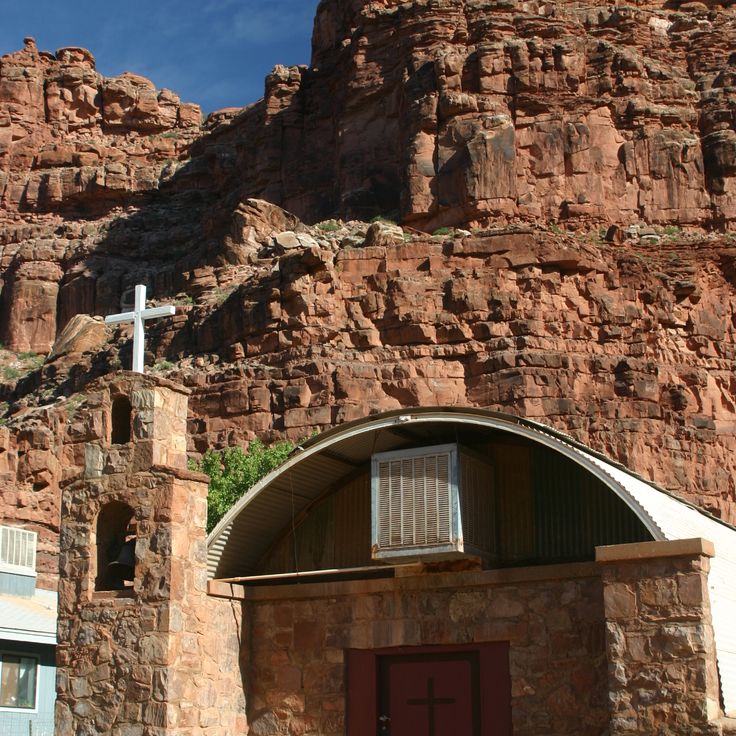
Supai serves as the remote administrative center of the Havasupai Tribe at the bottom of the Grand Canyon. This village sits at 3,100 feet (945 meters) elevation and remains accessible only via an 8-mile (13-kilometer) trail or by helicopter. Around 200 permanent residents live here without road access, while mail delivery relies on mule trains. The nearest paved road ends at Hualapai Hilltop, where the steep descent into the canyon interior begins.
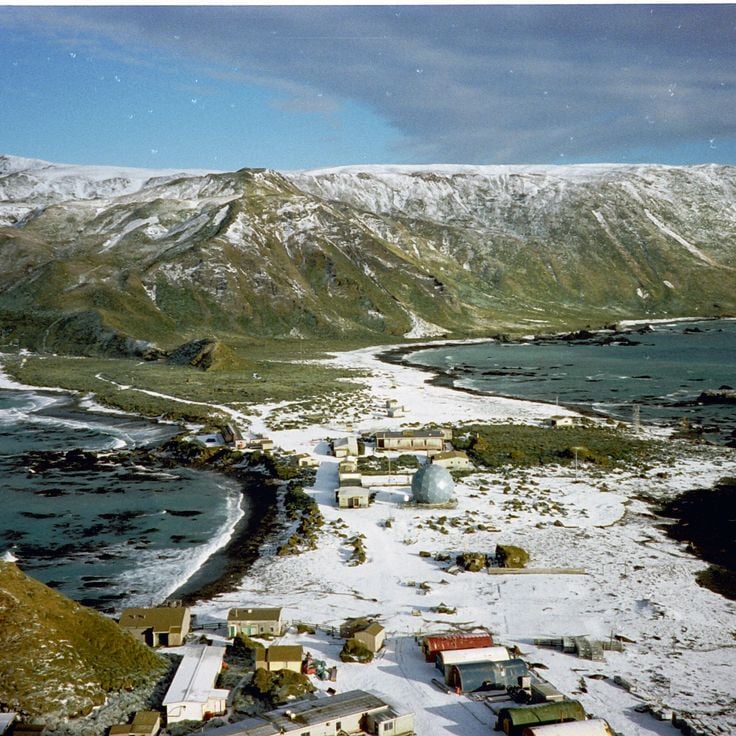
This permanent research station sits on a subantarctic island south of Tasmania and serves as a key base for meteorological studies and marine wildlife observation. The Macquarie Island Station was established in 1948 and is operated by the Australian Antarctic Programme. The facility houses between 10 and 40 scientists and technical staff, depending on the season, who work in extreme isolation.
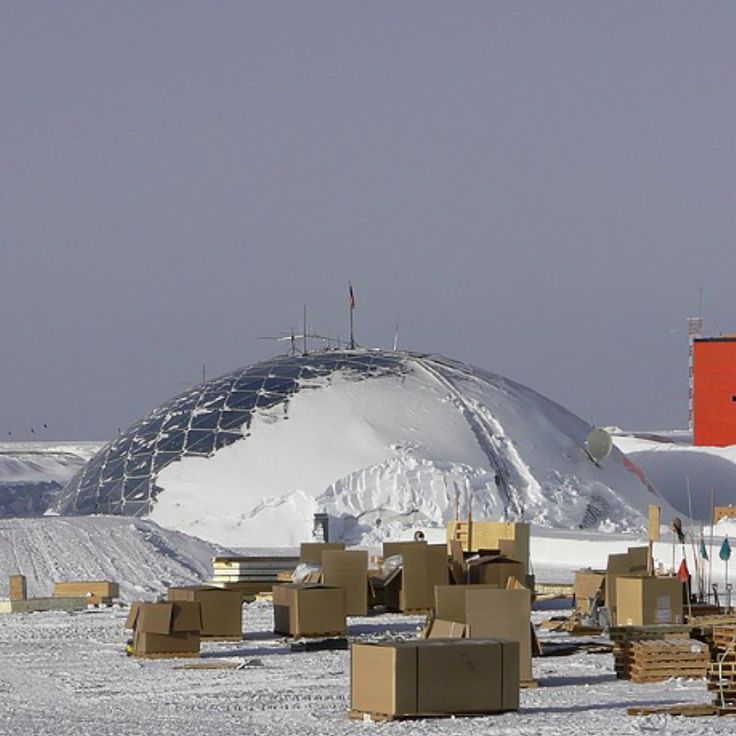
This South Pole research facility has operated continuously since 1956 at an elevation of 2,835 meters (9,300 feet). The installation houses about 50 scientists during winter months when temperatures drop to -82°C (-116°F) and the sun disappears for six months. The station conducts research in astrophysics, glaciology and climate science.
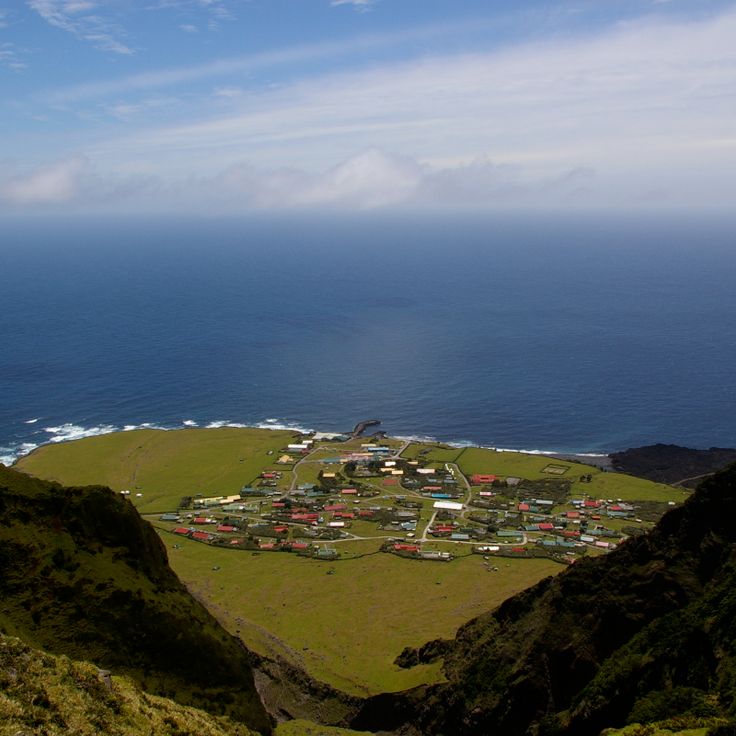
Edinburgh of the Seven Seas serves as the administrative center of Tristan da Cunha and houses the archipelago's entire population of approximately 250 residents. This settlement sits on the north coast of the main island and remains accessible only by boat after a six-day journey from South Africa, making it among the most isolated permanently inhabited communities on Earth.
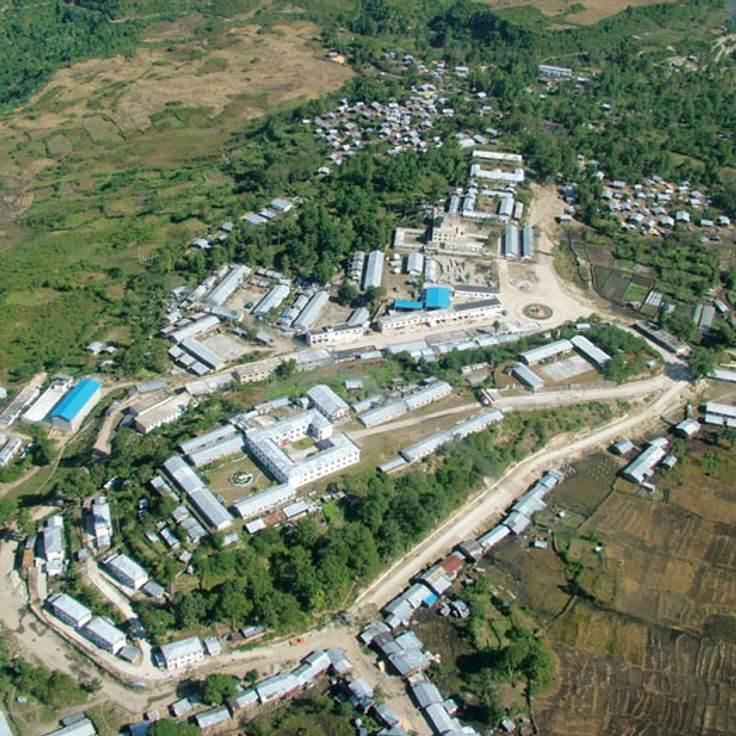
This administrative area in eastern Tibet sits surrounded by peaks reaching 7000 meters (23,000 feet). Mêdog County stands as one of the most difficult inhabited territories to reach in China, often completely cut off during winter months. Hiking trails form the main access routes, while a single road connection frequently gets blocked by landslides and snow. The geographic isolation has helped preserve traditional ways of life and settlement patterns here.
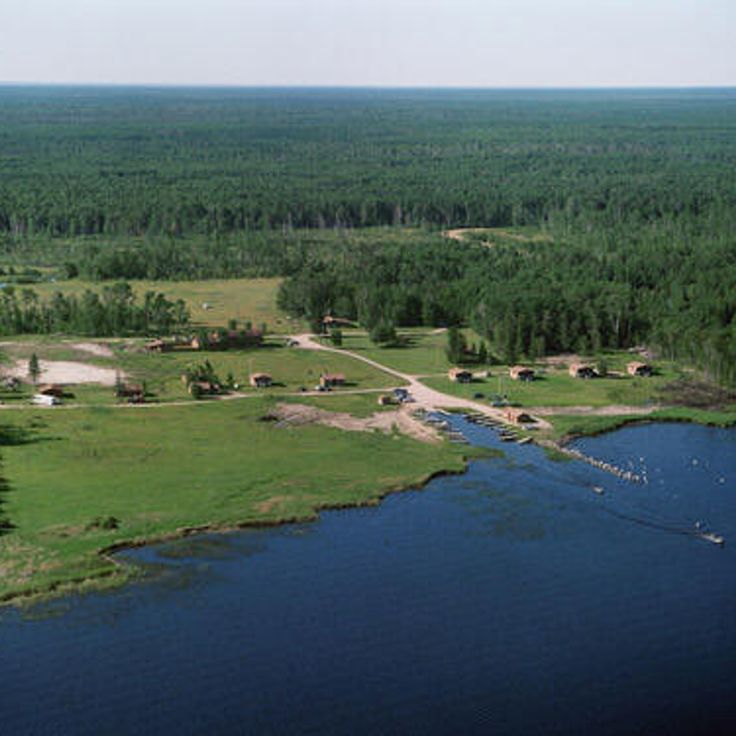
Angle Inlet is an American village on a peninsula in Lake of the Woods, separated from the rest of the United States and reachable only through Canadian territory. This settlement exists as a result of cartographic peculiarities in the border definition between the US and Canada in the 19th century. Residents must travel through Canada for any journey to the rest of Minnesota, crossing international borders twice. The village contains an elementary school, an airstrip, and several vacation homes used primarily by anglers seeking access to the lake's fishing grounds.
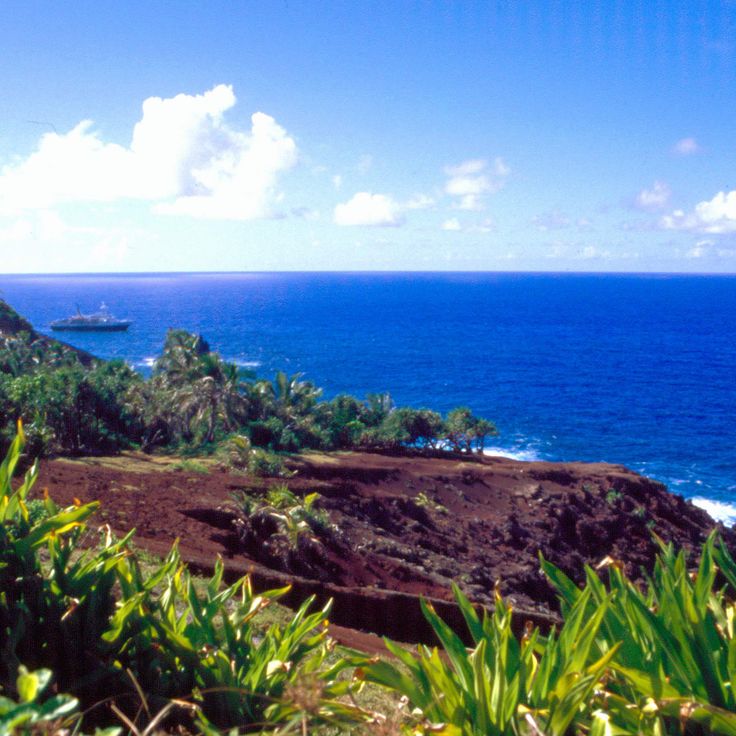
The Pitcairn Islands form a British overseas territory in the South Pacific, consisting of four volcanic islands and ranking among the most isolated inhabited places on Earth. Adamstown on Pitcairn Island serves as the only settlement in the archipelago, home to roughly 50 residents. The islands lie approximately 3,300 miles (5,300 kilometers) from New Zealand and remain accessible only by sea after a journey lasting several days. Most inhabitants descend from the HMS Bounty mutineers who settled here in 1790.
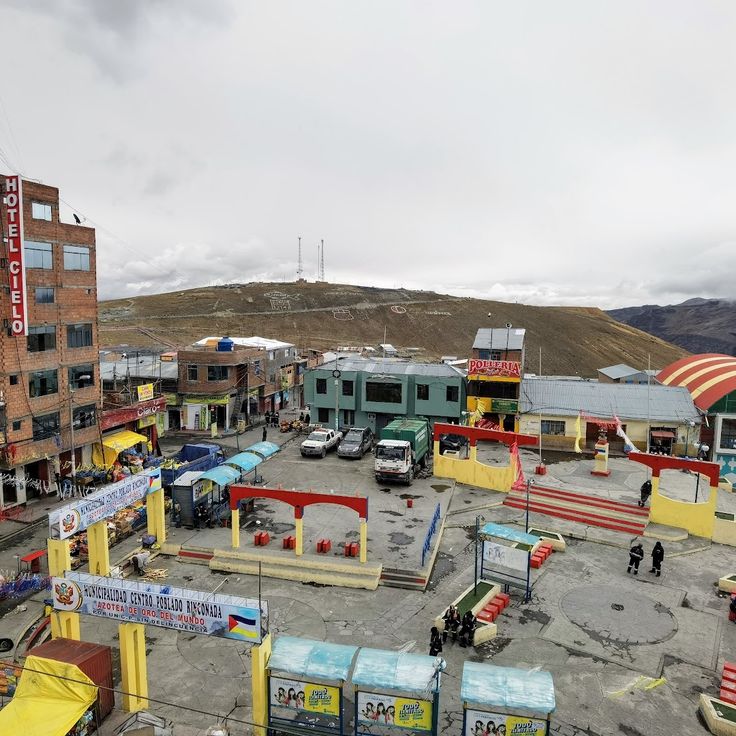
This mining settlement in the Andes stands as the highest permanently inhabited town on Earth at 16,700 feet (5,100 meters). La Rinconada exists at extreme elevation where thin air and harsh conditions define daily life, while residents work the local gold mines and adapt to one of the planet's most inhospitable environments.
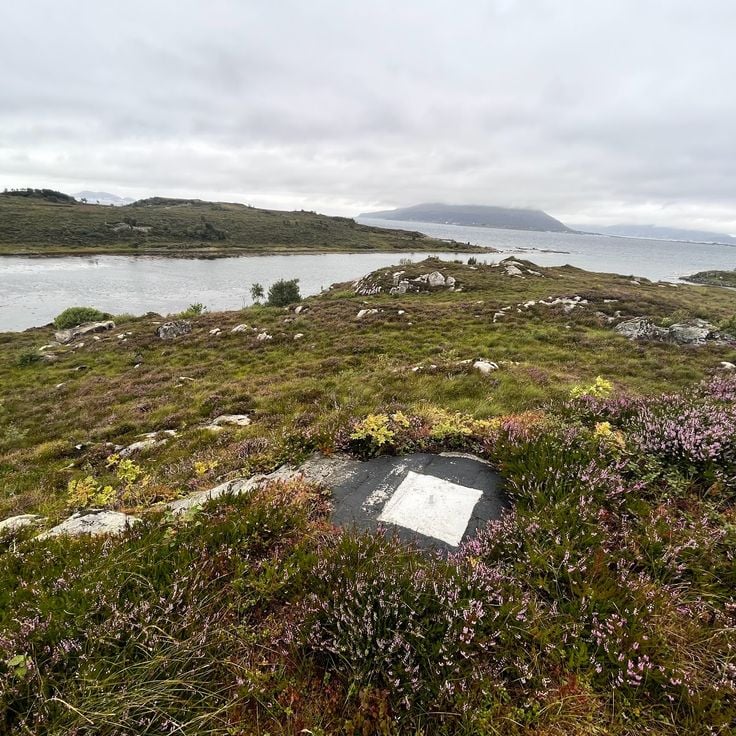
Bjørnøya Island sits in the Barents Sea, 146 miles (235 kilometers) from Svalbard, and ranks among the most remote inhabited outposts on Earth. This island remains largely uninhabited except for a Norwegian meteorological station that has operated here for decades under Arctic conditions. Steep cliffs surround the coastline, hosting large colonies of seabirds that dominate the landscape. Access requires either ship or helicopter transport during ice-free months.
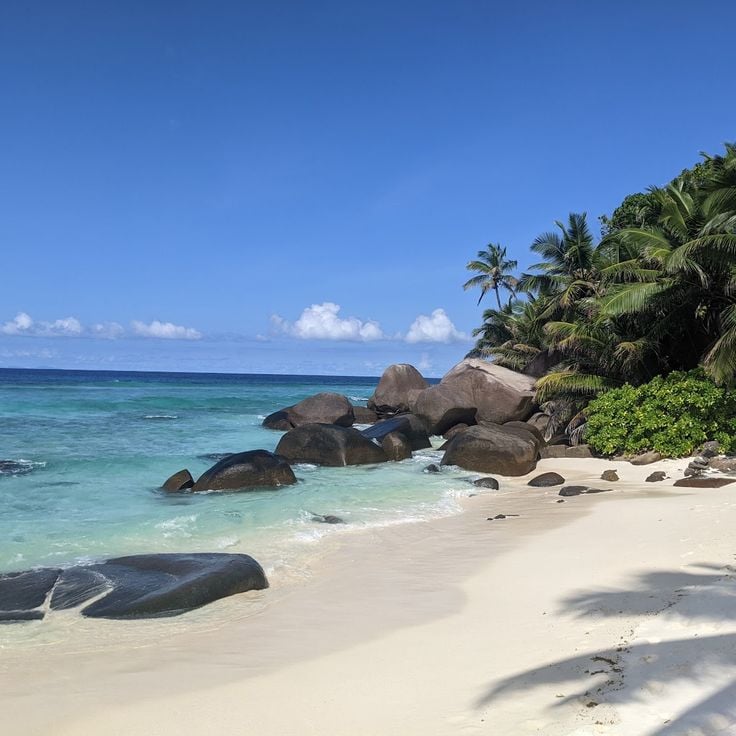
This mountainous island covers 20 square miles and rises to 751 feet at its highest point. Primary forest blankets 93 percent of the surface of Silhouette Island, making it one of the most densely wooded islands in the Seychelles. Around 200 people live in the two settlements along the northeast coast. The island sits 12 miles northwest of Mahé and can be reached only by boat. Steep mountain slopes and dense vegetation have limited development and preserved large areas in their natural state.
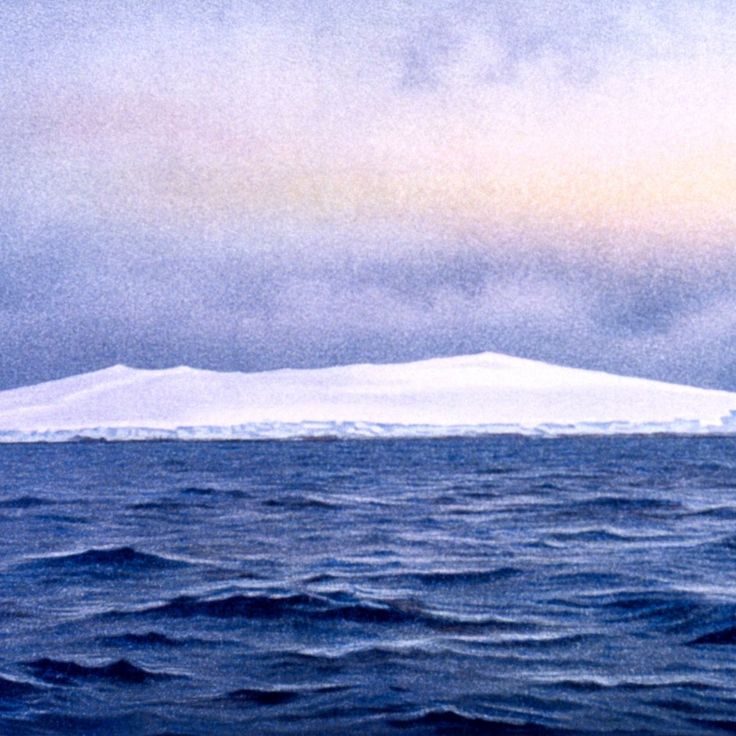
This Norwegian volcanic island lies roughly 1,600 miles (2,600 kilometers) from the African continent between South Africa and Antarctica, nearly covered in glaciers. Bouvet Island ranks among the most remote landmasses on Earth, with no permanent inhabitants and only occasional visits from scientific expeditions. The island demonstrates extreme geographic isolation in one of the most inhospitable regions of the southern ocean.
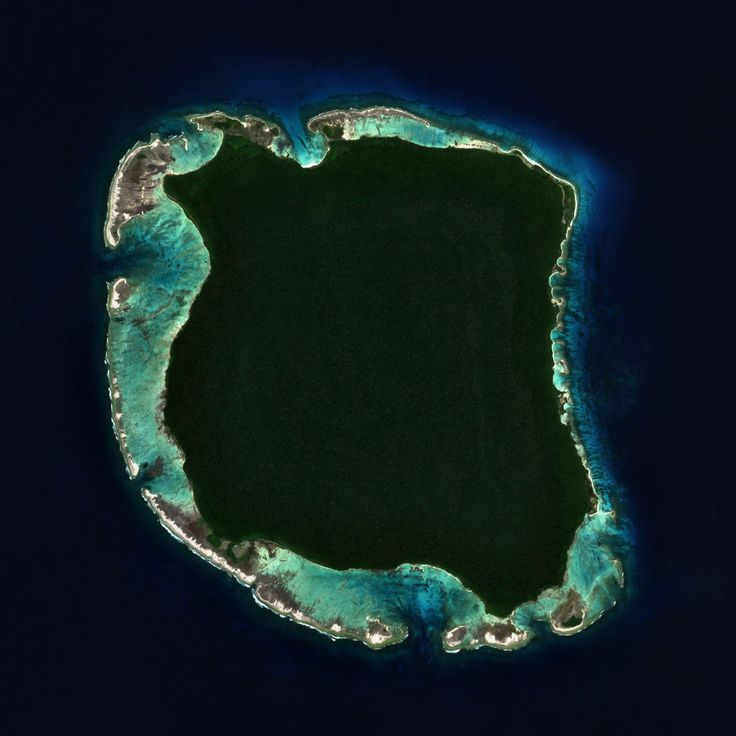
North Sentinel Island is a 28 square mile (72 square kilometer) island territory in the Bay of Bengal where an indigenous population has maintained its original way of life for thousands of years while refusing all contact with outsiders. This island ranks among the most strongly isolated inhabited territories on Earth, with residents repeatedly rejecting attempts at contact by government officials and researchers.
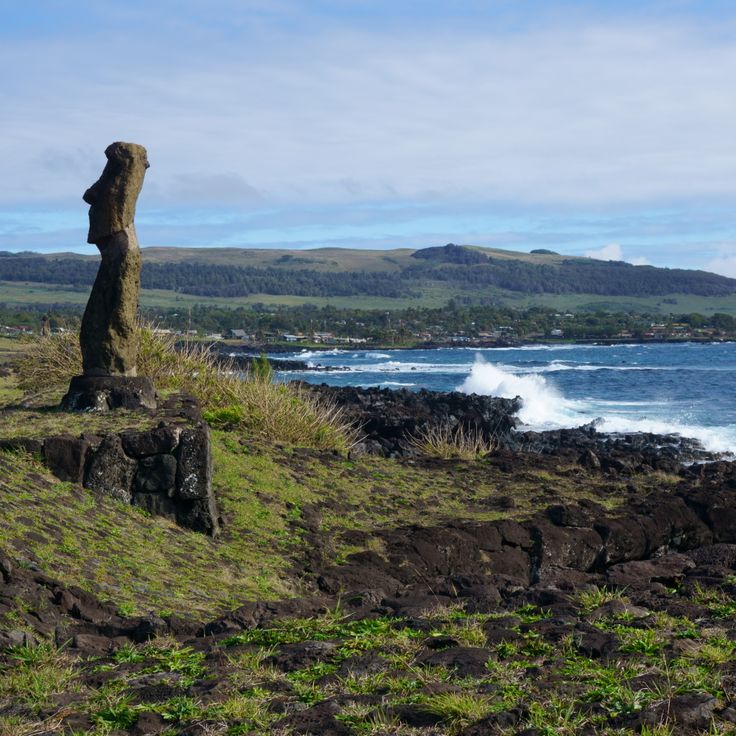
This Polynesian island lies 2,300 miles (3,700 kilometers) west of the Chilean coast, making it one of the most remote inhabited places on Earth. Rapa Nui, as the island is known to its residents, covers 64 square miles (164 square kilometers) of volcanic terrain and contains nearly 900 monumental stone figures carved between the 13th and 16th centuries by the indigenous population. The nearest inhabited landmass is Pitcairn Island, more than 1,200 miles (2,000 kilometers) away.
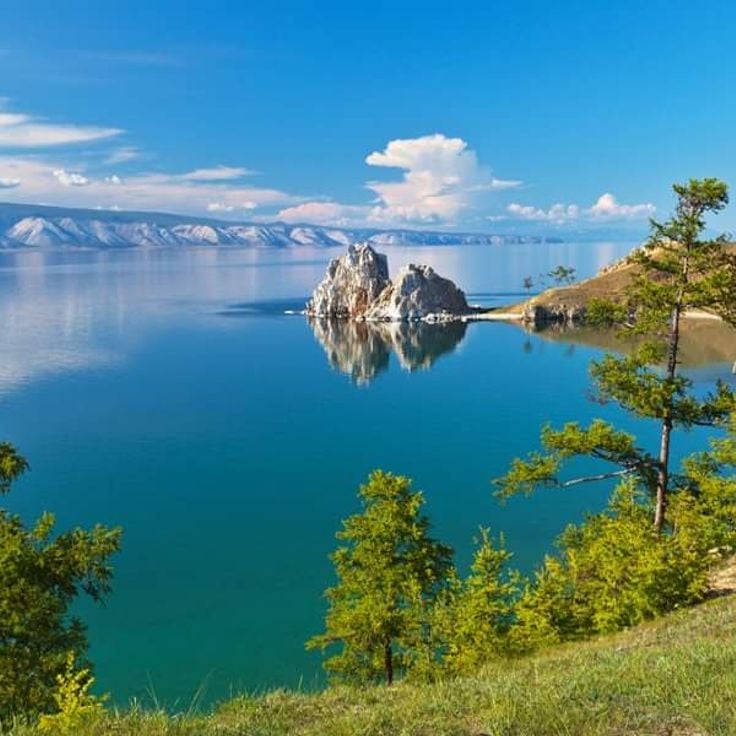
This lake in Siberia contains 20 percent of the world's unfrozen freshwater reserves and reaches a depth of 5,387 feet (1,642 meters). The remote location makes Lake Baikal one of the most isolated natural environments on Earth, where approximately 2,500 animal species inhabit an ecosystem that has developed over millions of years and is now permanently occupied by small research stations and scattered settlements.
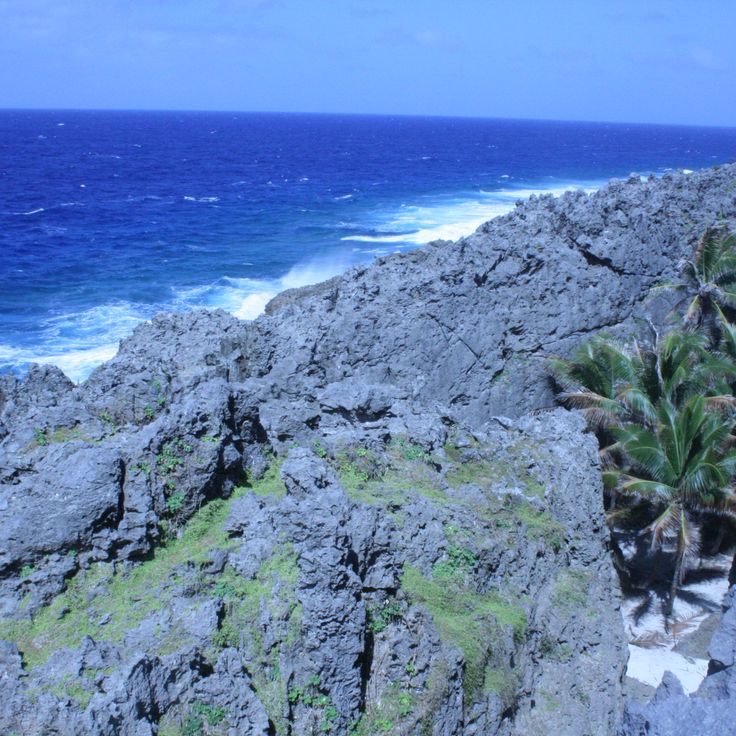
This self-governing island in free association with New Zealand sits 1,500 miles (2,400 kilometers) northeast of the New Zealand mainland and ranks among the smallest self-governing nations in the world. Niue maintains an international airport with two weekly flights to Auckland, while the population of roughly 1,600 inhabitants makes life on this 100-square-mile (259-square-kilometer) coral atoll a study in sustained isolation, with agriculture and a small tourism sector supporting the local economy.
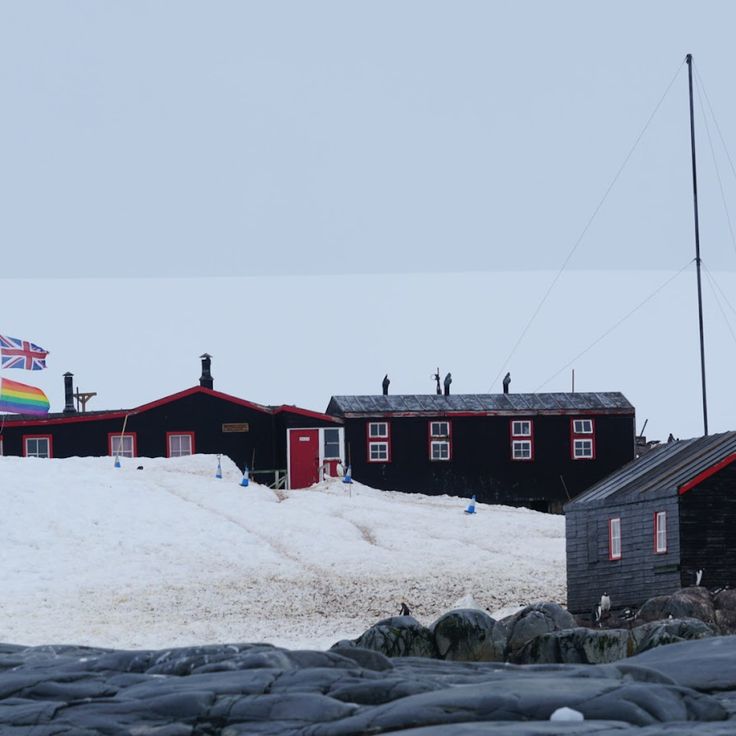
This island serves as British research station Base A in the Antarctic region of Port Lockroy since 1944. The rocky territory extends 200 meters (656 feet) and forms one of the permanent scientific establishments in one of Earth's most remote regions. The station conducts continuous research under extreme climatic conditions, documenting Antarctic weather data and environmental changes. Goudier Island demonstrates human adaptation to extreme isolation in Antarctica.
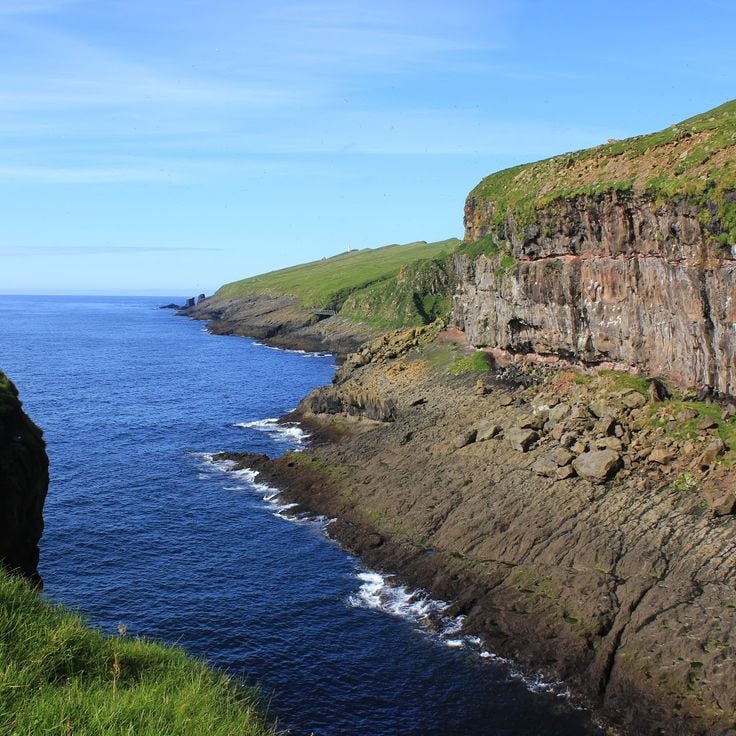
This westernmost island in the Faroes has fewer than twenty permanent residents and sits several miles from the main archipelago. The cliffs host colonies of puffins and gannets that nest here between April and August. A narrow footpath connects the settlement to the uninhabited western section of the island, where a lighthouse stands. The crossing from the main archipelago takes about 45 minutes by ferry, depending on weather conditions, and during winter months the island can remain inaccessible for weeks at a time.
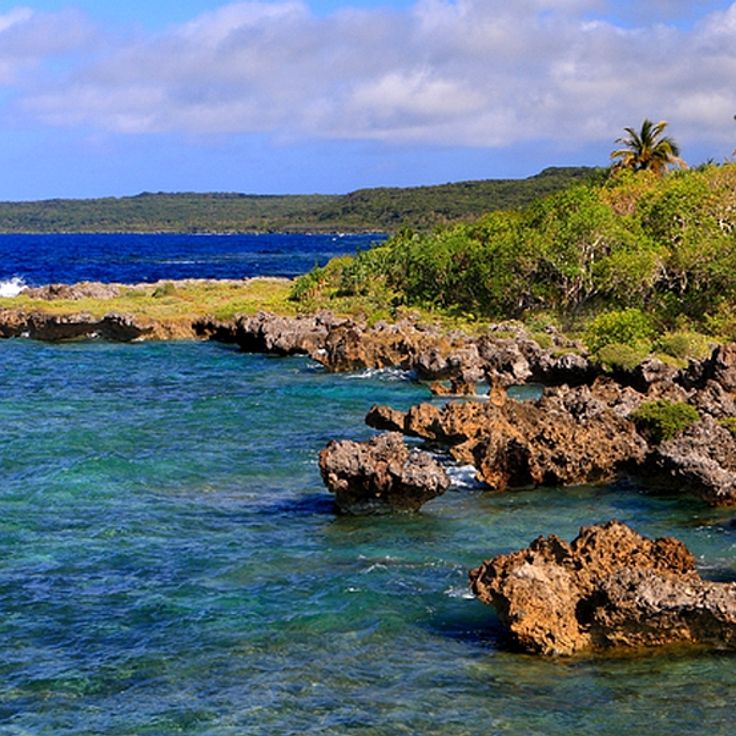
This archipelago comprises three main islands: Lifou, Maré, and Ouvéa. Residents maintain Melanesian traditions and Kanak culture. The Loyalty Islands sit about 62 miles (100 kilometers) east of New Caledonia's main island Grande Terre in the South Pacific. Communities rely on fishing, coconut cultivation and increasingly on tourism. The islands have limited air connections and ferry service to the mainland. Schools and medical facilities operate on each of the three main islands.
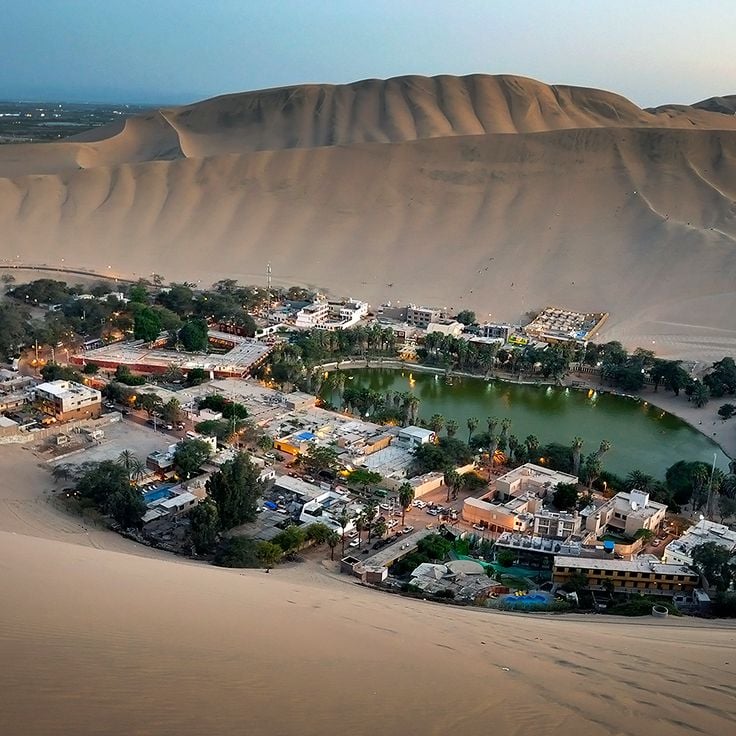
This village of 100 residents is built around a natural lake surrounded by coastal desert dunes in Peru. Huacachina serves as a permanent settlement in a remote desert environment, where people live despite the isolation and extreme climatic conditions. The community demonstrates human adaptation to one of the most inhospitable landscapes in South America.
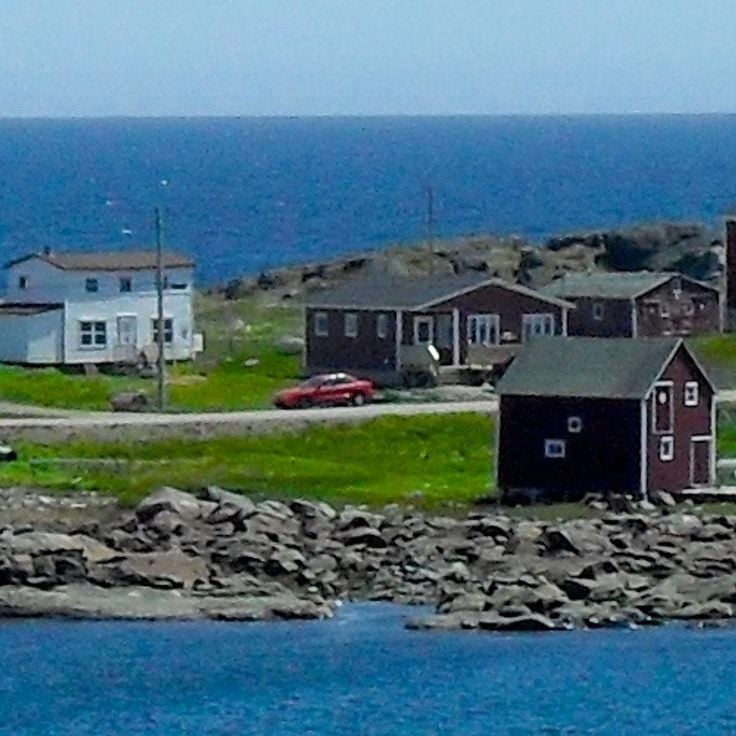
This island in the North Atlantic is one of Canada's most remote inhabited areas, located about 9 miles (15 kilometers) off the coast of Newfoundland. Fogo Island is accessible only by ferry service. The 2000 residents live in eleven small fishing villages that have depended on cod fishing for generations. These settlements cling to rocky coastal strips, surrounded by subarctic climate with long winters and frequent fog. Access to medical care and other services often requires crossing to the mainland, which can become impossible for days during storms.
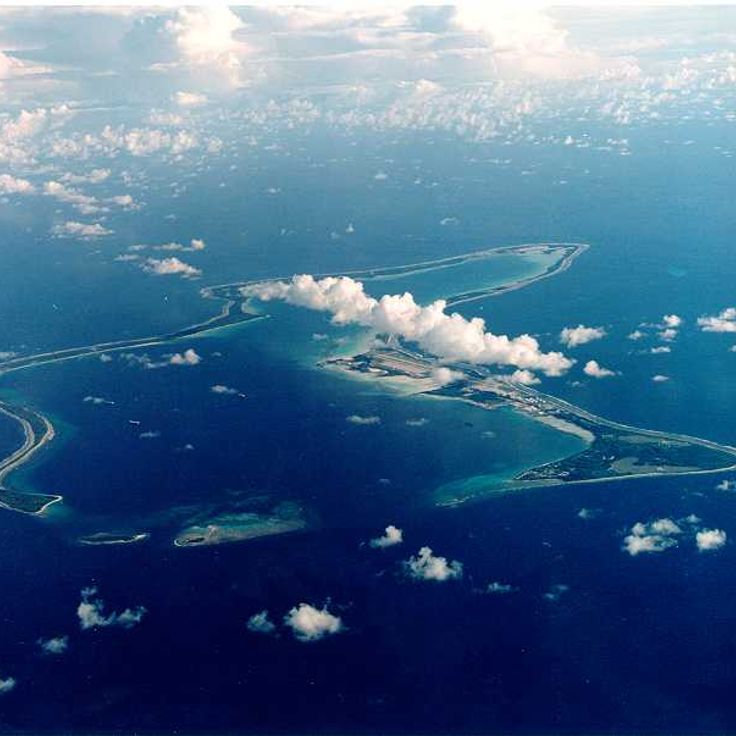
Diego Garcia is a coral atoll in the central Indian Ocean that houses military installations closed to unauthorized access. This 17-square-mile (44-square-kilometer) atoll serves as a strategic outpost and ranks among the most isolated inhabited territories in the world, where personnel live and work under strict access controls.
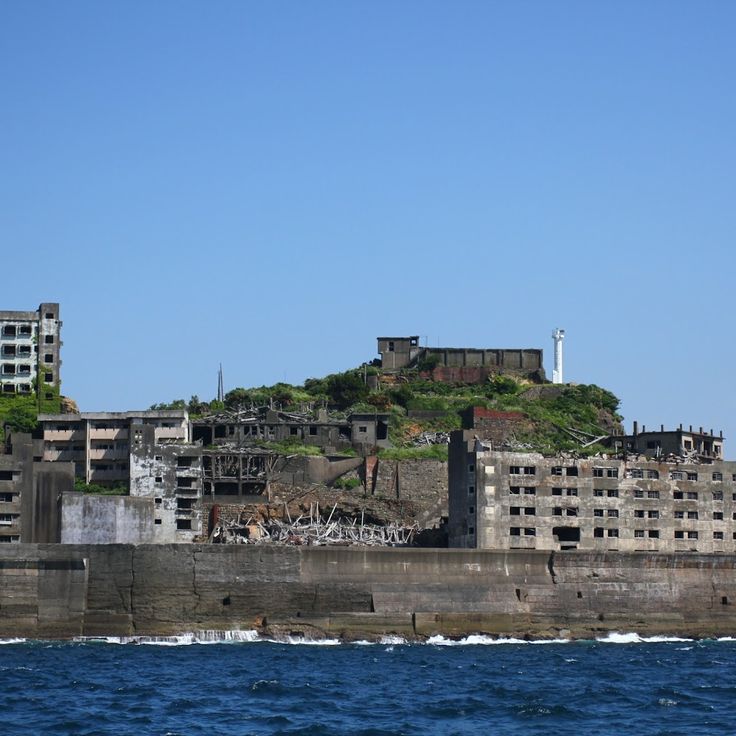
This former industrial island off the coast of Nagasaki served underwater coal mining operations and was permanently abandoned in 1974. The decaying concrete structures and deserted apartment blocks document the intensive mining past of Hashima Island, where thousands of workers once lived in confined quarters. Today, the uninhabited island ranks among Japan's most isolated locations.
This archipelago in the Arctic Ocean lies roughly halfway between mainland Norway and the North Pole, supporting a population of around three thousand polar bears. Average temperatures range from 7°F (minus 14°C) in winter to 43°F (6°C) in summer. Svalbard serves as home to scientific research stations and a small permanent settlement operating under extreme Arctic conditions.
This island in the Indian Ocean is an archipelago spanning 1,466 square miles (3,796 sq km) with the highest concentration of endemic plant species on Earth. The isolation of the island has led to a remarkable ecosystem. Of roughly 800 documented plant species, around 300 are found only here, including the dragon blood tree with its distinctive umbrella shape. Socotra sits 150 miles (240 km) east of the Horn of Africa and about 236 miles (380 km) south of the Yemeni coast. Access is by plane from mainland Yemen or occasionally by sea connections, though these are severely limited by monsoon winds. The remote location has also shaped human settlement patterns, with approximately 60,000 residents living in largely traditional communities.
This island group consists of 300 islands in the southern Indian Ocean, located 2,050 miles (3,300 kilometers) from the nearest inhabited land. Port-aux-Français accommodates between 50 and 100 scientists who work under extreme conditions and operate one of the most isolated permanent research stations in the world. The Kerguelen Islands are accessible only by ship, with the voyage taking several days. Researchers study glaciological, biological and meteorological phenomena at this remote outpost of French territory, where temperatures rarely exceed 50 degrees Fahrenheit (10 degrees Celsius) and fierce winds blow year round.
This research station is the largest permanently occupied facility in Antarctica, located on Ross Island at McMurdo Sound. McMurdo Base was established in 1956 and houses up to 1200 scientists, technicians and support staff during the summer months, with approximately 150 people remaining through the winter. The station operates laboratories for various fields of research, a harbor for supply vessels, and an airfield that serves as the logistical center for further expeditions into the Antarctic interior.
Ittoqqortoormiit is a settlement of 350 residents on the east coast of Greenland and one of the most isolated inhabited places on Earth. This remote community can be reached only by boat during summer and by helicopter throughout the winter months. The inhabitants sustain themselves through hunting and fishing under extreme Arctic conditions, with temperatures frequently dropping below minus 4 degrees Fahrenheit (minus 20 degrees Celsius). The settlement stands at the entrance to the largest fjord system on the planet, Scoresby Sund, and serves as a departure point for scientific expeditions into the region.
This secret military installation in the Nevada desert ranks among the most isolated facilities in the United States. Area 51 has served as a testing ground for experimental aerospace technology for decades. The base operates under strict security protocols, and the surrounding restricted zone spans several hundred square miles (several hundred square kilometers). Only authorized military and government personnel with appropriate clearance can access this facility.
This weather station and military base sits 817 kilometers (508 miles) from the North Pole and ranks among the northernmost permanently inhabited settlements on Earth. Alert houses roughly 75 people year-round who work under extreme Arctic conditions, where temperatures regularly drop below minus 40 degrees Fahrenheit (minus 40 degrees Celsius) and polar night lasts several months.
This Siberian village sits approximately 400 miles (640 kilometers) south of the Arctic Circle and remains permanently inhabited despite winter temperatures that frequently reach minus 60 degrees Fahrenheit (minus 51 degrees Celsius). Oymyakon holds the distinction of being the coldest permanently inhabited place in the Northern Hemisphere and demonstrates human adaptation under extreme climatic conditions. Around 500 residents make their lives here in a landscape where the ground stays frozen year round and conventional agriculture proves impossible.
Supai serves as the remote administrative center of the Havasupai Tribe at the bottom of the Grand Canyon. This village sits at 3,100 feet (945 meters) elevation and remains accessible only via an 8-mile (13-kilometer) trail or by helicopter. Around 200 permanent residents live here without road access, while mail delivery relies on mule trains. The nearest paved road ends at Hualapai Hilltop, where the steep descent into the canyon interior begins.
This permanent research station sits on a subantarctic island south of Tasmania and serves as a key base for meteorological studies and marine wildlife observation. The Macquarie Island Station was established in 1948 and is operated by the Australian Antarctic Programme. The facility houses between 10 and 40 scientists and technical staff, depending on the season, who work in extreme isolation.
This South Pole research facility has operated continuously since 1956 at an elevation of 2,835 meters (9,300 feet). The installation houses about 50 scientists during winter months when temperatures drop to -82°C (-116°F) and the sun disappears for six months. The station conducts research in astrophysics, glaciology and climate science.
Edinburgh of the Seven Seas serves as the administrative center of Tristan da Cunha and houses the archipelago's entire population of approximately 250 residents. This settlement sits on the north coast of the main island and remains accessible only by boat after a six-day journey from South Africa, making it among the most isolated permanently inhabited communities on Earth.
This administrative area in eastern Tibet sits surrounded by peaks reaching 7000 meters (23,000 feet). Mêdog County stands as one of the most difficult inhabited territories to reach in China, often completely cut off during winter months. Hiking trails form the main access routes, while a single road connection frequently gets blocked by landslides and snow. The geographic isolation has helped preserve traditional ways of life and settlement patterns here.
Angle Inlet is an American village on a peninsula in Lake of the Woods, separated from the rest of the United States and reachable only through Canadian territory. This settlement exists as a result of cartographic peculiarities in the border definition between the US and Canada in the 19th century. Residents must travel through Canada for any journey to the rest of Minnesota, crossing international borders twice. The village contains an elementary school, an airstrip, and several vacation homes used primarily by anglers seeking access to the lake's fishing grounds.
The Pitcairn Islands form a British overseas territory in the South Pacific, consisting of four volcanic islands and ranking among the most isolated inhabited places on Earth. Adamstown on Pitcairn Island serves as the only settlement in the archipelago, home to roughly 50 residents. The islands lie approximately 3,300 miles (5,300 kilometers) from New Zealand and remain accessible only by sea after a journey lasting several days. Most inhabitants descend from the HMS Bounty mutineers who settled here in 1790.
This mining settlement in the Andes stands as the highest permanently inhabited town on Earth at 16,700 feet (5,100 meters). La Rinconada exists at extreme elevation where thin air and harsh conditions define daily life, while residents work the local gold mines and adapt to one of the planet's most inhospitable environments.
Bjørnøya Island sits in the Barents Sea, 146 miles (235 kilometers) from Svalbard, and ranks among the most remote inhabited outposts on Earth. This island remains largely uninhabited except for a Norwegian meteorological station that has operated here for decades under Arctic conditions. Steep cliffs surround the coastline, hosting large colonies of seabirds that dominate the landscape. Access requires either ship or helicopter transport during ice-free months.
This mountainous island covers 20 square miles and rises to 751 feet at its highest point. Primary forest blankets 93 percent of the surface of Silhouette Island, making it one of the most densely wooded islands in the Seychelles. Around 200 people live in the two settlements along the northeast coast. The island sits 12 miles northwest of Mahé and can be reached only by boat. Steep mountain slopes and dense vegetation have limited development and preserved large areas in their natural state.
This Norwegian volcanic island lies roughly 1,600 miles (2,600 kilometers) from the African continent between South Africa and Antarctica, nearly covered in glaciers. Bouvet Island ranks among the most remote landmasses on Earth, with no permanent inhabitants and only occasional visits from scientific expeditions. The island demonstrates extreme geographic isolation in one of the most inhospitable regions of the southern ocean.
North Sentinel Island is a 28 square mile (72 square kilometer) island territory in the Bay of Bengal where an indigenous population has maintained its original way of life for thousands of years while refusing all contact with outsiders. This island ranks among the most strongly isolated inhabited territories on Earth, with residents repeatedly rejecting attempts at contact by government officials and researchers.
This Polynesian island lies 2,300 miles (3,700 kilometers) west of the Chilean coast, making it one of the most remote inhabited places on Earth. Rapa Nui, as the island is known to its residents, covers 64 square miles (164 square kilometers) of volcanic terrain and contains nearly 900 monumental stone figures carved between the 13th and 16th centuries by the indigenous population. The nearest inhabited landmass is Pitcairn Island, more than 1,200 miles (2,000 kilometers) away.
This lake in Siberia contains 20 percent of the world's unfrozen freshwater reserves and reaches a depth of 5,387 feet (1,642 meters). The remote location makes Lake Baikal one of the most isolated natural environments on Earth, where approximately 2,500 animal species inhabit an ecosystem that has developed over millions of years and is now permanently occupied by small research stations and scattered settlements.
This self-governing island in free association with New Zealand sits 1,500 miles (2,400 kilometers) northeast of the New Zealand mainland and ranks among the smallest self-governing nations in the world. Niue maintains an international airport with two weekly flights to Auckland, while the population of roughly 1,600 inhabitants makes life on this 100-square-mile (259-square-kilometer) coral atoll a study in sustained isolation, with agriculture and a small tourism sector supporting the local economy.
This island serves as British research station Base A in the Antarctic region of Port Lockroy since 1944. The rocky territory extends 200 meters (656 feet) and forms one of the permanent scientific establishments in one of Earth's most remote regions. The station conducts continuous research under extreme climatic conditions, documenting Antarctic weather data and environmental changes. Goudier Island demonstrates human adaptation to extreme isolation in Antarctica.
This westernmost island in the Faroes has fewer than twenty permanent residents and sits several miles from the main archipelago. The cliffs host colonies of puffins and gannets that nest here between April and August. A narrow footpath connects the settlement to the uninhabited western section of the island, where a lighthouse stands. The crossing from the main archipelago takes about 45 minutes by ferry, depending on weather conditions, and during winter months the island can remain inaccessible for weeks at a time.
This archipelago comprises three main islands: Lifou, Maré, and Ouvéa. Residents maintain Melanesian traditions and Kanak culture. The Loyalty Islands sit about 62 miles (100 kilometers) east of New Caledonia's main island Grande Terre in the South Pacific. Communities rely on fishing, coconut cultivation and increasingly on tourism. The islands have limited air connections and ferry service to the mainland. Schools and medical facilities operate on each of the three main islands.
This village of 100 residents is built around a natural lake surrounded by coastal desert dunes in Peru. Huacachina serves as a permanent settlement in a remote desert environment, where people live despite the isolation and extreme climatic conditions. The community demonstrates human adaptation to one of the most inhospitable landscapes in South America.
This island in the North Atlantic is one of Canada's most remote inhabited areas, located about 9 miles (15 kilometers) off the coast of Newfoundland. Fogo Island is accessible only by ferry service. The 2000 residents live in eleven small fishing villages that have depended on cod fishing for generations. These settlements cling to rocky coastal strips, surrounded by subarctic climate with long winters and frequent fog. Access to medical care and other services often requires crossing to the mainland, which can become impossible for days during storms.
Diego Garcia is a coral atoll in the central Indian Ocean that houses military installations closed to unauthorized access. This 17-square-mile (44-square-kilometer) atoll serves as a strategic outpost and ranks among the most isolated inhabited territories in the world, where personnel live and work under strict access controls.
This former industrial island off the coast of Nagasaki served underwater coal mining operations and was permanently abandoned in 1974. The decaying concrete structures and deserted apartment blocks document the intensive mining past of Hashima Island, where thousands of workers once lived in confined quarters. Today, the uninhabited island ranks among Japan's most isolated locations.
This archipelago in the Arctic Ocean lies roughly halfway between mainland Norway and the North Pole, supporting a population of around three thousand polar bears. Average temperatures range from 7°F (minus 14°C) in winter to 43°F (6°C) in summer. Svalbard serves as home to scientific research stations and a small permanent settlement operating under extreme Arctic conditions.
This island in the Indian Ocean is an archipelago spanning 1,466 square miles (3,796 sq km) with the highest concentration of endemic plant species on Earth. The isolation of the island has led to a remarkable ecosystem. Of roughly 800 documented plant species, around 300 are found only here, including the dragon blood tree with its distinctive umbrella shape. Socotra sits 150 miles (240 km) east of the Horn of Africa and about 236 miles (380 km) south of the Yemeni coast. Access is by plane from mainland Yemen or occasionally by sea connections, though these are severely limited by monsoon winds. The remote location has also shaped human settlement patterns, with approximately 60,000 residents living in largely traditional communities.
This island group consists of 300 islands in the southern Indian Ocean, located 2,050 miles (3,300 kilometers) from the nearest inhabited land. Port-aux-Français accommodates between 50 and 100 scientists who work under extreme conditions and operate one of the most isolated permanent research stations in the world. The Kerguelen Islands are accessible only by ship, with the voyage taking several days. Researchers study glaciological, biological and meteorological phenomena at this remote outpost of French territory, where temperatures rarely exceed 50 degrees Fahrenheit (10 degrees Celsius) and fierce winds blow year round.
This research station is the largest permanently occupied facility in Antarctica, located on Ross Island at McMurdo Sound. McMurdo Base was established in 1956 and houses up to 1200 scientists, technicians and support staff during the summer months, with approximately 150 people remaining through the winter. The station operates laboratories for various fields of research, a harbor for supply vessels, and an airfield that serves as the logistical center for further expeditions into the Antarctic interior.
Ittoqqortoormiit is a settlement of 350 residents on the east coast of Greenland and one of the most isolated inhabited places on Earth. This remote community can be reached only by boat during summer and by helicopter throughout the winter months. The inhabitants sustain themselves through hunting and fishing under extreme Arctic conditions, with temperatures frequently dropping below minus 4 degrees Fahrenheit (minus 20 degrees Celsius). The settlement stands at the entrance to the largest fjord system on the planet, Scoresby Sund, and serves as a departure point for scientific expeditions into the region.
This secret military installation in the Nevada desert ranks among the most isolated facilities in the United States. Area 51 has served as a testing ground for experimental aerospace technology for decades. The base operates under strict security protocols, and the surrounding restricted zone spans several hundred square miles (several hundred square kilometers). Only authorized military and government personnel with appropriate clearance can access this facility.
This weather station and military base sits 817 kilometers (508 miles) from the North Pole and ranks among the northernmost permanently inhabited settlements on Earth. Alert houses roughly 75 people year-round who work under extreme Arctic conditions, where temperatures regularly drop below minus 40 degrees Fahrenheit (minus 40 degrees Celsius) and polar night lasts several months.
This Siberian village sits approximately 400 miles (640 kilometers) south of the Arctic Circle and remains permanently inhabited despite winter temperatures that frequently reach minus 60 degrees Fahrenheit (minus 51 degrees Celsius). Oymyakon holds the distinction of being the coldest permanently inhabited place in the Northern Hemisphere and demonstrates human adaptation under extreme climatic conditions. Around 500 residents make their lives here in a landscape where the ground stays frozen year round and conventional agriculture proves impossible.
Supai serves as the remote administrative center of the Havasupai Tribe at the bottom of the Grand Canyon. This village sits at 3,100 feet (945 meters) elevation and remains accessible only via an 8-mile (13-kilometer) trail or by helicopter. Around 200 permanent residents live here without road access, while mail delivery relies on mule trains. The nearest paved road ends at Hualapai Hilltop, where the steep descent into the canyon interior begins.
This permanent research station sits on a subantarctic island south of Tasmania and serves as a key base for meteorological studies and marine wildlife observation. The Macquarie Island Station was established in 1948 and is operated by the Australian Antarctic Programme. The facility houses between 10 and 40 scientists and technical staff, depending on the season, who work in extreme isolation.
This South Pole research facility has operated continuously since 1956 at an elevation of 2,835 meters (9,300 feet). The installation houses about 50 scientists during winter months when temperatures drop to -82°C (-116°F) and the sun disappears for six months. The station conducts research in astrophysics, glaciology and climate science.
Edinburgh of the Seven Seas serves as the administrative center of Tristan da Cunha and houses the archipelago's entire population of approximately 250 residents. This settlement sits on the north coast of the main island and remains accessible only by boat after a six-day journey from South Africa, making it among the most isolated permanently inhabited communities on Earth.
This administrative area in eastern Tibet sits surrounded by peaks reaching 7000 meters (23,000 feet). Mêdog County stands as one of the most difficult inhabited territories to reach in China, often completely cut off during winter months. Hiking trails form the main access routes, while a single road connection frequently gets blocked by landslides and snow. The geographic isolation has helped preserve traditional ways of life and settlement patterns here.
Angle Inlet is an American village on a peninsula in Lake of the Woods, separated from the rest of the United States and reachable only through Canadian territory. This settlement exists as a result of cartographic peculiarities in the border definition between the US and Canada in the 19th century. Residents must travel through Canada for any journey to the rest of Minnesota, crossing international borders twice. The village contains an elementary school, an airstrip, and several vacation homes used primarily by anglers seeking access to the lake's fishing grounds.
The Pitcairn Islands form a British overseas territory in the South Pacific, consisting of four volcanic islands and ranking among the most isolated inhabited places on Earth. Adamstown on Pitcairn Island serves as the only settlement in the archipelago, home to roughly 50 residents. The islands lie approximately 3,300 miles (5,300 kilometers) from New Zealand and remain accessible only by sea after a journey lasting several days. Most inhabitants descend from the HMS Bounty mutineers who settled here in 1790.
This mining settlement in the Andes stands as the highest permanently inhabited town on Earth at 16,700 feet (5,100 meters). La Rinconada exists at extreme elevation where thin air and harsh conditions define daily life, while residents work the local gold mines and adapt to one of the planet's most inhospitable environments.
Bjørnøya Island sits in the Barents Sea, 146 miles (235 kilometers) from Svalbard, and ranks among the most remote inhabited outposts on Earth. This island remains largely uninhabited except for a Norwegian meteorological station that has operated here for decades under Arctic conditions. Steep cliffs surround the coastline, hosting large colonies of seabirds that dominate the landscape. Access requires either ship or helicopter transport during ice-free months.
This mountainous island covers 20 square miles and rises to 751 feet at its highest point. Primary forest blankets 93 percent of the surface of Silhouette Island, making it one of the most densely wooded islands in the Seychelles. Around 200 people live in the two settlements along the northeast coast. The island sits 12 miles northwest of Mahé and can be reached only by boat. Steep mountain slopes and dense vegetation have limited development and preserved large areas in their natural state.
This Norwegian volcanic island lies roughly 1,600 miles (2,600 kilometers) from the African continent between South Africa and Antarctica, nearly covered in glaciers. Bouvet Island ranks among the most remote landmasses on Earth, with no permanent inhabitants and only occasional visits from scientific expeditions. The island demonstrates extreme geographic isolation in one of the most inhospitable regions of the southern ocean.
North Sentinel Island is a 28 square mile (72 square kilometer) island territory in the Bay of Bengal where an indigenous population has maintained its original way of life for thousands of years while refusing all contact with outsiders. This island ranks among the most strongly isolated inhabited territories on Earth, with residents repeatedly rejecting attempts at contact by government officials and researchers.
This Polynesian island lies 2,300 miles (3,700 kilometers) west of the Chilean coast, making it one of the most remote inhabited places on Earth. Rapa Nui, as the island is known to its residents, covers 64 square miles (164 square kilometers) of volcanic terrain and contains nearly 900 monumental stone figures carved between the 13th and 16th centuries by the indigenous population. The nearest inhabited landmass is Pitcairn Island, more than 1,200 miles (2,000 kilometers) away.
This lake in Siberia contains 20 percent of the world's unfrozen freshwater reserves and reaches a depth of 5,387 feet (1,642 meters). The remote location makes Lake Baikal one of the most isolated natural environments on Earth, where approximately 2,500 animal species inhabit an ecosystem that has developed over millions of years and is now permanently occupied by small research stations and scattered settlements.
This self-governing island in free association with New Zealand sits 1,500 miles (2,400 kilometers) northeast of the New Zealand mainland and ranks among the smallest self-governing nations in the world. Niue maintains an international airport with two weekly flights to Auckland, while the population of roughly 1,600 inhabitants makes life on this 100-square-mile (259-square-kilometer) coral atoll a study in sustained isolation, with agriculture and a small tourism sector supporting the local economy.
This island serves as British research station Base A in the Antarctic region of Port Lockroy since 1944. The rocky territory extends 200 meters (656 feet) and forms one of the permanent scientific establishments in one of Earth's most remote regions. The station conducts continuous research under extreme climatic conditions, documenting Antarctic weather data and environmental changes. Goudier Island demonstrates human adaptation to extreme isolation in Antarctica.
This westernmost island in the Faroes has fewer than twenty permanent residents and sits several miles from the main archipelago. The cliffs host colonies of puffins and gannets that nest here between April and August. A narrow footpath connects the settlement to the uninhabited western section of the island, where a lighthouse stands. The crossing from the main archipelago takes about 45 minutes by ferry, depending on weather conditions, and during winter months the island can remain inaccessible for weeks at a time.
This archipelago comprises three main islands: Lifou, Maré, and Ouvéa. Residents maintain Melanesian traditions and Kanak culture. The Loyalty Islands sit about 62 miles (100 kilometers) east of New Caledonia's main island Grande Terre in the South Pacific. Communities rely on fishing, coconut cultivation and increasingly on tourism. The islands have limited air connections and ferry service to the mainland. Schools and medical facilities operate on each of the three main islands.
This village of 100 residents is built around a natural lake surrounded by coastal desert dunes in Peru. Huacachina serves as a permanent settlement in a remote desert environment, where people live despite the isolation and extreme climatic conditions. The community demonstrates human adaptation to one of the most inhospitable landscapes in South America.
This island in the North Atlantic is one of Canada's most remote inhabited areas, located about 9 miles (15 kilometers) off the coast of Newfoundland. Fogo Island is accessible only by ferry service. The 2000 residents live in eleven small fishing villages that have depended on cod fishing for generations. These settlements cling to rocky coastal strips, surrounded by subarctic climate with long winters and frequent fog. Access to medical care and other services often requires crossing to the mainland, which can become impossible for days during storms.
Diego Garcia is a coral atoll in the central Indian Ocean that houses military installations closed to unauthorized access. This 17-square-mile (44-square-kilometer) atoll serves as a strategic outpost and ranks among the most isolated inhabited territories in the world, where personnel live and work under strict access controls.
This former industrial island off the coast of Nagasaki served underwater coal mining operations and was permanently abandoned in 1974. The decaying concrete structures and deserted apartment blocks document the intensive mining past of Hashima Island, where thousands of workers once lived in confined quarters. Today, the uninhabited island ranks among Japan's most isolated locations.