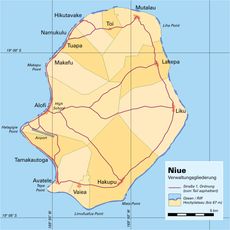
Niue, Polynesian island nation in South Pacific Ocean
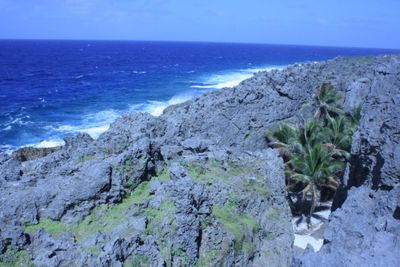
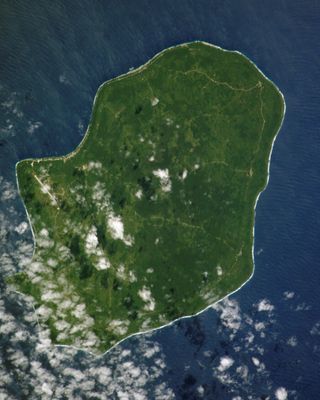
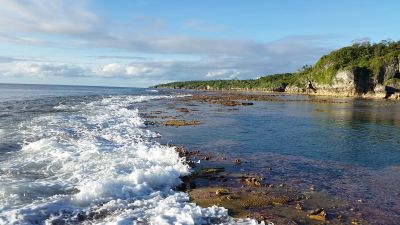
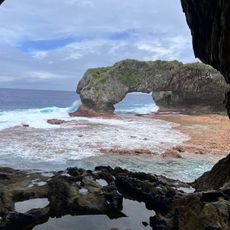
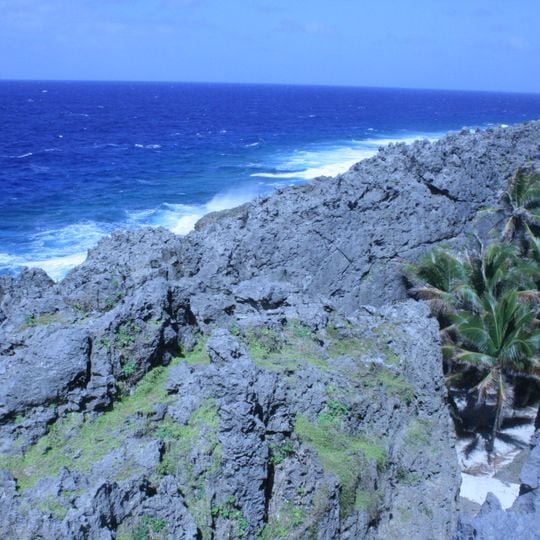
The raised coral atoll extends across 65 kilometers of coastline with limestone cliffs, natural caves, and tidal pools along its perimeter, while the interior features an elevated forested plateau with fertile soils for agriculture.
Polynesian settlers inhabited the island from at least 900 CE, before James Cook made contact in 1774. New Zealand missionaries arrived from the 1830s onward, Britain placed the territory under protection in 1900 and transferred administration to New Zealand in 1901, from which it gained full self-governance in 1974.
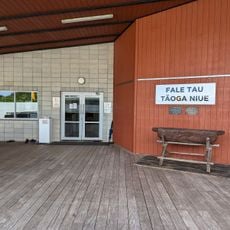
The population speaks predominantly Niuean, a Polynesian language with approximately 8,000 speakers worldwide, while self-governance and community structures rest on traditional village councils that continue making decisions about land and resources.
Direct flights operate from Auckland with accommodations ranging from village guesthouses to beachfront properties. Visitors need at least one week for cave exploration, snorkeling, and coastal walks, while the dry season from May through October offers optimal conditions for outdoor activities.
The territory received recognition as the first International Dark-Sky Sanctuary worldwide in 2020, while its remote location and minimal light pollution enable astronomical observations difficult to achieve elsewhere.
The community of curious travelers
AroundUs brings together thousands of curated places, local tips, and hidden gems, enriched daily by 90,799 contributors worldwide.