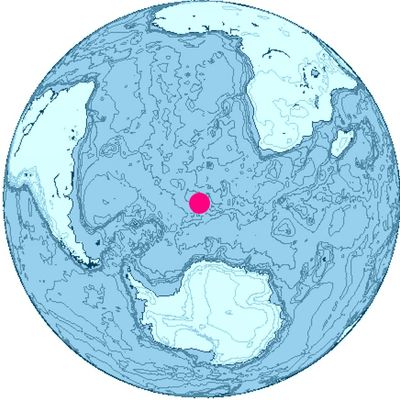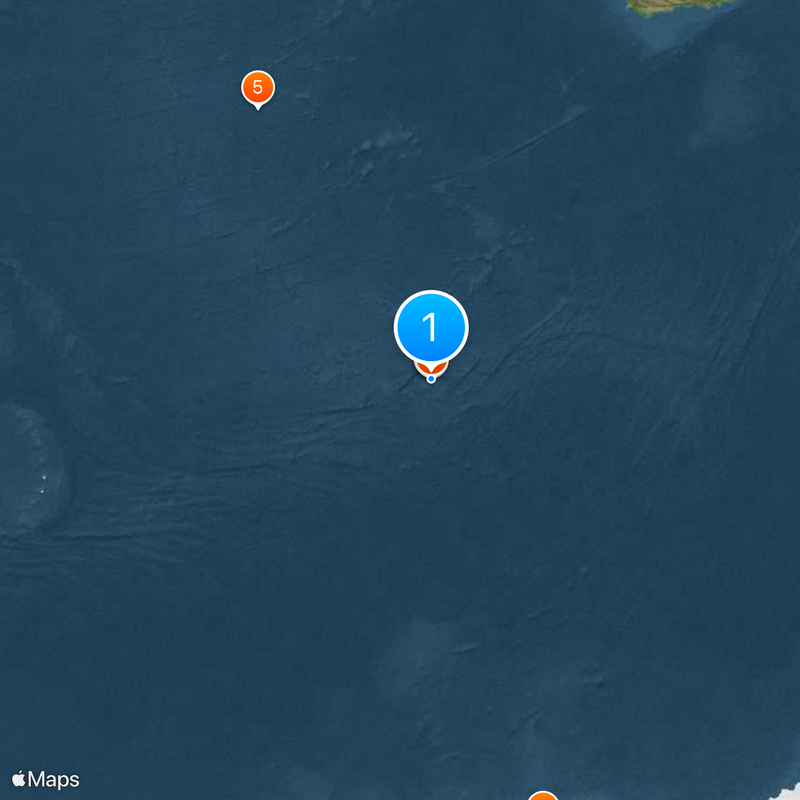
Bouvet Island, Norwegian volcanic island in South Atlantic Ocean
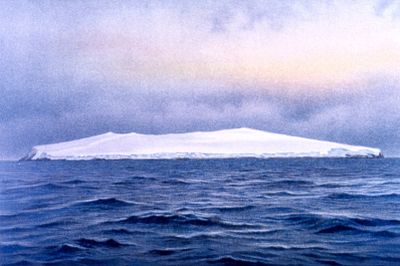
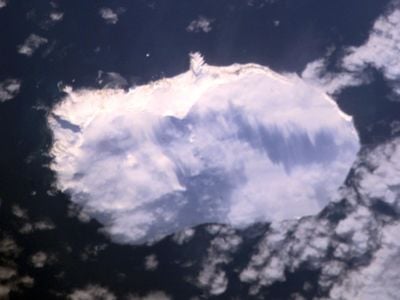
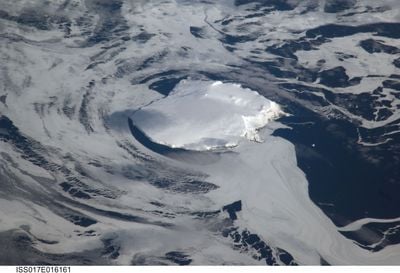
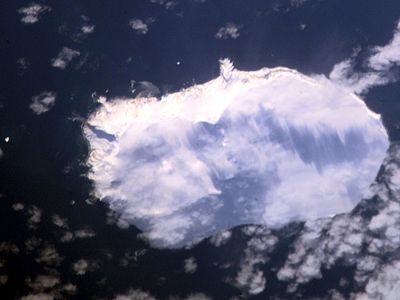
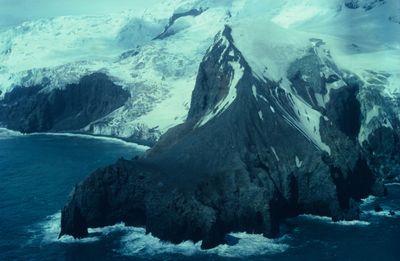
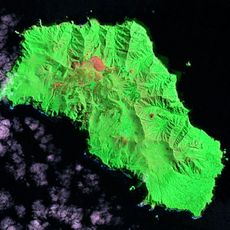
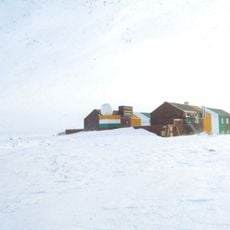
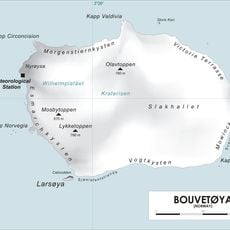
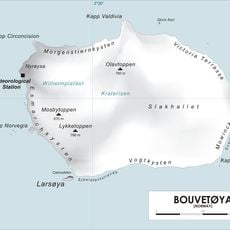
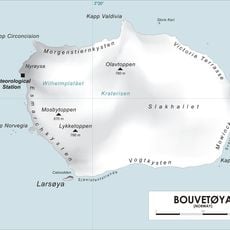
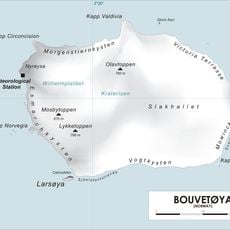
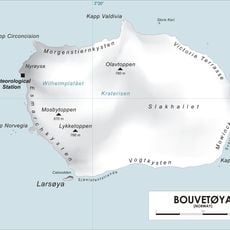
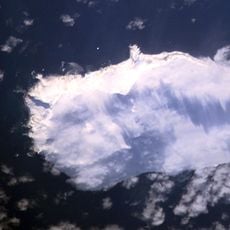
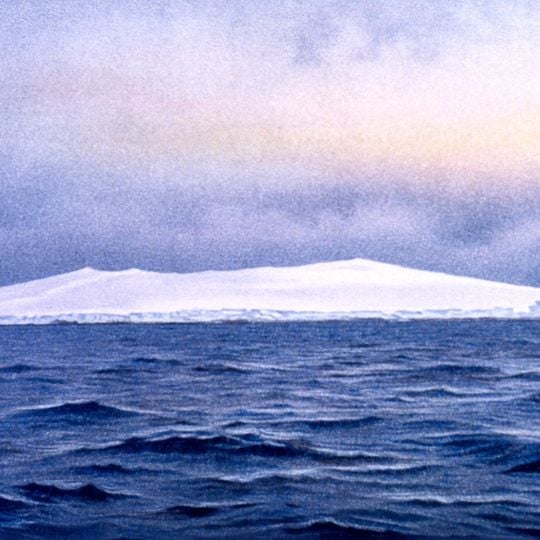
Bouvet Island is a small volcanic landmass in the southern Atlantic. The surface extends across 49 square kilometers and shows steep cliffs that rise to the summit of Olavtoppen at 780 meters elevation.
French navigator Jean-Baptiste Charles Bouvet de Lozier discovered this landmass in 1739. Norway later assumed administration and officially declared it part of its territory in 1930.
The entire landmass functions as a protected nature reserve, where large groups of Antarctic fur seals gather along the coastline. Numerous seabirds nest on the rocky outcrops and use the surroundings as a secure breeding ground.
Poor weather, thick fog, and the remote location make any approach extremely difficult. The coastline is mostly covered by ice and offers few accessible landing spots.
The waters around this territory host a growing population of fur seals, whose numbers multiplied significantly between 1990 and 1997. This increase shows how wildlife can recover in protected zones.
The community of curious travelers
AroundUs brings together thousands of curated places, local tips, and hidden gems, enriched daily by 91,996 contributors worldwide.