Lykketoppen, Snow-covered summit in Bouvetøya, Norway
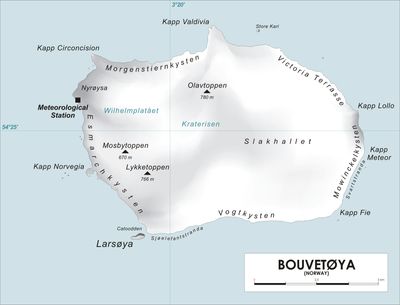
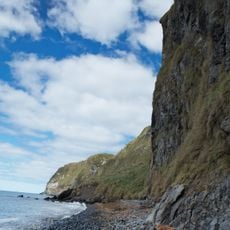
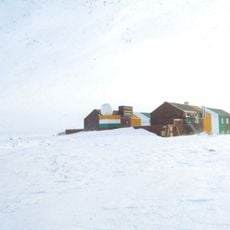
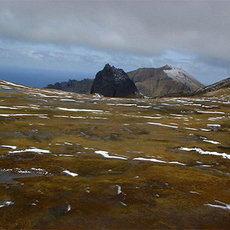
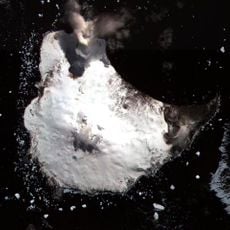
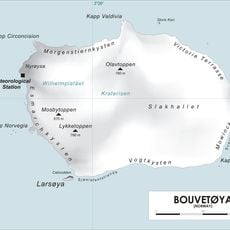
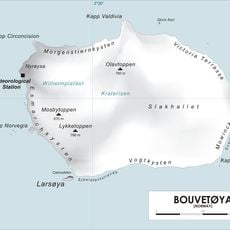
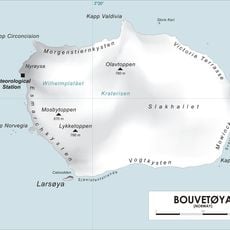
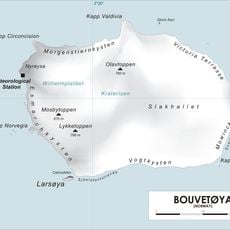
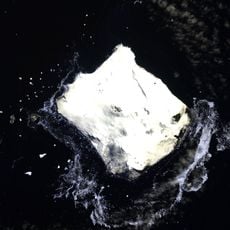
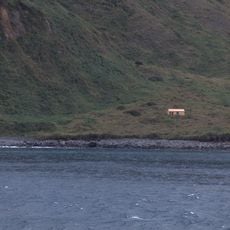
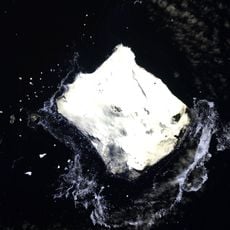
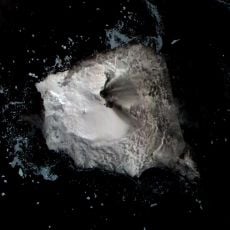
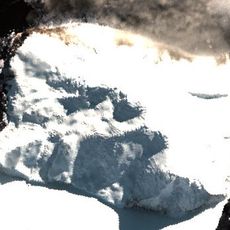
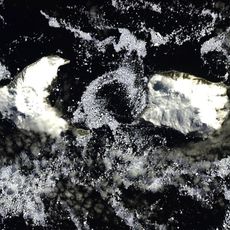
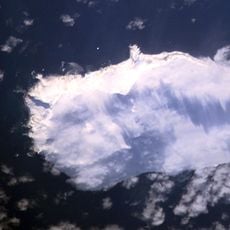
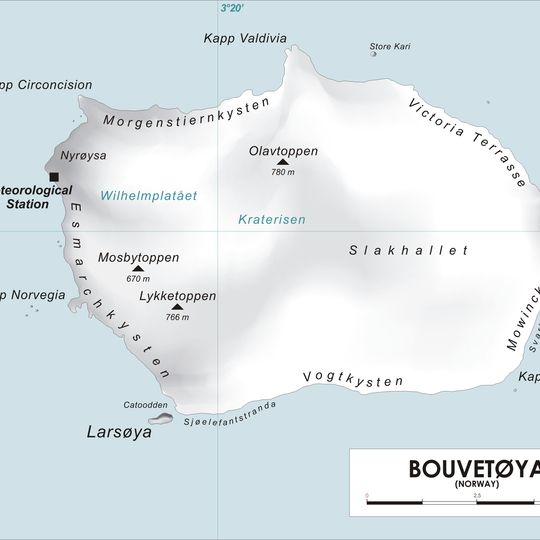
Lykketoppen is a snow-covered mountain in southwestern Bouvetøya, rising approximately 765 meters above sea level. The island itself sits isolated in the South Atlantic and is defined by thick ice cover and harsh weather conditions.
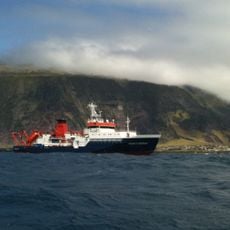
The mountain was first documented in 1898 by German explorer Carl Chun during his expedition. Norwegian explorers later mapped the area in detail in December 1927.
The summit represents Norway's claim to one of the world's most remote territories and reflects the legacy of early polar exploration efforts. Today it stands as a symbol of scientific curiosity about extreme environments.
Reaching this location requires extreme preparation and specialized equipment suited to harsh polar conditions. The extreme isolation and severe weather make visits exceptionally rare and only possible under extraordinary circumstances.
The island counts among the least visited places on Earth due to its permanent ice coverage and complete isolation. Even scientific expeditions there are exceptionally rare and undertaken only when absolutely necessary.
The community of curious travelers
AroundUs brings together thousands of curated places, local tips, and hidden gems, enriched daily by 91,668 contributors worldwide.