Inaccessible Island, Volcanic island in South Atlantic Ocean, United Kingdom.
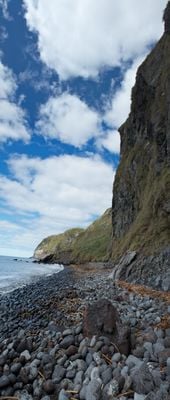
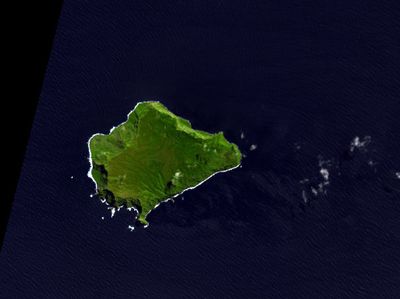
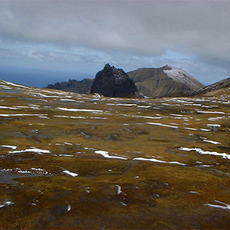
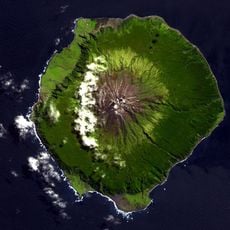
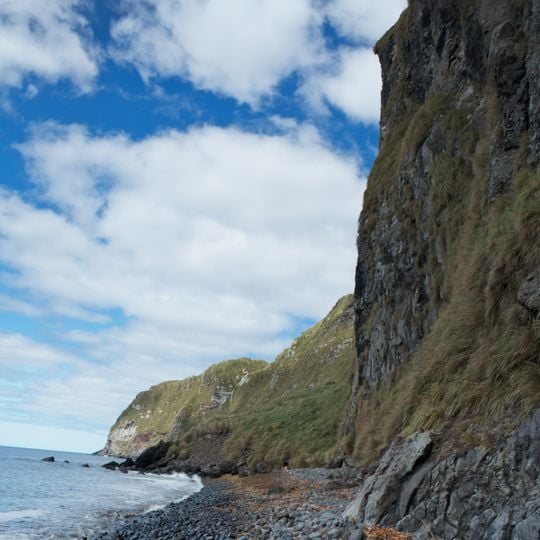
Inaccessible Island is a volcanic island of the Tristan da Cunha group in the South Atlantic, 31 km south-west of the main island. Its highest point, Swale's Fell, reaches 581 m, and the 12.65 km² island is an extinct volcano last active about one million years ago. Steep grey rock cliffs rise from boulder-strewn shores, with green headlands receding along the coast.
The Dutch ship Nachtglas, commanded by Jan Jakobszoon, sighted the island in January 1656 and gave it that name; French captain d'Etcheverry is credited with renaming it Inaccessible in 1778. The Stoltenhoff brothers from Germany lived there from 1871 to 1873 sealing until HMS Challenger rescued them. The island became a nature reserve under the Tristan da Cunha Conservation Ordinance of 1976, and in 2004 it joined Gough Island as a UNESCO World Heritage Site.
The name may come from the Dutch crew who landed but could not reach the interior, or from French captain d'Etcheverry, who renamed it in 1778 after failing to land. Tristan islanders were long permitted to harvest seabirds here, and today only Tristan guides may bring visiting cruise ships ashore.
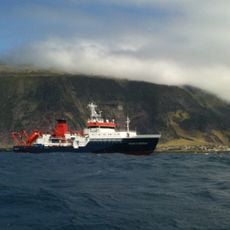
Any visit requires official permission from the Tristan da Cunha administration and a place on one of the rare ships traveling to this remote area. The only landing spot is located at a narrow pebble beach on the northwest coast, accessible only in calm sea conditions.
The Inaccessible Island rail, the world's smallest flightless bird, lives only here; no land mammals, reptiles, amphibians or butterflies occur on the island. The surrounding waters, out to 22 km, became a nature reserve in 1997, and only guides from Tristan may bring cruise ships ashore.
The community of curious travelers
AroundUs brings together thousands of curated places, local tips, and hidden gems, enriched daily by 92,316 contributors worldwide.