United Kingdom, Island nation in Northwestern Europe
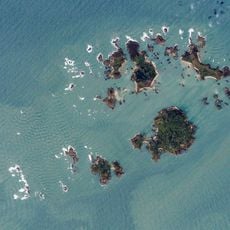
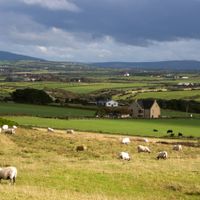
The United Kingdom is an island nation in northwestern Europe that spans the island of Great Britain with England, Scotland, and Wales, plus the northeastern part of the island of Ireland. The coastline stretches for roughly 12,400 kilometers and includes many smaller islands such as the Hebrides, Orkney, and Shetland.
The union of England and Scotland formed in 1707 through the Act of Union, with Ireland joining in 1801, though most separated as an independent state in 1922. The 19th century brought industrial expansion and territorial growth, while the 20th century saw decolonization and political realignment.
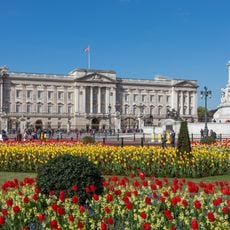
The name derives from Britannia, the Roman term for the island, while the monarchy continues to perform ceremonial duties visible in daily traditions like palace guard changes. Visitors notice regional cuisines from fish and chips to haggis, as well as pubs that serve as social gathering points.
Major airports are located in London, Manchester, Edinburgh, and Belfast with international connections, while buses and trains run between all larger cities. The temperate maritime climate means frequent rain, so waterproof clothing is advisable year-round, and many attractions require advance bookings, especially during summer months.
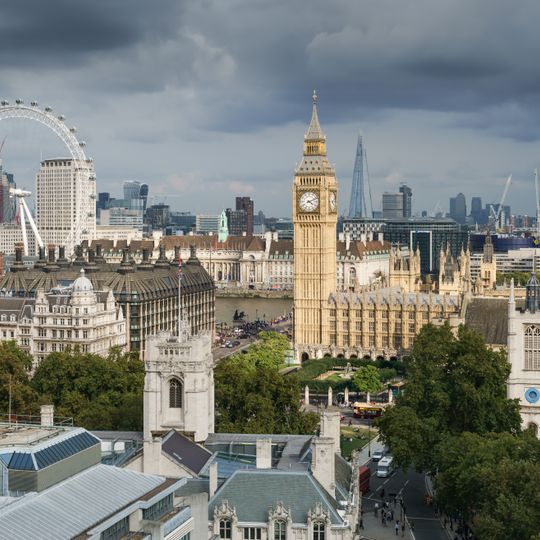
The territory extends across multiple time zones through overseas territories, though the main islands use a single zone. Over 300 languages are spoken by residents, making London one of the most linguistically diverse cities worldwide and reflecting centuries of migration and trade.
The community of curious travelers
AroundUs brings together thousands of curated places, local tips, and hidden gems, enriched daily by 60,000 contributors worldwide.