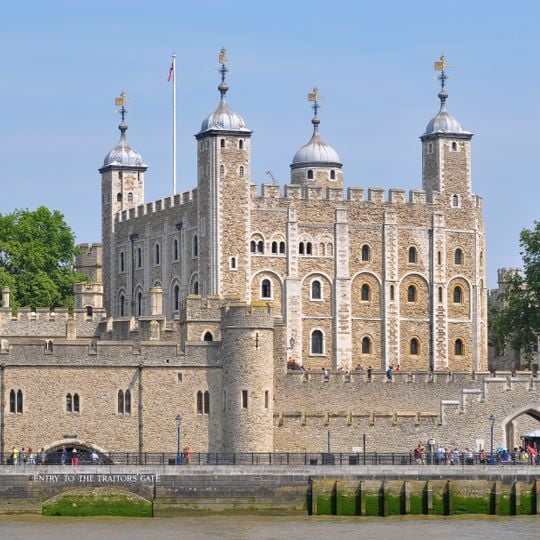
Tower of London, Medieval castle and fortress in central London, England
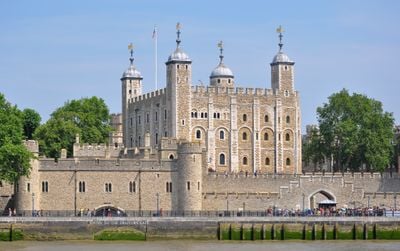
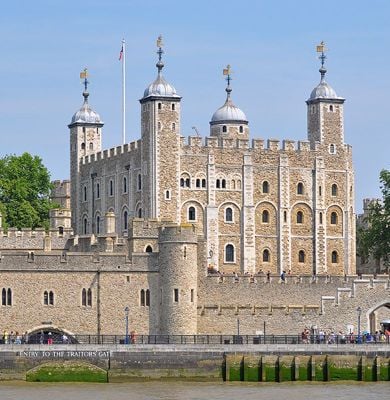
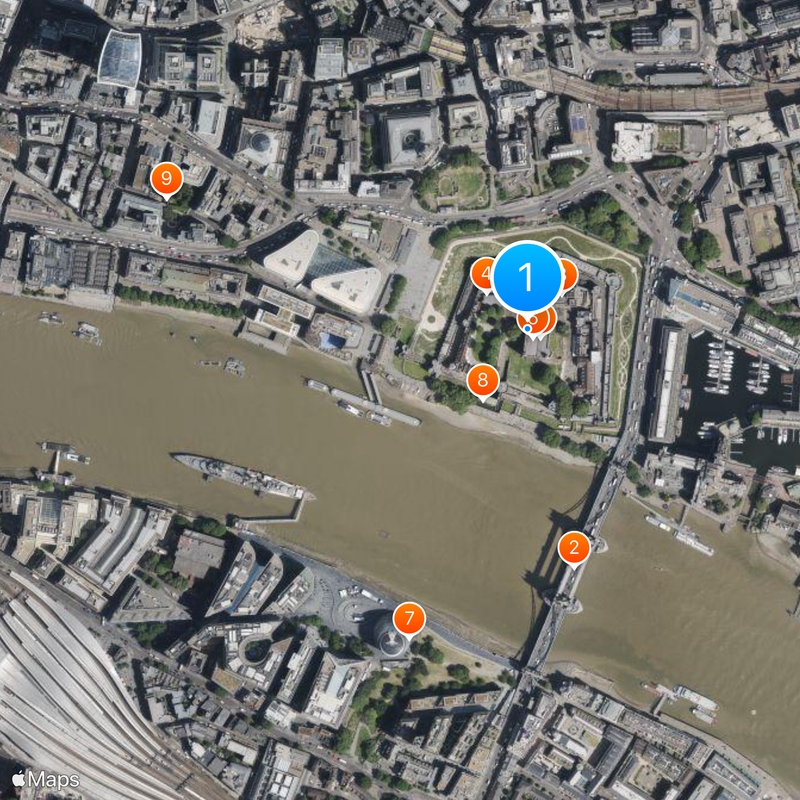
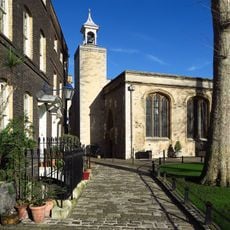
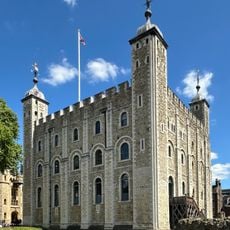
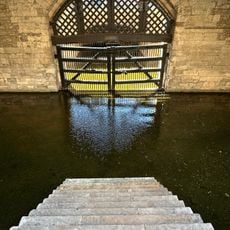
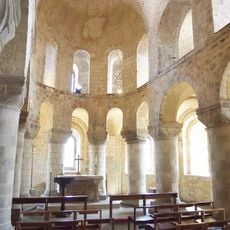
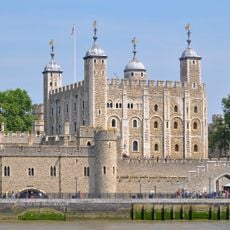
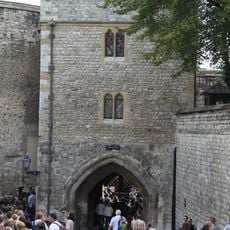
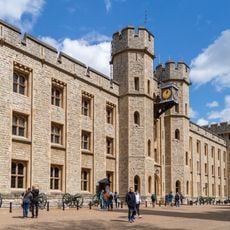
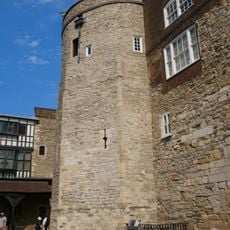
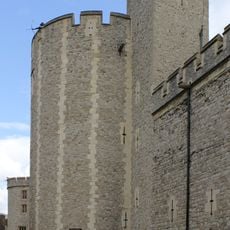
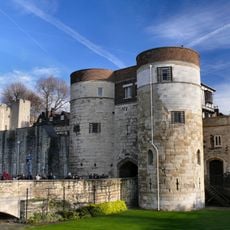
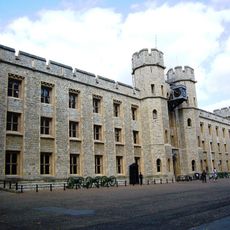
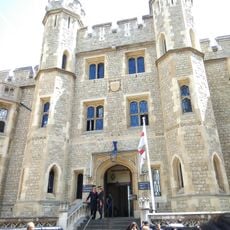
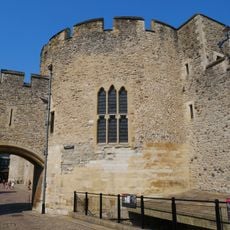
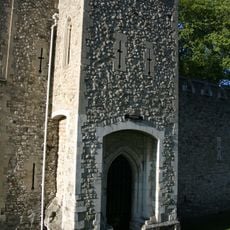
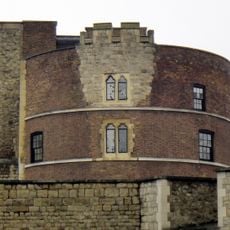
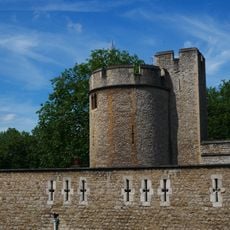
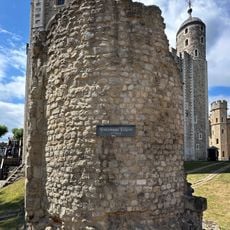
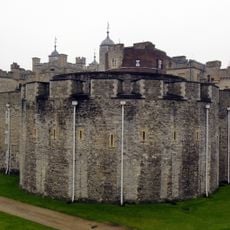
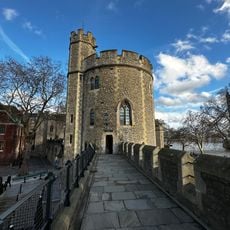
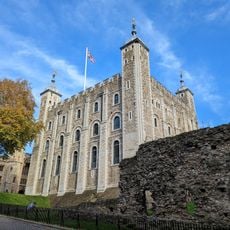
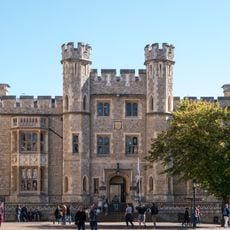
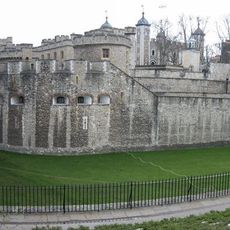
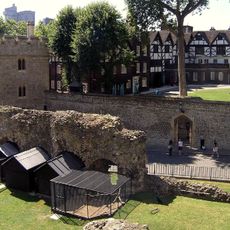
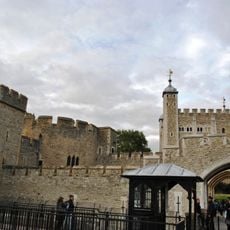
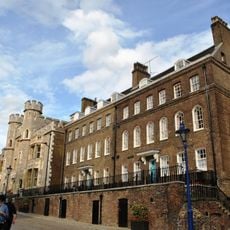
Situated along the Thames northern bank, the complex comprises several stone buildings enclosed by substantial defensive walls and towers. At its center rises the White Tower, an 11th-century rectangular Norman keep featuring four corner turrets and thick limestone construction. Concentric defensive rings containing 13 additional towers surround the inner compounds, while a former moat defines the outer perimeter. Occupying 12 acres (4.9 hectares), the site incorporates architectural elements from multiple centuries of royal construction, including medieval chapels, military barracks, and residential structures.
William the Conqueror initiated construction in 1066 after his coronation, finishing the White Tower by 1100. Subsequent rulers expanded fortifications during the 12th and 13th centuries by adding wall rings and towers. The complex functioned as royal palace, prison for prominent captives such as Anne Boleyn and Thomas More, and execution location. Henry III and Edward I undertook extensive building programs that established its current appearance. Victorian authorities opened the site to public visitors and restored numerous buildings during the 1800s, transforming its primary purpose from military installation to national monument.
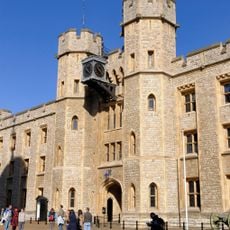
For centuries this fortress served multiple governmental functions including mint, armory, and treasury for royal regalia. The Crown Jewels collection displays coronation regalia in continuous use since the 1600s, comprising ceremonial crowns, scepters, and precious stones. Historic armor and weaponry housed within provide evidence of England's military development across medieval and early modern periods. As Britain's most visited historic monument, it receives millions of guests each year and continues to shape national identity through its connections to pivotal political events and ongoing royal ceremonial traditions.
Operating hours run daily from 9 AM to 5:30 PM, with winter closing at 4:30 PM. Guided tours conducted by Yeoman Warders begin every 30 minutes from the main entrance and last approximately 60 minutes. Tower Hill Underground station is located 5 minutes away by foot. Advance online ticket reservations help avoid extended queues, particularly during summer months. Accessible pathways exist throughout, though some historic sections with narrow staircases offer limited mobility access. Luggage storage services are available, and oversized bags are not permitted for security purposes.
Six ravens reside on the grounds under supervision of a dedicated Ravenmaster, a member of the Yeoman Warders. Ancient legend holds that the kingdom would fall if the birds departed, leading to the practice of trimming their flight feathers to prevent escape. Each raven carries an individual name and wears colored identification bands. The tradition extends back to the 19th century, though its precise origins remain uncertain. Past ravens have reached notable longevity, with some living beyond 40 years, and their accommodations include individual sleeping boxes and outdoor perches distributed throughout the grounds.
The community of curious travelers
AroundUs brings together thousands of curated places, local tips, and hidden gems, enriched daily by 90,758 contributors worldwide.