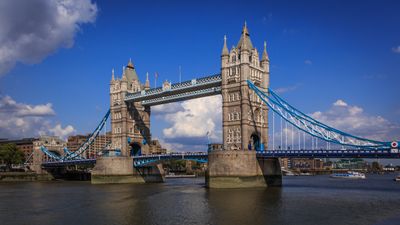
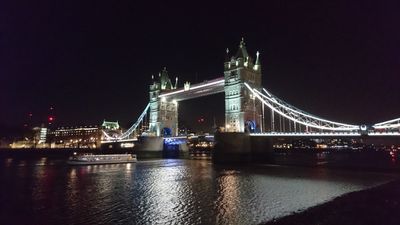
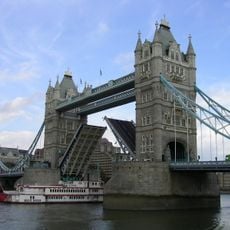
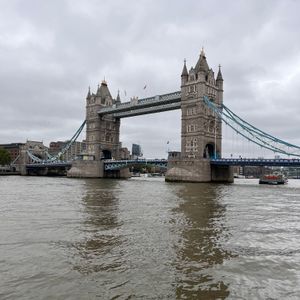
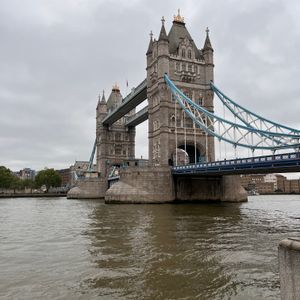
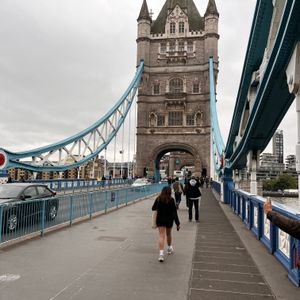
Tower Bridge, Steel bridge in London, GB.
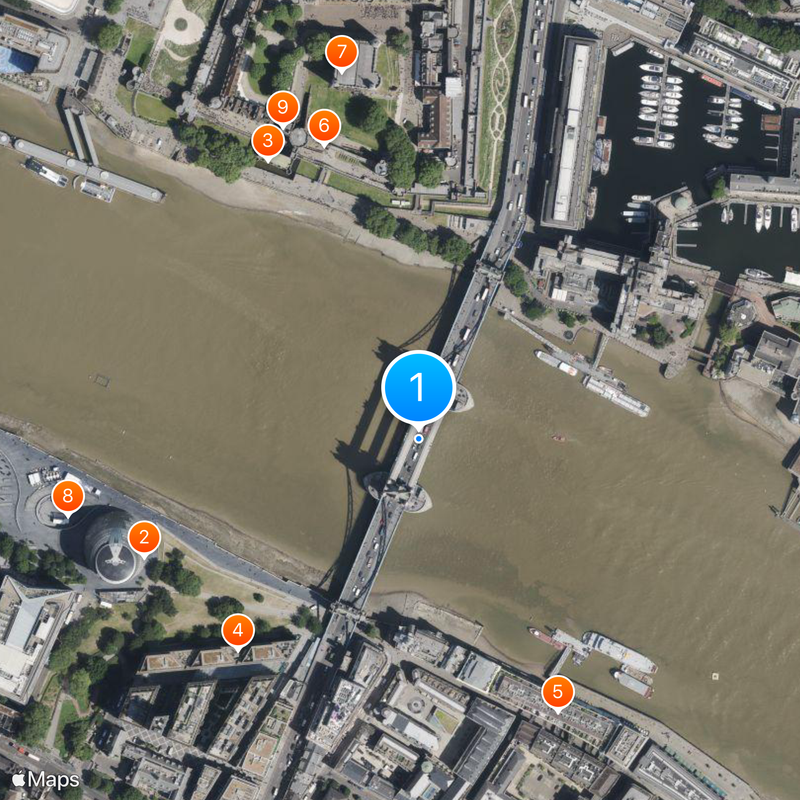
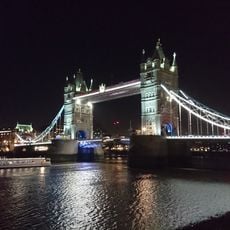
Tower Bridge is a combined bascule and suspension crossing in London that links two tall towers with domed tops over the Thames. The twin roadway segments lift hydraulically to allow large ships to pass beneath, while the outer spans are held by steel cables suspended from the towers.
Construction started in 1886 to a design by architect Horace Jones and engineer John Wolfe Barry, and the crossing opened eight years later. The lifting mechanisms originally ran on steam engines, which were replaced by electric motors in 1976.
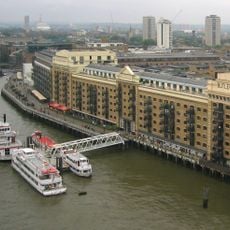
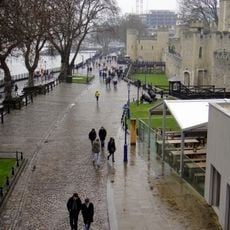
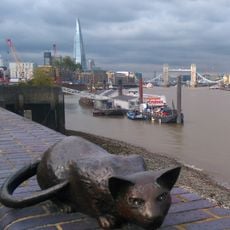
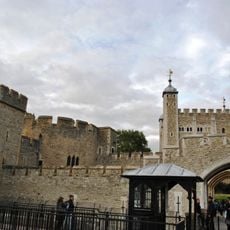
Pedestrians pause on the sidewalks and upper walkways to photograph the river and watch the roadway sections swing upward when large vessels pass beneath. Locals and travelers recognize the crossing as a symbol of the city and often stop mid-span to observe boats, the docklands downstream, and the Tower of London on the north bank.
The crossing remains open around the clock for pedestrians and vehicles, while the roadway sections lift several times each day for passing ships. The upper pedestrian galleries offer wide views upstream and downstream and are reached by stairways and lifts from both riverbanks.
The upper galleries have glass floor panels that allow direct views of the river and traffic 42 meters (138 feet) below. The original hydraulic accumulators in the basement generated enough pressure to raise the roadway segments twelve times without recharging the boilers.
The community of curious travelers
AroundUs brings together thousands of curated places, local tips, and hidden gems, enriched daily by 60,000 contributors worldwide.