Tristan da Cunha, South Atlantic island group
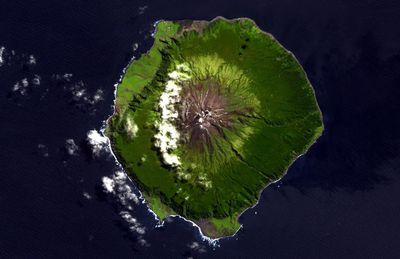
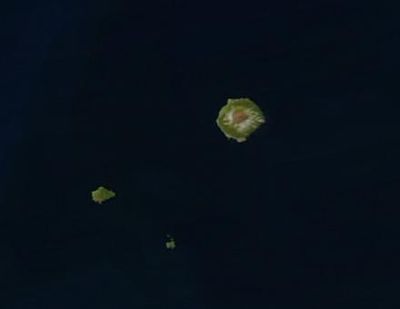
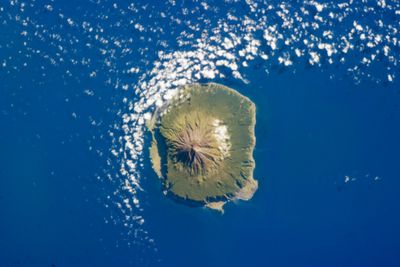
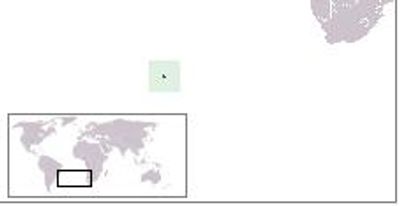
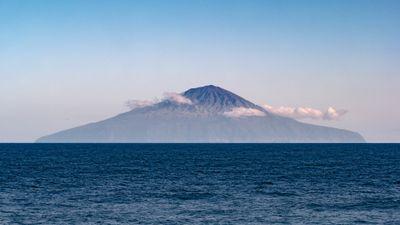
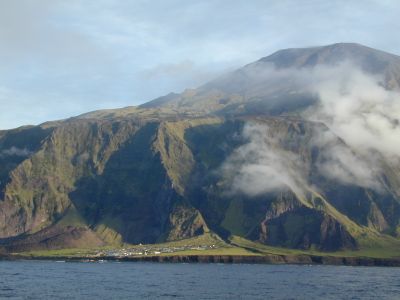
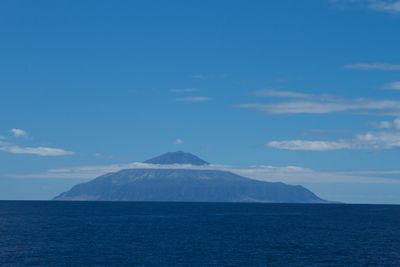
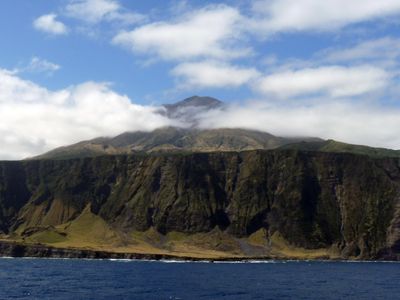
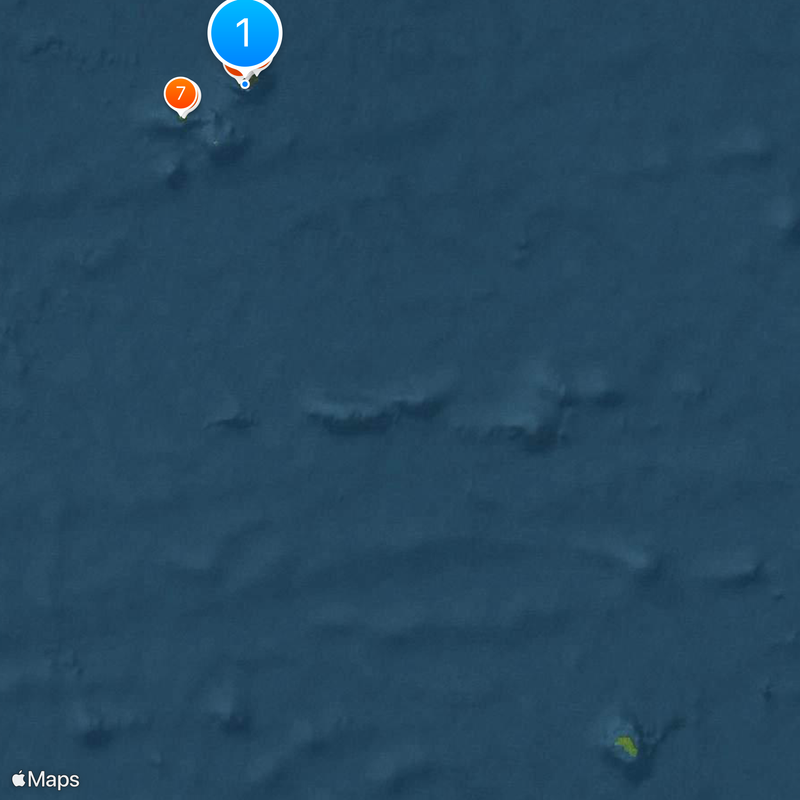
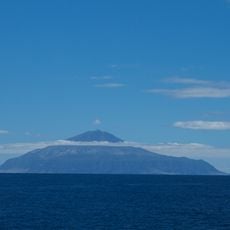
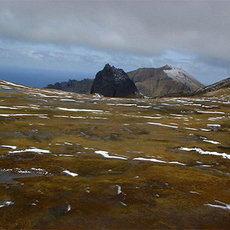
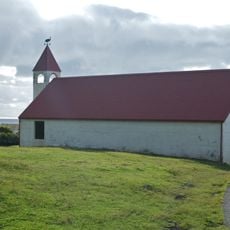
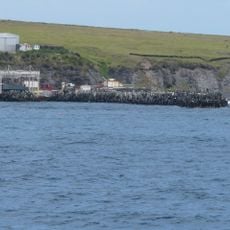
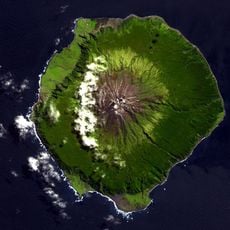
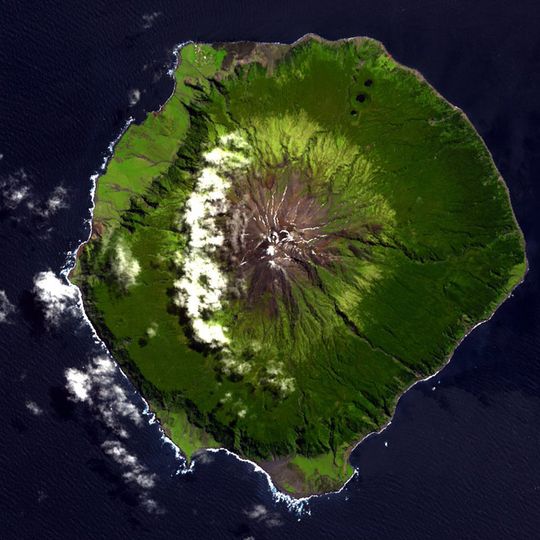
Tristan da Cunha is an island group in the South Atlantic Ocean and the world's most remote inhabited archipelago. The main island is volcanic and home to a small community centered in the flat settlement of Edinburgh of the Seven Seas, while the surrounding islands remain mostly uninhabited.
A Portuguese navigator explored the islands in the early 1500s and left his name behind. Over the centuries, they played a role in whaling and seal hunting, were occupied during the Napoleonic Wars, and served as a weather station during World War II to track submarines.
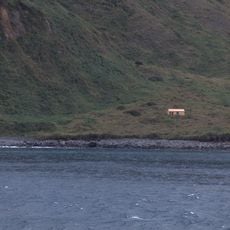
The name comes from Portuguese sailor Tristão da Cunha from the early 1500s. Today, the community stays close through traditions like shared potato farming on small family plots and weekend stone cabins that keep people connected to the land.
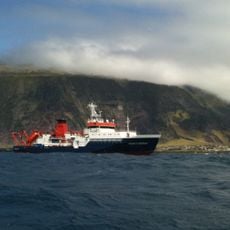
The only way to reach the island is by ship from South Africa, taking several days, since there is no airport. Bring cash in pounds, dollars, or euros, wear sturdy shoes and layered clothing for quickly changing weather, and plan your trip at least a year ahead as spaces are limited.
The Albatross Bar is the world's most remote pub and opens mainly when ships dock. Visitors can also play golf on a simple course where sheep, mud, and strong winds pose natural challenges, making the experience more about enjoyment than competition.
The community of curious travelers
AroundUs brings together thousands of curated places, local tips, and hidden gems, enriched daily by 90,798 contributors worldwide.