Gough Island, Volcanic island in South Atlantic Ocean, Saint Helena
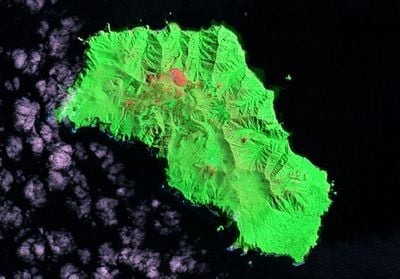
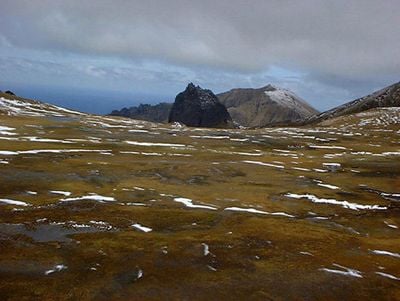
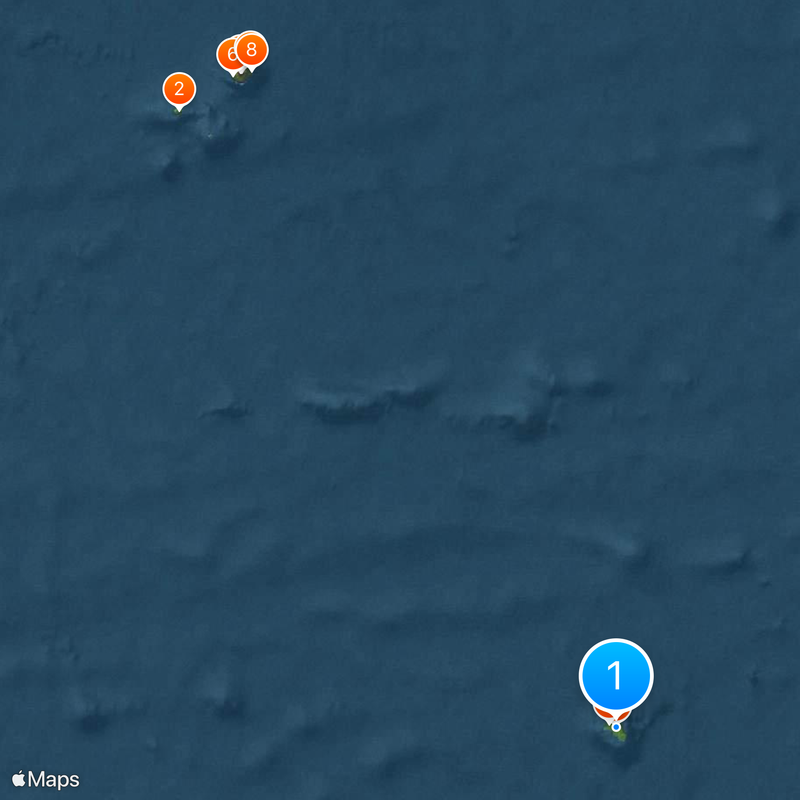
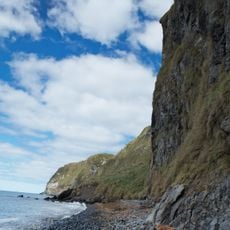
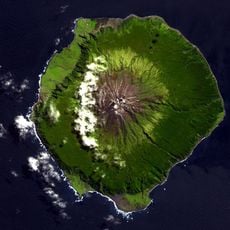
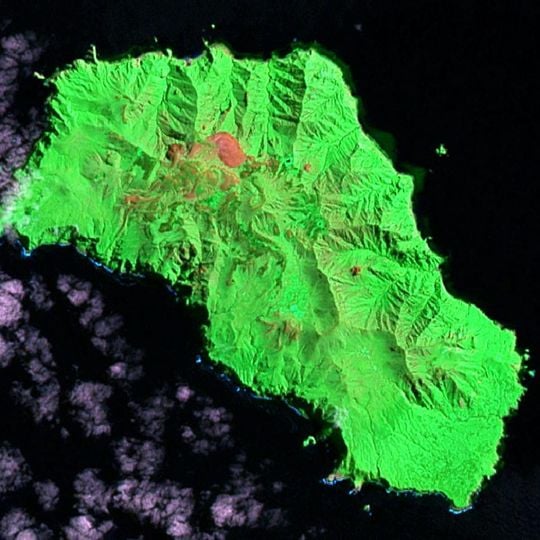
Gough Island is a volcanic island in the South Atlantic Ocean, forming part of the Tristan da Cunha territory and lying about 249 miles (400 kilometers) southeast of the main island. The landmass covers roughly 35 square miles (91 square kilometers) with steep coastal cliffs rising from the sea, while Edinburgh Peak towers at the center reaching 2,986 feet (910 meters) in elevation.
Gonçalo Álvares sighted the island in 1505 during a Portuguese expedition, but it was later named after Captain Charles Gough who rediscovered it in 1732. The British government established a weather station on the island in 1956, which has operated continuously ever since and collects meteorological data for southern Africa.
Scientists maintain a weather station operating since 1956, collecting data about meteorological conditions that affect southern African regions.
Access to the island is heavily restricted and limited mainly to researchers who study the wildlife and environmental conditions. Rough seas and unpredictable weather make landing difficult, so visits usually occur during the southern summer months.
House mice on the island have evolved over generations to grow much larger than normal and hunt young seabirds in their nests. This unusual predatory behavior threatens several breeding colonies of rare albatrosses and petrels.
The community of curious travelers
AroundUs brings together thousands of curated places, local tips, and hidden gems, enriched daily by 90,795 contributors worldwide.