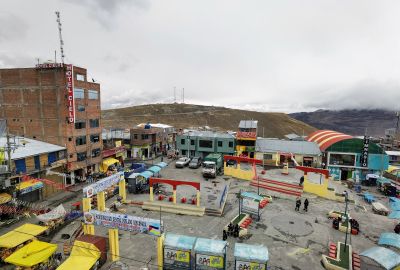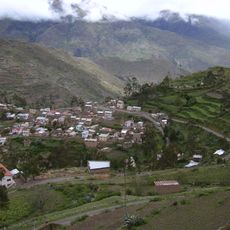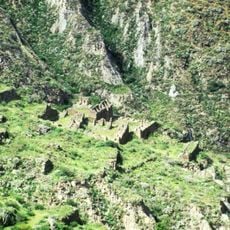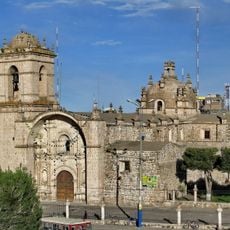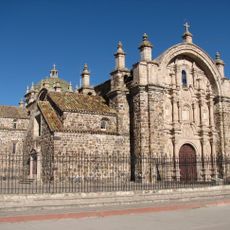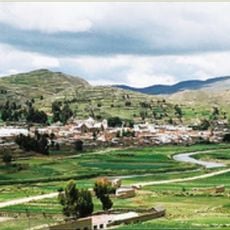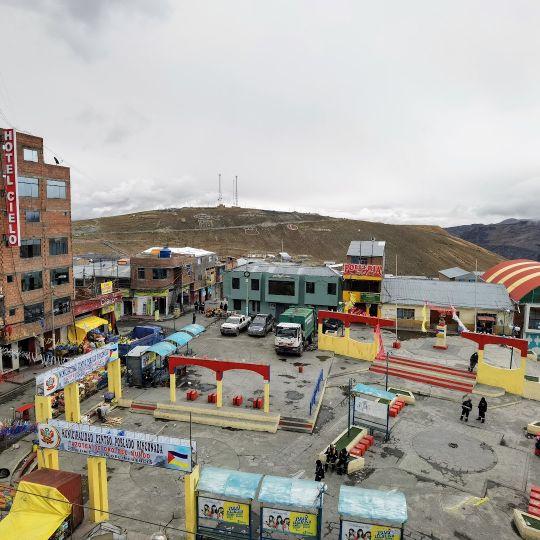
La Rinconada, Mining village in Andes Mountains, Peru.
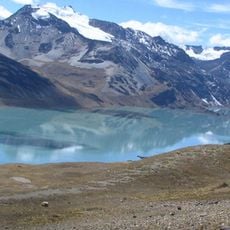
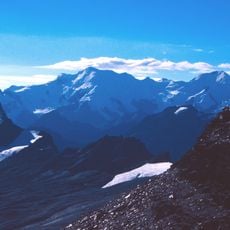
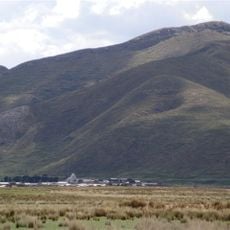
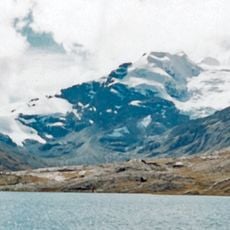
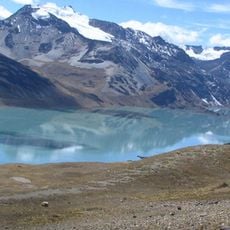
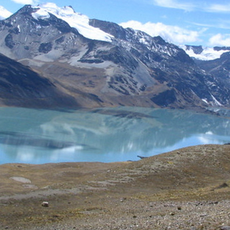
Situated at 16,732 feet (5,100 meters) near the Ananea glacier, the settlement spreads across steep mountain slopes surrounded by permanent snow and rocky terrain. Corrugated metal and makeshift structures cover the hillsides, while narrow pathways connect different levels of the mining area.
The area served as a traditional mining site for Andean inhabitants for centuries. Between 2001 and 2009, the population grew from a small camp to approximately 30,000 residents as global gold prices surged, attracting thousands of job seekers.
Miners work under the cachorreo system, laboring for 30 days without pay before earning permission to extract gold for personal gain. The settlement attracts people from rural regions of Peru seeking work and economic opportunities despite extreme conditions and health risks.
The settlement has no basic infrastructure including running water, electricity, waste disposal, medical facilities, or paved roads. Visitors must prepare for extreme cold, thin air, and difficult living conditions. Access is via unpaved mountain roads from Juliaca or Puno, requiring several hours of travel time.
Mercury pollution from gold processing contaminates the local water supply, causing severe health consequences for residents. Researchers documented elevated mercury levels in blood samples from children and adults, resulting in long-term neurological damage and developmental issues. The use of mercury to separate gold from rock often occurs indoors without protective equipment.
The community of curious travelers
AroundUs brings together thousands of curated places, local tips, and hidden gems, enriched daily by 90,862 contributors worldwide.