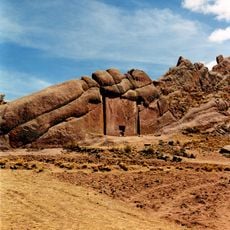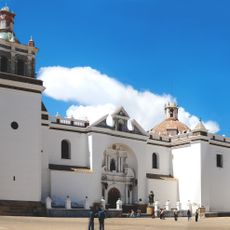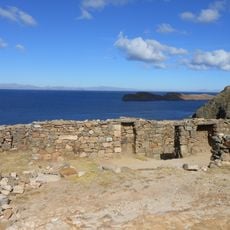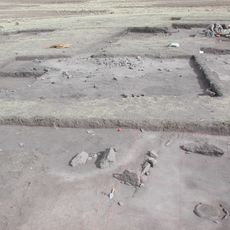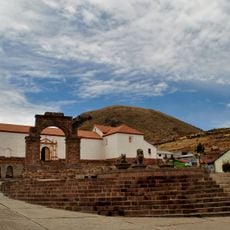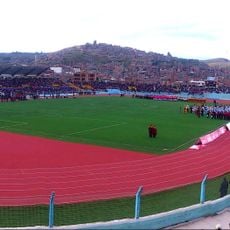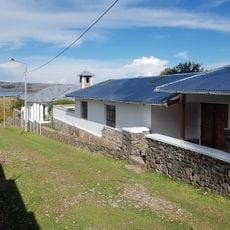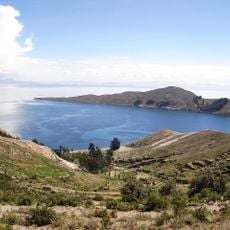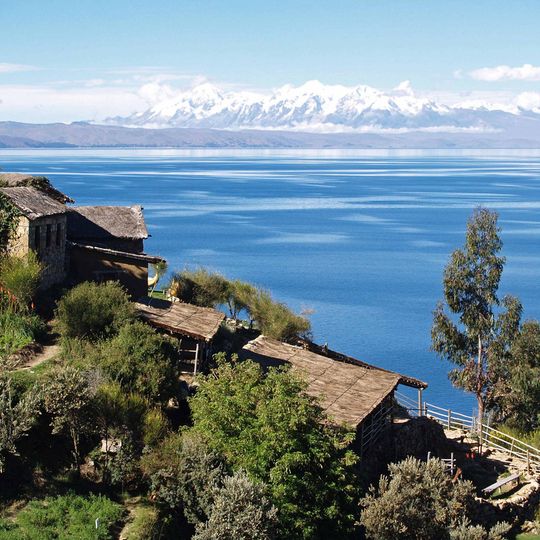
Titicaca, Sacred lake in Puno, Peru and La Paz, Bolivia.
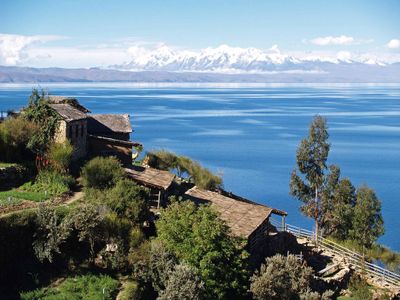
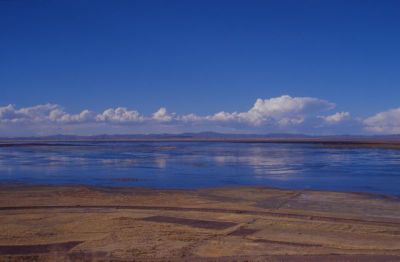
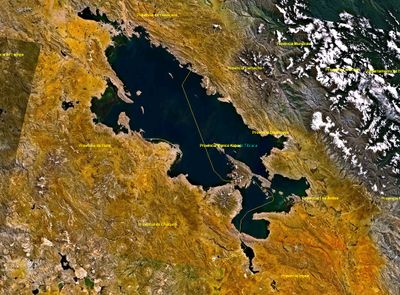
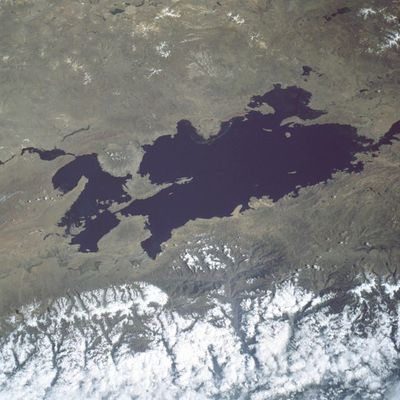
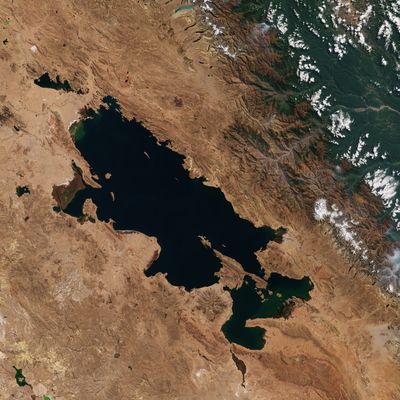
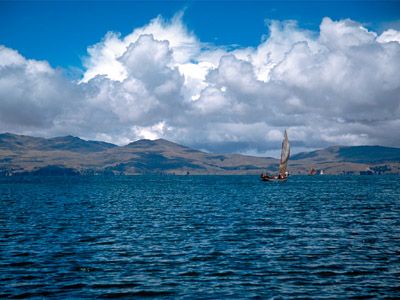
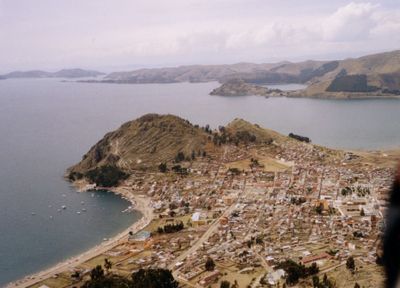
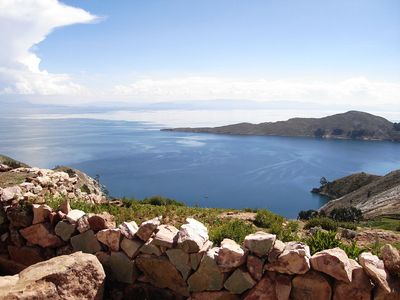
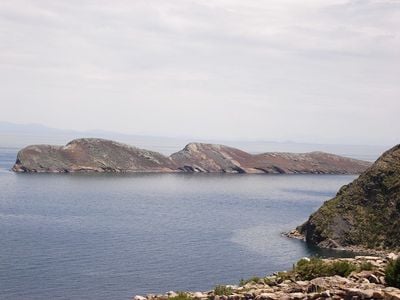
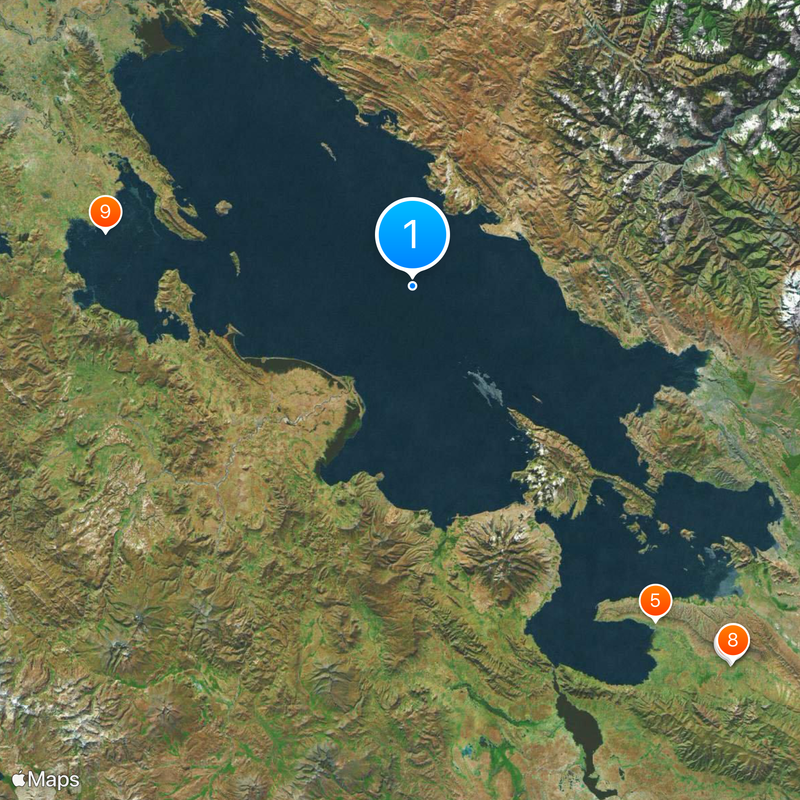
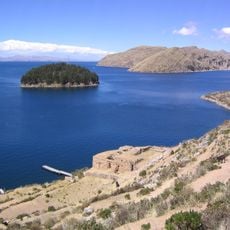
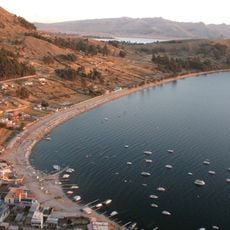
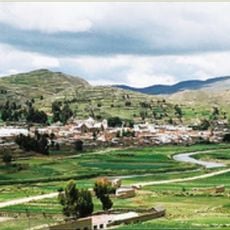
Titicaca stretches across more than 8000 square kilometers between Peru and Bolivia at an elevation of roughly 3800 meters in the Andes. The water surface sits surrounded by mountains and high plains, with several islands of natural and artificial origin scattered across its expanse.
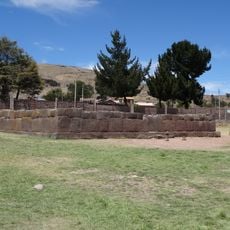
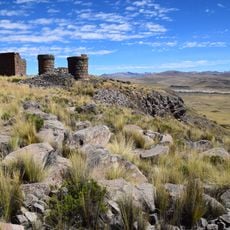
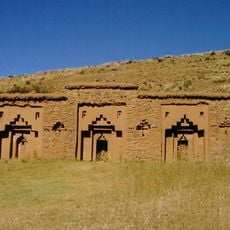
The Tiwanaku civilization built settlements around the water between the 5th and 10th centuries, using artificial terraces for agriculture. Later, the Inca revered the body of water as the sacred origin of their dynasty and constructed temples on the islands.
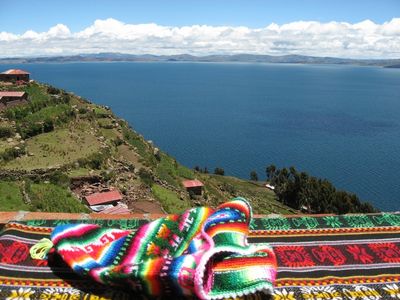
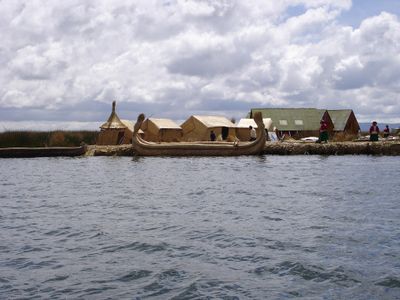
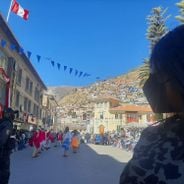
Aymara and Quechua communities continue to live on the islands and follow traditions including textile weaving and the construction of boats from reeds. Visitors may witness religious festivals where people honor the spiritual connection to the water through offerings and music.
Travelers reach the area through Puno, where boats depart daily to the floating islands of the Uros as well as to Taquile and Amantani. The elevation requires time to adjust, so moving slowly and drinking plenty of water helps prevent discomfort.
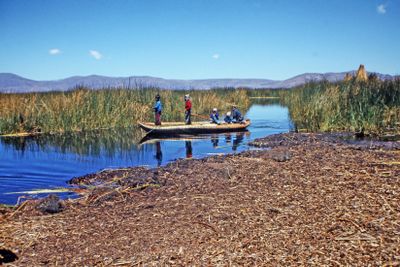
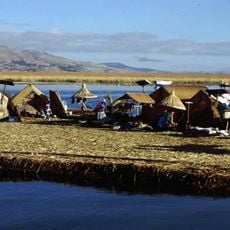
The Uros live on artificial islands built entirely from totora reeds, which need maintenance roughly every three months. The reeds also serve as a food source, as the white roots can be eaten and have a slightly sweet flavor.
The community of curious travelers
AroundUs brings together thousands of curated places, local tips, and hidden gems, enriched daily by 90,789 contributors worldwide.