Bolivia, Country in central South America
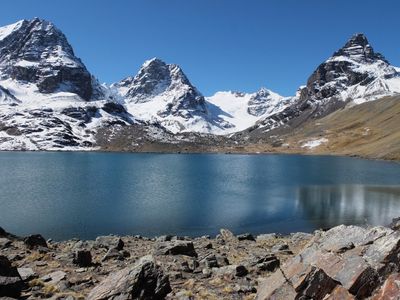
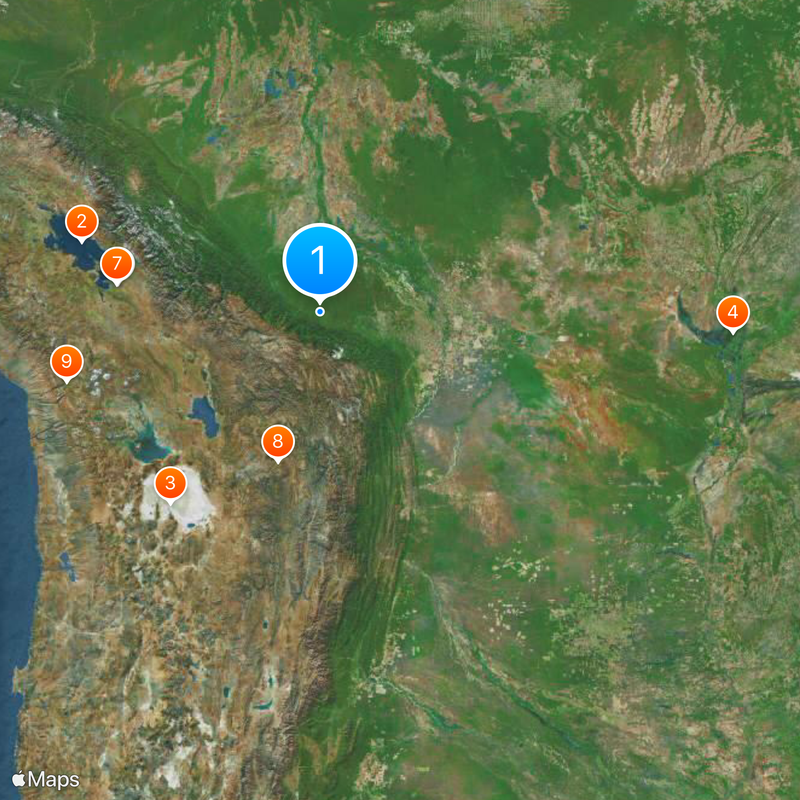
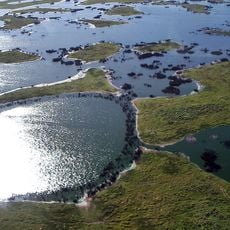
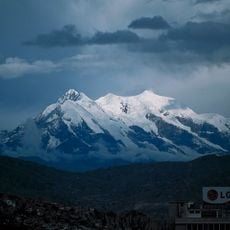
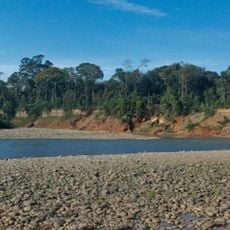
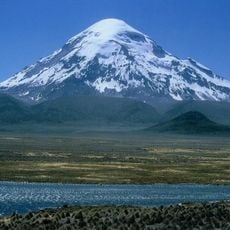
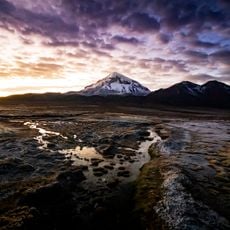
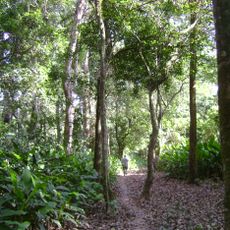
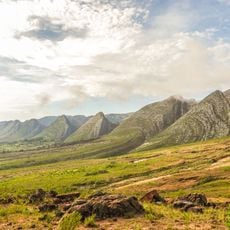
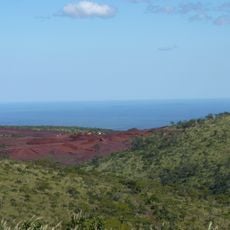
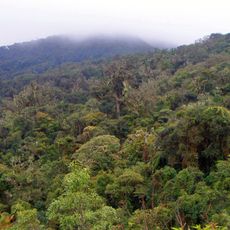
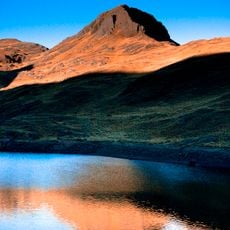
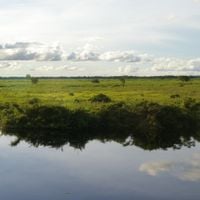
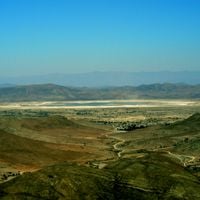
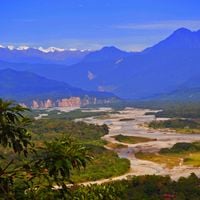
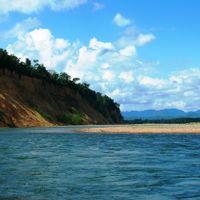
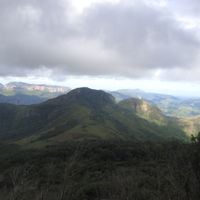
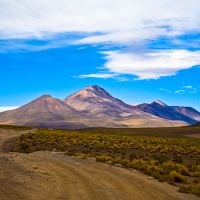
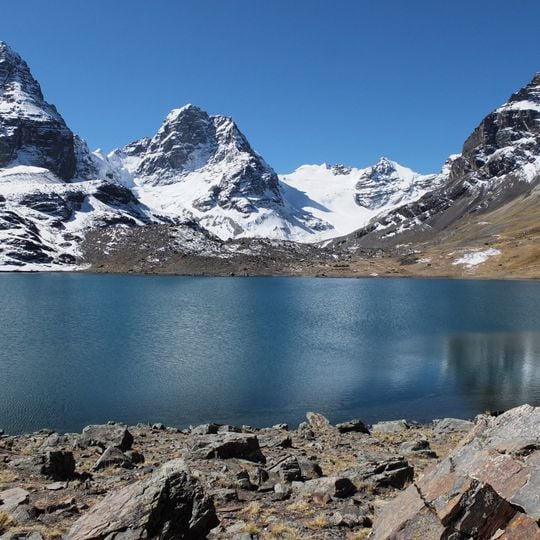
This landlocked nation in central South America stretches from lowlands in the Amazon basin to peaks in the Andes, connected by the Altiplano plateau. The country covers about 424,000 square miles (1.1 million square kilometers), borders Brazil, Paraguay, Argentina, Chile, and Peru, and ranges from tropical rainforest to high-altitude plains.
Spanish forces conquered the area from 1535 and ruled for nearly three centuries until independence arrived in 1825. The name honors Simón Bolívar, leader of the liberation campaigns, while war with Chile from 1879 to 1884 brought the loss of access to the Pacific.
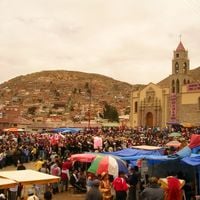
People today chew coca leaves or drink them as tea to ease altitude symptoms, a practice that has roots going back centuries before Spanish arrival. In rural areas, women often wear layered pollera skirts and bowler hats, items that arrived from Europe and later became part of local dress.
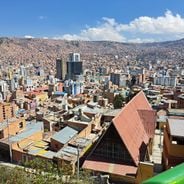
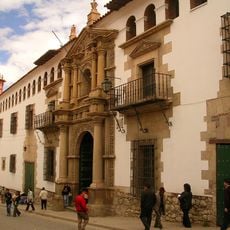
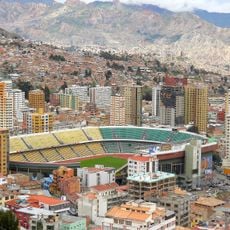
La Paz sits at roughly 11,980 feet (3,650 meters) and serves as the seat of government, while Sucre remains the constitutional capital and home to the Supreme Court. Visitors should allow time to adjust to the thinner air, especially in the higher parts of the country.
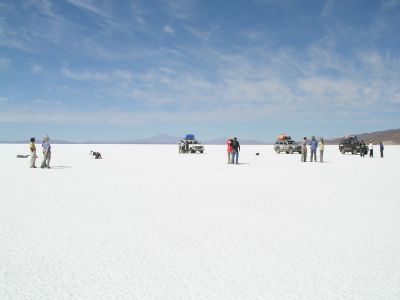
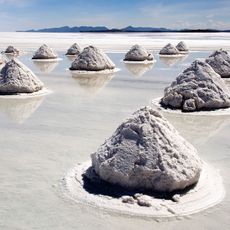
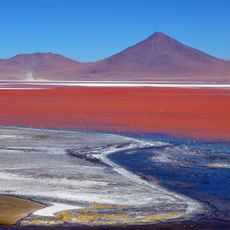
The southwest holds the largest salt flat on Earth, covering more than 4,000 square miles (10,000 square kilometers) and hiding significant lithium reserves beneath its crust. On the road from La Paz to the Amazon basin, temperature shifts within hours from Andean cold to tropical warmth.
The community of curious travelers
AroundUs brings together thousands of curated places, local tips, and hidden gems, enriched daily by 90,753 contributors worldwide.