Chiquitania, Transitional plains between Gran Chaco and Amazon in Santa Cruz, Bolivia
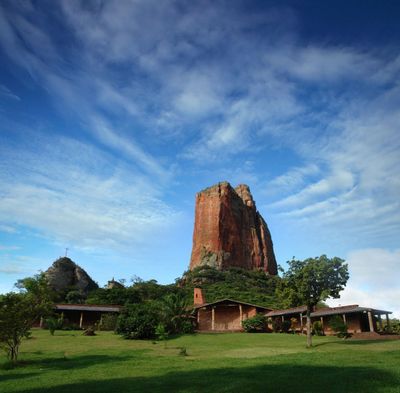
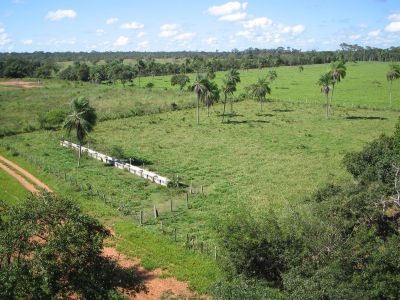
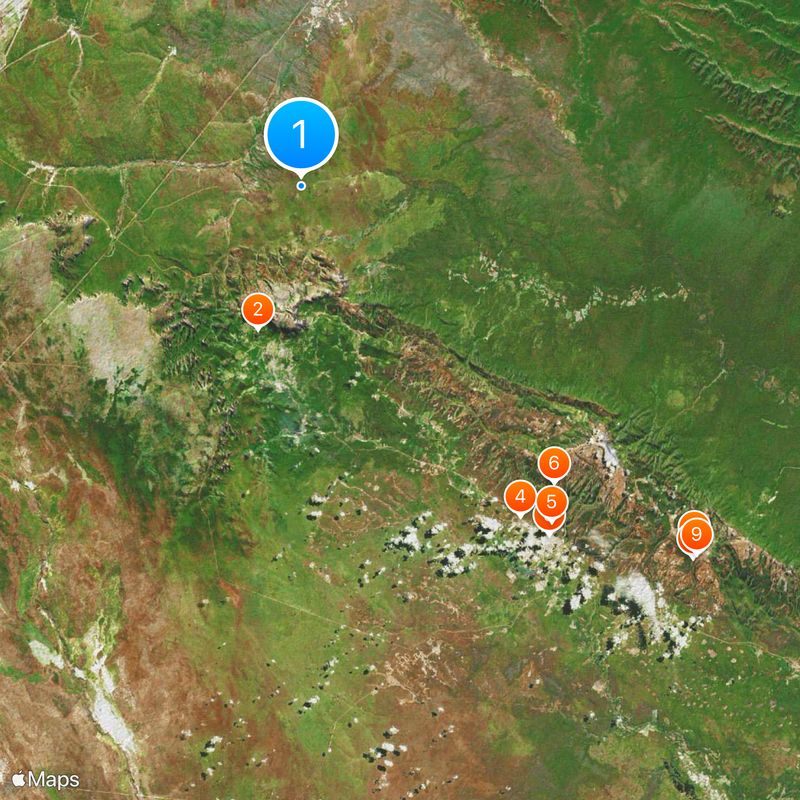
Chiquitania is a tropical savanna region in Bolivia's Santa Cruz Department, covering about 164,495 km², roughly 15% of the country. It lies in the ecotone between the Gran Chaco and the Amazon, and its Chiquitano dry forest, dense with thorn-covered trees and scrub, links South America's two largest biomes. The land is largely flat, with annual rainfall falling from about 1,050 mm in the north to just over 600 mm in the south.
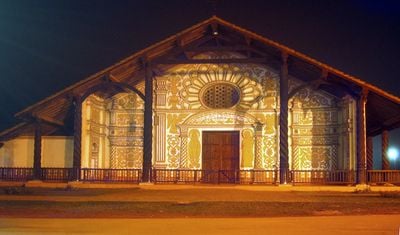
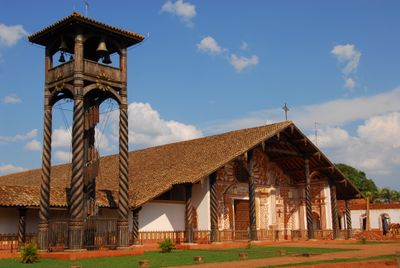
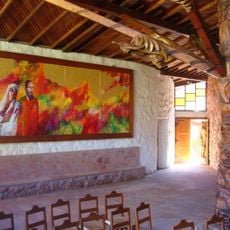
Jesuit missionaries, active from 1690, founded seven mission towns (reductions) among the Chiquitos and Zamucos peoples; by 1778 these housed some 12,000 inhabitants, almost all indigenous. A political and military government of Chiquitos was recognized in 1731 and joined the Viceroyalty of the Río de la Plata in 1778. After the Jesuits' expulsion, Franciscans took over the missions.
The name comes from Spanish conquistadors who misunderstood small doorways in local houses as evidence of short stature among the inhabitants. This confusion became the lasting name for the entire region.
Most visitors arrive through Santa Cruz airport, from which roads connect to communities throughout the region. The dry season provides easier travel and better chances to observe wildlife in their natural surroundings.
Jaguars and tapirs roam across the different forest types and grasslands of this region, demonstrating its ecological richness. Spotting these animals remains rare, but their presence underscores the importance of these habitats for endangered species.
The community of curious travelers
AroundUs brings together thousands of curated places, local tips, and hidden gems, enriched daily by 93,742 contributors worldwide.